What is sustainability?
Sustainability is the ability to meet the needs of the present without compromising the ability of future generations to meet theirs. In practice, it means balancing environmental, social, and economic factors so that resources are used in ways that stay environmentally sound, socially fair, and economically viable over the long term. The principle is straightforward: an economy and a society can keep functioning only while the natural systems beneath them stay intact.

Working bee on a canola field flower.
For businesses, sustainability has moved from a reputational nicety to a condition of resilience. Access to capital, supply-chain stability, regulatory compliance, and customer trust now depend on how credibly a company manages its environmental and social impact. Reporting frameworks such as the Corporate Sustainability Reporting Directive (CSRD) have made much of this a formal obligation, and investors increasingly read sustainability performance as a measure of long-term value.
Green Earth approaches sustainability by leading with nature. Where much of the market frames the subject around emissions alone, our starting point is the health of ecosystems and biodiversity, because thriving natural systems are what make lasting environmental, social, and economic progress possible.
The three pillars of sustainability
The environmental, social, and economic pillars give sustainability its structure. Each pillar supports the others: environmental health underpins long-term economic activity, economic stability funds social progress, and social equity keeps both durable. A strategy that strengthens one pillar at the expense of another rarely holds.
Read more: The 3 pillars of corporate sustainability
For a business, the three pillars offer a practical way to organise action. They turn a broad ambition into concrete questions: how the company uses natural resources, how it treats people and communities, and how it sustains value over time. The sections below take each pillar in turn.
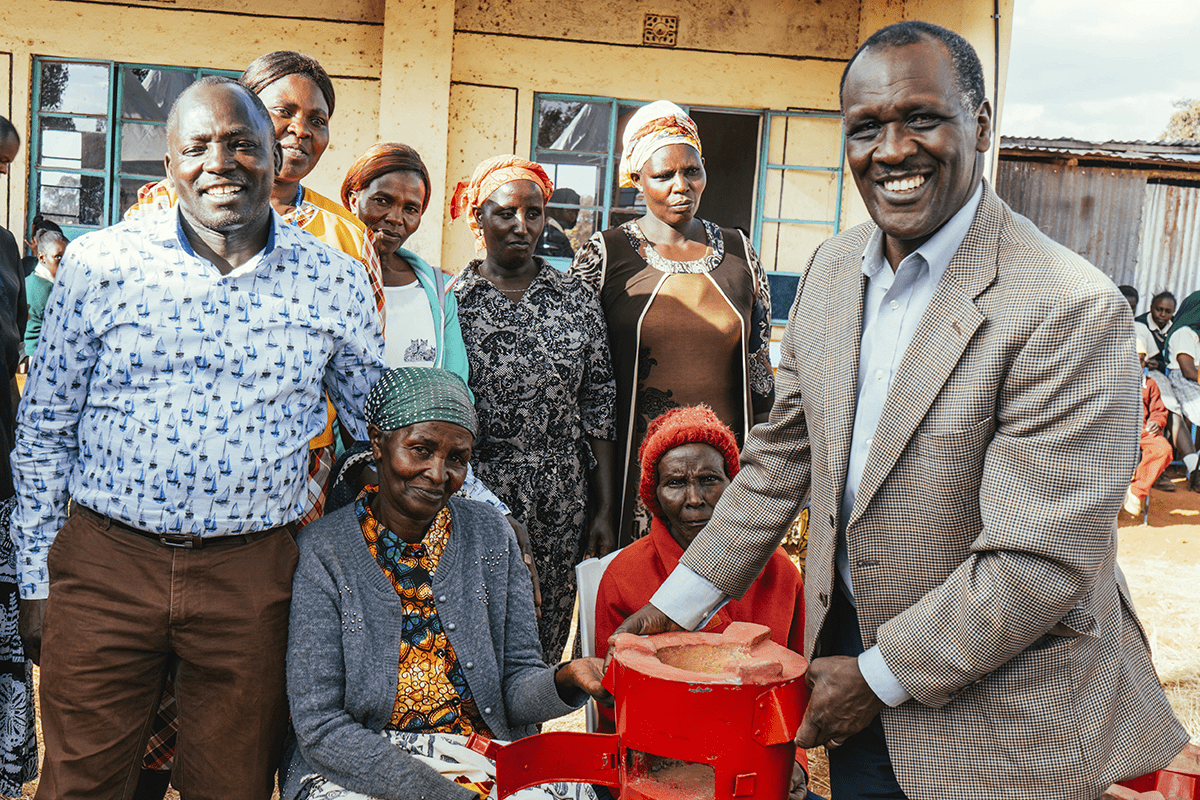
Local people receiving an energy-efficient cookstove - Hongera Energy Efficient Cookstoves Project, Kenya, Green Earth.
Environmental sustainability
Environmental sustainability keeps natural ecosystems healthy and productive over the long term, using resources at a pace that allows them to regenerate. It rests on a simple principle: draw on natural systems slowly enough that soil, water, forests, and biodiversity remain available for the future. For a company, this begins with understanding where its operations and supply chains depend on nature.
Read more: Why is environmental sustainability essential?
Protecting natural resources is central to that dependence. Water, soil, timber, and raw materials feed most industrial activity, and each is finite. Depleting them raises cost and risk across a supply chain, and it erodes the ecosystems that regulate air and water quality. Restoring degraded land and safeguarding high-value habitats reverses some of that damage and builds resilience against future disruption.
Read more: Why we need to restore high-priority areas like Africa
Reducing environmental impact then follows two tracks: using fewer resources through efficiency, and taking responsibility for the impact that remains. Green Earth develops verified, nature-based projects that let businesses do the second at scale, channelling finance into reforestation, agroforestry, and ecosystem restoration that delivers measurable environmental benefit. Verified projects like these give businesses a credible route to act on the impact left after reduction.

Young, green corn seedling, agricultural farm field.
Economic sustainability
Economic sustainability maintains productivity and growth over the long term through the responsible, efficient use of resources. It depends on a stable economy that provides secure employment, income stability, and access to opportunity, which in turn encourages the investment and innovation that keep businesses competitive. A stable economy also supplies the resources and infrastructure needed to fund environmental and social progress.
Read more: Sustainability simplified: Carbon footprinting for beginners
Responsible investment is one of the strongest levers. Socially responsible investing weighs environmental, social, and governance (ESG) factors alongside financial return, directing capital towards companies and projects that create value without depleting natural or social capital. Mechanisms such as carbon project financing show how this works in practice, funding restoration that produces both environmental benefit and economic return.
Read more: Sustainability simplified II: Carbon units for beginners
Resilient local supply chains and fair labour practices complete the picture. Sourcing locally supports regional economies, shortens supply lines, and lowers transport emissions, and fair wages and safe conditions strengthen both productivity and reputation. Green Earth’s projects are built to support and empower the communities around them, so that economic value stays local. Our work in Kenya shows how high-quality carbon projects can anchor a stable local economy.
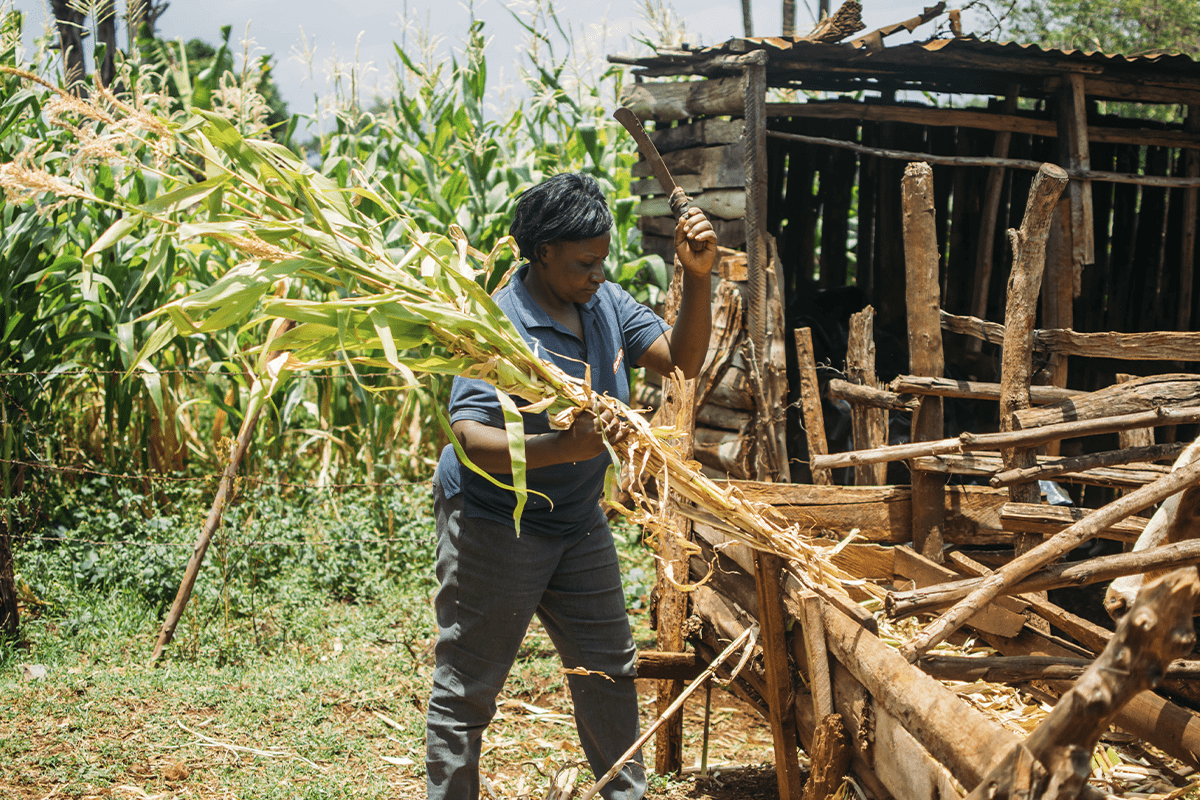
Local woman harvesting wheat - Hongera Energy Efficient Cookstoves Project, Kenya, Green Earth.
Social sustainability
Social sustainability helps a society, and a workforce within it, meet its members’ needs and maintain cohesion, equity, and diversity over the long term. It covers access to basic rights such as healthcare, education, and secure employment, and it extends to social justice, inclusion, and the preservation of cultural identity. For a business, social sustainability is what keeps a workforce and its surrounding communities stable and engaged.
Read more: What makes Green Earth’s reforestation projects unique?
Community engagement sits at the heart of it. Involving local people in decisions ensures that projects meet real needs and earn lasting support, and it builds the social capital that makes change stick. Access to education and healthcare reinforces this, giving people the means to participate fully and share in the benefits that sustainable development creates.
Diversity and inclusion strengthen the picture further. Workplaces that value different backgrounds and perspectives solve problems more creatively and reflect the communities they serve. Sustainability efforts also engage employees directly: initiatives such as tree planting give staff a tangible connection to the company’s environmental commitments and a sense of shared purpose.
Read more: How tree planting can boost employee engagement
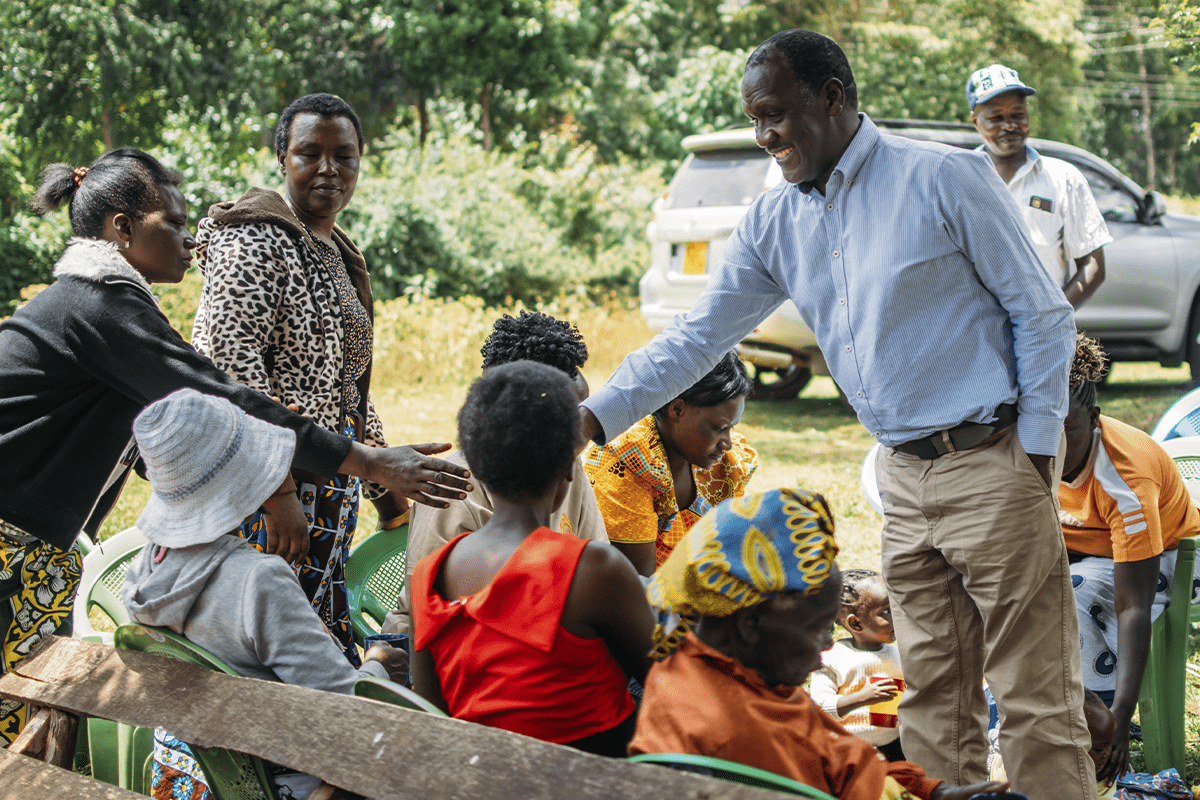
Local engagement - Hongera Energy Efficient Cookstoves Project, Kenya, Green Earth.
Sustainability in practice for business
The three pillars translate into practice across every part of an organisation. The most useful starting point is lifecycle thinking: understanding the impact of a product or service from raw materials through to end of use. A life cycle assessment reveals where the largest environmental costs sit, which is often well outside a company’s own walls, and where action will make the most difference.
Read more: What is a life cycle assessment, and why does it matter?
Impact also varies sharply by industry. A manufacturer, a logistics operator, and a food producer each carry a different environmental footprint, and each faces a different decarbonisation path. Recognising where a business sits on that map is the first step to a credible plan. The sections that follow set out the practices that matter most across land and agriculture, energy and buildings, transport, and materials.
Read more: Industries with the biggest nature footprints and what their decarbonisation looks like
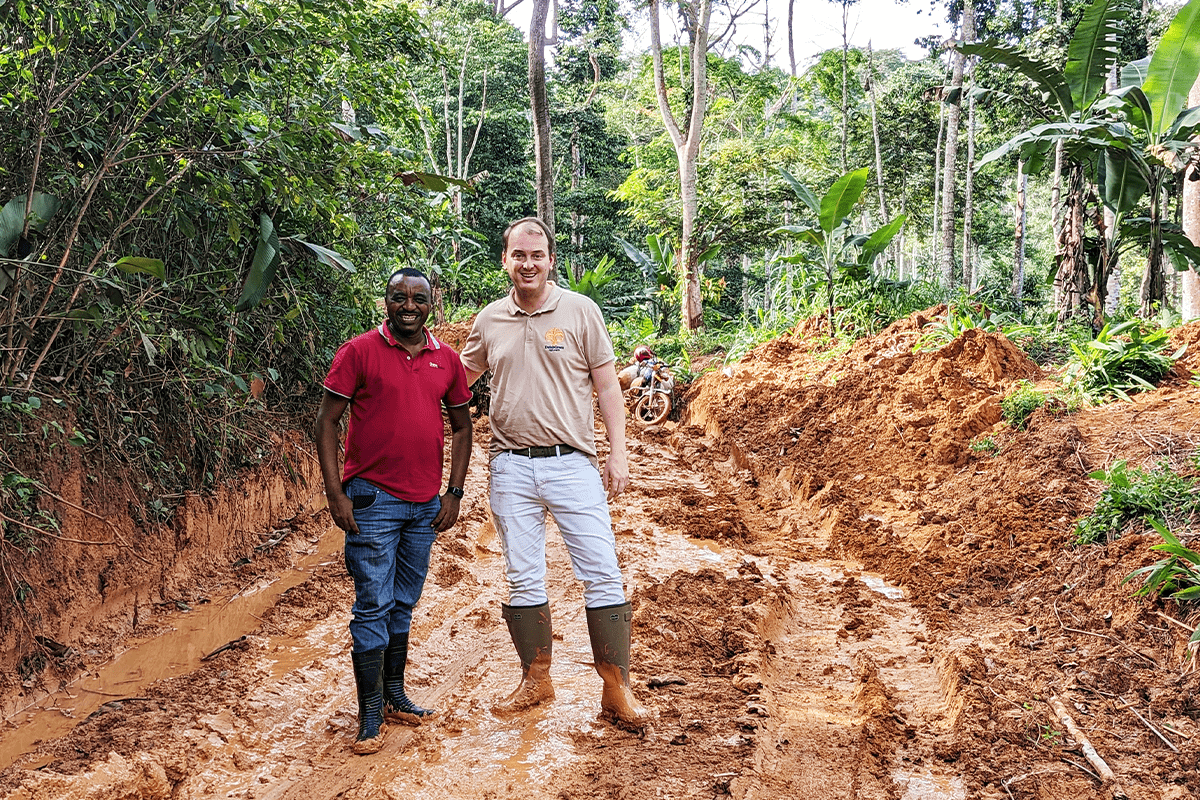
Theo Oben with CEO Selwyn Duijvestijn on newly dug roads - Greenzone Afforestation Project, Cameroon, Green Earth.
Land, agriculture, and food systems
Sustainable land and food systems protect soil health, use water efficiently, support biodiversity, and keep production viable. They matter to any business with agriculture in its supply chain, because degraded soil, water stress, and biodiversity loss translate directly into supply risk and rising cost. Managing land well protects both the resource and the businesses that depend on it.
Read more: Dry farming: growing crops without irrigation
Regenerative agriculture rebuilds the resource base rather than depleting it. Practices such as crop rotation, cover cropping, no-till farming, and integrating livestock restore soil fertility, capture carbon in the ground, and improve water-holding capacity. The result is a farming system that is more resilient to drought and flood, and often more profitable as input costs fall and yields hold.
Read more: Agroforestry explained: a guide to regenerative farming
Agroforestry takes this further by combining trees with crops or livestock. The trees provide soil conservation, carbon sequestration, biodiversity habitat, and water management, alongside additional income from timber, fruit, and other products. Organic methods complement these approaches by reducing reliance on synthetic pesticides and fertilisers, building healthy soil and protecting the wider ecosystem.
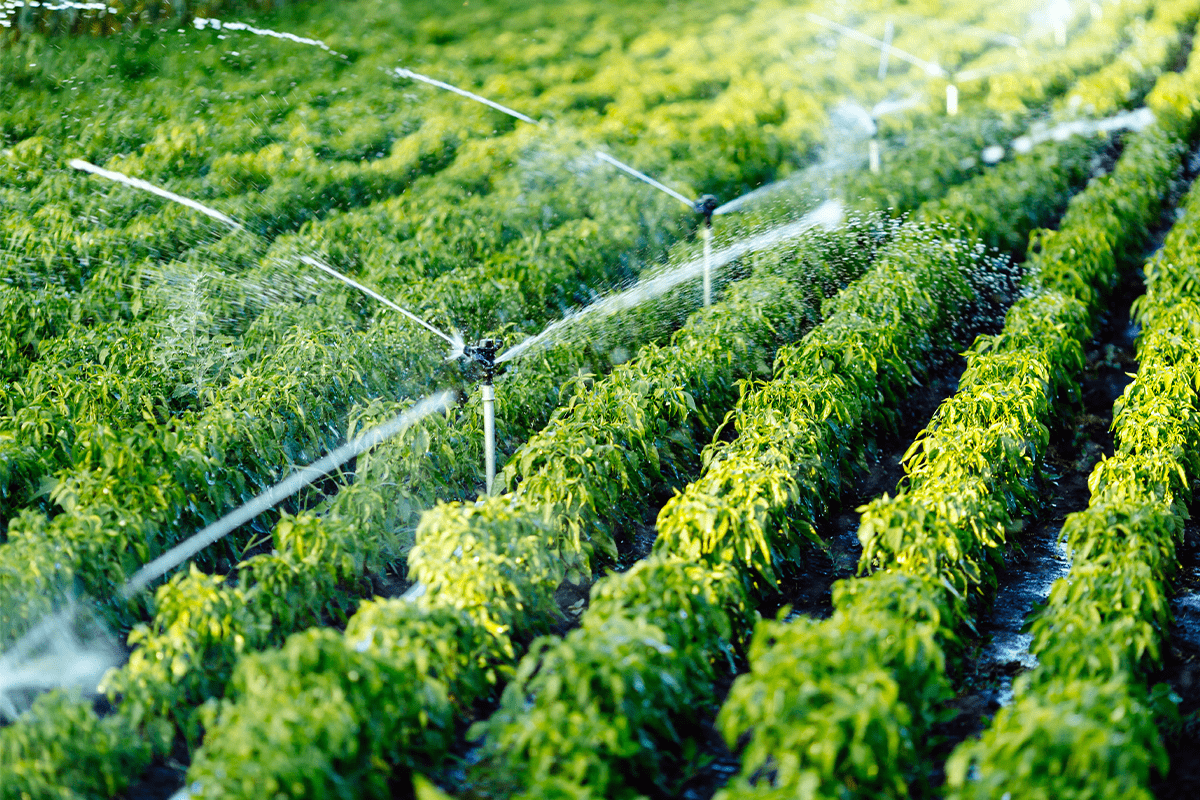
Irrigation system watering plants.
Energy and buildings
Cleaner energy is the foundation of most decarbonisation plans. Renewable sources such as solar, wind, and hydropower are abundant and low-carbon, and shifting to them reduces dependence on finite fuels and strengthens energy security. For many businesses, on-site generation and renewable procurement also stabilise energy costs over the long term.
Read more: The history and future of renewable energy
Buildings offer some of the largest efficiency gains available. Thoughtful design, better insulation, natural ventilation, and efficient lighting cut the energy a building uses across its whole life, lowering both cost and impact. Choosing low-impact building materials, including recycled content and sustainably sourced timber, reduces the footprint embodied in construction itself.
Read more: The carbon-neutral future of commercial real estate
Green infrastructure extends sustainability into the spaces around buildings. Sustainable landscaping uses plants and design that need less water and maintenance and that support biodiversity, and it helps cool urban areas, ease flooding, and improve air quality. Integrating nature into the built environment makes cities more liveable and more resilient.
Read more: Green infrastructure: how nature can improve urban living
Transport and logistics
Transport is a major source of carbon emissions, so cleaner movement of goods and people delivers some of the quickest gains available to a business. Fleet electrification lowers both emissions and running costs, and well-designed logistics and a shift towards lower-carbon transport modes reduce distance travelled and fuel burned. For companies with distribution at their core, these changes compound quickly.
Read more: How to reduce your business’ travel emissions through nature
Beyond fleets, encouraging public and active travel and rethinking business travel bring emissions down further and improve air quality along the way. The prerequisite for all of this is measurement: a clear picture of where transport emissions arise shows where reductions will count, and measuring your carbon footprint is the first step towards reducing it.
Materials and the circular economy
A circular economy keeps materials in use and designs out waste, replacing the take-make-dispose model that dominates most supply chains. It is built on three ideas: reduce what is used, reuse what already exists, and recycle what remains, so that products and materials stay in circulation and natural systems have room to regenerate. For a business, circularity lowers material cost and exposure to volatile resource prices.
Read more: Net zero and a circular economy: Top 3 opportunities and challenges
Several mechanisms make this practical. Designing products for repair, reuse, and recycling extends their useful life; extended producer responsibility (EPR) makes producers accountable for the full lifecycle of what they sell; and models such as product-as-a-service shift the incentive from selling more units towards keeping products in use. Together these reduce overconsumption and the waste and emissions that come with it.
Read more: The roots of a sustainable future: integrating trees into a circular economy
Challenges and priorities
Two challenges shape the sustainability agenda for business: environmental instability and biodiversity loss. Both carry material financial risk, and both respond to credible, science-based action rather than one-off gestures.
Read more: Overcoming sustainability challenges: practical solutions for your business
Environmental instability
Environmental instability, seen in more frequent droughts, floods, and heatwaves, disrupts operations, supply chains, and the communities a business depends on. The risks are concrete: damaged infrastructure, interrupted supply, and rising insurance and input costs. Smaller companies often feel this most acutely, and practical tools now exist to help them measure exposure and act on it.
Read more: SME sustainability tools: How they help your business grow
Reducing carbon emissions across the value chain is the primary response, achieved through renewable energy, efficiency, and sustainable practices in agriculture and land use. Science-based targets give this structure. The Science Based Targets initiative (SBTi) published its Corporate Net-Zero Standard V2.0 in June 2026, shifting the emphasis towards real-world implementation and recognising high-integrity carbon credits as a complement to emissions reductions rather than a substitute. That balance, reduce first and take responsibility for what remains, is exactly where nature-based projects add value.
Read more: The new SBTi Corporate Net-Zero Standard: what it means for business
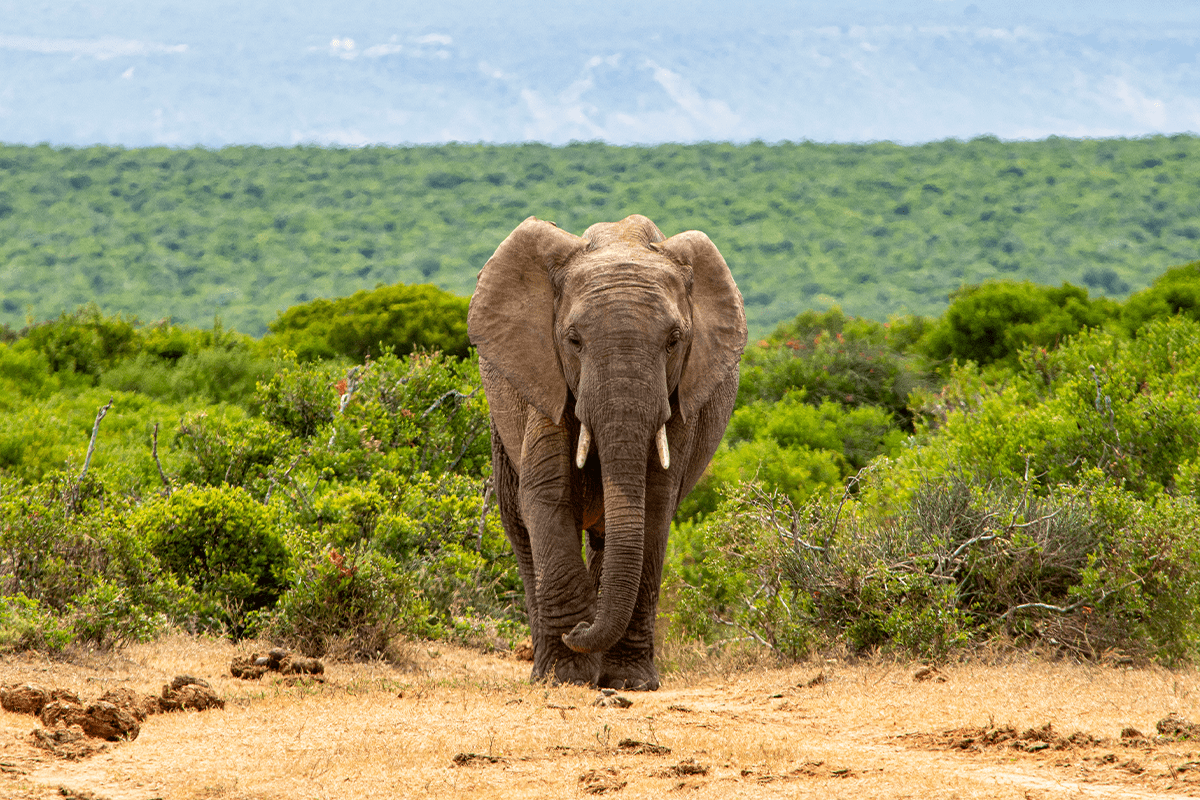 African elephant roaming the bushveld.
Biodiversity loss
Biodiversity underpins the ecosystem services businesses rely on, such as clean water, pollination, healthy soil, and stable supply chains. Its decline, driven by habitat loss, degradation, and overexploitation, removes the natural foundations that production and trade take for granted. Biodiversity also holds direct economic value, supporting food, medicine, tourism, and countless raw materials.
Read more: Why is biodiversity important?
The effects of biodiversity loss ripple through ecosystems and economies alike. As species and habitats disappear, the services they provide weaken, raising costs and risks for the businesses and communities that depend on them. Understanding these links is the first step towards managing the risk.
Read more: How biodiversity loss impacts ecosystems and what we can do to help
Protecting and restoring ecosystems reverses part of this decline. Conservation of high-value habitats, sustainable land use, and active restoration such as reforestation and wetland recovery rebuild natural capital and strengthen resilience. Trees play a central role, regulating water, stabilising soil, and supporting the biodiversity that keeps landscapes productive.
Read more: The importance of trees in water conservation
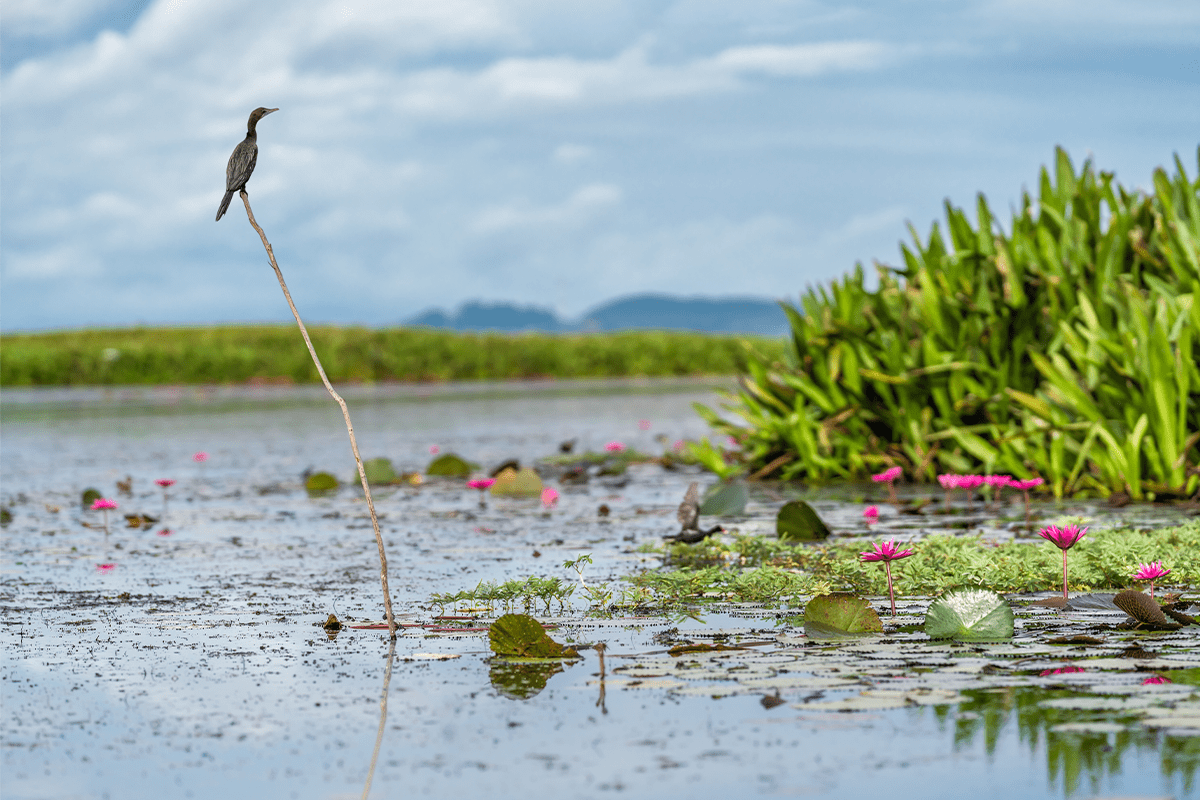
Thale Noi wetland, Thailand.
How Green Earth supports sustainability through nature
Green Earth’s mission is to help nature prosper. As an end-to-end project developer with oversight of the full supply chain, we help businesses become sustainable through nature: measuring impact, then delivering verified environmental, social, and economic benefits on the ground. Our projects are designed so that nature, communities, and local economies gain together.
Sustainability holds together only when the three pillars advance side by side. Prioritising the health of the planet, its people, and the economy at the same time is how a business builds a liveable, equitable future, and how it stays resilient in the process. The opportunity now is to act, with measurement, verified action, and nature at the centre.



