

x
LATEST ARTICLE Best carbon credit providers for enterprises in 2026 Read Article

Start a carbon project and grow
your harvest and income

Green Earth empowers landowners and farmers to establish a sustainable income system through our cost-effective carbon projects for landowners. With Green Earth's expertise in carbon project development, we can help you turn your land into a source of positive change for the environment whilst earning an income.

Benefit your land

Why start a carbon project?

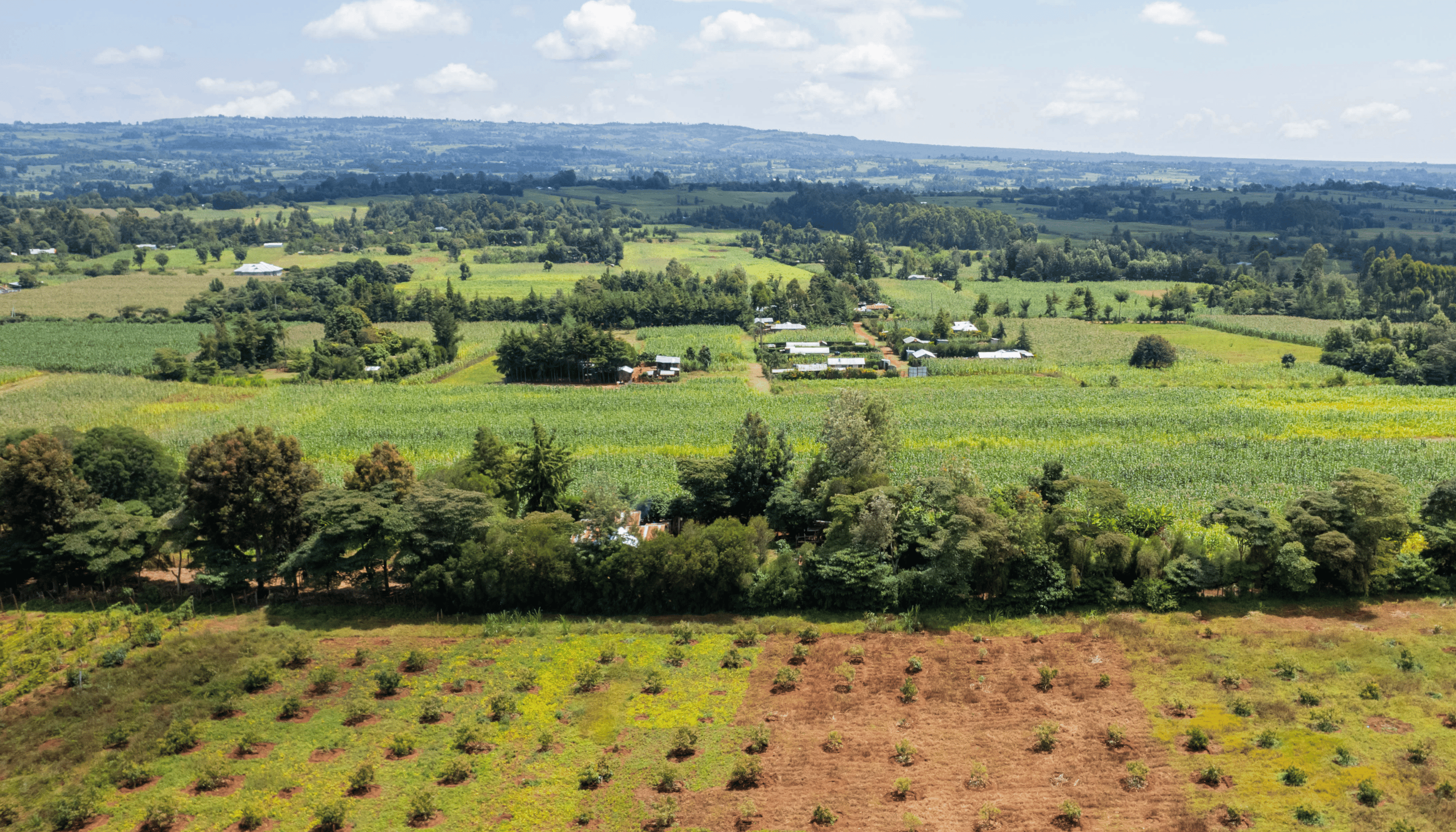
Carbon projects like reforestation and sustainable land management can provide many benefits for you and your land. They can enhance soil health, boost biodiversity, improve water quality, and promote sustainable agriculture through soil carbon sequestration. They can also provide additional income and contribute to long-term sustainability.

Through our Conservation Agreement, we can offer a 30-year contract that pays landowners and farmers for land enrolled in the project programme. Our team of experts assesses and monitors the success of each project, ensuring that the project meets its goals and provides the desired positive impact on the environment and sustainable outcomes for the landowner.

carbon credit project development

How we do it

4 Steps to starting a carbon project

These are the four steps to certify a carbon project with Green Earth, from first contact to credit issuance.
1

Submit your project proposal

Submit a carbon project proposal on our website using the form and provide all the details required for us to evaluate your project to see if it will be feasible.

2

Pre-feasibility

A carbon project is evaluated to check if it is in line with our strategy and has a value potential. An early analysis of risks, opportunities, and opportunity costs is done.

3

Feasibility

A detailed technical feasibility assessment is done to map the project's economic, social, and environmental impacts and opportunities alongside risk analysis and costs.

4

Project design

If the project is feasible and complies with our standards, project documentation is drafted by our experts, and agreements are entered into with the landowner and relevant stakeholders. 

5

Project implementation

Projects are independently validated under leading standards. They are continuously monitored to ensure carbon capture. Then, carbon credits are issued and income earned.

We lead our carbon projects from the field

System management

A carbon offset project starts with how a system is set up. Our project teams work with landowners on cropping systems, green-manure cycles, compost extracts, and integrated livestock, to build the positive feedback loops that lift soil organic carbon over time.

Conventional practices

Many of the lands we work with come out of monoculture cropping, intensive tilling, and chemical inputs. We do not ask farmers to abandon their existing systems overnight. We introduce eco-compatible adjustments that raise organic carbon and reduce environmental impact while keeping the farm operating.

Training and expertise

Our agronomy teams train landowners and farmers on the practices that improve both carbon outcomes and yield. On one of our coffee programmes, training has helped farmers increase yield from 20 kg to 200 kg per tree.

Data analysis

Soil carbon rates increase through biological processes that we monitor and model. Our data analysis shows that the same biological activity that lifts soil carbon also improves root systems and accelerates plant growth, meaning the gains compound.

Demonstrating real outcomes

Get started with Green Earth today

Carbon project development can bring a range of benefits to your community, including new sources of income, the preservation of natural habitats, and improved biodiversity.

With a proven global track record, Green Earth designs and manages carbon projects that deliver real value for the environment, landowners, and local communities. Contact us today to learn how to start a carbon offset project on your land.

Frequently asked questions

What are the requirements for land?

We support all farmers who are willing to adopt more sustainable farming methods and meet the basic requirements for carbon credits. We provide value for every farmer. Just submit your project idea, and we will review your land.

If your land is feasible for a project and complies with our standards, Green Earth will partner with you to adopt good practices for your farm and help you get paid for the credits you generate. Examples include adding cover crops, reducing tillage, and other methods that benefit your soil and bottom line as well as our planet. Through Green Earth, the increased soil carbon sequestration and reduced carbon emissions from these practices generate registry-issued carbon credits, which are increasingly in demand by major corporations. 

What are the farmer's responsibilities?

As the farmer, you need to take care of the trees planted on your land and the soil according to our guidelines. You have to ensure trees are cared for, watered, and not cut down over the long term. 

Green Earth provides the project funding, training, and tree seedlings. We also cover credit verification and soil sampling costs, and we act as your committed partner in actively working to connect with buyers and sell credits at good market prices. Our expert team will support your carbon journey with long-term contracts and agronomic support. Together, we'll get the most value from carbon farming long-term, both from carbon credit income and soil health improvements. So basically, farmers do the farming and we handle the rest.

How much can a farmer get paid?

Prices vary based on farm location and size. However, growers participate in sharing in a portion of the payment per carbon credit, so landowners know exactly how to get paid for carbon credits from the start. 

I own 20,000 ha of land. How can Green Earth help, and how do I financially benefit?

Large landowners with 10,000 hectares or more of suitable land can benefit financially from the sale of carbon credits. Prices vary based on the land's location and size, but landholders receive a minimum payment per carbon credit. 


I have access to a large community. How can Green Earth help, and how do I financially benefit?

We support communities who are willing to adopt more sustainable land-use practices and have legal access to suitable land. Examples include increasing tree coverage and improving soil quality. The methods improve the land and also generate registry-issued carbon credits, which are increasingly in demand by major corporations and provide a new source of income for the community.


How do farmers store carbon in soil?

As plants in the field grow, they naturally absorb carbon from the atmosphere and store it in the soil through their roots. The amount of carbon stored can depend on the soil type of the land and the climate in which it is located. The land also has to be maintained and not cleared to ensure the carbon stays in the soil. 

How do I submit a carbon project proposal?

Submit your proposal through our website, and we will review all your details and determine if your land is suitable for a carbon project. We do not require upfront fees or acreage minimums to participate. Cutting-edge technology, a data-driven approach, and third-party verification ensure that Green Earth can rapidly start and accelerate viable projects.