
Nature conservation
Cookstoves
Project updates
Nigeria
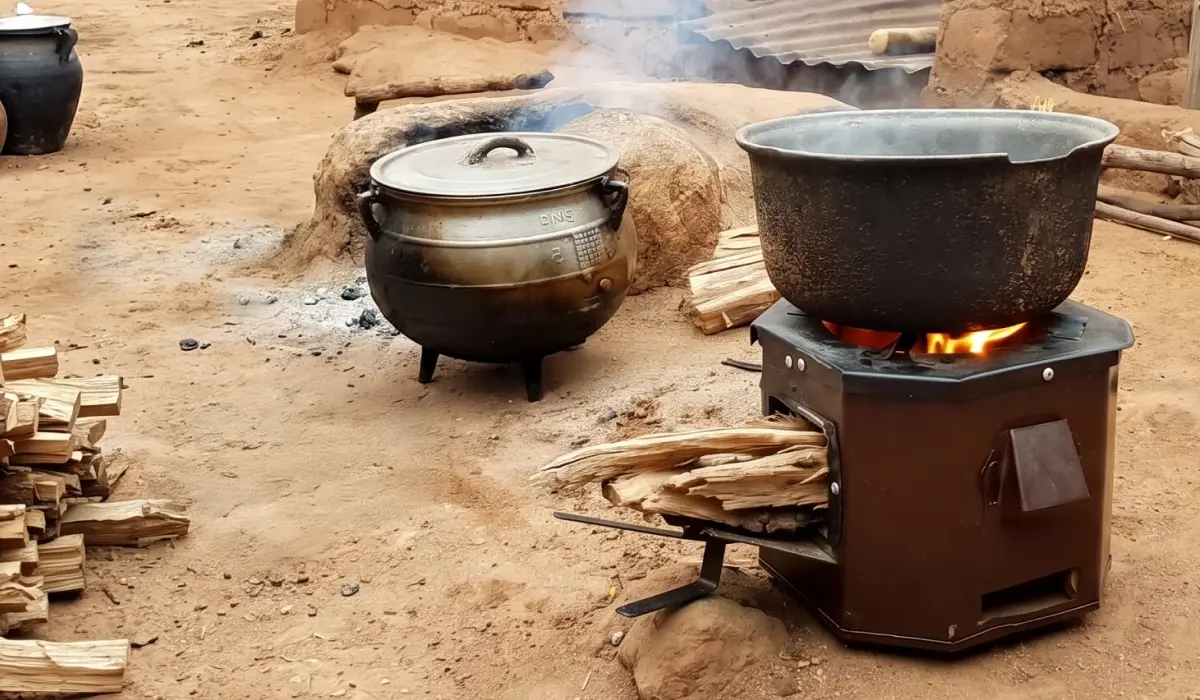
A Kitchen Performance Test (KPT) has delivered field-tested results of the Green Earth Sauki Cookstove Project across two Nigerian states. Conducted in Niger State and Nasarawa State in April, the test engaged 65 households and produced ground-based evidence of the cookstove's performance, a critical step on the path to Gold Standard certification.
The KPT followed a structured two-phase protocol over six consecutive cooking days, excluding Sundays, to reflect normal household routines.
Baseline phase (Days 1–3): Households used their traditional three-stone cooking method. Firewood was supplied and carefully weighed before and after each cooking session to establish a reliable consumption benchmark.
Project phase (Days 4–6): The same households transitioned to using the Green Earth Sauki cookstove under identical monitored conditions. Fuel consumption was measured in the same way, enabling a direct comparison with the baseline.
The comparative analysis demonstrated a significant reduction in fuel consumption, alongside improved cooking efficiency, providing strong empirical evidence of the Sauki cookstove's performance.
Read more: Local consultations strengthen readiness for clean cooking in Nigeria
The test was carried out by field enumerators, with local implementation support from Roshan Renewable Technology and project supervision by Green Earth’s local Project Manager.
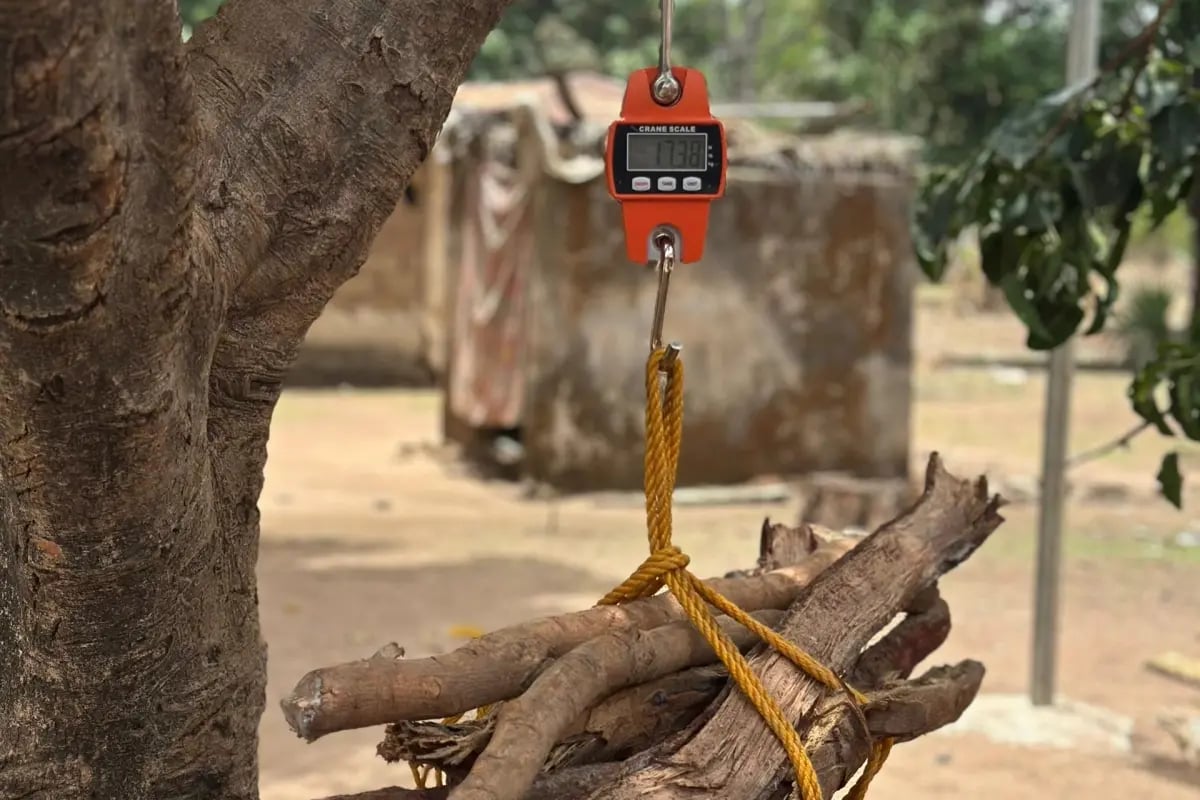 Data analysis and collection conducted during the KPT. Green Earth Sauki Cookstove Project.
The KPT represents a key milestone in the Green Earth Sauki Cookstove Nigeria Project. The data collected provides credible, field-tested evidence to support monitoring, evaluation, and regulatory compliance processes, including eligibility for carbon credit accreditation through internationally recognised standards.
This evidence also strengthens the foundation for carbon financing and enhances stakeholder confidence in the project's capacity to scale clean cooking solutions across Nigeria.
Seeing the genuine excitement and gratitude from households, even during a test phase, affirmed the real impact of the Sauki cookstove. Users could already feel the difference in fuel savings and cooking efficiency.
Theophilus Agonor
Project Manager, Green Earth
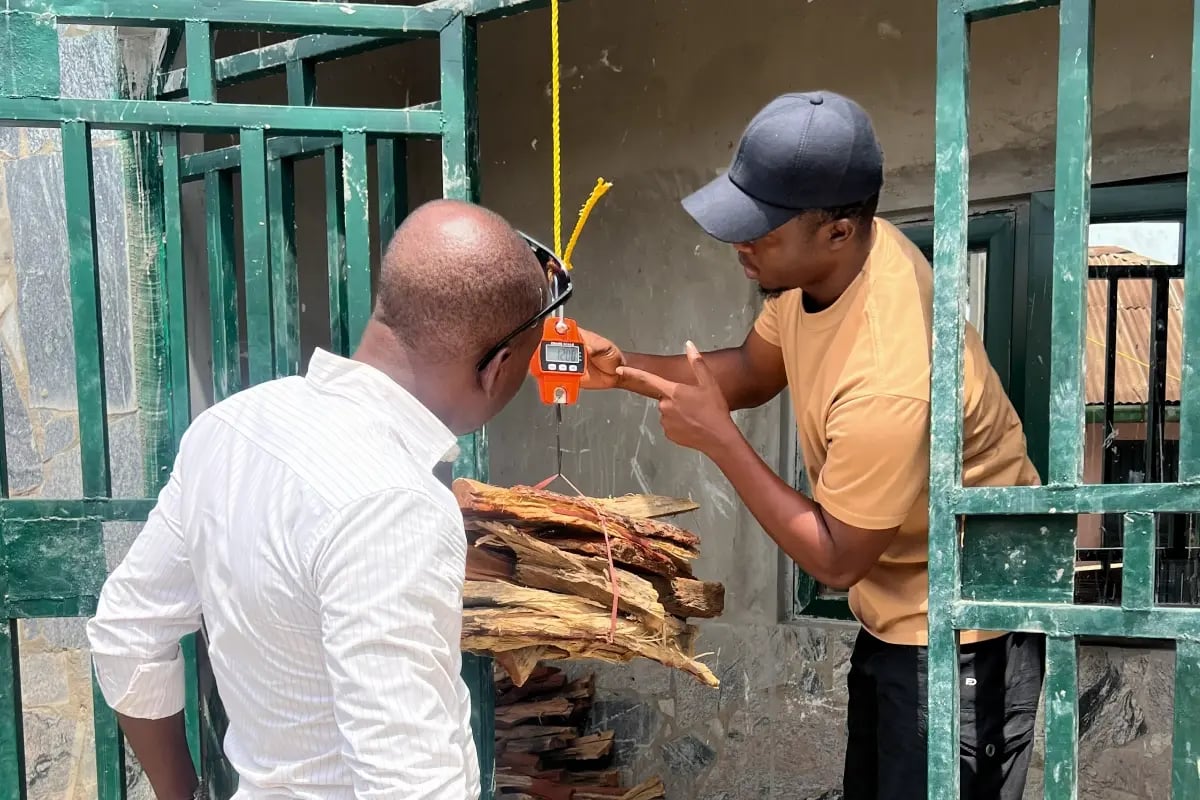 Monitoring, analysis, and data collection activities conducted by Theophilus Agonor during the KPT. Green Earth Sauki Cookstove Project.
The results recorded across all 65 households were consistent and measurable: fuel consumption fell significantly once the Sauki cookstove replaced the traditional three-stone fire. Real-time, household-level data collected throughout every cooking session gives those findings the empirical weight needed for Gold Standard certification.
Read more: Green Earth’s cookstove projects: How they truly make a difference
The Green Earth Sauki Cookstove Nigeria Project is designed to reach hundreds of thousands of households across North Central Nigeria, and the KPT results bring that scale one step closer to reality. For the women and children who spend the most time in the kitchen, the results are tangible: less smoke, less time spent collecting firewood, lower fuel costs, and more hours available for education and economic life. Embedded in the project design, each household is supported with training and maintenance guidance, so the benefits compound over time.
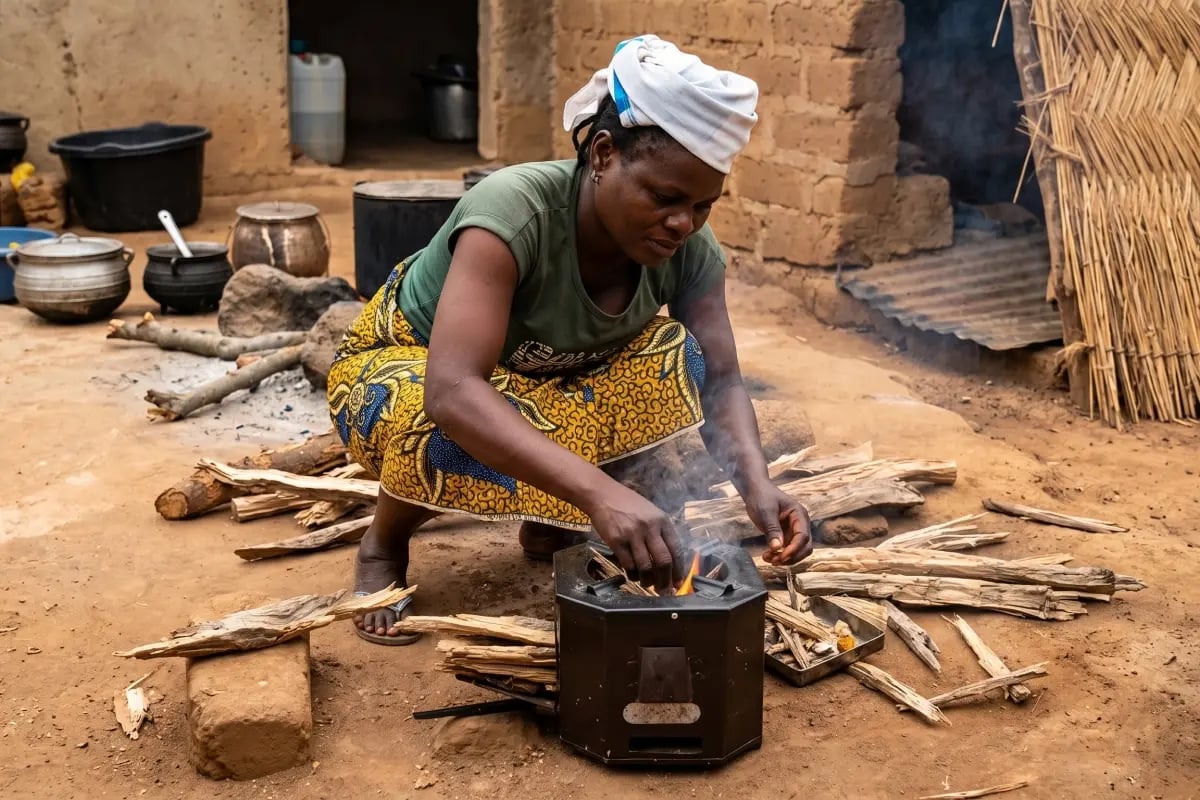 Local woman using a cookstove during the KPT. Green Earth Sauki Cookstove Project.
Protecting the forests that surround these communities is a rationale built into the core of the project. As household demand for firewood falls, so does pressure on local ecosystems, thus preserving water catchment areas and biodiversity that the region depends on. This is what end-to-end project development looks like in practice: impact that moves through a household, into a community, and across a landscape.