
Agroforestry
Coffee
Project updates
Chimpanzee
Uganda
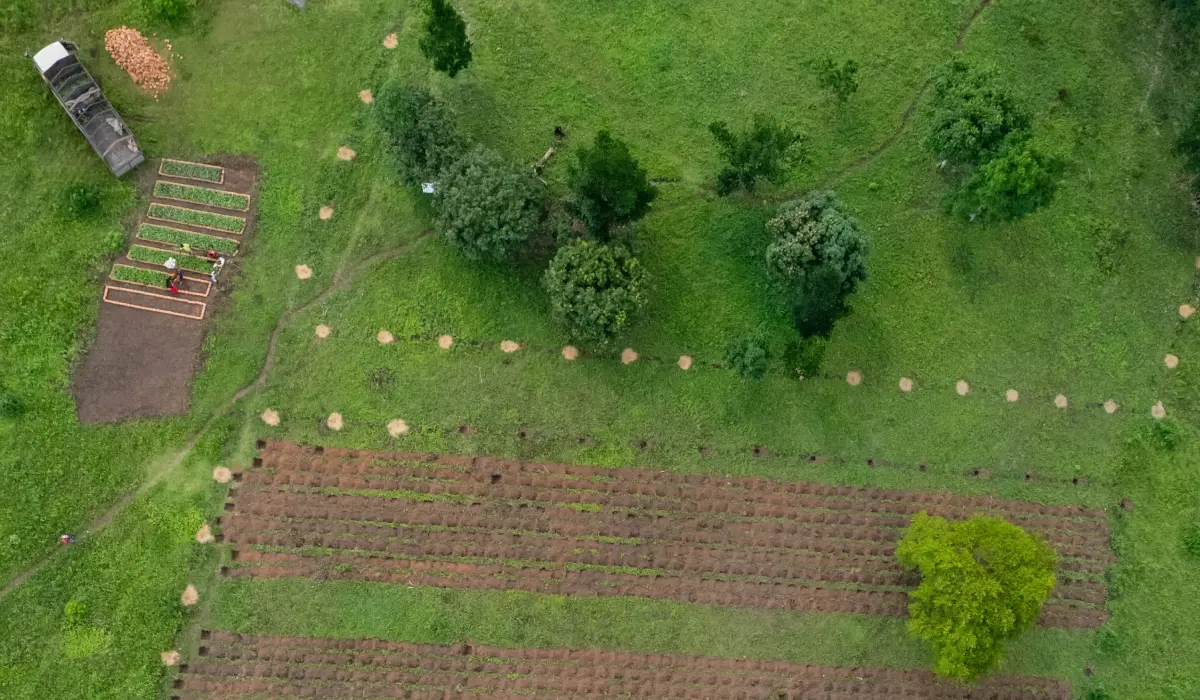
One year after establishment began, the clonal coffee nursery at the Bulindi Agroforestry and Chimpanzee Conservation Project is producing its first cuttings. Known locally as Mwani — the word for coffee in Runyakitara, a language spoken across the region — the nursery has grown from bushland into a fully managed mother garden supplying the wider Bulindi programme.
Establishment began in July 2025. Since then, the team has transformed a stretch of bushland into a thriving mother garden, with five established blocks of mother plants managed regeneratively, fenced, and covered by a shade net structure for production. Temporary workers and a supervisor run the nursery day to day, most of them recruited from the surrounding community, with additional temporary staff brought in when extra support is needed.
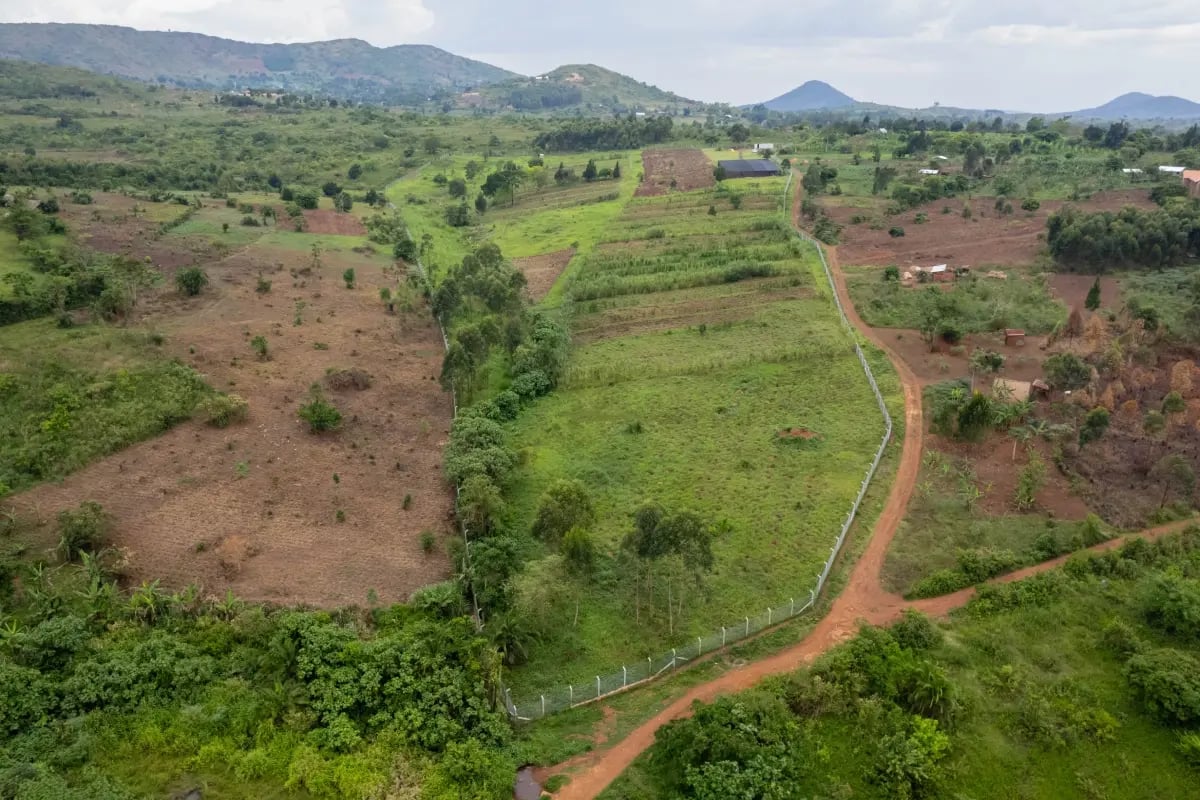 A section of the established mother garden. Bulindi Agroforestry and Chimpanzee Conservation Project, Uganda.
Today, the mother garden is established and healthy. About 25% of the mother plants are already showing signs of readiness for their first harvest, with each plant expected to yield around eight cuttings. The team has also spent the past several months learning to raise cuttings properly, and that investment is showing results: 50,000 cuttings are currently sitting in the rooting shade, with hardening due to begin within the next month. The goal is to have them ready for distribution by early September.
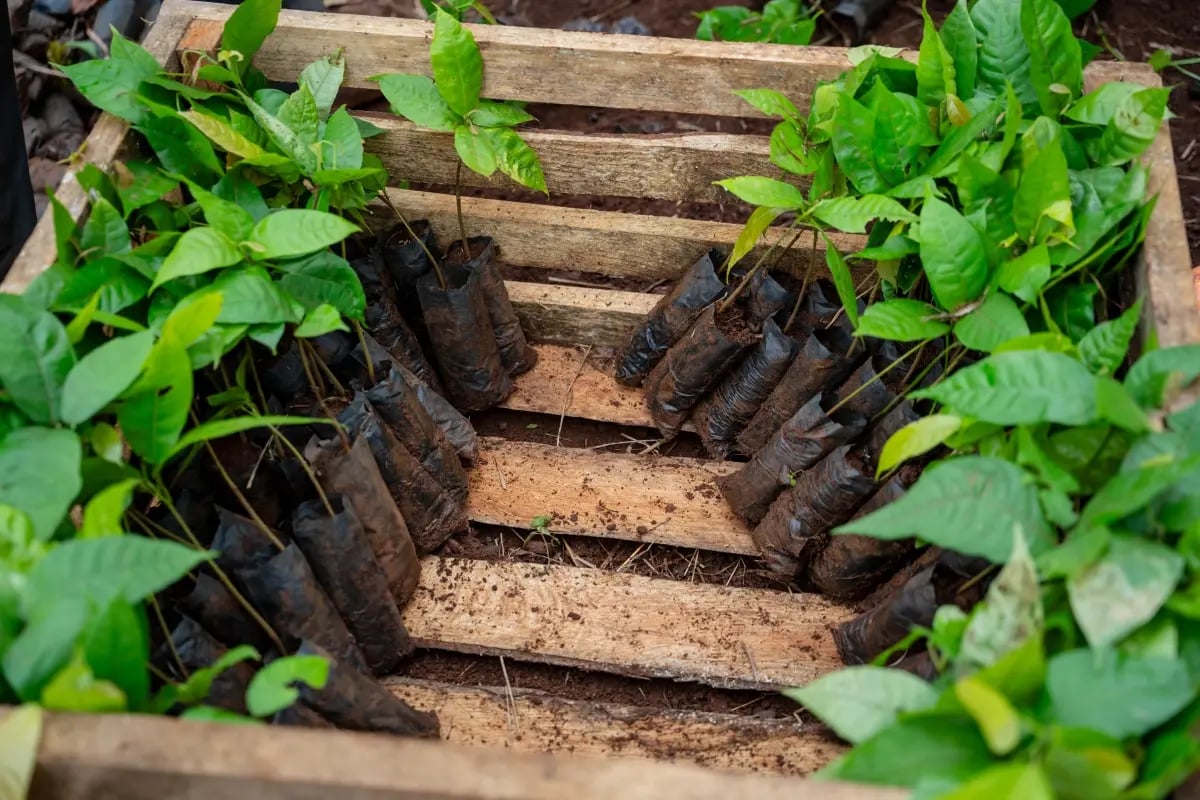 Close-up of the seedlings. Bulindi Agroforestry and Chimpanzee Conservation Project, Uganda.
Looking ahead, the team is adding two more blocks to the mother garden, working towards an annual target of producing enough seedlings to plant more than 500 hectares each year. A demonstration garden has also been set up on site: a space to trial the project's planting model, train farmers directly, and test innovations that improve the survival rate of forestry trees in farmers' fields.
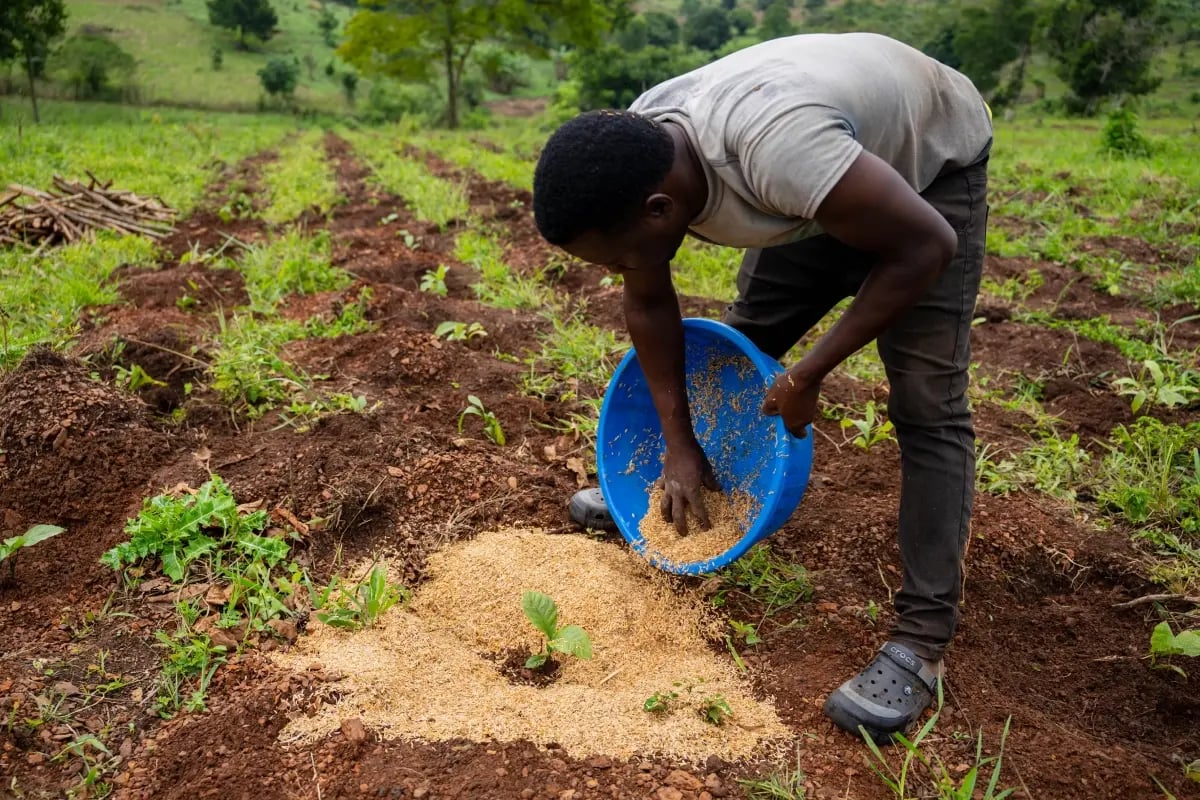 Local farmer planting cuttings in the rooting tunnel. Bulindi Agroforestry and Chimpanzee Conservation Project, Uganda.
As the project scales, so does its need for trained staff and reliable transport. The team has completed training on its new fleet of Kibo motorbikes, acquired to help staff move efficiently between districts. After a technical briefing covering each feature of the bikes, riders worked through the manual, watched instructional videos on adventure (ADV) riding,including weightless riding and handling ruts and unpaved roads, and were tested on the material before finally taking their bikes out on the road.
Read more: The Bulindi project expands its reach across western Uganda
The Bulindi Agroforestry and Chimpanzee Conservation Project supports both nature and people in the Hoima and Masindi districts of western Uganda, a forest corridor linking two major chimpanzee populations in the Budongo and Bugoma forests. More than 300 wild chimpanzees survive in shrinking forest fragments here, and since the 1990s, logging and agricultural conversion have intensified conflict between resident chimpanzees and the communities that share the land.
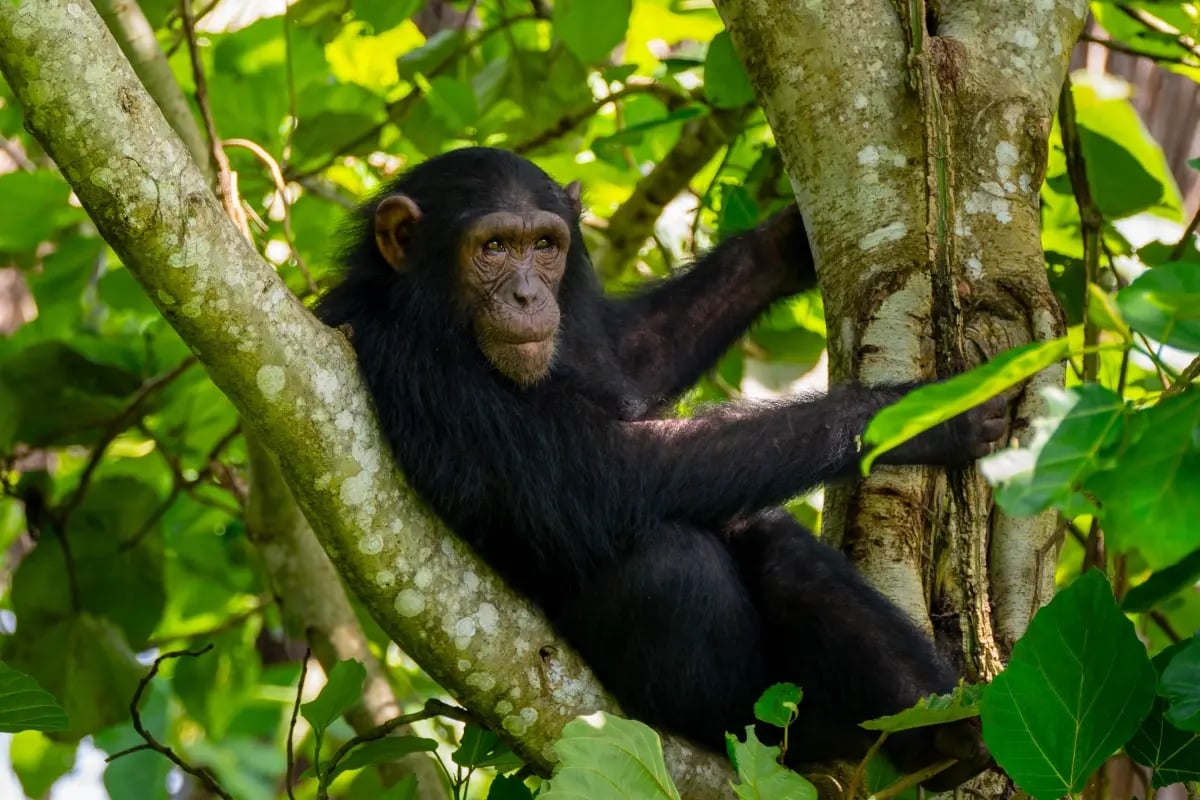 Bulindi chimpanzee in its natural habitat. Bulindi Agroforestry and Chimpanzee Conservation Project, Uganda.
Implemented together with the Bulindi Chimpanzee & Community Project (BCCP), led by Dr Matt McLennan, the project works directly with local households, providing seedlings, training, and support for small-scale projects such as coffee cash-cropping, while forest enrichment planting restores natural food sources for the chimpanzees.
Read more: The social impact of Green Earth’s projects
Our project in Uganda shows what nature-based carbon projects can deliver when they're built for the long term. Every cutting raised in the Mwani nursery, every hectare added to the planting plan, and every farmer trained on site feeds directly into the credits Green Earth brings to market.
This is what end-to-end project development looks like in practice: verified impact for nature, wildlife, and communities, delivered by a team on the ground at every stage. For companies looking to compensate for hard-to-abate emissions within their value chain, Green Earth's nature-based carbon credits offer a high-integrity route to real impact in Uganda and beyond.