
K.R. One in Thailand
SDGs
  • Affordable and Clean Energy
  • Decent Work and Economic Growth
  • Climate Action

K.R. One in Thailand

Project overview

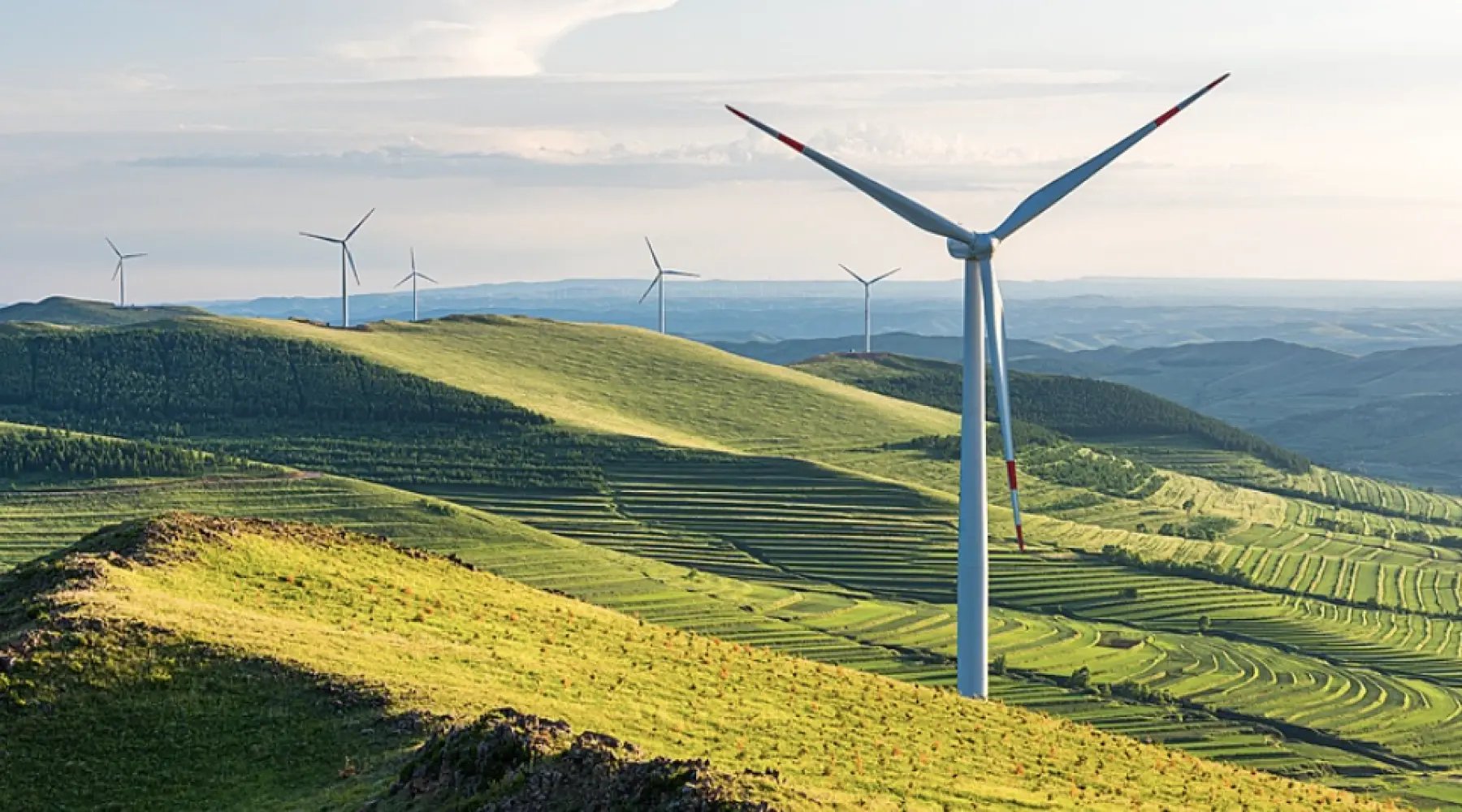
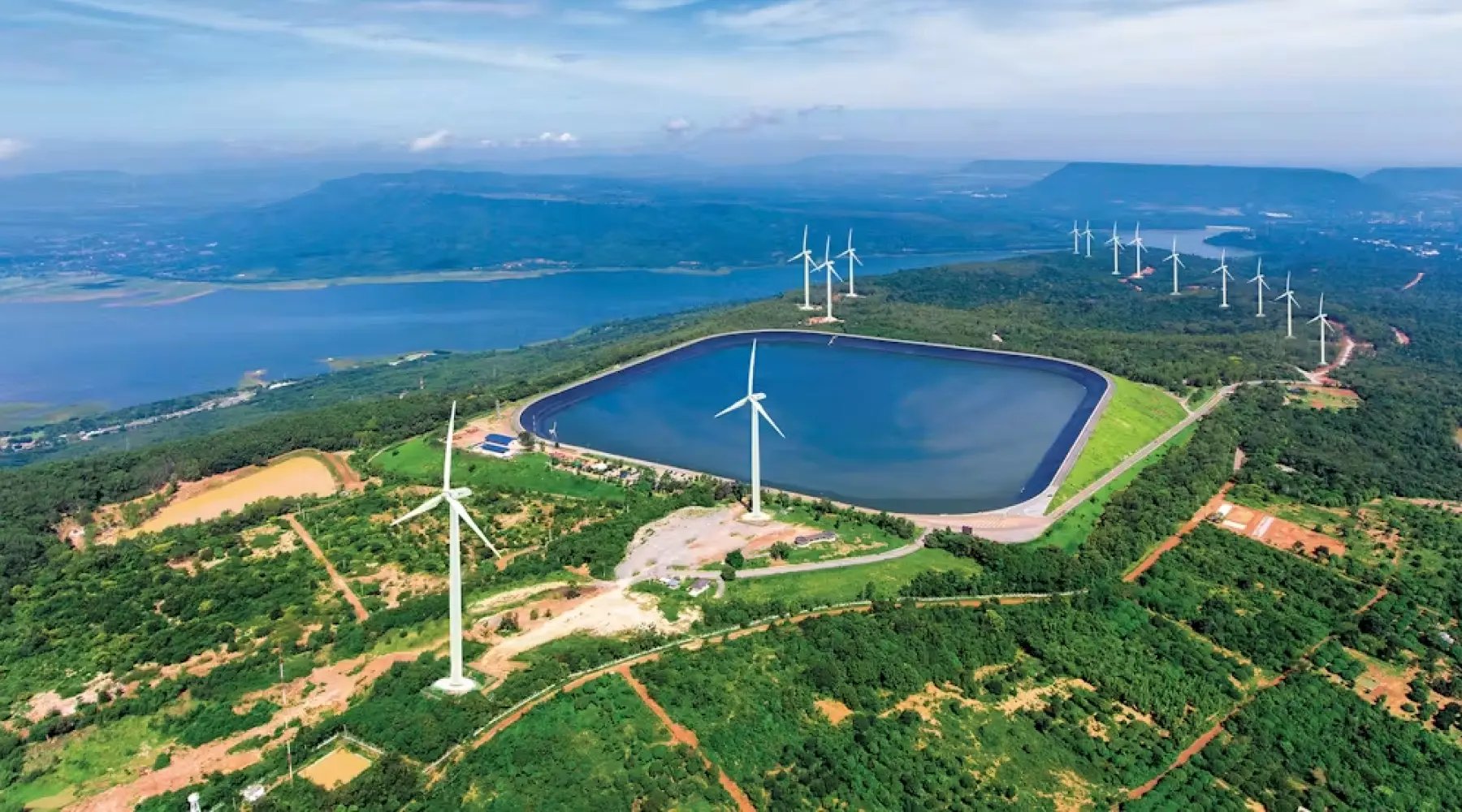
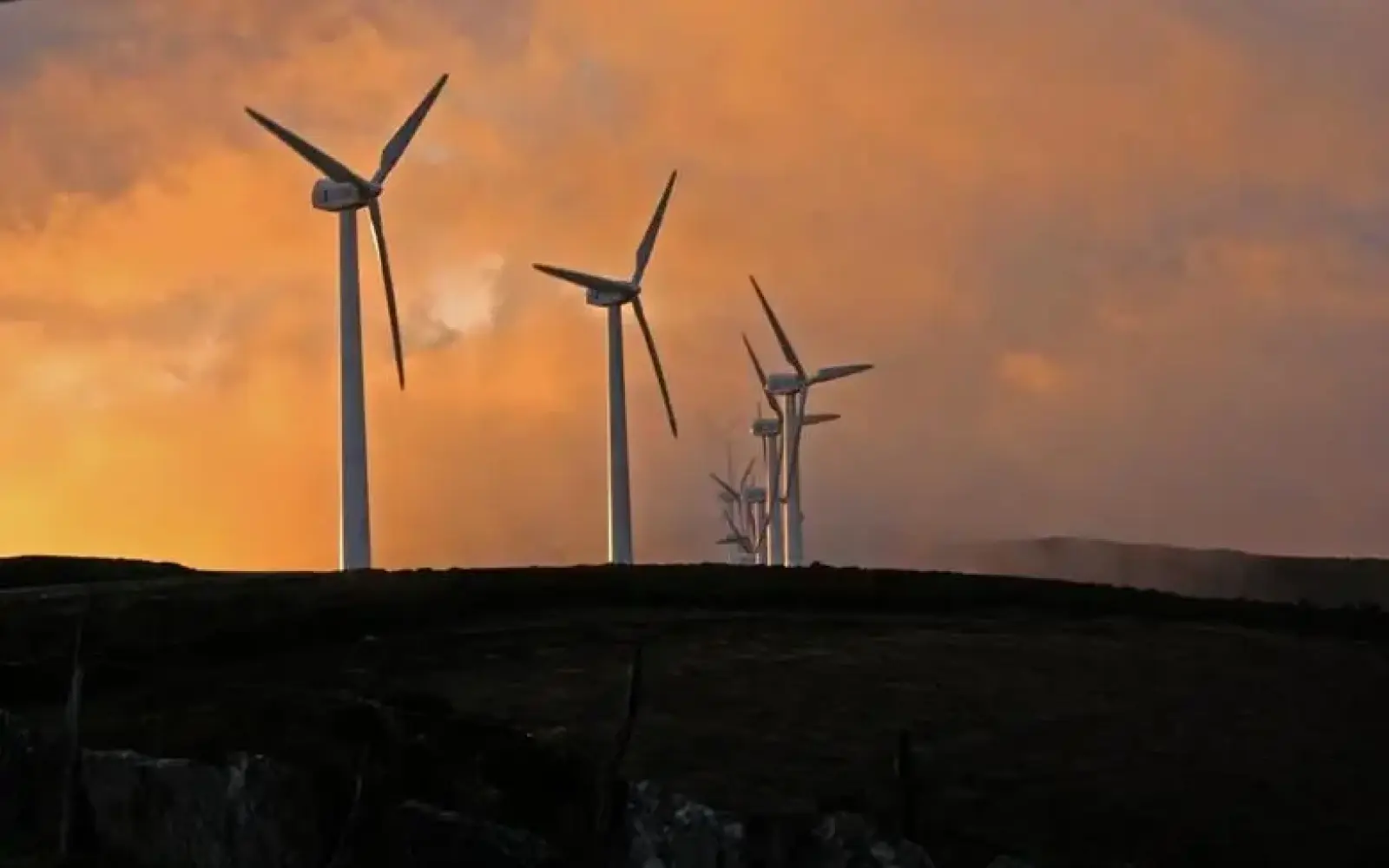
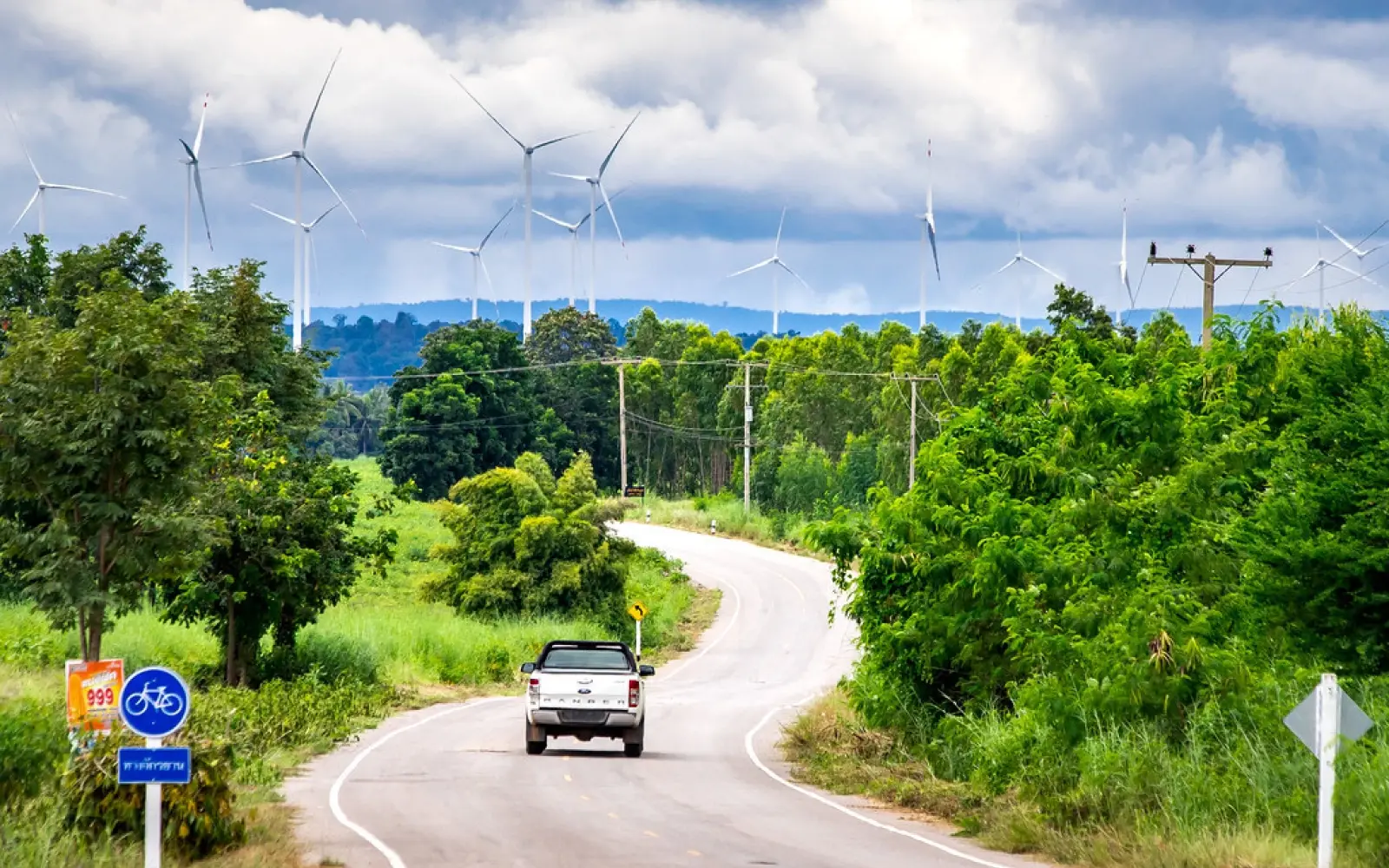
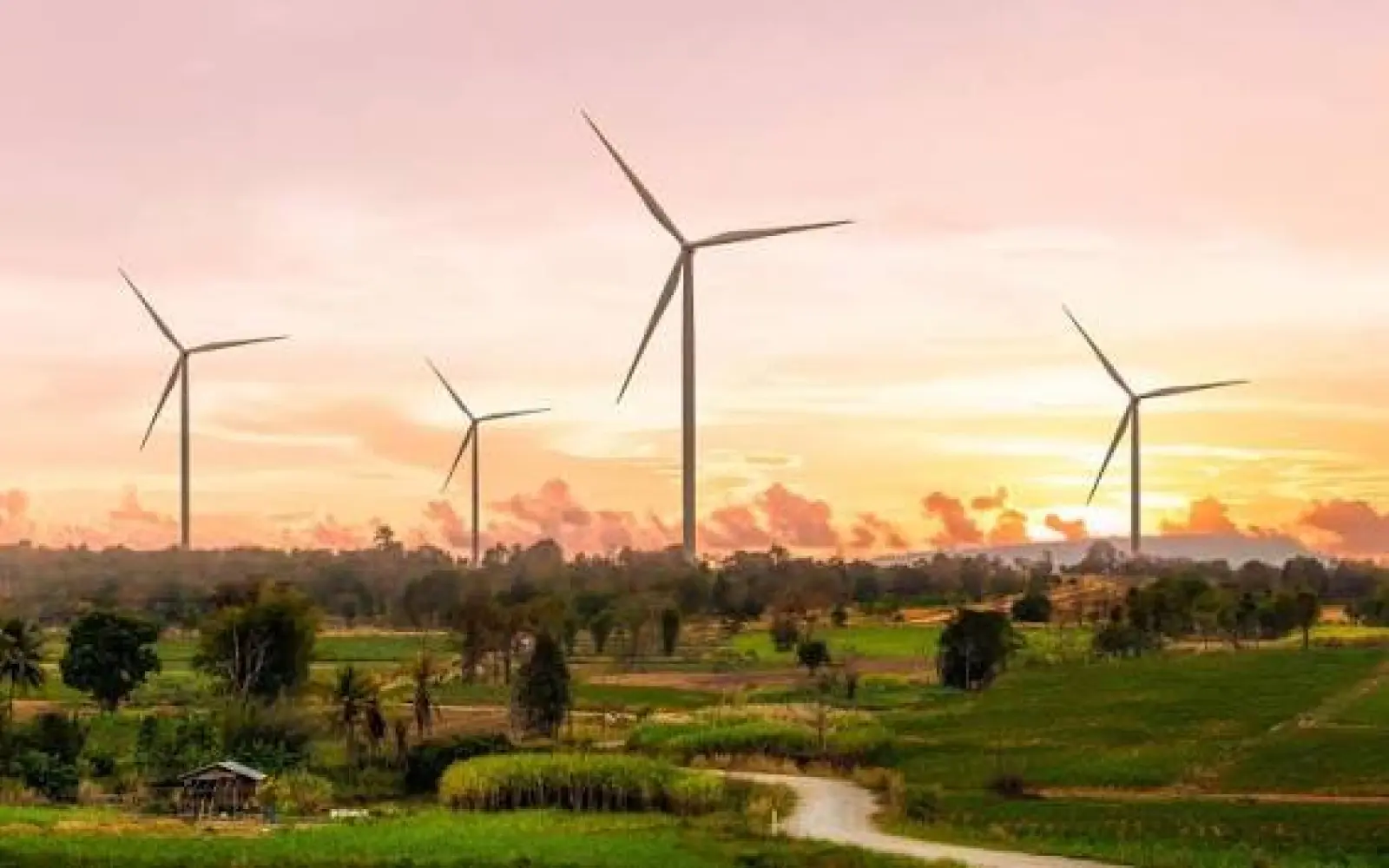
The K.R. One In Thailand Project supplies renewable electricity to Thailand's national grid, displacing power that would otherwise be generated from coal and gas. The project is developed by Energy Absolute Public Company Limited (EA) and is registered with Verra under VCS 2001, using the ACM0002 methodology for grid-connected electricity generation from renewable sources. It is built across the elevated plains of north-eastern Thailand, in the sub-districts of Huai Yai, Wang Thong, and Na Yang Klak, Chaiyaphum Province.

The project avoids an estimated 105,000 tCO₂e per year, supplying over 190,000 MWh of clean, zero-emission electricity annually to the Electricity Generating Authority of Thailand (EGAT). It has a 90 MW installed capacity and displaces fossil generation from Thailand's grid mix, with the avoided emissions calculated against the published grid emission factor. 

Community benefits

  • Rural infrastructure development: The project developer funded and constructed several kilometres of new and improved access roads in Chaiyaphum Province, easing transport and trade for local farming communities.
  • Localised financial stimulus: The project directly boosts the local economy by hiring local security, administrative, and maintenance personnel, and by leasing land under competitive long-term contracts.
  • Community social funds: Ongoing CSR programmes provide financial support to local schools, medical clinics, and rural development programmes in the neighbouring sub-districts.

Environmental and biodiversity benefits

  • Air quality improvement: By displacing coal and gas power plants, the wind farm prevents the release of harmful air pollutants (sulfur dioxide, nitrogen oxides, and particulate matter), significantly improving regional air quality.
  • Zero water consumption: Unlike thermal power plants that require millions of litres of freshwater for cooling, wind power generates electricity with zero water consumption, safeguarding local water tables.
  • Minimal land footprint: The turbine bases occupy a very small physical footprint, allowing local farmers to continue cultivating cassava and other traditional crops directly underneath the wind towers.

Project information

Location Huai Yai, Wang Thong, and Na Yang Klak in Chaiyaphum Province, Thailand
Country Thailand
Developer Energy Absolute Public Company Limited (EA)
Type Wind power, grid-connected renewable energy (emission avoidance)
Methodology ACM0002, Grid-connected electricity generation from renewable sources
Registry listing Verra VCS 2001 
Credit period 7 years, renewable

Certification

Verra-Logo-Plain-Color-PNG 1