Biomass Cookstove Project in Meghalaya (1)
SDGs
  • Good Health and Well-being
  • Gender Equality
  • Affordable and Clean Energy
  • Climate Action

Biomass Cookstove Project in Meghalaya

Project overview

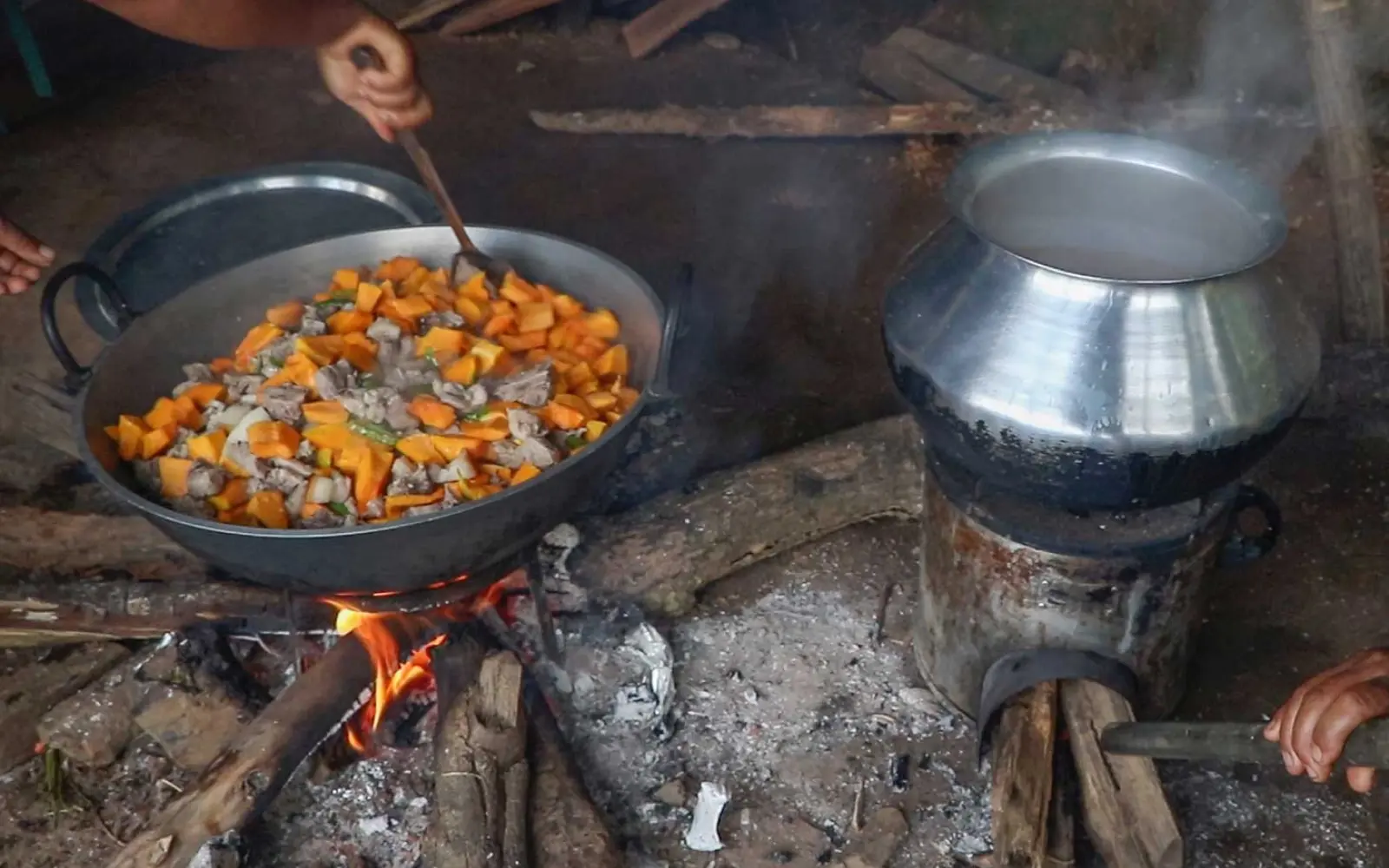
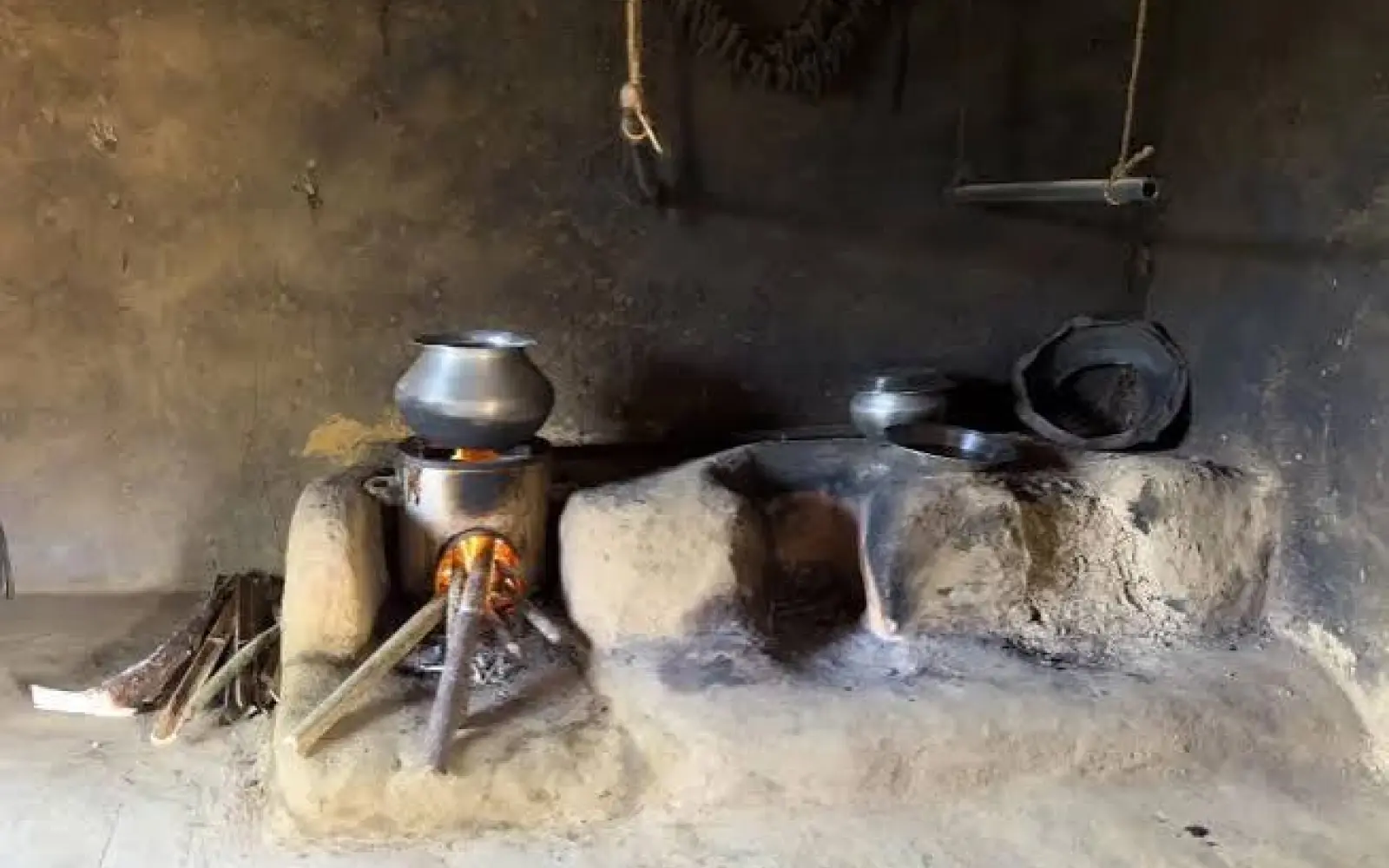
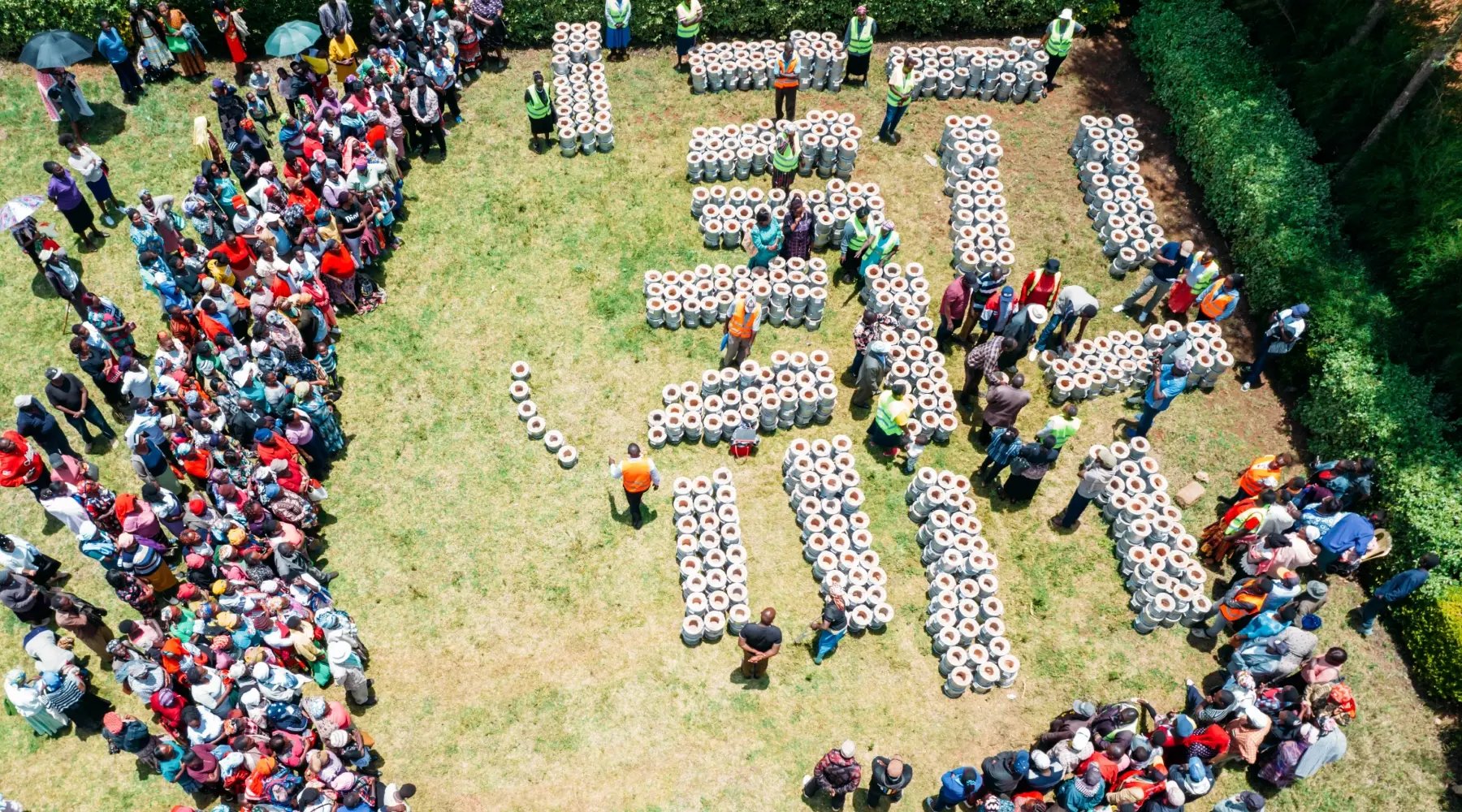
The Biomass Cookstove Project in Meghalaya distributes high-efficiency improved cookstoves to rural households across India, primarily in the State of Meghalaya and Bihar. Under the registered project documentation, the boundary extends to multiple rural Indian districts where households that meet the project's inclusion criteria can also participate. Rural populations in these areas have historically relied on burning raw wood, crop residues, and dung cakes for daily cooking, on traditional open mud stoves that produce heavy indoor smoke and consume large volumes of firewood. The project is developed by Integrated Carbon Services Private Limited (IMPRELS) and is registered with Verra under VCS 2908 using the VMR0006 methodology.

The project has deployed over 35,000 high-efficiency cookstoves, reducing traditional firewood consumption by up to 50 to 60% per household and improving the living conditions of more than 175,000 rural beneficiaries, predominantly women and children. The project avoids approximately 63,000 tCO₂e per year on average through the reduction in non-renewable biomass consumption and the associated emissions.

Community benefits

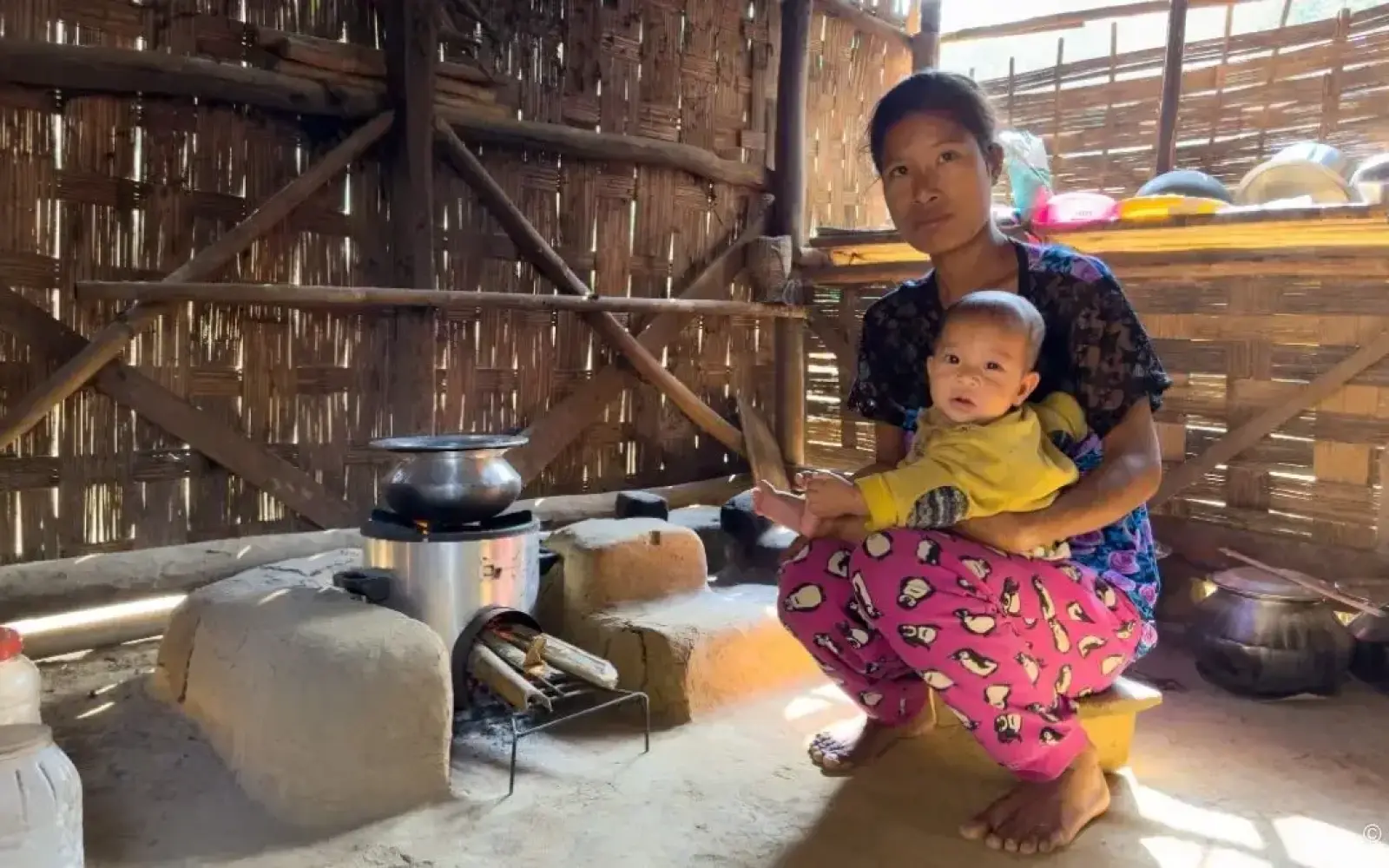
  • Time and financial savings: Rural women save an average of 2 to 3 hours a day in firewood collection and cooking time. For households that purchase wood, the fuel saving directly boosts monthly disposable income.
  • Kitchen safety upgrades: The single-pot, insulated design of the cookstoves reduces accidental burn risks and smoke exposure for infants who stay near their mothers while cooking.
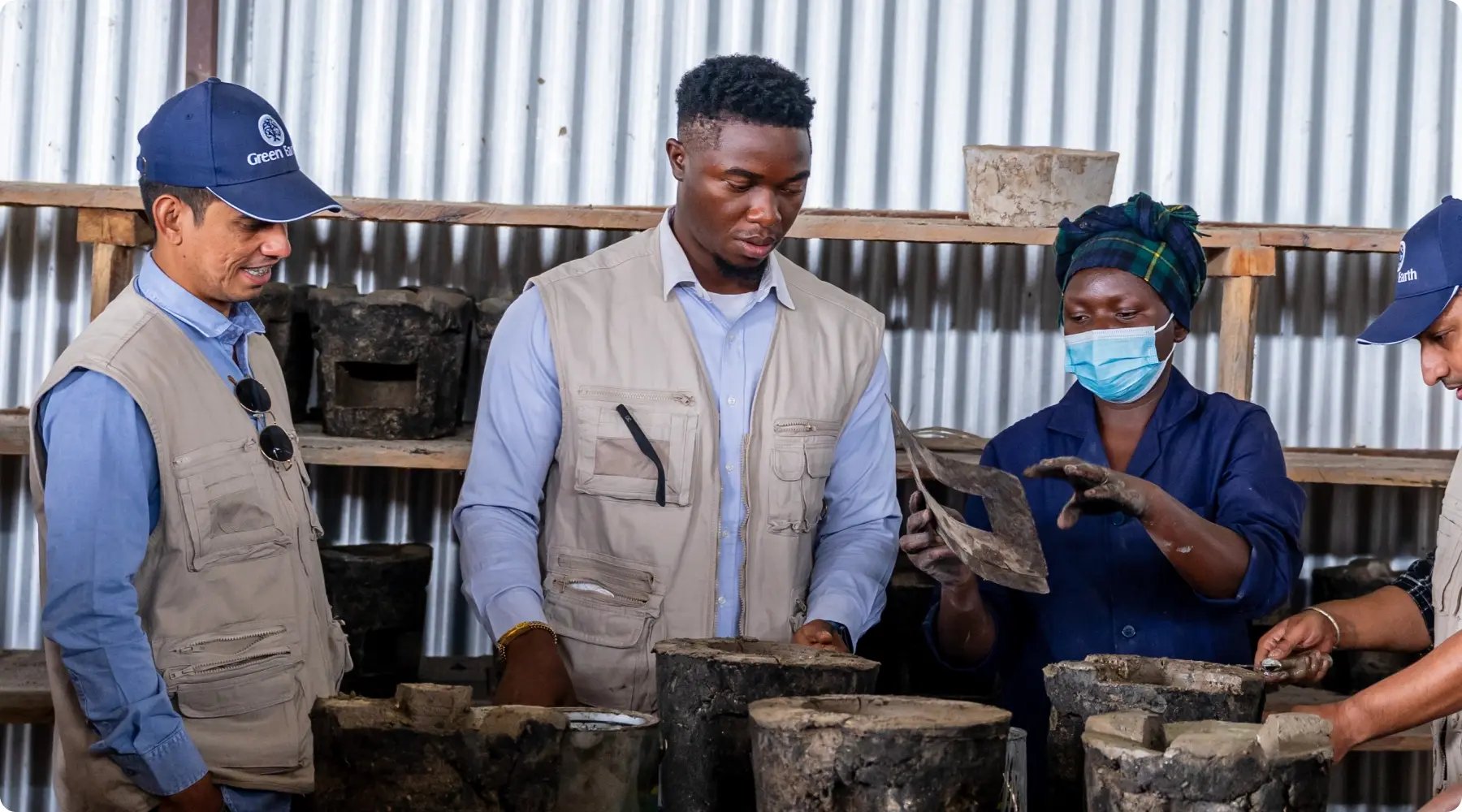
  • Decentralised distribution and training: Local women are trained as community ambassadors to handle stove maintenance, fostering localised technical skills and awareness of health and hygiene.

Environmental and biodiversity benefits

  • Curbing local deforestation: Cutting biomass demand by up to half significantly reduces the logging pressure on surrounding communal forests and protected woodlands across the project areas in Meghalaya and other participating states.
  • Black-carbon mitigation: Traditional chulhas release significant black carbon (soot), a short-lived climate pollutant with a strong localised warming effect. The improved stoves ensure near-complete combustion and effectively eliminate soot.
  • Topsoil protection: Reducing the need to collect fallen branches and crop residues allows organic matter to return to the soil, preserving local agricultural land structure.

Project information

Location Multiple rural districts across India, primarily in the State of Meghalaya
Country India
Developer Integrated Carbon Services Private Limited (IMPRELS)
Type Improved cookstoves, emission avoidance
Methodology VMR0006, Energy Efficiency and Fuel Switch Measures (v1.0)
Registry listing Verra VCS 2908 
Credit period 10 years (2021 to 2031)

Certification

Verra-Logo-Plain-Color-PNG 1