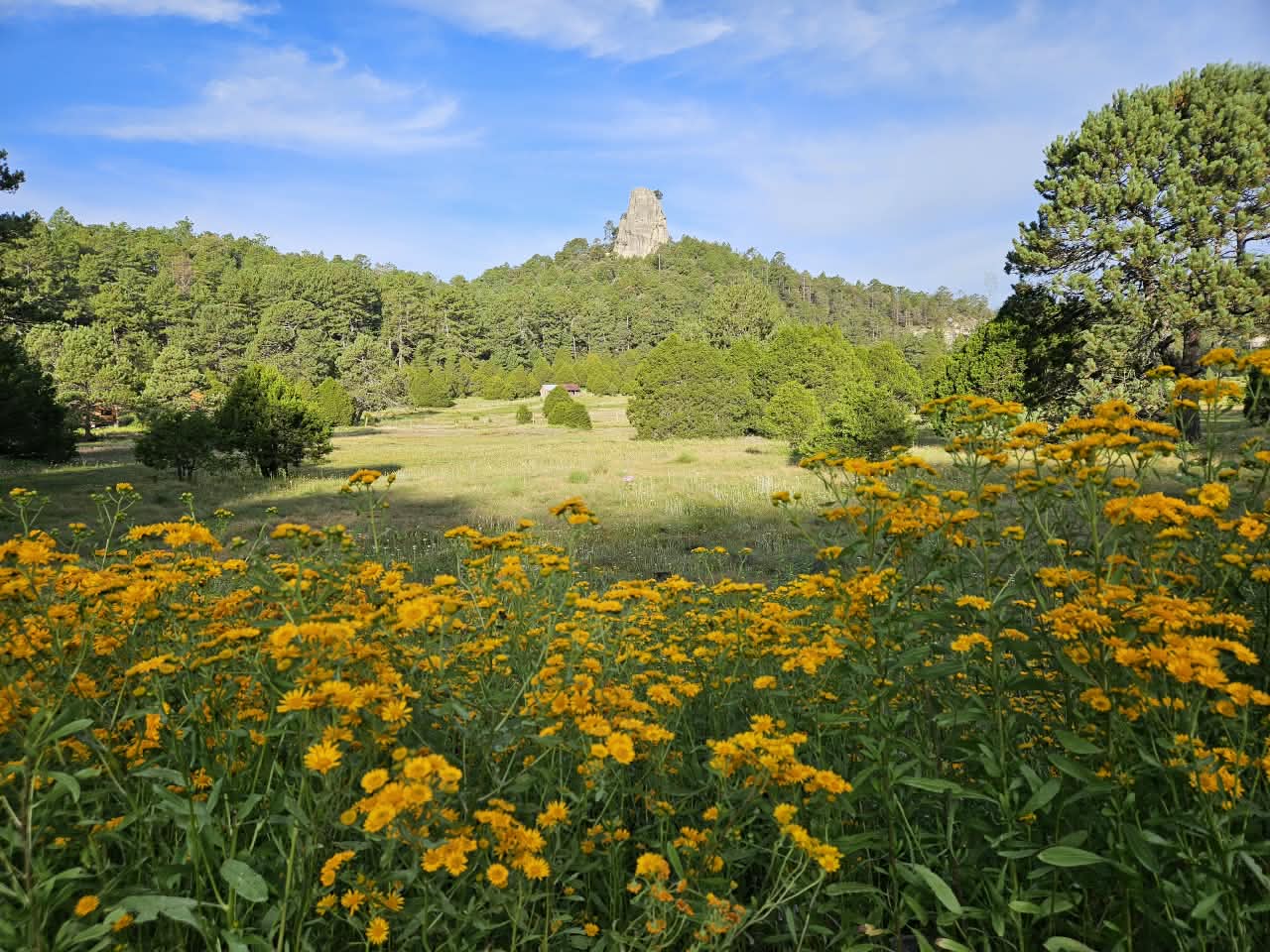
Ejido Chavarría Viejo CAR1626
SDGs
  • Gender Equality
  • Decent Work and Economic Growth
  • Responsible Consumption and Production
  • Climate Action
  • Life on Land

Ejido Chavarría Viejo CAR1626

  • Project type IFM
  • Location Mexico
  • Project ID CAR: 1626

Project overview

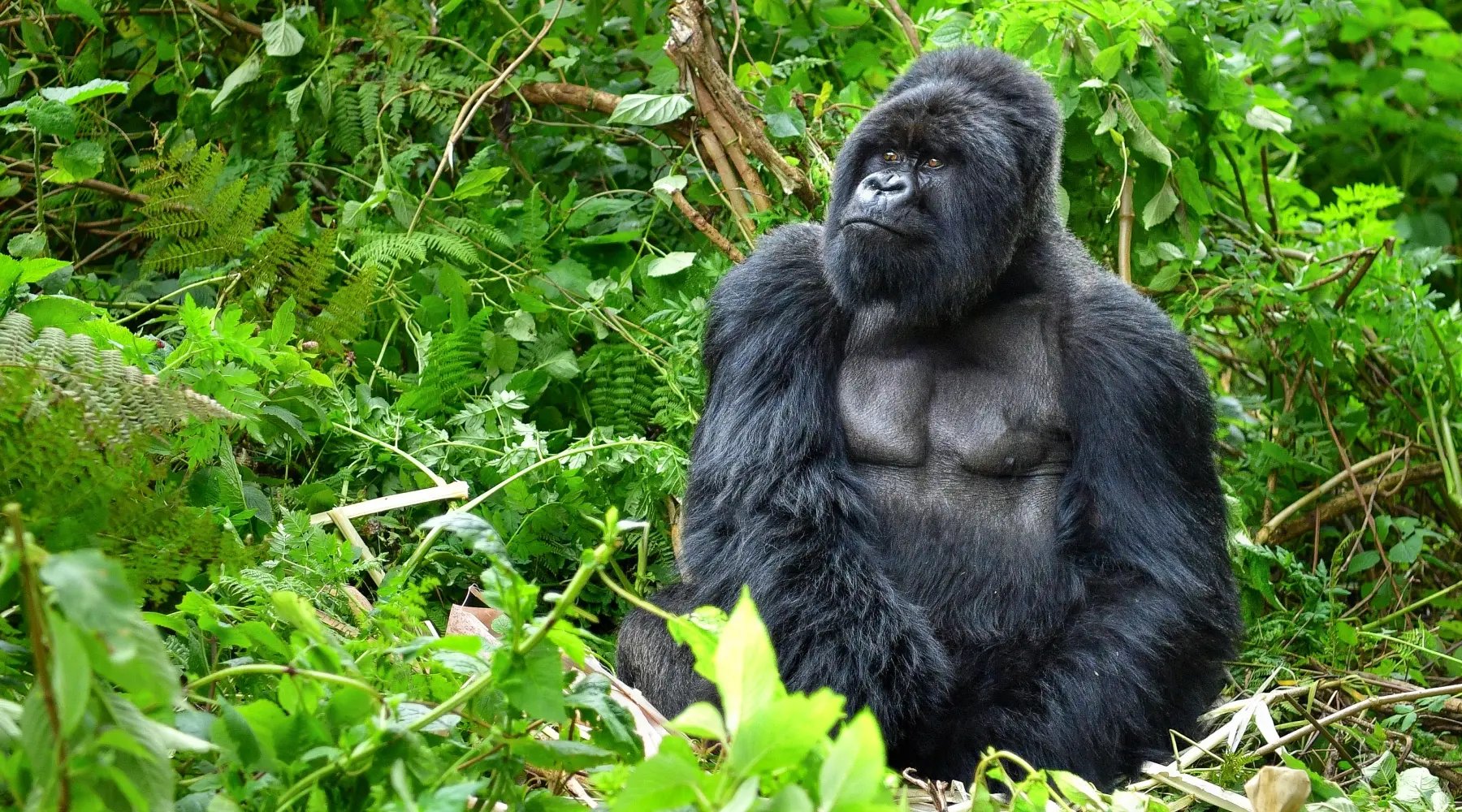
The CAR1626 project (Ejido Chavarría Viejo), registered under the international Climate Action Reserve (CAR) standard, is an Improved Forest Management (IFM) initiative located in the municipality of Pueblo Nuevo, in the state of Durango, Mexico. The project focuses on the conservation and sustainable management of temperate forests held by an *ejido* (communal landholding), employing low-impact silvicultural techniques that increase the density and accumulation of carbon within living forest biomass compared to conventional logging practices. Beyond its proven capacity to sequester and store atmospheric carbon dioxide, the project is notable for its high level of climate and social integrity. It holds the prestigious Forest Stewardship Council (FSC) certification for responsible forest management, meets the criteria for the Core Carbon Principles (CCP) established by the Integrity Council for the Voluntary Carbon Market (ICVCM), and has been awarded a 'B' rating by the independent environmental risk agency Sylvera. In terms of its social and environmental impact, the project generates direct socioeconomic benefits for the *ejido* by creating decent local employment, strengthening community governance, and actively including women (in alignment with SDGs 5, 13, and 15). Furthermore, it contributes to the protection of local watersheds, prevents illegal logging, and helps significantly reduce the risk of catastrophic forest fires in the mountains of Durango.
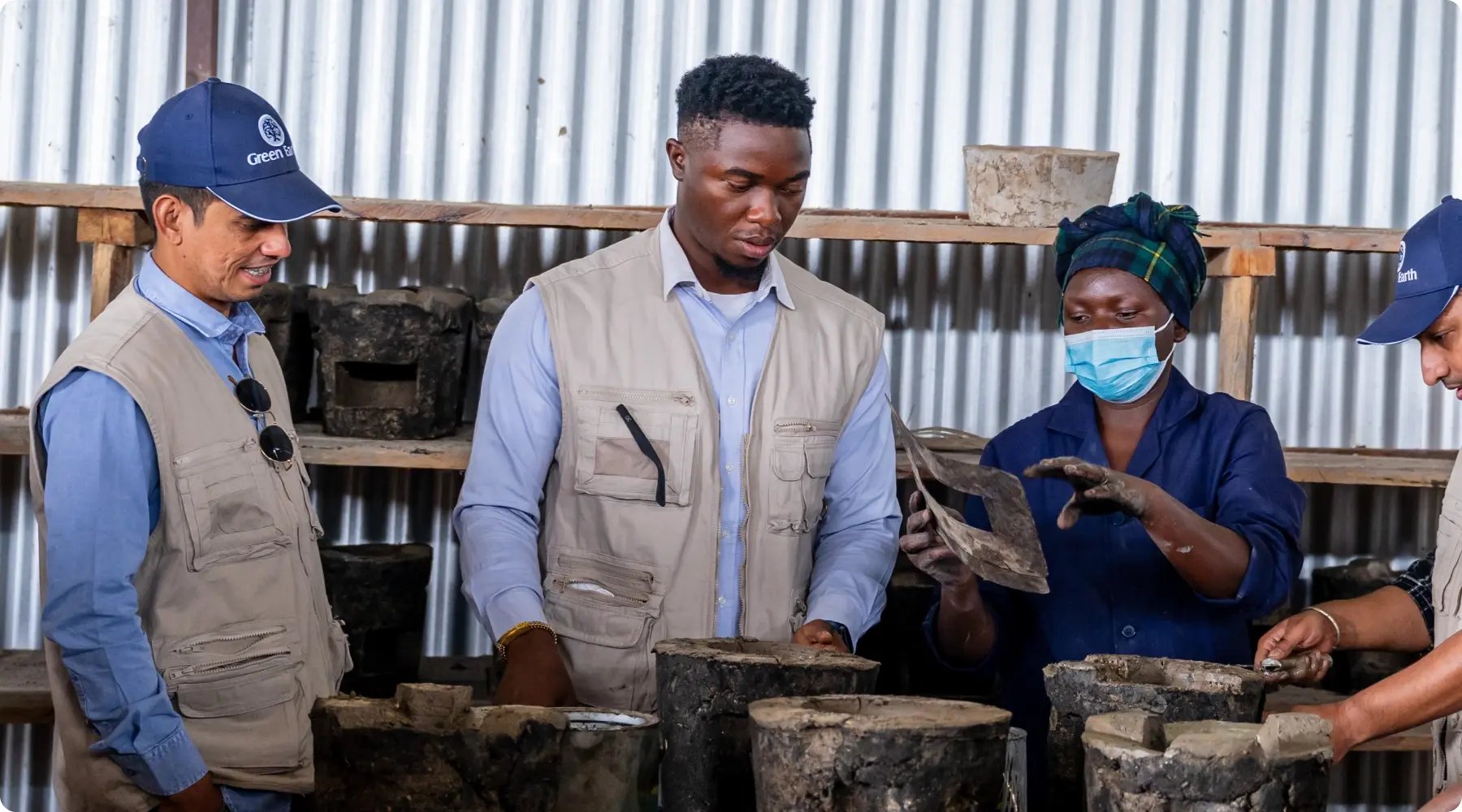
The forest carbon project CAR1626 (Ejido Chavarría Viejo), developed directly on communal *ejido* lands in Durango, Mexico, generates a positive and direct socioeconomic impact for the local community: 1. Economic Return and Community Reinvestment Direct income for the *ejido* assembly: A significant portion of the funds obtained from the sale of carbon credits (Climate Reserve Tonnes – CRTs) is reinvested into the local community and basic infrastructure projects within the *ejido*. Rural economic diversification: It provides an alternative, sustainable source of income that complements traditional forestry activities without the need for deforestation or overexploitation of the forest. 2. Local Employment and Capacity Building Creation of rural technical jobs: Direct employment opportunities for community members in areas such as forest brigades, biomass monitoring, field inventories, forest health management, and surveillance. Ongoing technical training: Training for *ejido* members in sustainable forest management techniques, carbon measurement, cartography, and environmental management, in alignment with the international Forest Stewardship Council (FSC) certification. 3. Social Governance, Transparency, and Inclusion Participatory *ejido* governance: The project operates through democratic decision-making by the *Ejido* General Assembly, ensuring that the distribution of benefits is equitable and transparent. Gender equality and participation (SDG 5): The project adheres to the social safeguards of the Climate Action Reserve’s (CAR) Mexico Forest Protocol and the requirements of the ICVCM (Integrity Council for the Voluntary Carbon Market) Core Carbon Principles, promoting the active inclusion of women and youth in project activities and decision-making processes. 4. Environmental Protection and Quality of Life Protection against fire and illegal logging: Organization of community-based early-warning teams and the creation of firebreaks to protect homes, water resources, and community lands from forest fires and unauthorized logging. Preservation of ecosystem services: The conservation of over 7,300 hectares of pine-oak forest ensures the recharge of local aquifers, the regulation of the micro-regional climate, and the protection of the native biodiversity of the Sierra Madre Occidental.
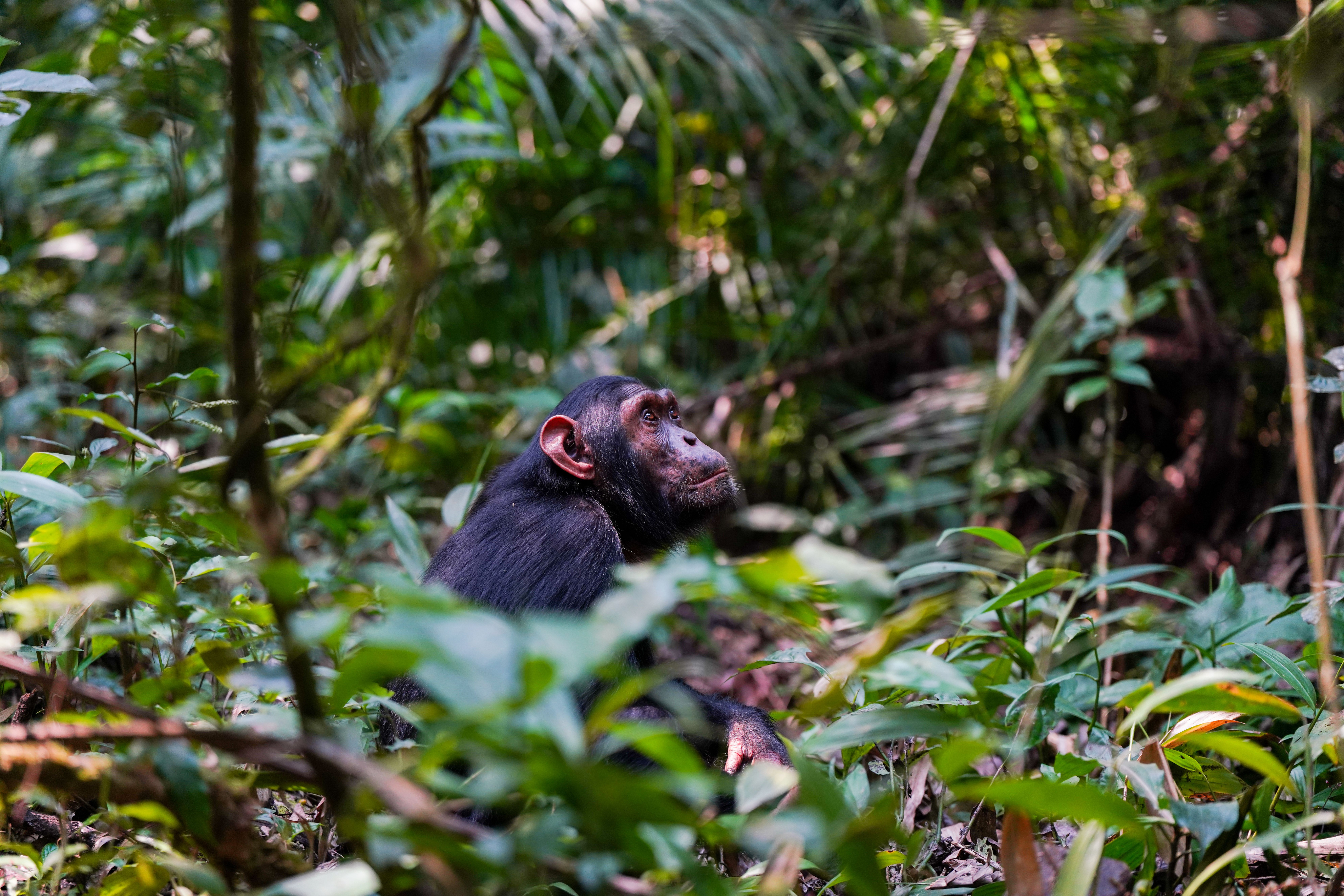
The environmental benefits of the carbon project CAR1626 (Ejido Chavarría Viejo) are rooted in the conservation, restoration, and sustainable management of the forest ecosystem in the Sierra Madre Occidental (Durango, Mexico): 1. Carbon Sequestration and Permanent Storage (SDG 13) – Increase in Live Biomass Stock: Under the Improved Forest Management (IFM) methodology, the project promotes continuous tree growth and the conservation of living arboreal biomass, increasing carbon density per hectare. Climate Change Mitigation: Each verified carbon ton (CRT) certifies a net removal or reduction of emissions, preventing the release of $\text{CO}_2$ into the atmosphere that would otherwise result from forest canopy degradation or deforestation. 2. Conservation of Biodiversity and Critical Habitats (SDG 15) – Protection of Temperate Ecosystems: The project protects over 7,300 hectares of temperate pine-oak forest—one of the ecosystems with the highest floral and faunal biodiversity in the Sierra Madre Occidental. Refuge for Threatened Species: It safeguards the habitat of native wildlife (including migratory birds, felids, and iconic mammals of the Sierra) against territorial fragmentation. 3. Sustainable Forest Management and FSC Certification (SDG 12) – International Forest Certification: The project holds FSC (Forest Stewardship Council) accreditation, which ensures that any authorized timber extraction or harvesting activities are carried out using techniques with minimal environmental impact and full traceability. Reduction of Destructive Logging and Degradation: It eliminates aggressive and illegal logging practices, replacing them with sustainable rotation cycles and the conservation of mature forests. 4. Soil Protection and Water Regulation – Erosion Prevention and Soil Conservation: Maintaining dense vegetation cover prevents the loss of fertile soil layers due to water or wind erosion in mountainous areas with steep slopes. Protection of Aquifer Recharge: Forest cover acts as a "natural sponge," facilitating the infiltration of rainwater, improving water quality within the hydrological basin, and regulating local water flows. 5. Active Prevention and Control of Fires and Pests – Reduction of Forest Fire Risk: The project funds and implements permanent community brigades tasked with creating and maintaining firebreaks, clearing combustible material, and providing continuous surveillance. Forest Health and Sanitation: Active monitoring for pests and diseases.

Project information

Location Ejido Chavarría Viejo, Pueblo Nuevo, Durango, Mexico
Country Mexico
Developer Ejido Chavarría Viejo
Type IFM (Improved Forest Management)
Methodology Mexico Forest Protocol - MFP under the typology of Improved Forest Management (IFM)
Registry listing Climate Action Reserve CAR1626
Additional certification FSC (Forest Stewardship Council) Certification, ICVCM CCP (Core Carbon Principles) label, Sylvera rating: B, Social Safeguards and Communal Land Governance Certification
Credit period Crediting Period Timeframe: 2021 to 2051 (30 years). Project Permanence Period Timeframe: 2021 to 2121 (100 years).

Certification

k5fh5c3tizgtqmdoiigpul3cnlsu 1-1
Frame 476-1