
Filter by:
Price range:
-
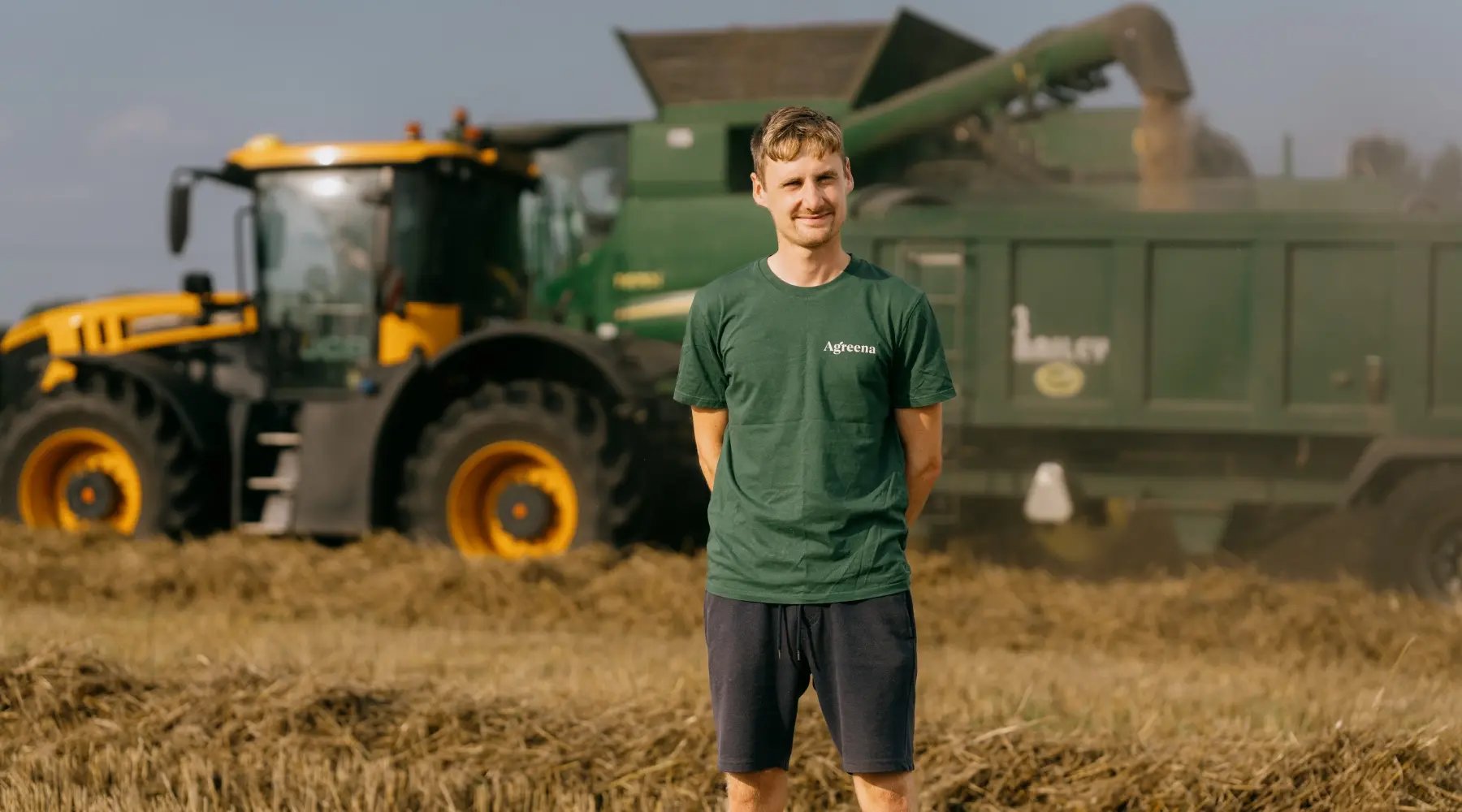
Regenerative Farming across Europe
€50 / credit
13599 credits availableRegenerative farming across European arable land, fixing carbon into soil as practices shift.
-
Regenerative Farming in Spain
€40 / credit
Sold outCutting emissions on Spanish farms through no-till and smarter fertiliser use, against dry-climate pressure.
-
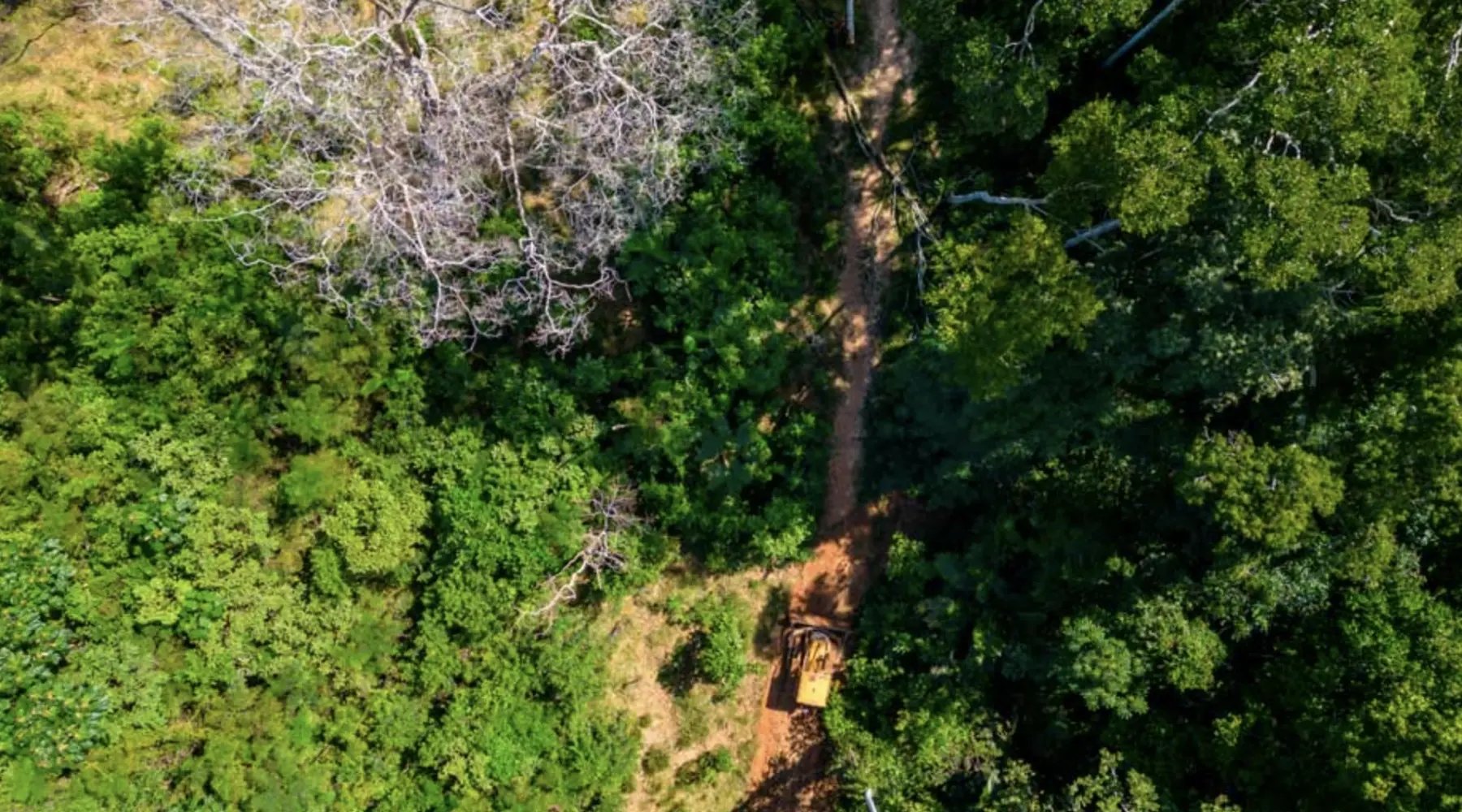
Brazilian Amazon Avoided Deforestation
€13.50 / credit
100000 credits availableProtecting native Amazon rainforest that landowners held permits to clear, through conservation deals.
-
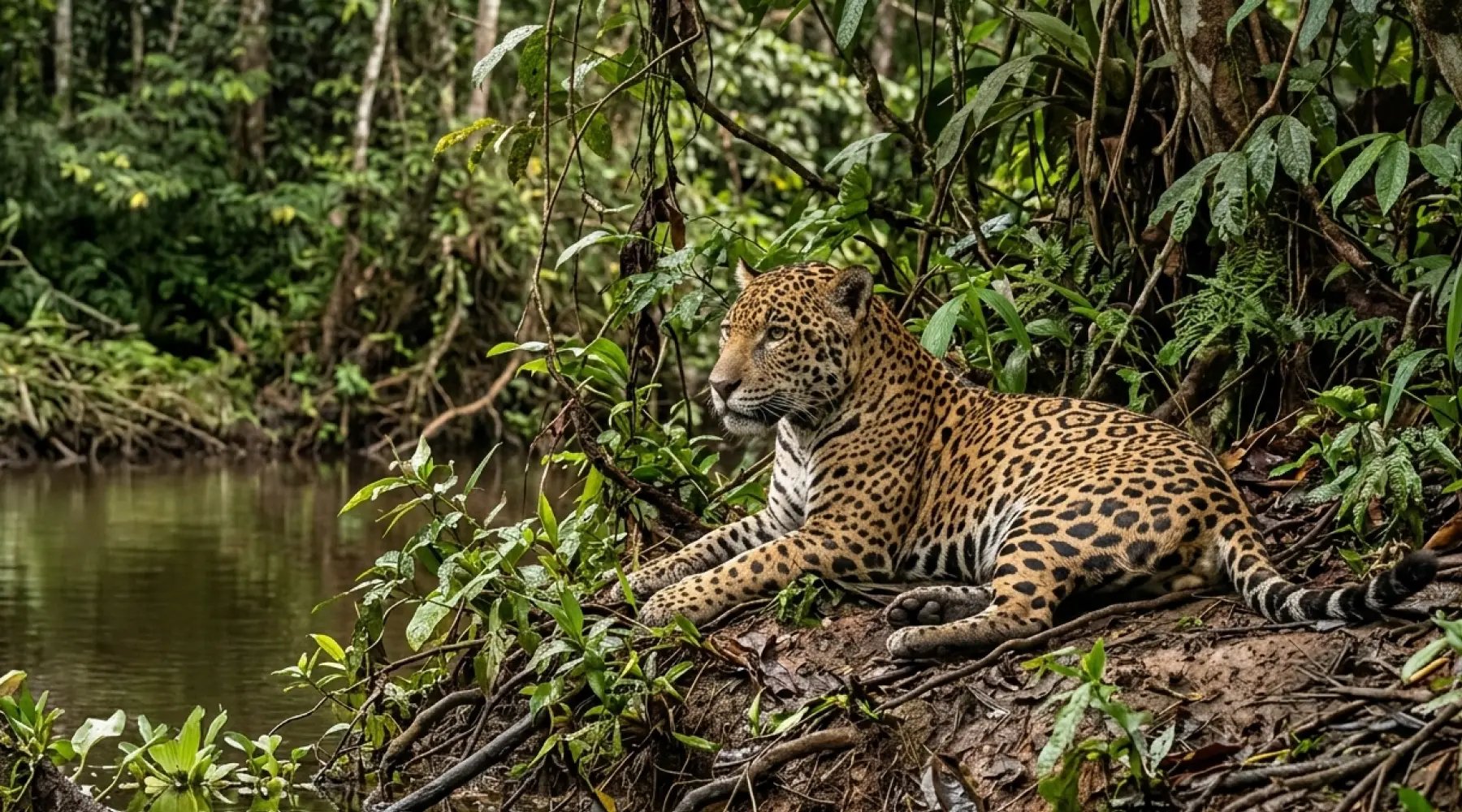
Jaguar Amazon Avoided Deforestation
€7.80 / credit
100000 credits availableShielding Peruvian Amazon from the farming frontier and illegal mining through community-led patrols.
-
Tropical Mix Reforestation
€28.50 / credit
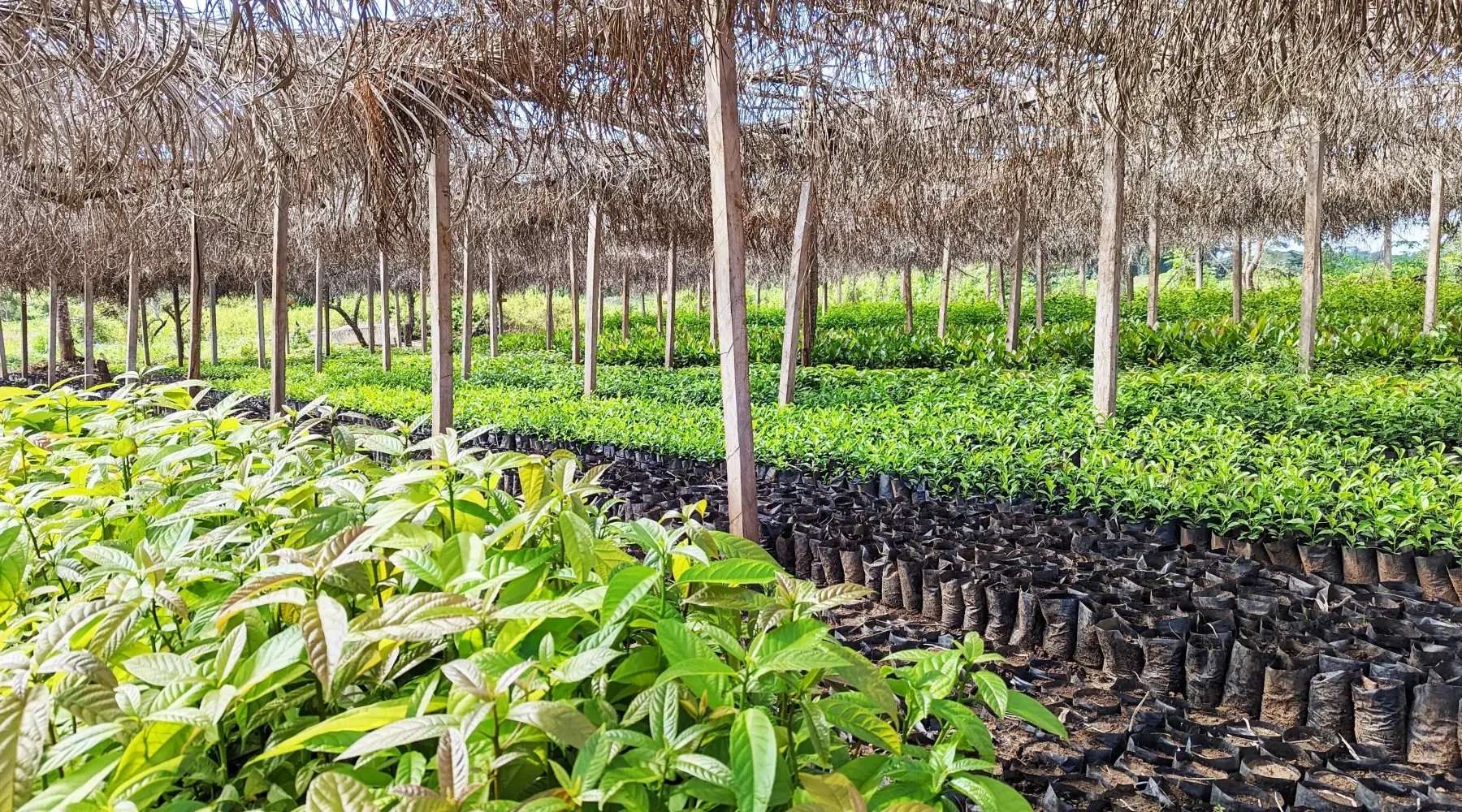
99998 credits availableReforesting degraded Panama cattle pasture with native timber and cocoa in a forest-like polyculture.
-
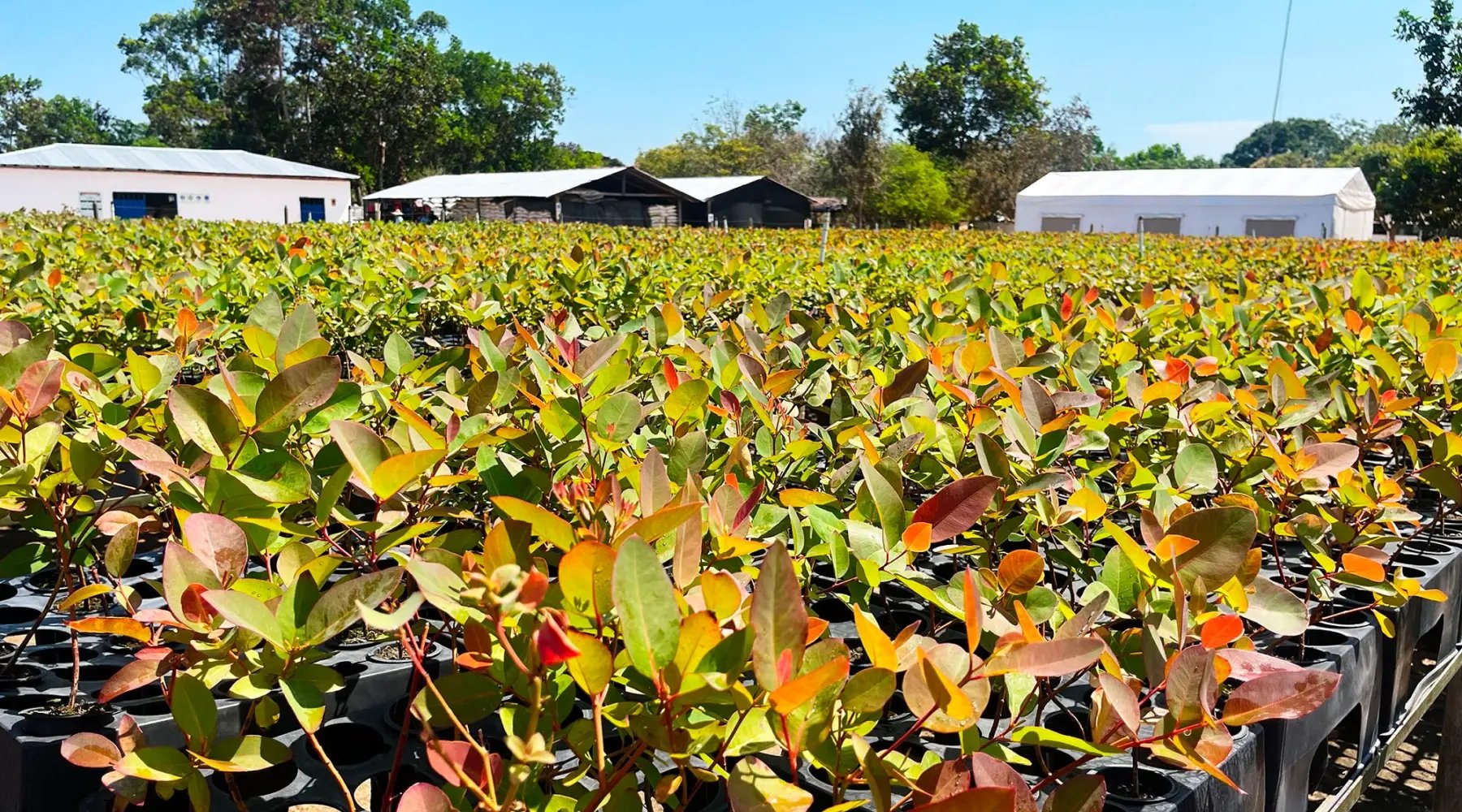
Climate Reforestation in Colombia
€31.50 / credit
32000 credits availableTurning degraded Colombian savannah into sustainable forest with native and timber species.
-
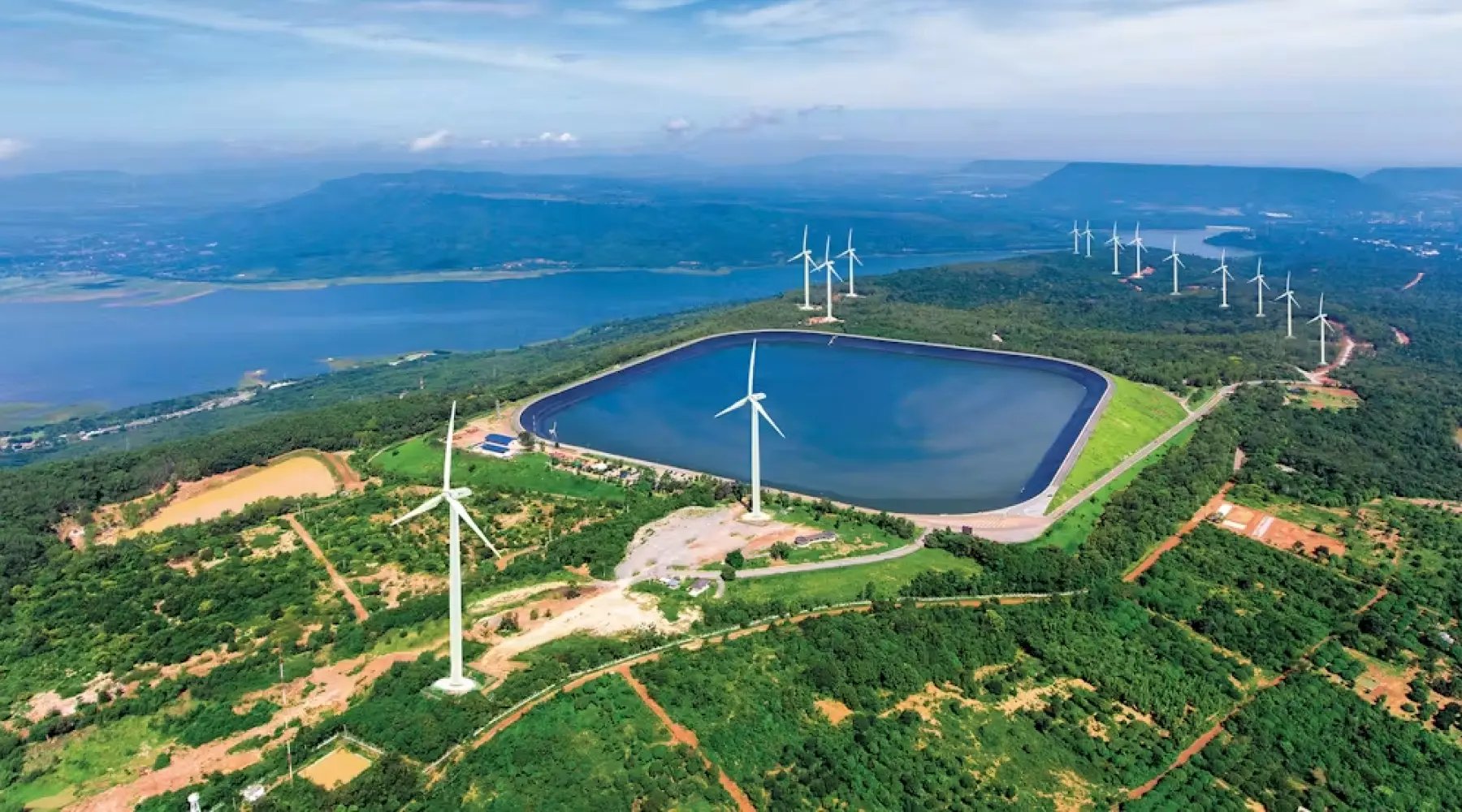
Renewable Wind Power in Thailand
€3 / credit
107973 credits availableWind power for Thailand's grid, displacing electricity that would otherwise come from coal and gas.
-
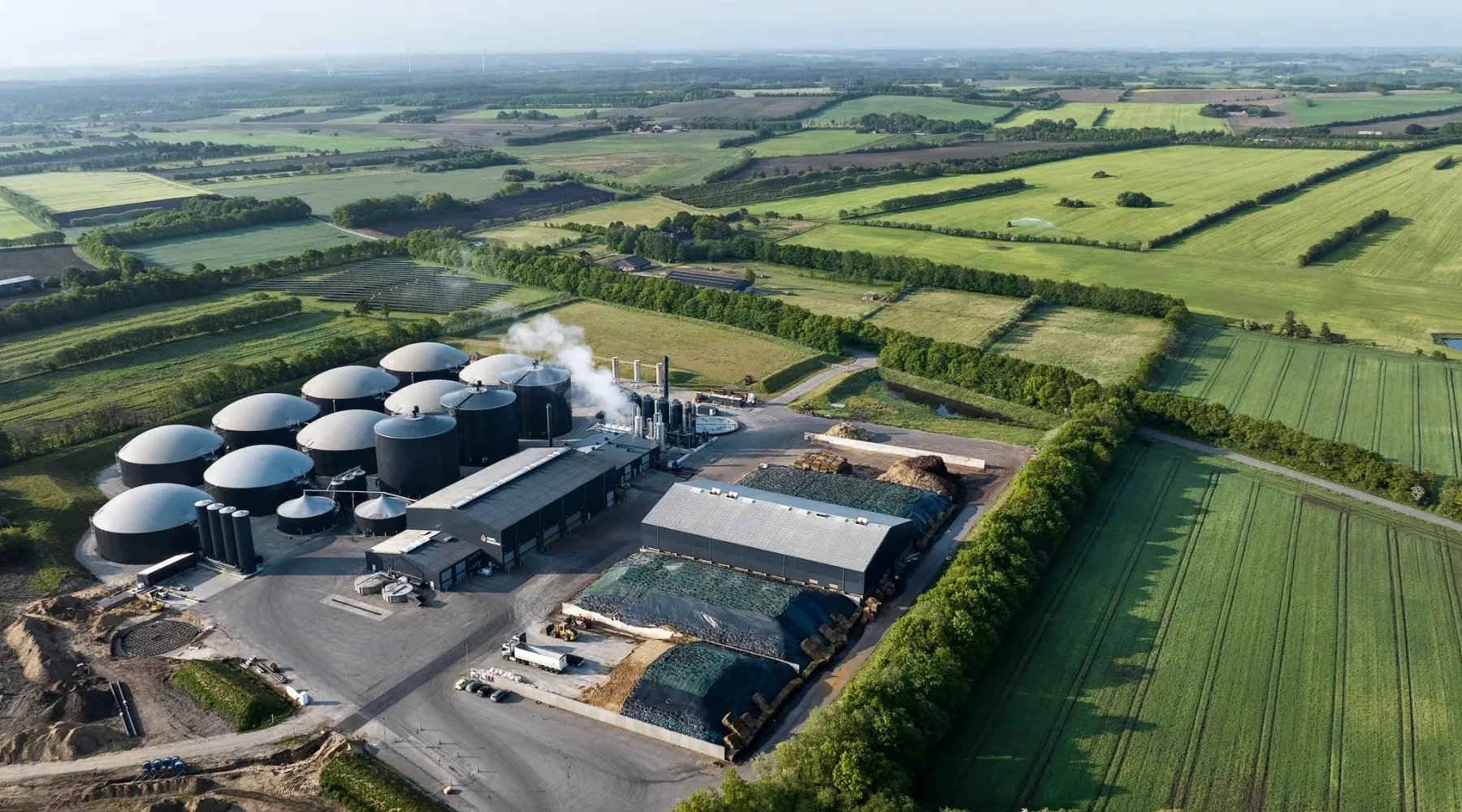
Methane Recovery in the Netherlands
€19 / credit
50000 credits availableCapturing methane from Dutch farm manure before it escapes, converting it into usable biogas.
-
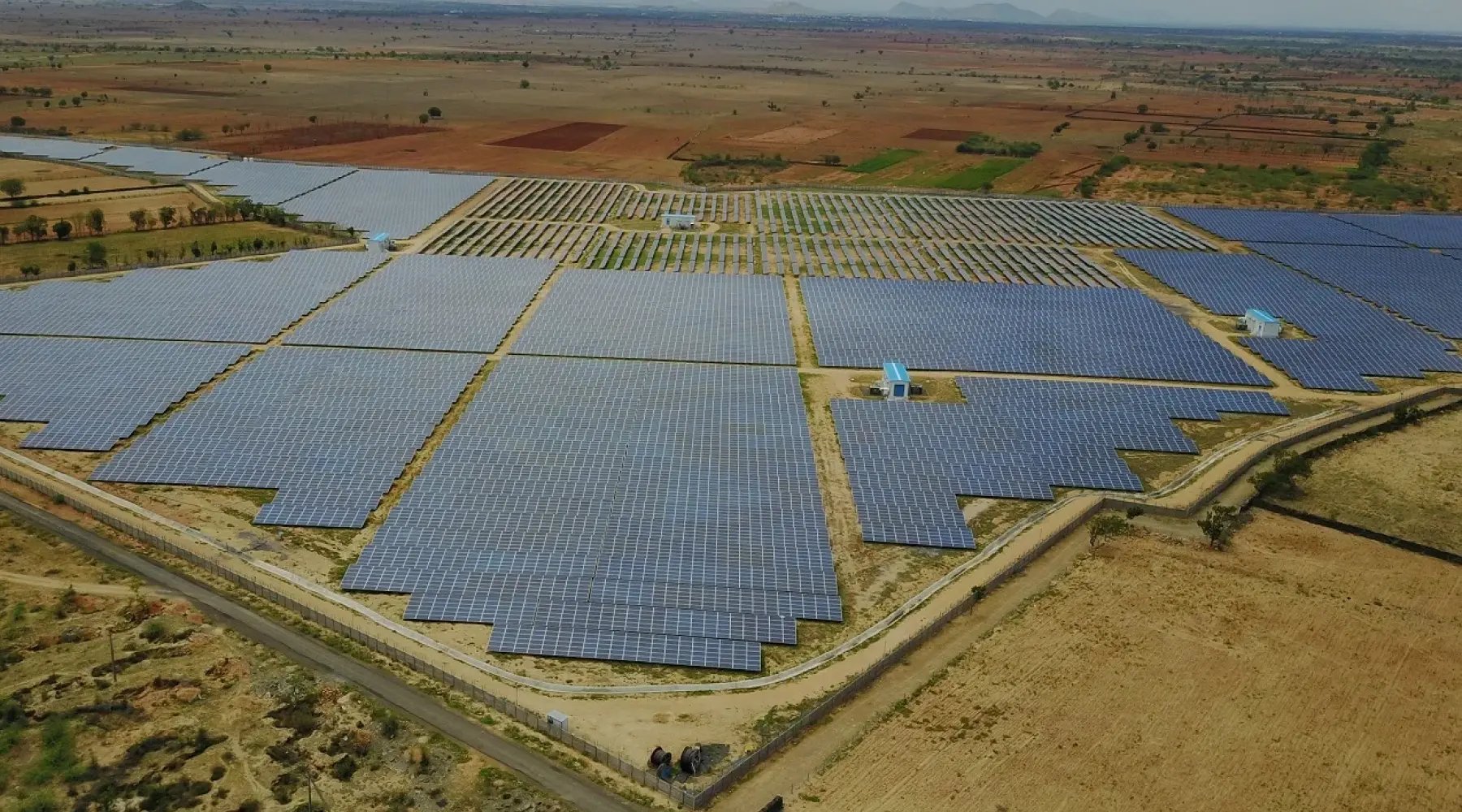
Renewable Solar Power in India
€4 / credit
100000 credits availableLarge-scale solar on unusable Thar Desert land, displacing power from India's coal-heavy grid.
-
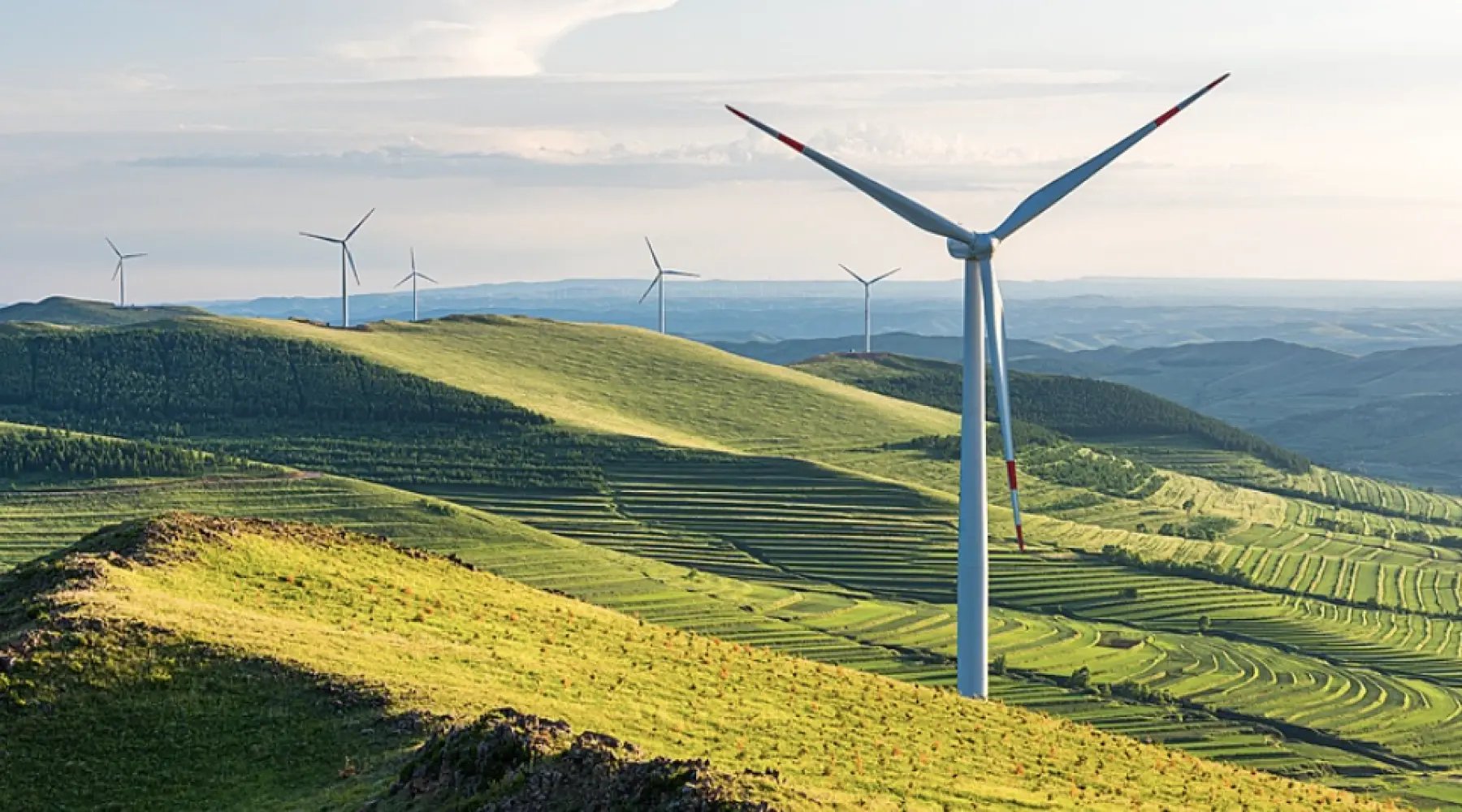
Renewable Wind Power in China
€4 / credit
1000 credits availableHigh-altitude wind power displacing coal on northern China's grid in a zone of strong, steady wind.
-
Clean Cookstoves in rural India
€7.70 / credit
56200 credits availableEfficient cookstoves for rural Indian homes, cutting firewood use and heavy indoor cooking smoke.
-
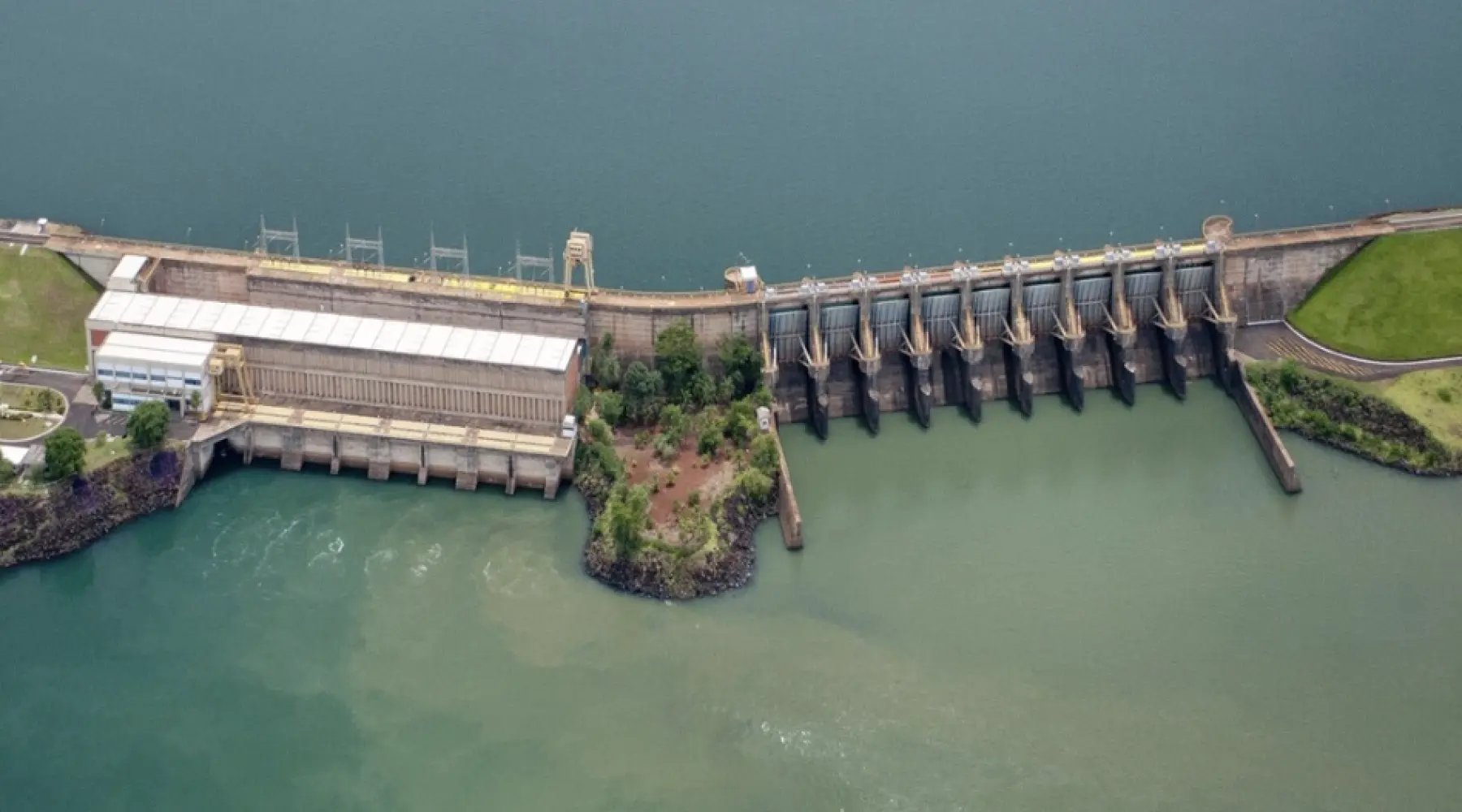
Renewable Hydropower in Colombia
€2.60 / credit
60000 credits availableRun-of-river hydropower for Colombia's grid, working with natural flows and avoiding valley flooding.
-
Clean Cookstoves in rural Kenya
€14 / credit
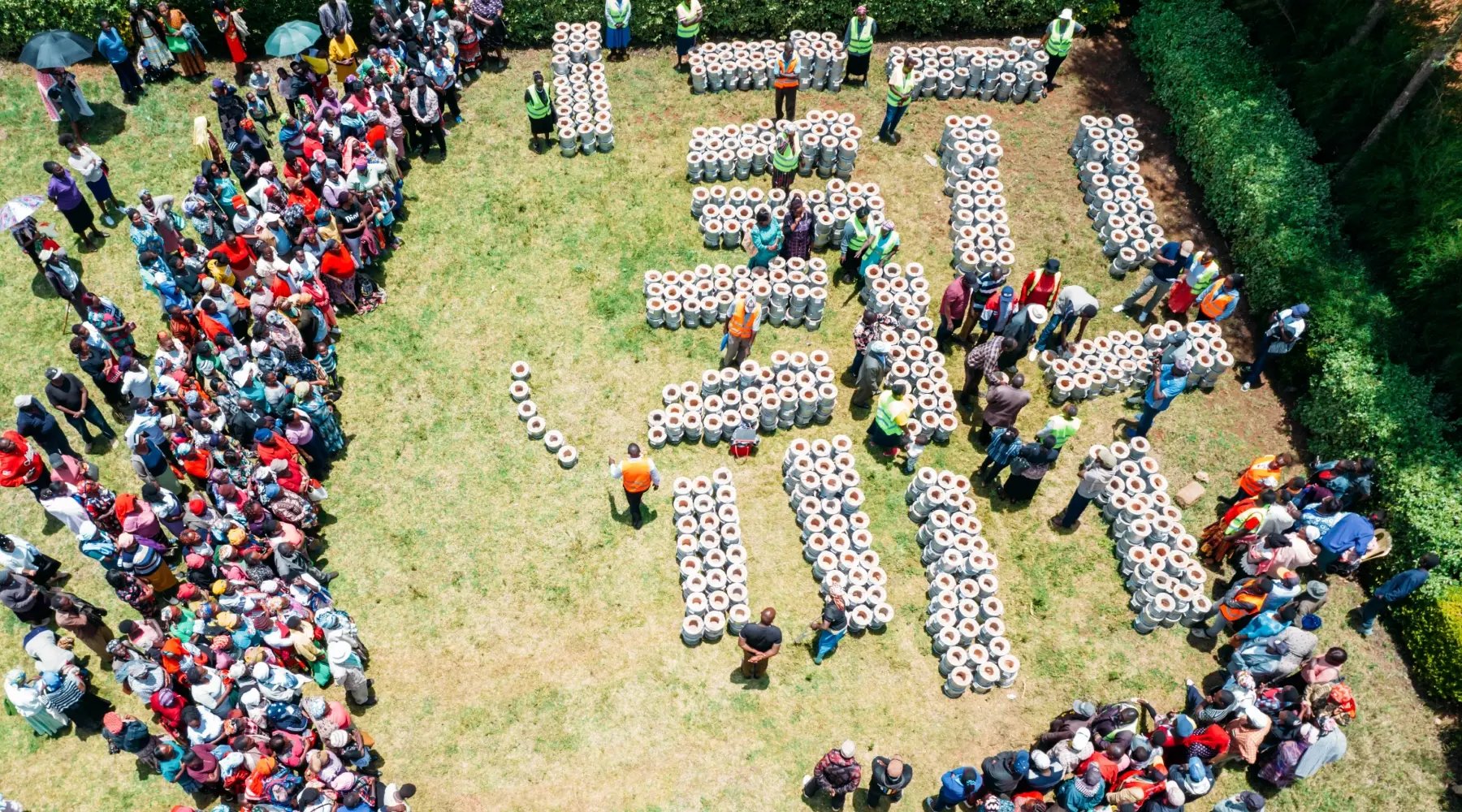
10000 credits availableFuel-efficient cookstoves for homes around Mount Kenya, replacing fuel-heavy three-stone fires.
-
Mount Kenya Regenerative Agroforestry
Limited availability
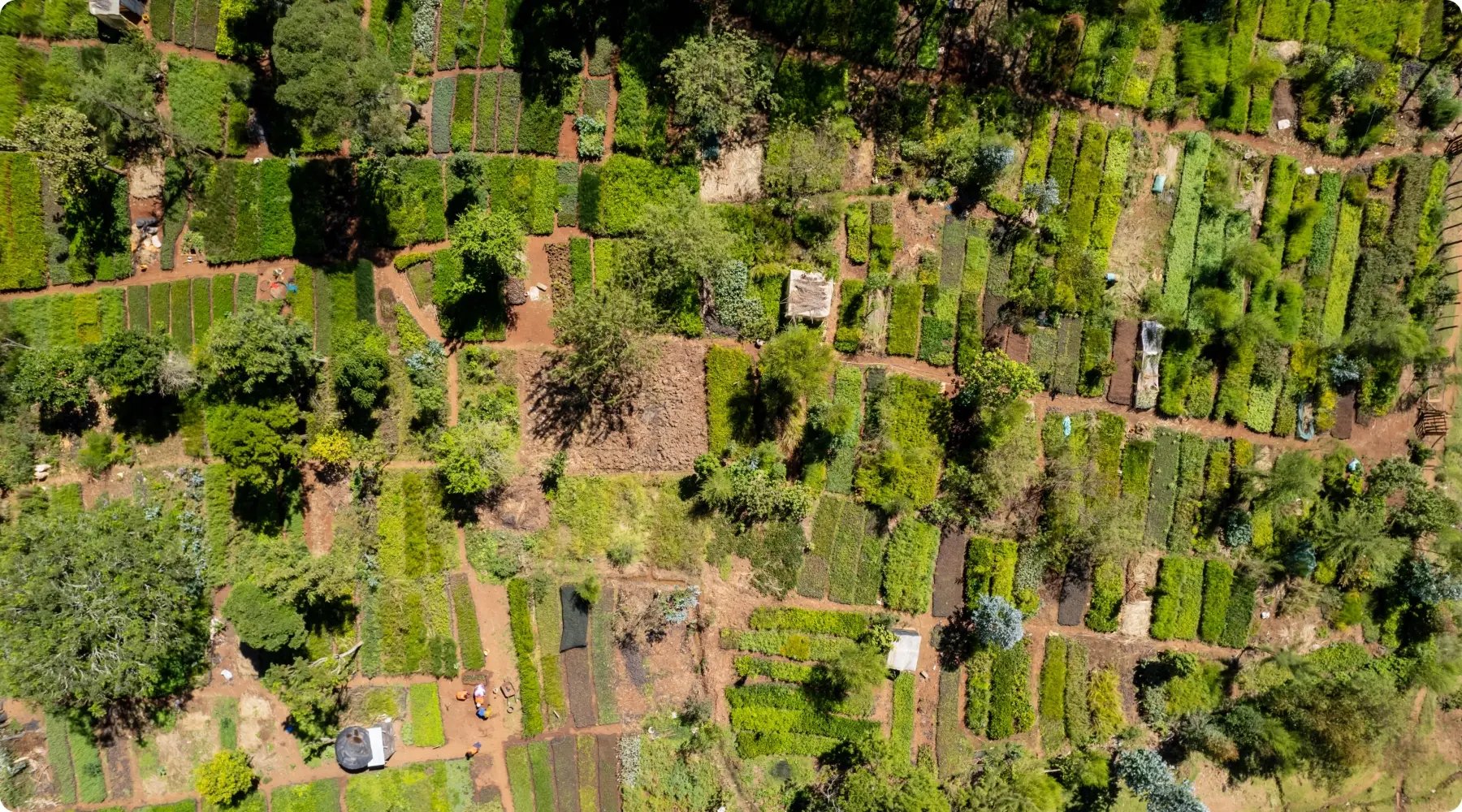
credits availableRestoring logged highland forest with smallholder farmers, protecting a vital water catchment.
-
Agroforestry and Chimpanzee Conservation in Uganda
Limited availability
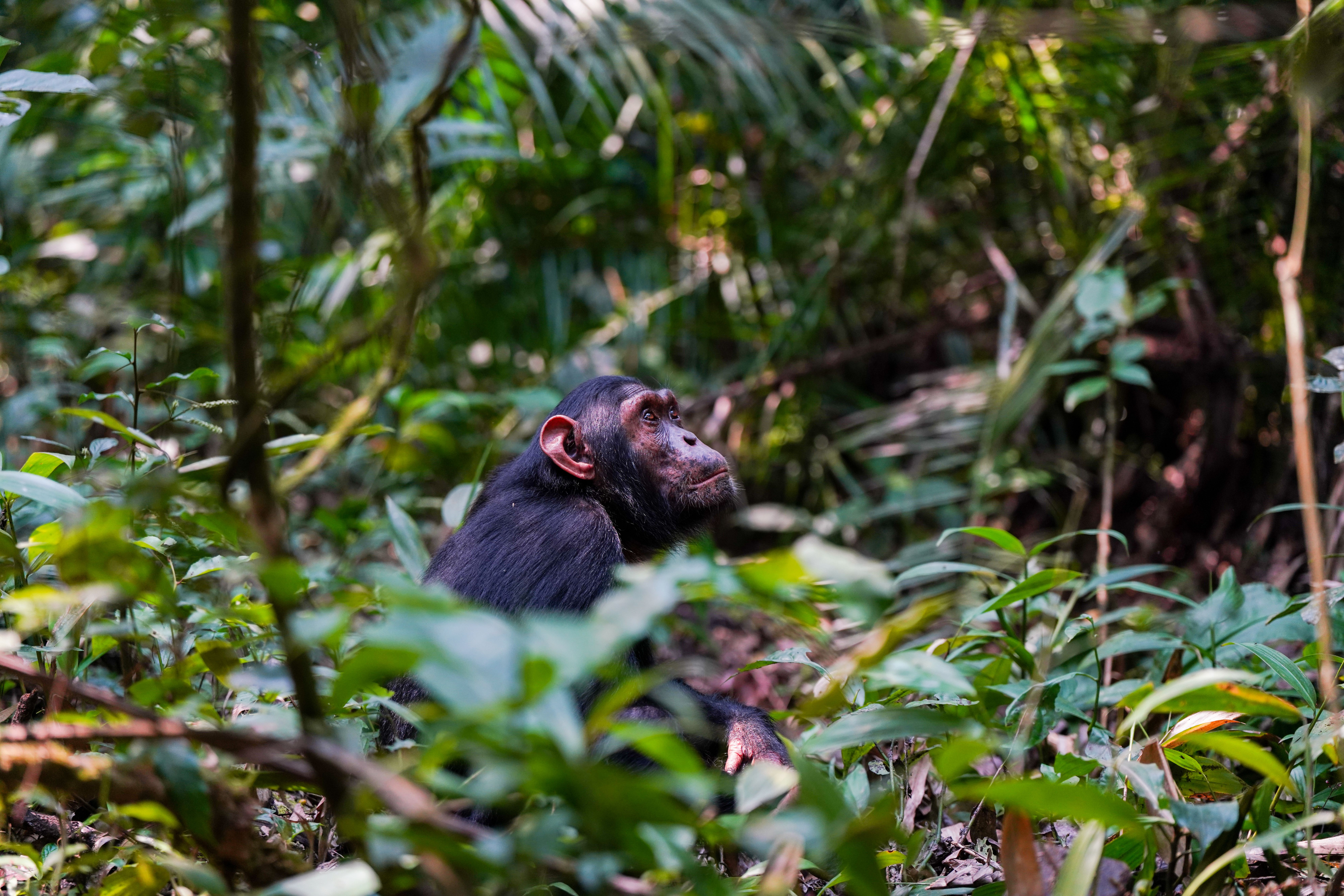
credits availableRestoring chimpanzee habitat in Uganda while helping farmers shift to coffee-based agroforestry.
-
Greening of the Dried Aral Sea
Limited availability
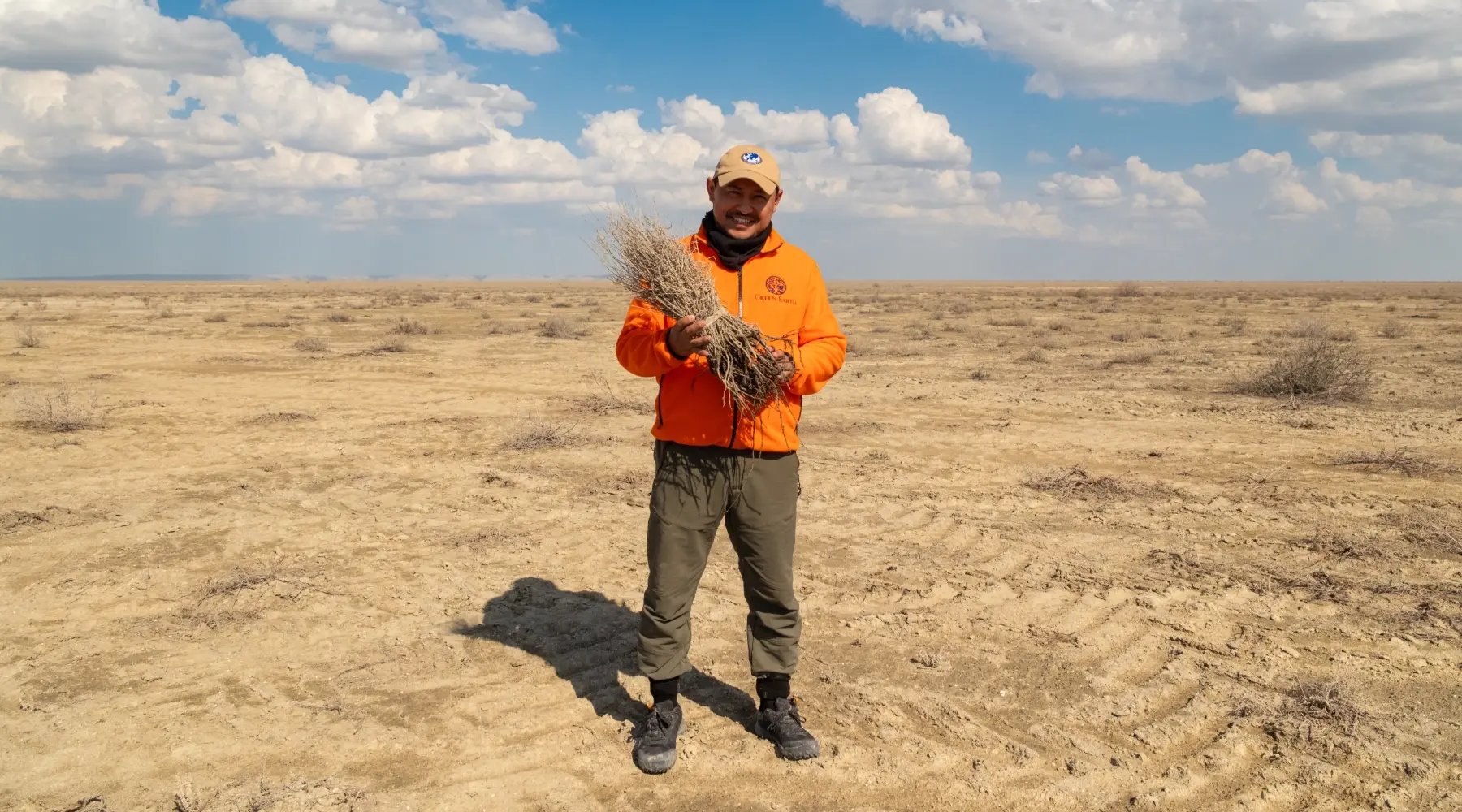
credits availablePlanting drought-tolerant saxaul on the dried Aral seabed to sequester carbon and curb dust storms.
-
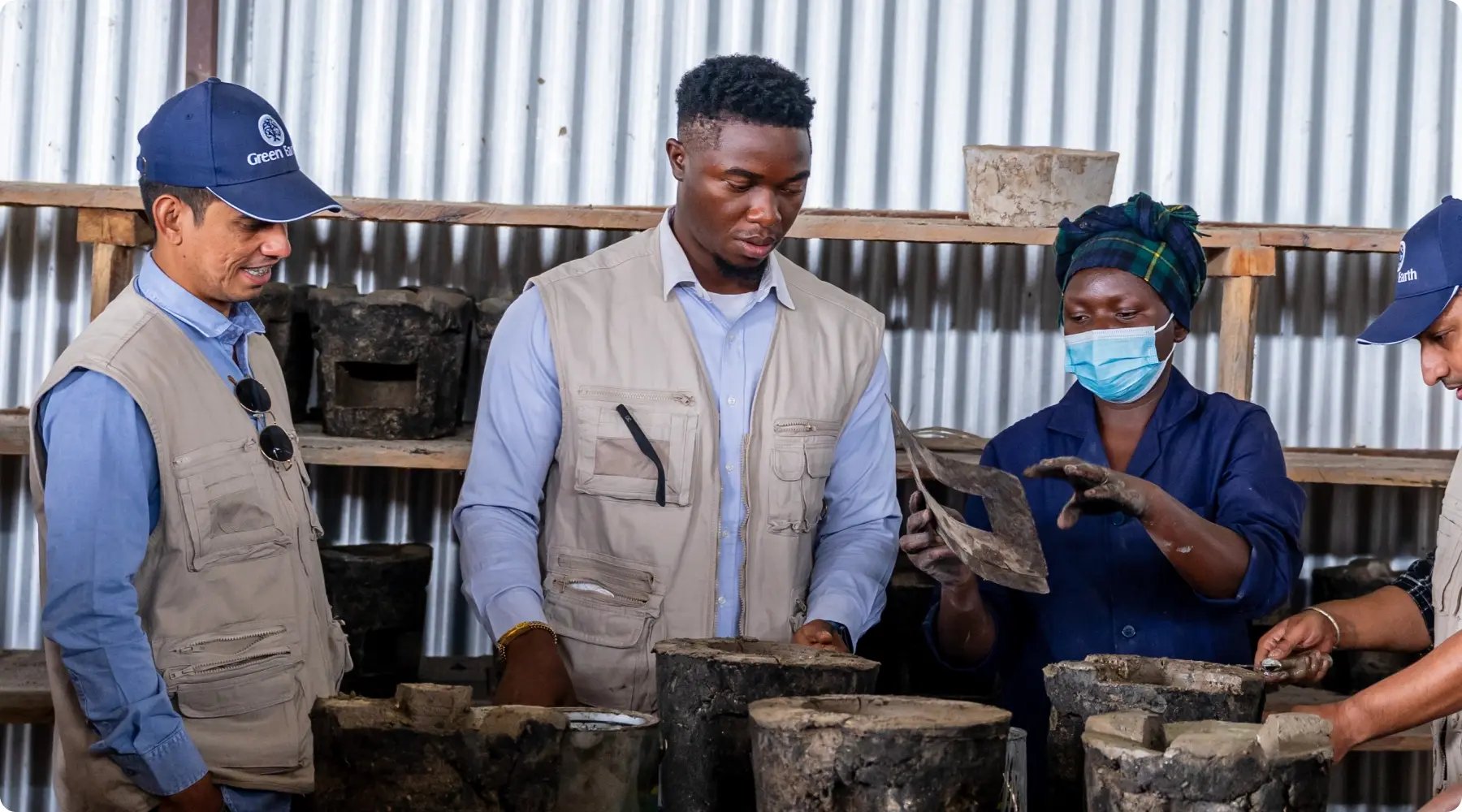
Nigeria
CookstovesClean Cookstoves in Nigeria
Limited availability
credits availableEfficient cookstoves for Nigerian homes, easing forest pressure and cutting indoor smoke.
-
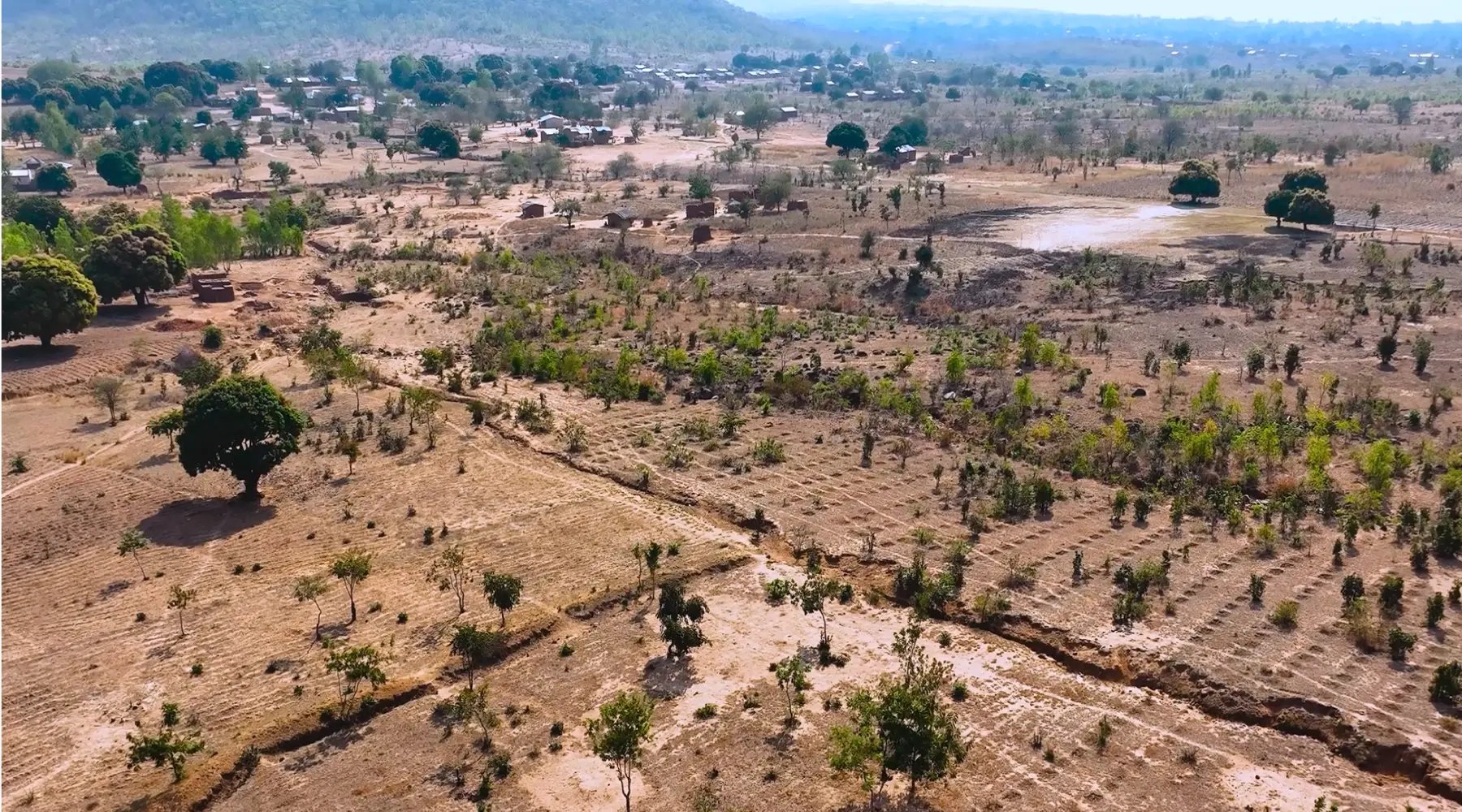
Malawi
ARR


-
+1
others

Afforestation, Reforestation & Agroforestry in Malawi
Limited availability
credits availableRestoring forest and agroforestry across Malawi's Namizimu landscape with local communities.
-
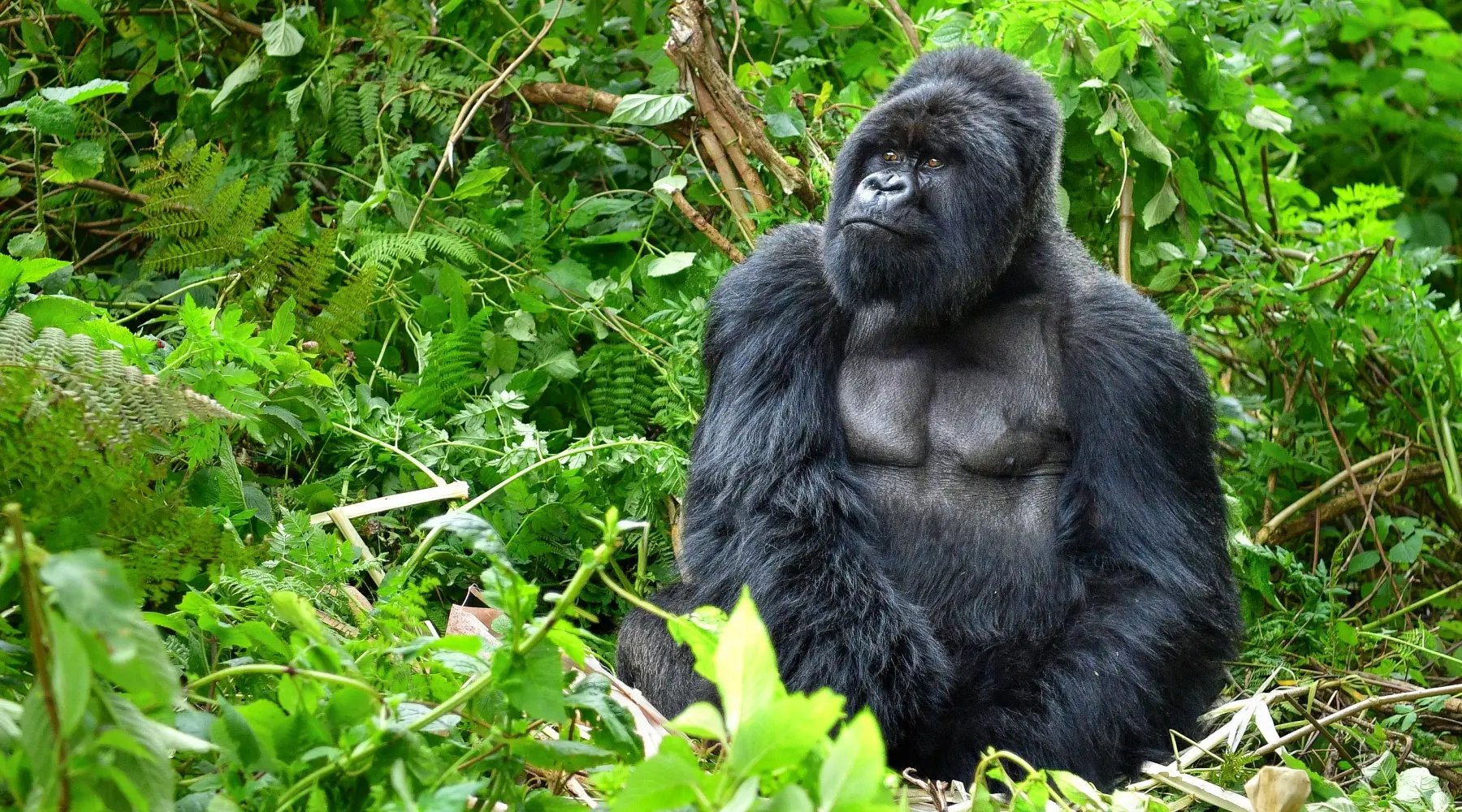
DRC
ARRReforestation in the DRC
Limited availability
credits availableRestoring degraded Congo Basin forest with native species and assisted natural regeneration.
-
Regenerative Agroforestry in Cameroon
Limited availability
credits availableRestoring forest on the Congo Basin's edge, pairing tree planting with food-producing agroforestry.


.webp?width=1800&height=1000&name=AgreenaCarbon%20Project%20(Spain).webp)

.webp?width=1800&height=1000&name=tropical-mix%20(2).webp)

.webp?width=1800&height=1000&name=Biomass%20Cookstove%20Project%20in%20Meghalaya%20(1).webp)

No projects match these filters
Our wider portfolio goes beyond what is listed here. Clear the filters, or tell us what you are looking for and our team will source it.
%20(1).png)
Build your custom impact portfolio
Connect with our experts to curate a tailored portfolio of verified projects, or to discuss larger purchases.
We'll guide you through our verified projects and can source specialised credits from our wider global network to help maximise your environmental impact.