
Tree planting
Nature-based solutions
Project updates
Kazakhstan
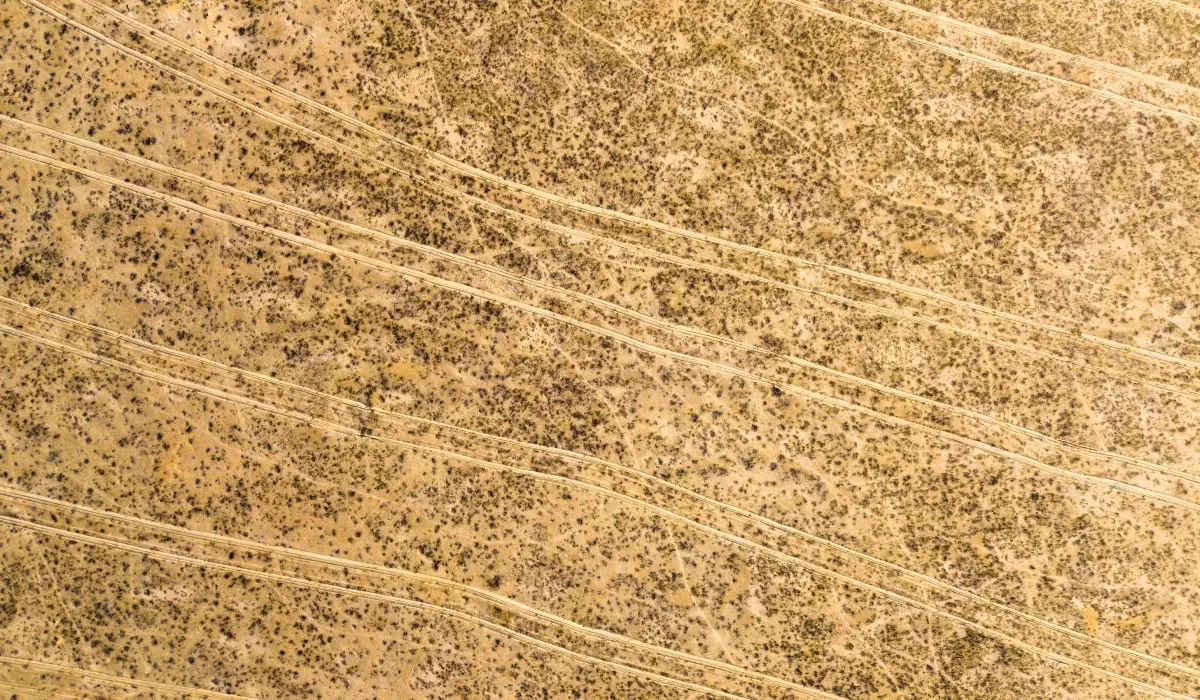
The Greening of the Dried Aral Sea Project has moved into large-scale preparation, with Green Earth planning a large-scale planting phase across Kazakhstan's Kyzylorda Region for 2027. The next project phase builds directly on survival results from the project's first stage.
The pilot tested planting methods under the demanding conditions of the dried Aral Sea bed. Experimental plots using container-grown seedlings with a closed-root system reached 80–90% survival. The main planting area reached approximately 40%. These results identified the closed-root approach as the stronger method for scaling up, and they now guide seedling selection and planting technique for the next season. The pilot covered 530 hectares of main planting and 6 hectares of experimental plots.
The pilot gave us more than a planting result — it showed us which methods perform better and how we need to organise the project before moving to a much larger scale.
Project team member
This reporting period centred on analysing those results and preparing the project for expansion. Planting resumes in 2027 across two seasons, spring and autumn.
Read more: Saxaul takes root: The Lake Aral Afforestation Project moves into action
The 2027 programme also changes how delivery is organised. Green Earth is dividing the work across three independent implementation teams, each responsible for a defined area of roughly 3,000–4,000 hectares, along with its own budget, quality requirements, and verified results. This structure increases delivery capacity and gives clearer control over quality, cost, and performance.
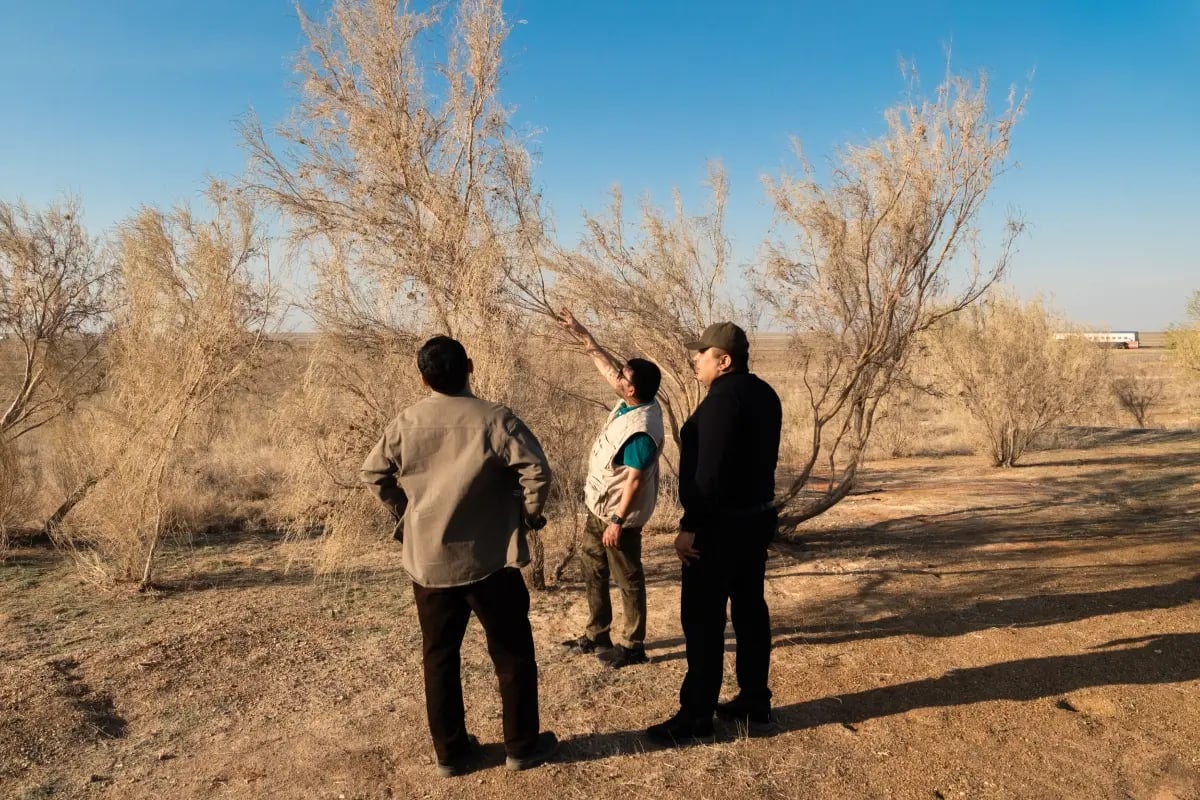 Green Earth team members monitoring saxaul trees during field inspections. Greening of the Dried Aral Sea Project, Green Earth.
Green Earth is also preparing the documentation to expand the project further. An agreement with the regional administration (Akimat) covers an application for approximately 89,000 hectares, with support from local and regional authorities.
The project restores degraded land on the dried banks of the Aral Sea by planting saxaul (Haloxylon), a hardy, salt-tolerant tree suited to the region's harsh desert conditions. New saxaul ecosystems help stabilise the soil, improve air quality, and reduce the salt, dust, and sand storms that affect the area.
Read more: How community stewardship makes carbon credits durable
The project is developed under the Verified Carbon Standard (VCS), using the VM0047 methodology to calculate carbon sequestration and verify carbon credits (Verra project ID 5628). Green Earth's Kazakhstan team leads delivery together with LLP Aral Sea Land, regional authorities, and scientific and implementation partners.
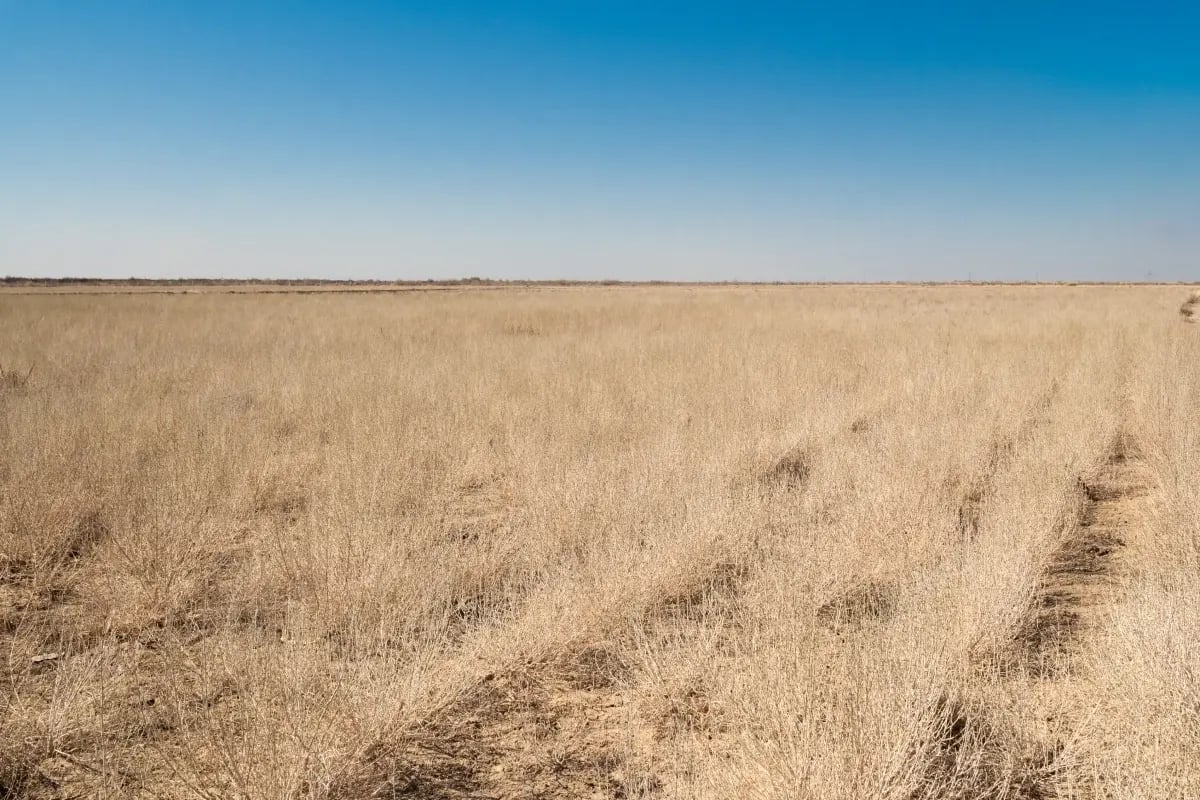 Newly planted saxaul trees supporting ecosystem restoration in the Aral Sea region. Greening of the Dried Aral Sea Project, Green Earth.
Green Earth develops the Greening of the Dried Aral Sea Project from end to end, keeping full oversight from planting and monitoring through to verification under the Verified Carbon Standard. As the project scales towards thousands of hectares to be planted in 2027, the carbon credits it produces over its lifetime give businesses a direct way to support the restoration of the dried Aral Sea and compensate for hard-to-abate emissions within their value chain. Organisations that want to secure carbon credits from this project can speak with our team about current availability and future supply.