Lake Aral Afforestation Project_cover-min-1

Greening of the Dried Aral Sea Project

Discover the Greening of the Dried Aral Sea Project: Reclaiming the Aral Sea's banks in Kazakhstan through saxaul planting, fostering resilient ecosystems, stabilising soil, and mitigating environmental challenges.

tabler-icon-library
Project category
Carbon project
tabler-icon-christmas-tree
Project type
ARR
tabler-icon-timeline-event
Project stage
Project design
tabler-icon-world
Country
Kazakhstan
Vector-Jul-07-2026-11-08-22-9721-AM
Lifetime
41 years
tabler-icon-bookmark
Project ID
Verra VCS: 5628
Rectangle 158-1-1
Project overview

Reviving the Aral Sea bed

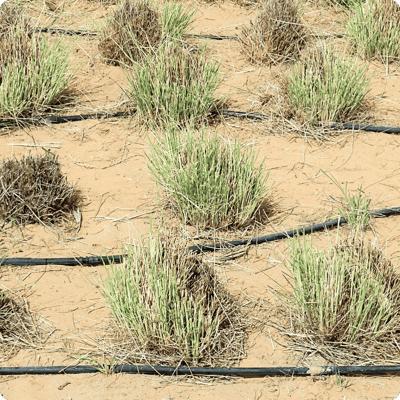
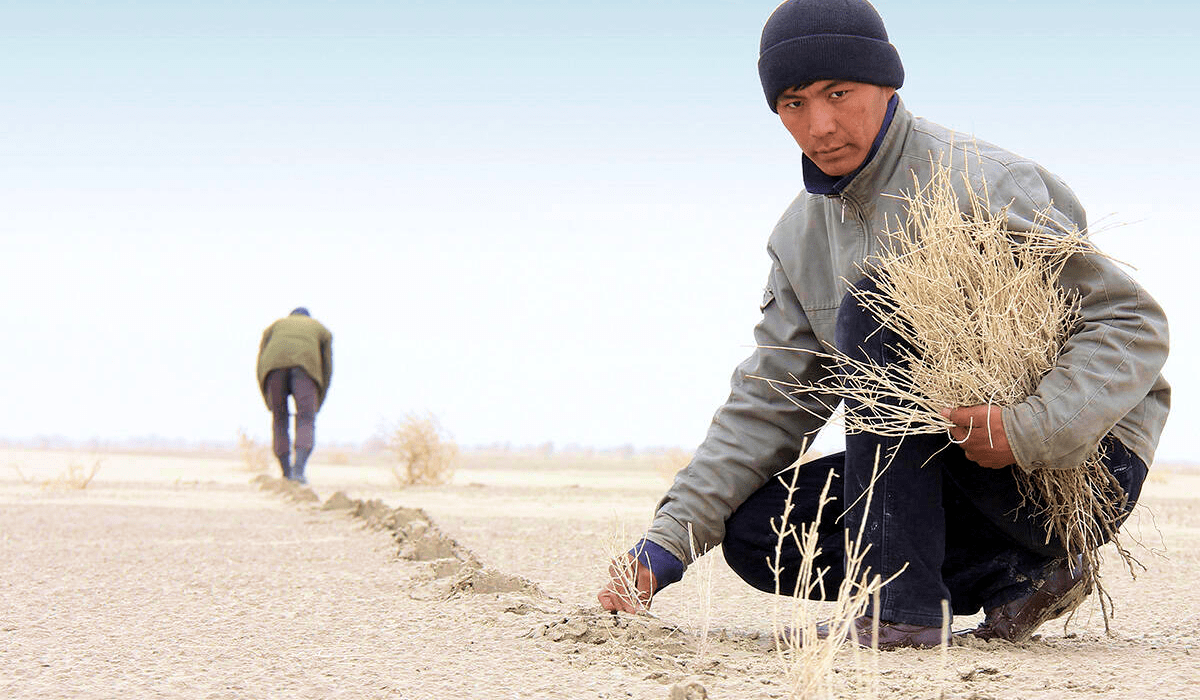
This restoration project replants saxaul trees across the dried, salt-scarred banks of Kazakhstan's Aral Sea, stabilising soil and reviving a landscape devastated by decades of water loss.

Rectangle 158-2-1
37.8M

trees being
planted

1.6M

tonnes of CO₂
to be captured

100,000

hectares
being restored

Download project booklet

Join us to witness the incredible transformation as we breathe new life into once barren lands. Together, we can make a lasting impact and leave a legacy of environmental stewardship for future generations. 

Project impact

The afforestation endeavor in Kazakhstan's Kyzylorda Region nurtures trees and fosters a profound transformation. The strategic cultivation of saxaul offers a range of benefits, combating erosion, purifying the air, and stimulating local economies. In collaboration with local communities and stakeholders, Green Earth ensures the project's longevity and equitable benefits. Afforestation goes beyond planting trees — it cultivates a thriving, sustainable ecosystem that enhances human life and safeguards the environment for future generations.

Community benefits

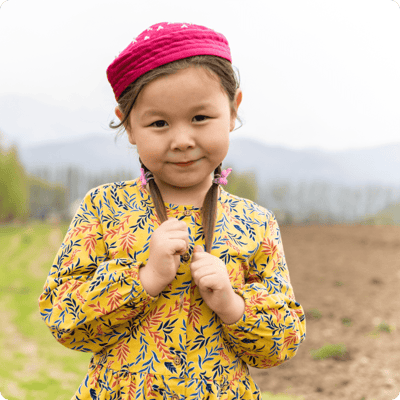
The afforestation project in Kazakhstan is expected to positively impact local communities and the environment in the Kyzylorda Region. Planting saxaul will help stabilise the soil, improve air quality, mitigate the impacts of sand-salt storms, and improve the overall environmental conditions in the area. The project will also provide jobs and other economic opportunities for the local communities. The project involves working closely with local communities, governments, and other stakeholders to ensure that the project is implemented sustainably and responsibly and that the benefits are shared by all.
Lake Aral Afforestation Project_bullet point 1-min

Environmental benefits

Green Earth works closely with local communities to ensure that the project aligns with their needs and priorities and that they and the environment can benefit from the project's positive, long-term, sustainable impacts. This is achieved by collaborating with local partners, undertaking local consultations, developing community projects, providing training, and protecting local livelihoods.

Lake Aral Afforestation Project_bullet point 2-min

Types of trees

ge_greening of the dried aral sea project_saxaul
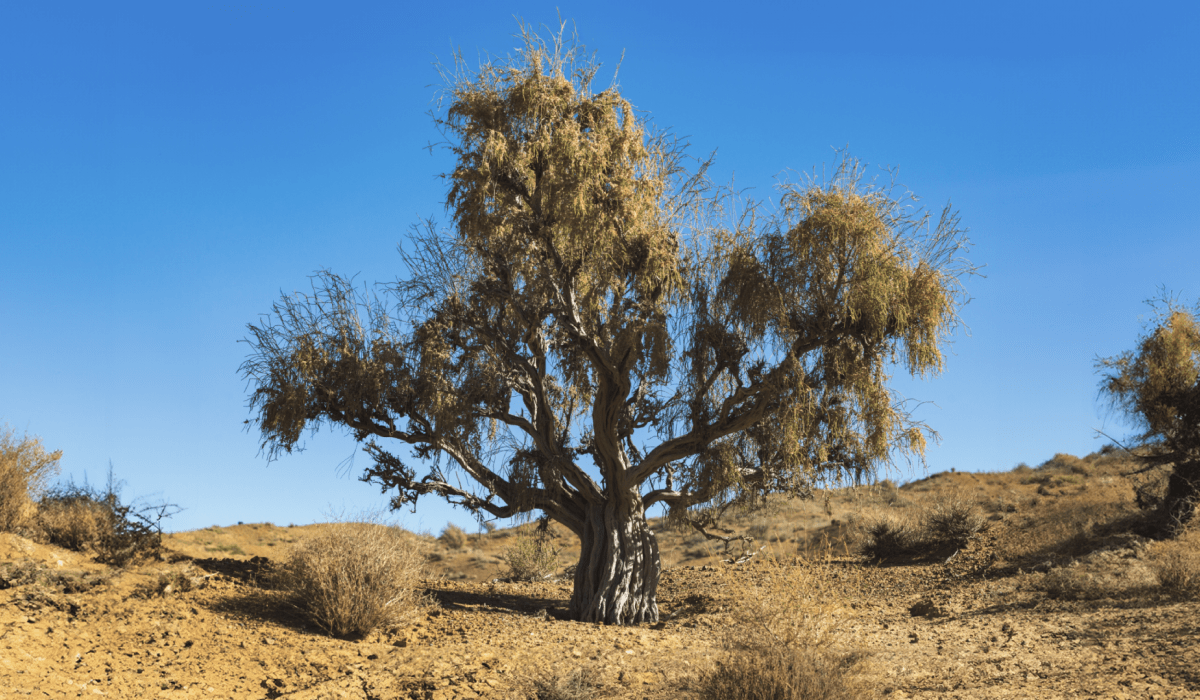
Saxaul (haloxylon genus)

Watch the project video

Kazakhstan

About the region

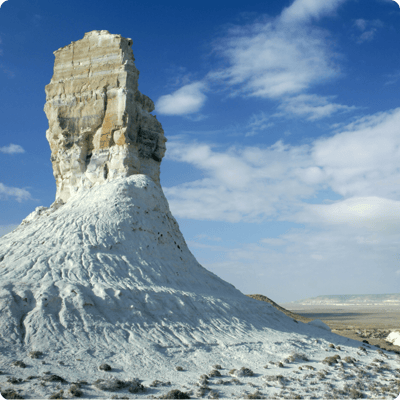
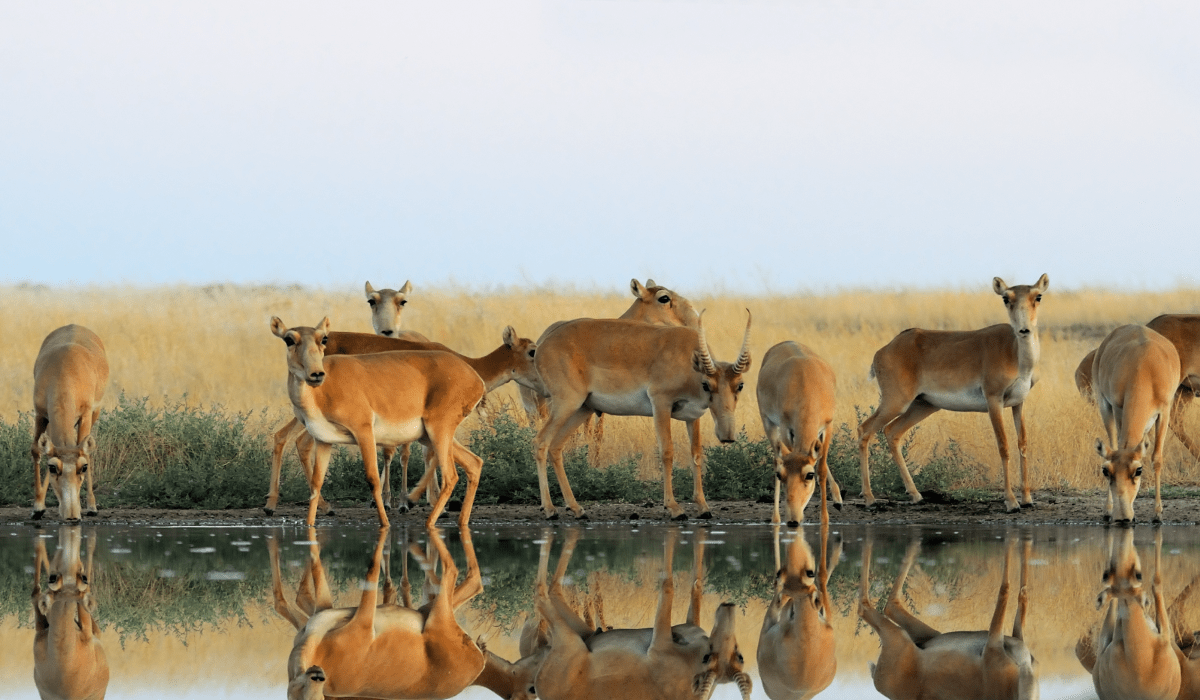
The project region is located in the Kyzylorda Region of Kazakhstan, at the northern end of the dried banks of the Aral Sea. The Aral Sea is a major environmental concern in the region, as the shrinking of the sea leads to increased levels of salt, dust, and sand, negatively impacting air quality, human health, and the local ecology. The Kyzylorda Region is a sparsely populated area with a harsh desert climate. It is considered one of the most ecologically fragile regions of Kazakhstan.

Images gallery

Lake Aral Afforestation Project_gallery 1-min-1
Lake Aral Afforestation Project_gallery 2-min-1
Lake Aral Afforestation Project_gallery 3-min-1
Lake Aral Afforestation Project_gallery 4-min-1
Lake Aral Afforestation Project_gallery 5-min-1

Our nature restoration in action

Cleaner kitchens and growing forests in Kenya
Preparing farmers for a stronger planting season in Bulindi
First harvests and coffee planting in Bungoma, Kenya

Article 6 of the Paris Agreement

Article 6 of the Paris Agreement primarily establishes a governance mechanism with transparent registries for bilateral carbon credit transfers between countries that further facilitates a high-quality global carbon credit trading system. Kazakhstan has recently enacted amendments to its Environmental Code, laying the foundation for its participation in international carbon markets. This updated code is seen as a vital step for Kazakhstan's engagement in activities under Article 6. Our project will align with Article 6's implementation for Kazakhstan.

Build your custom impact portfolio

Connect with our experts to curate a tailored portfolio of verified projects, or to discuss larger purchases. 

We'll guide you through our verified projects and can source specialised credits from our wider global network to help maximise your environmental impact.

image 171