

Bulindi Agroforestry and Chimpanzee Conservation Project
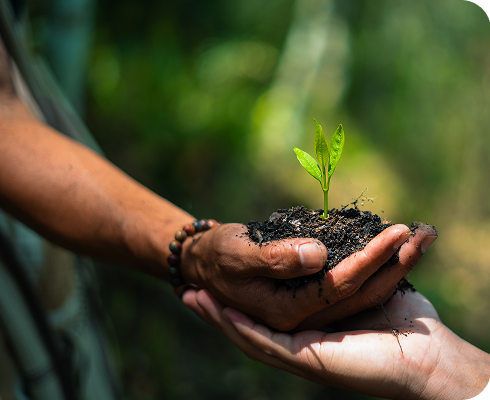
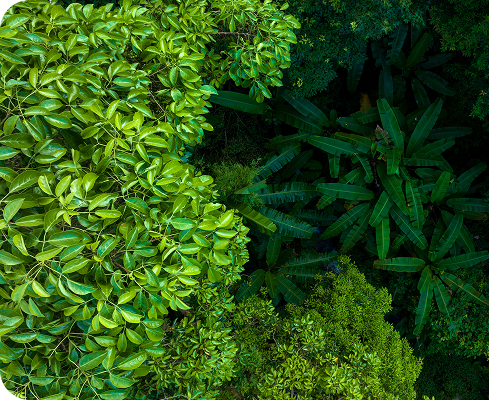
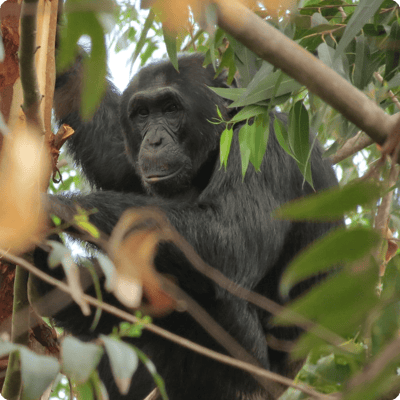
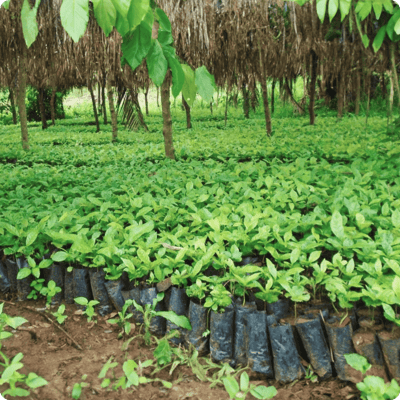
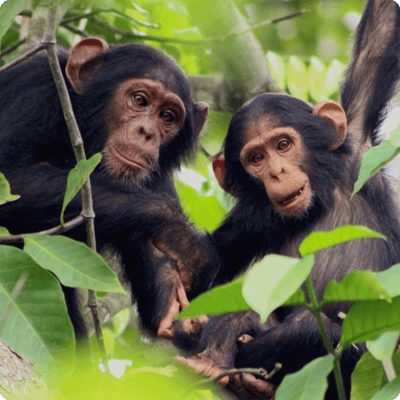
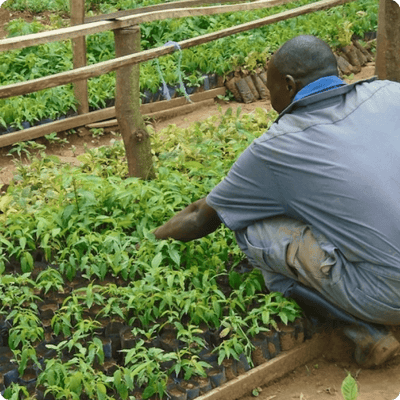
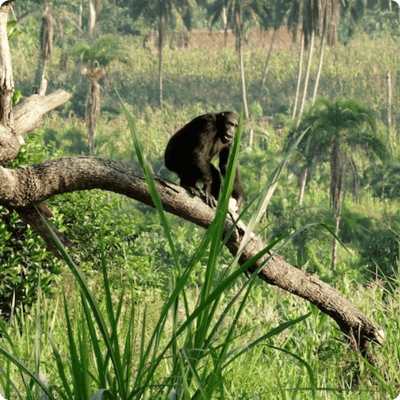
The Bulindi Agroforestry and Chimpanzee Conservation Project is an afforestation project in western Uganda that aims to protect the remaining habitat of the Bulindi chimpanzees and support local village households.

Project category
Carbon project

Project type
ARR

Project stage
Project implementation

Country
Uganda

Lifetime
41 years

Project ID
Gold Standard: 12226
14.36M
trees and bushes
being planted
4.8M
tonnes of CO₂
to be captured
10,262
hectares
being reforested
14,000
farmers to be
positively impacted
Community benefits
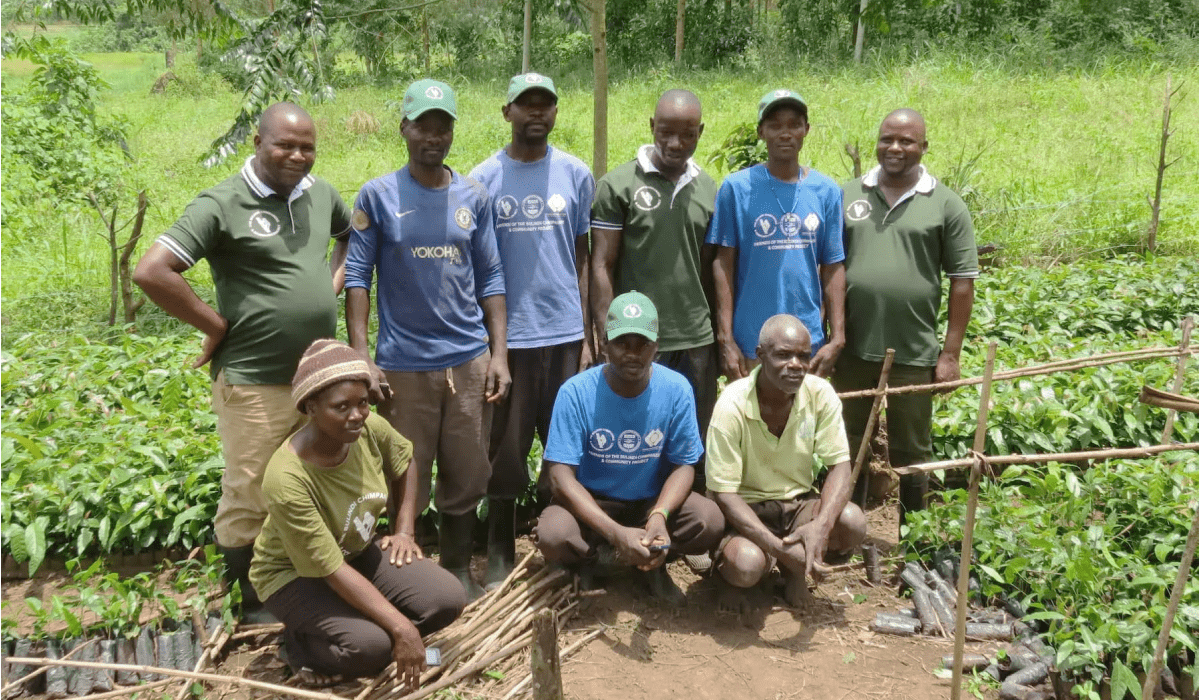
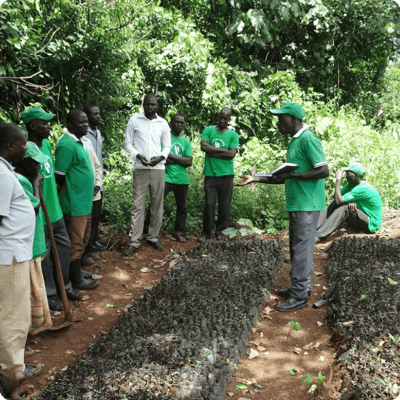
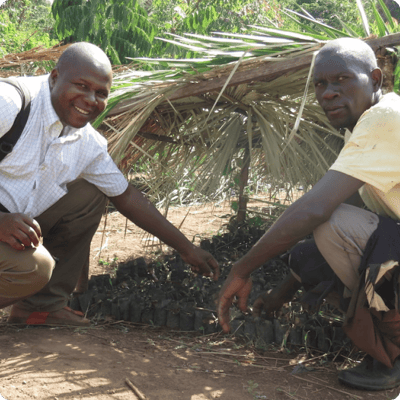
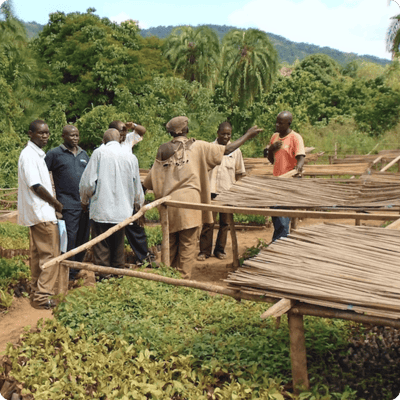
The project's works with local communities and households to find sustainable solutions that will benefit both the chimpanzees and the people, helping local communities conserve the forest. The project supports local households in key areas by providing training, investing in their children's education via a school sponsorship scheme, and supporting small household projects, including house construction and coffee cash-cropping. Additionally, the project constructs village boreholes, providing villagers with access to clean water. The project also provides households with energy-efficient stoves and seedlings for woodlots, which reduce pressure on remaining natural forests.
Environmental benefits
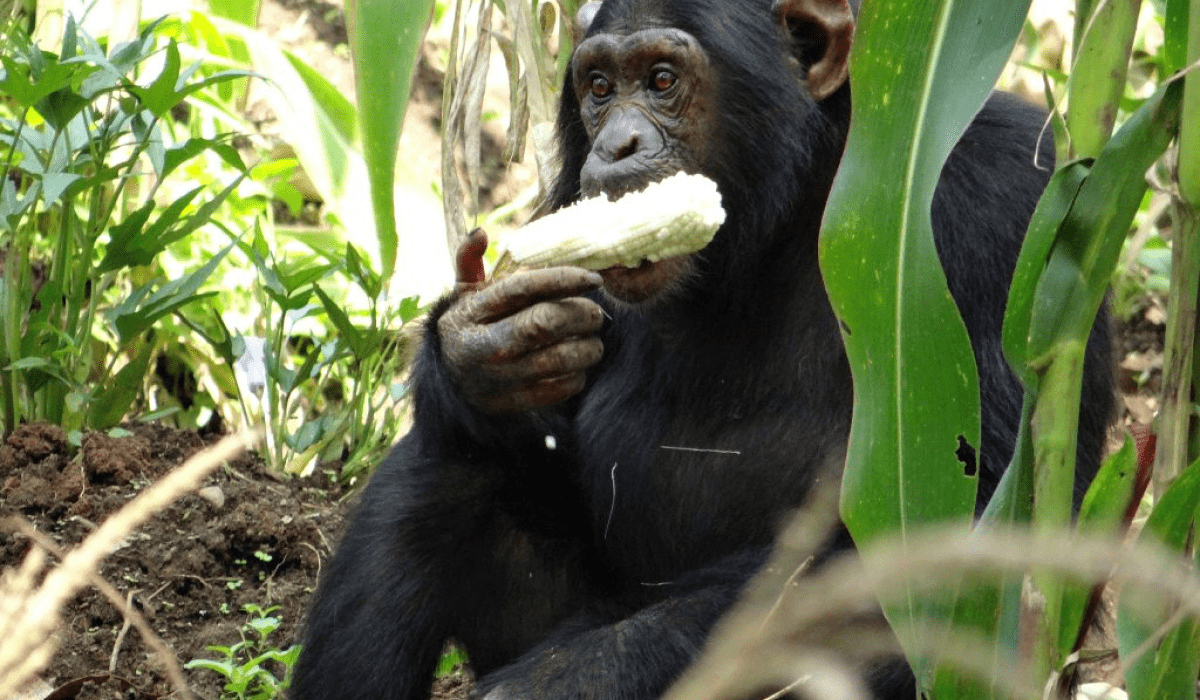
The project positively impacts the environment and chimpanzees through forest enrichment planting that replenishes the forest with natural foods for chimpanzees to reduce human-chimpanzee conflict (by reducing crop ‘raiding’ by the great apes). This also increases the natural habitat of the chimpanzees and other local wildlife, contributing to creating a healthy ecosystem.
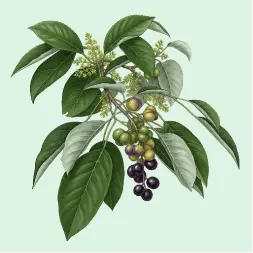

.webp?width=253&height=253&name=the%20bulindi%20agroforestry%20and%20chimpanzee%20conservation%20project_coffea%20canephora%20(coffee).webp)
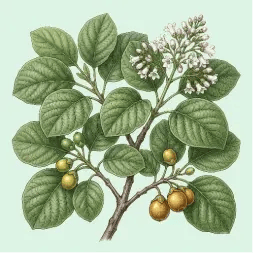
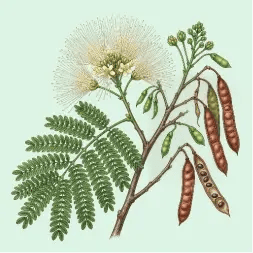
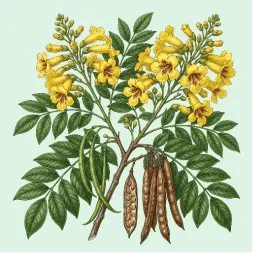
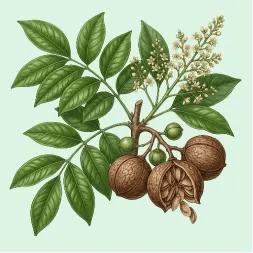
.webp?width=253&height=253&name=the%20bulindi%20agroforestry%20and%20chimpanzee%20conservation%20project_irvingia%20gabonensis%20(mango).webp)
.webp?width=253&height=253&name=the%20bulindi%20agroforestry%20and%20chimpanzee%20conservation%20project_macadamia%20integrifoli%20(macadamia).webp)
Images gallery
Build your custom impact portfolio
Connect with our experts to curate a tailored portfolio of verified projects, or to discuss larger purchases.
We'll guide you through our verified projects and can source specialised credits from our wider global network to help maximise your environmental impact.