

AgreenaCarbon Project
SDGs
  • Zero Hunger
  • Responsible Consumption and Production
  • Climate Action
  • Life on Land

AgreenaCarbon Project

  • Project type Regenerative farming
  • Location Europe
  • Project ID Verra: 4022

Project overview

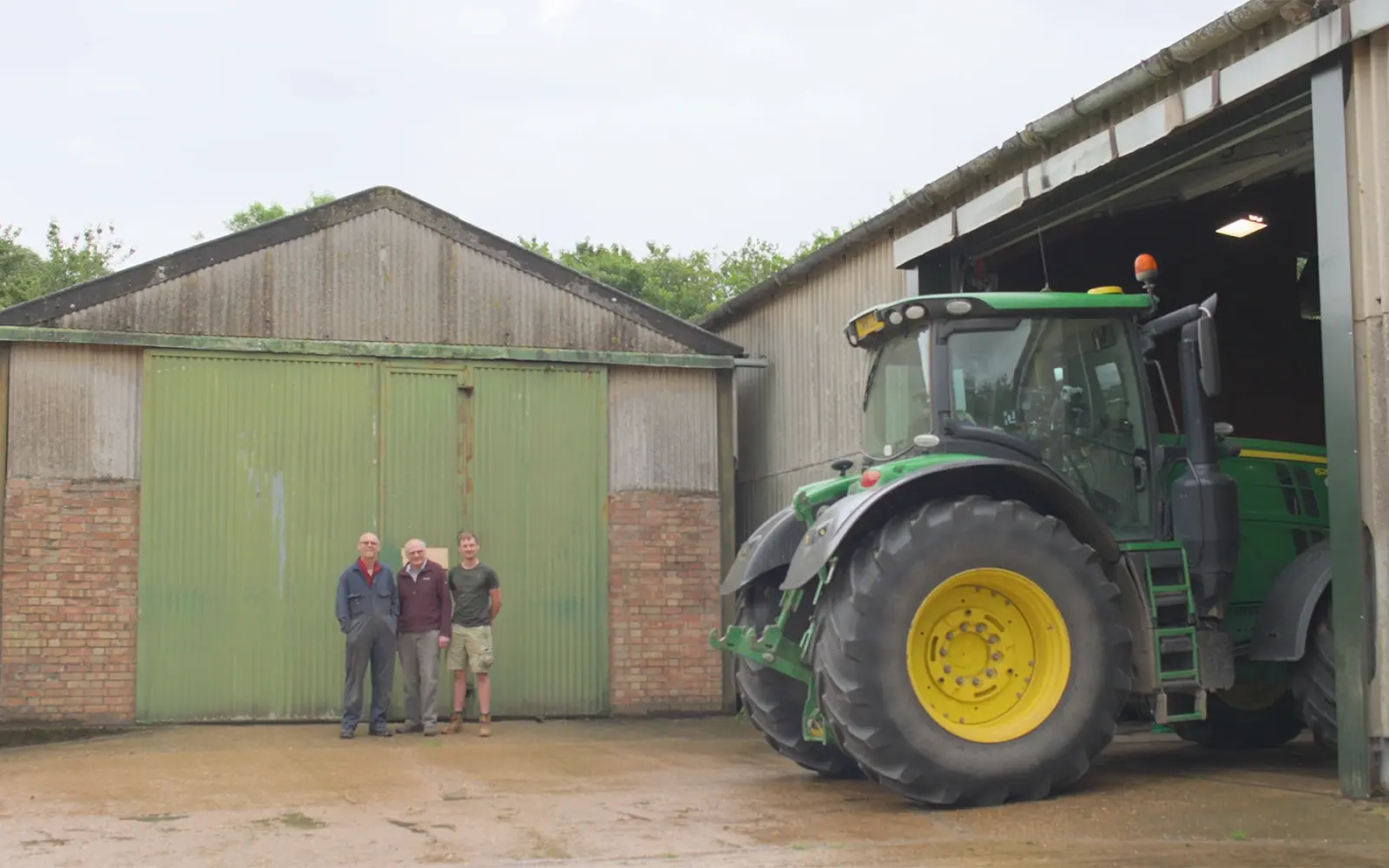
AgreenaCarbon Project is a pan-European regenerative-farming programme covering more than 1.6 million hectares of arable land across ten countries, including Spain, Ukraine, Germany, France, the United Kingdom, and Poland. The Removal stream of the programme represents carbon physically fixed into the deep organic layers of agricultural soil as farmers shift to regenerative practice. Credits are issued under Verra's VCS 4022 listing using the VM0042 methodology, with 2.3 million verified credits issued to date across the programme.

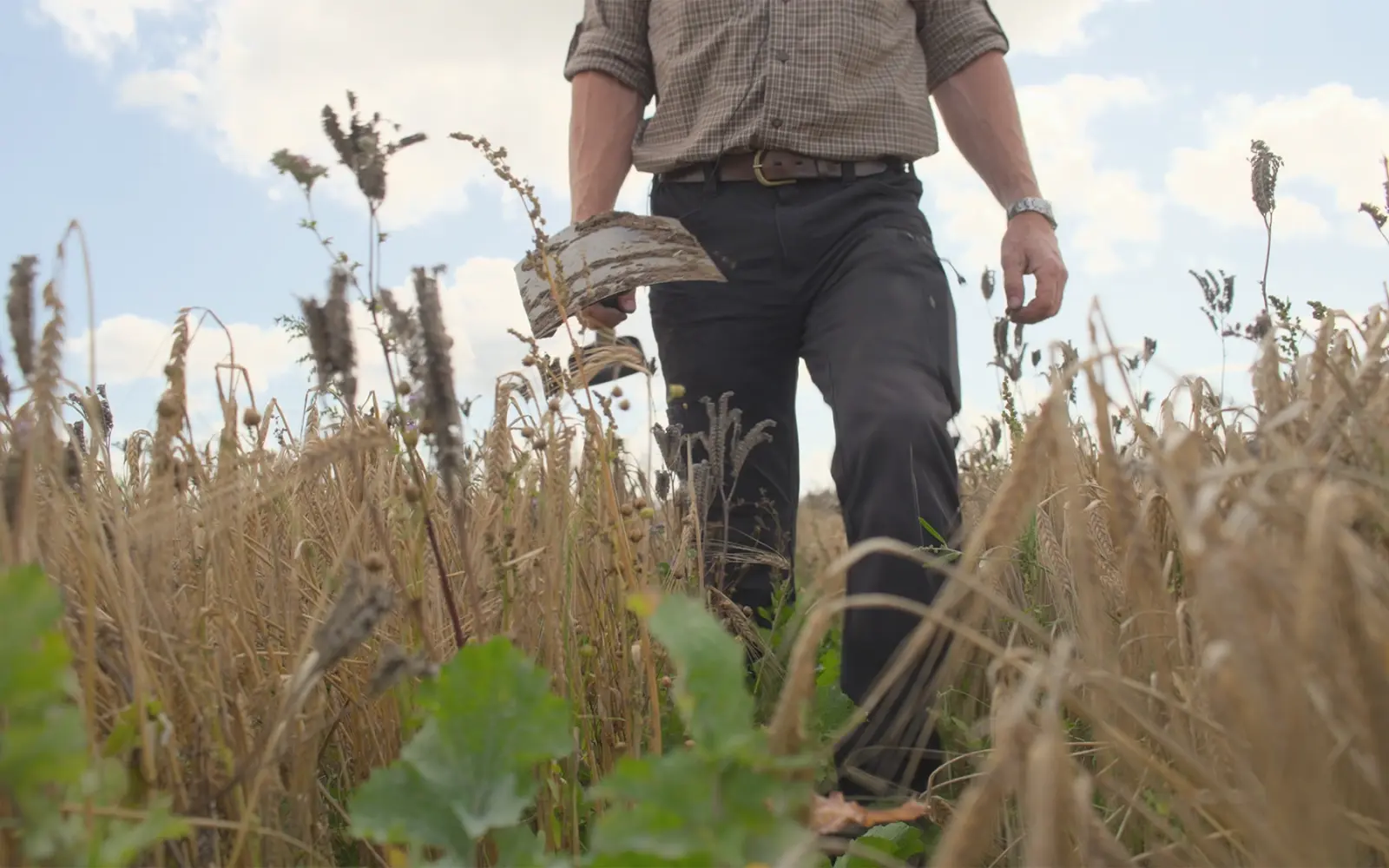
The practice changes that underpin the credits include conservation tillage, cover cropping, diversified rotations, and the optimisation of synthetic nitrogen fertilisers. The credit structure is transparently split between emission avoidance (reduced diesel use in tractors and optimised nitrogen fertiliser application) and carbon removal (CO₂ physically fixed in the deep organic layers of the soil).

The programme is rated “A” by MSCI Carbon Project Ratings, one of the highest scores given to agricultural projects in the market, and has been audited by DNV under VCS and ISO 14064-2 standards. 

Community benefits

  • Thousands of farmers involved: The programme has enrolled thousands of farming families across ten European countries.
  • Farmer economic sustainability: Ecological practices become a new source of direct income through the sale of carbon credits, helping fund the transition to specialised machinery.
  • Resilience in conflict zone: In Ukraine, one of the programme's most critical locations, carbon revenue acts as a financial buffer that helps rural communities maintain the viability of their land through wider economic and logistical shocks.

Environmental and biodiversity benefits

  • Restoring soil health: The shift to conservation agriculture (minimum-tillage or no-till farming) prevents soil erosion, a critical problem that destroys tonnes of fertile land in Europe every year.
  • Water retention: Soils rich in organic matter hold significantly more water, making participating fields more resilient to extreme droughts in southern Europe such as Spain.
  • Microbial biodiversity: By eliminating the aggressive turning of traditional plowing, ecosystems of mycorrhizal fungi, earthworms, and beneficial bacteria that form the base of the agricultural food chain are restored.

Project information

Location Pan-European programme. Primary hubs in Spain, Ukraine, Germany, France, the United Kingdom, and Poland (10 countries)
Country Europe (multi-country)
Developer Agreena
Type Regenerative farming, carbon removal
Methodology VM0042, Improved Agricultural Land Management (v2.0)
Registry listing Verra VCS 4022 
Additional certification MSCI Carbon Project Rating “A”
Credit period 10 years, renewable under Verra AFOLU rules

Certification

Verra-Logo-Plain-Color-PNG 1
large_ccb_79d2d0c153 1-1