

Transformando la Zoca en Biochar
SDGs
  • Zero Hunger
  • Decent Work and Economic Growth
  • Responsible Consumption and Production
  • Climate Action

Transformando la Zoca en Biochar

Project overview

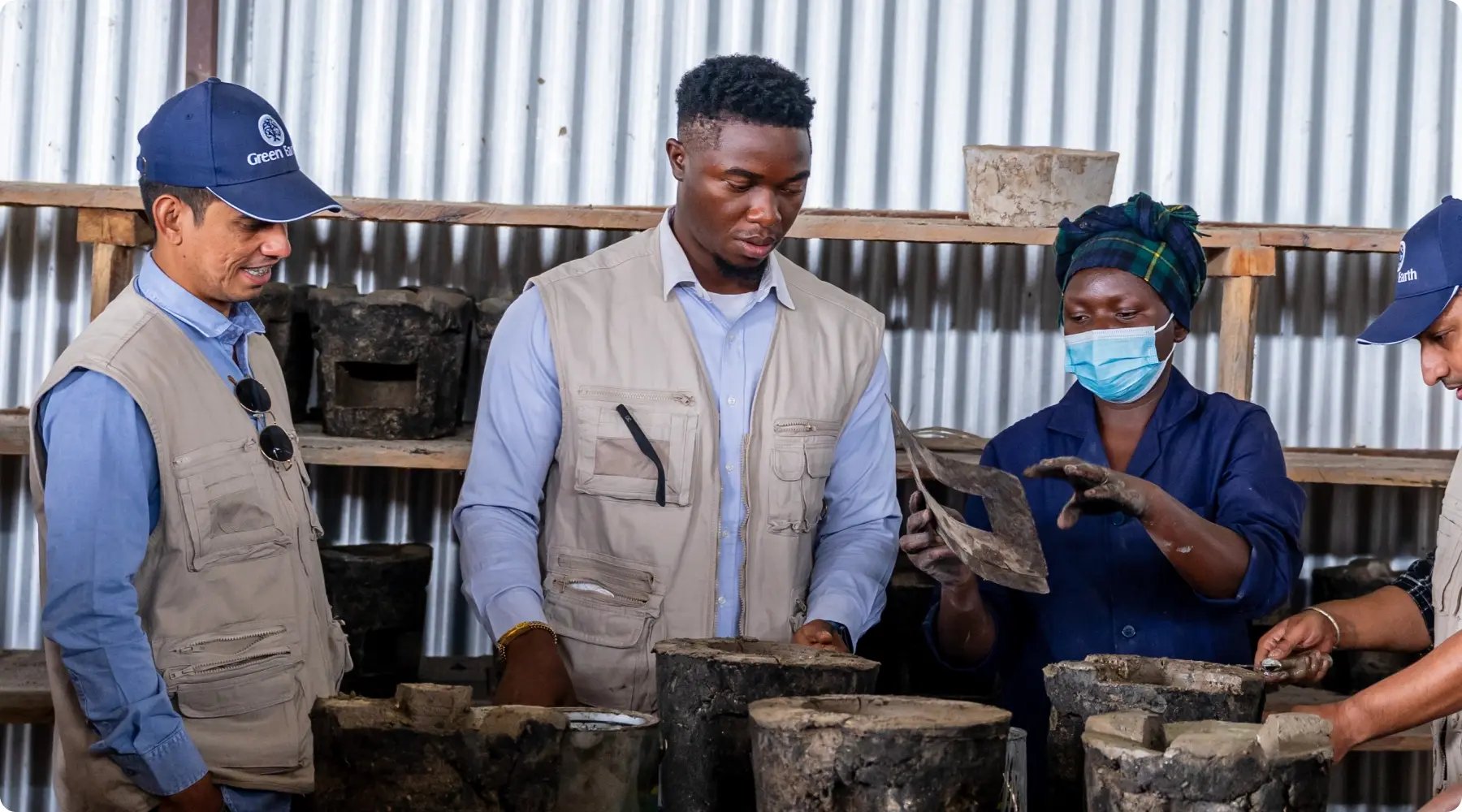
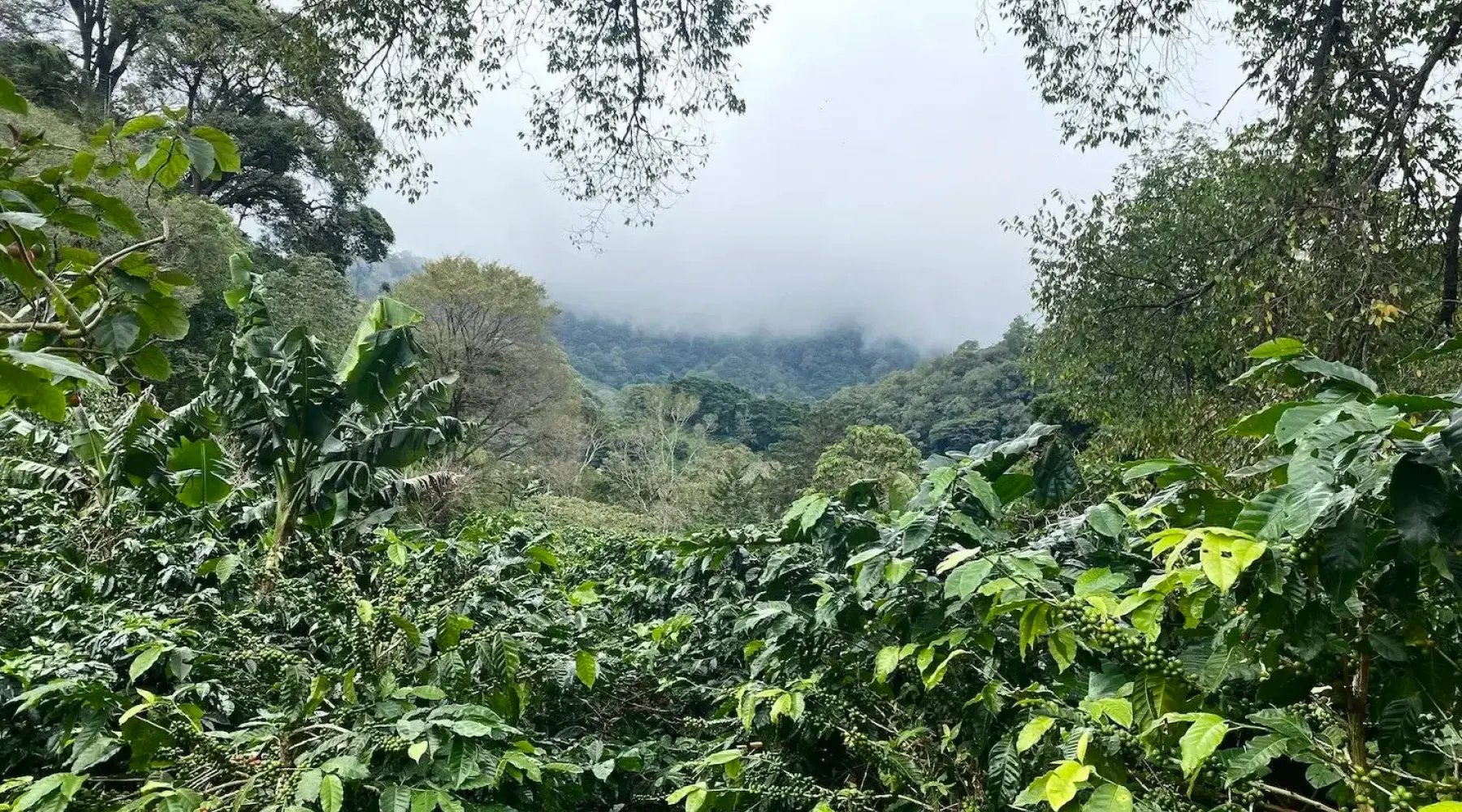
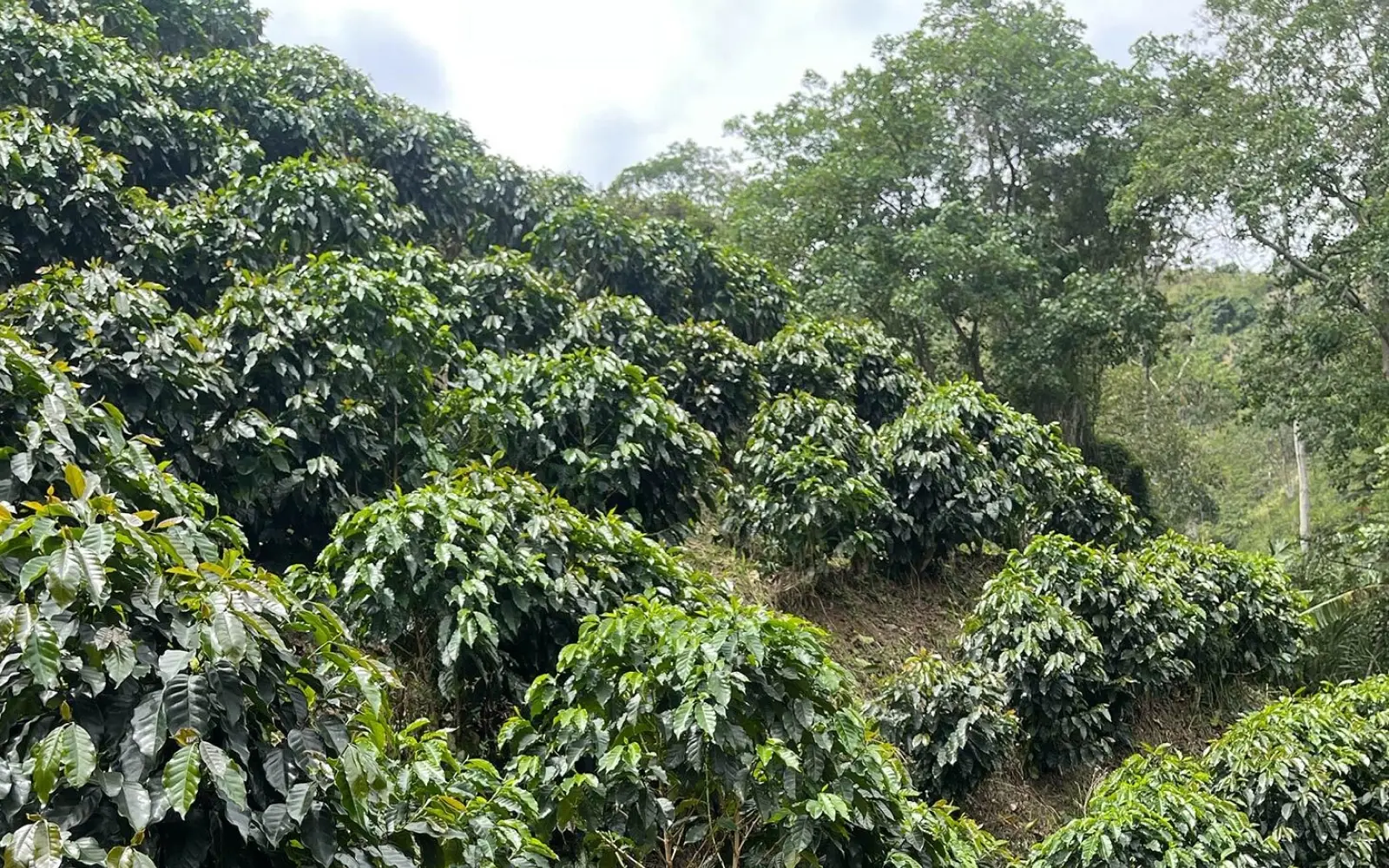
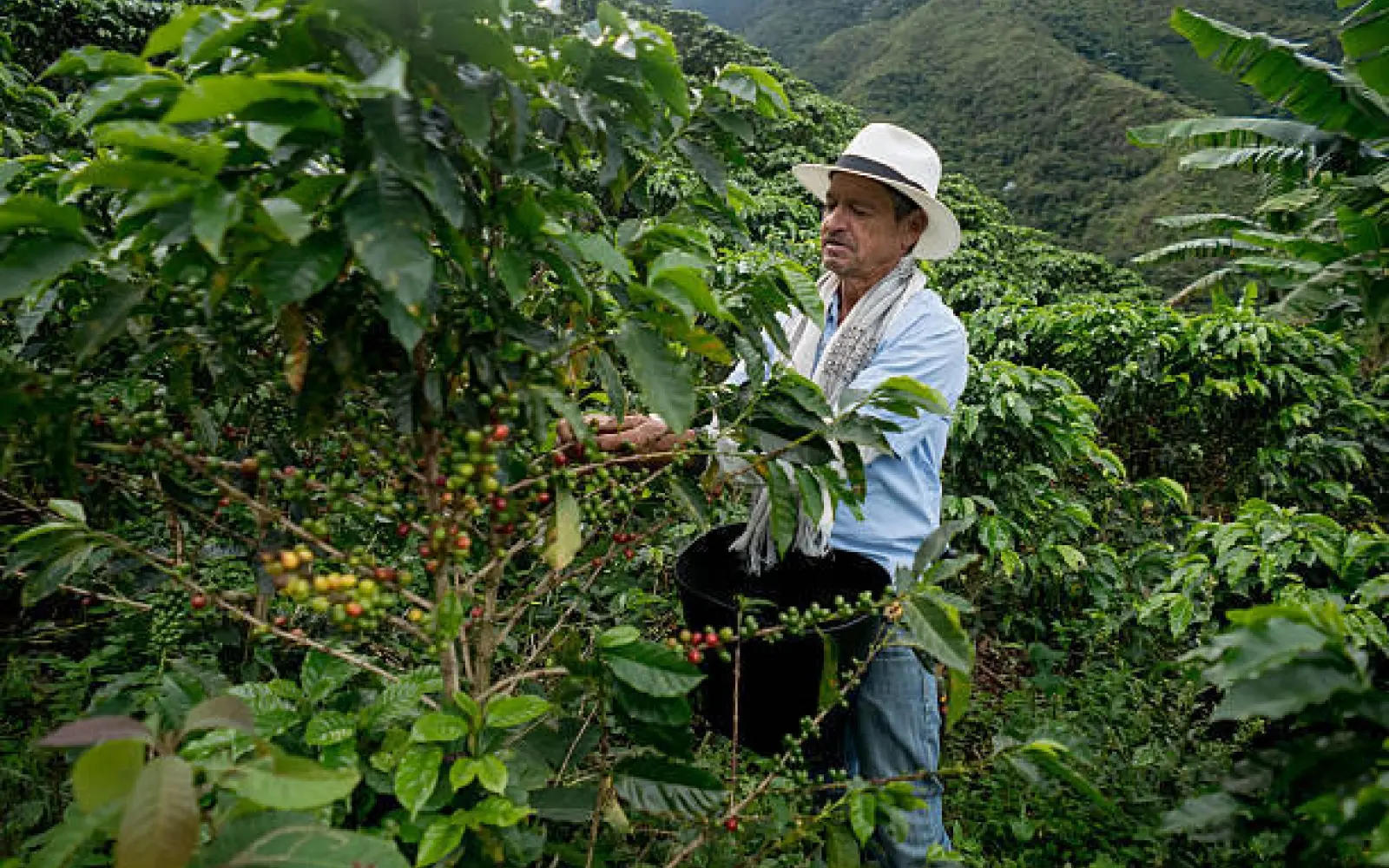
The Transformando la Zoca en Biochar project converts agricultural residues from smallholder coffee farms across Colombia's Coffee Axis (Eje Cafetero) into biochar, a stable form of carbon that remains in the soil for centuries when applied as a soil amendment. Operations are decentralised, deploying small-scale artisan pyrolysis units directly at coffee washing stations (beneficios de café) across major farms in Antioquia, Caldas, and Risaralda. Credits are issued under Carbon Standards International's Global Artisan C-Sink framework, registry ID 1036.

The feedstock is wet coffee waste, including coffee husks (cisco de café) and pulp, that would otherwise rot in the open air and release methane. Pyrolysis converts these residues into a porous, carbon-rich material with over 75 to 80% of the organic carbon locked in a stable crystalline structure, guaranteed to remain sequestered for at least 100 to 500 years. The project removes an estimated 1,200 to 2,500 tCO₂e per year through this technological carbon-removal route.

Community benefits

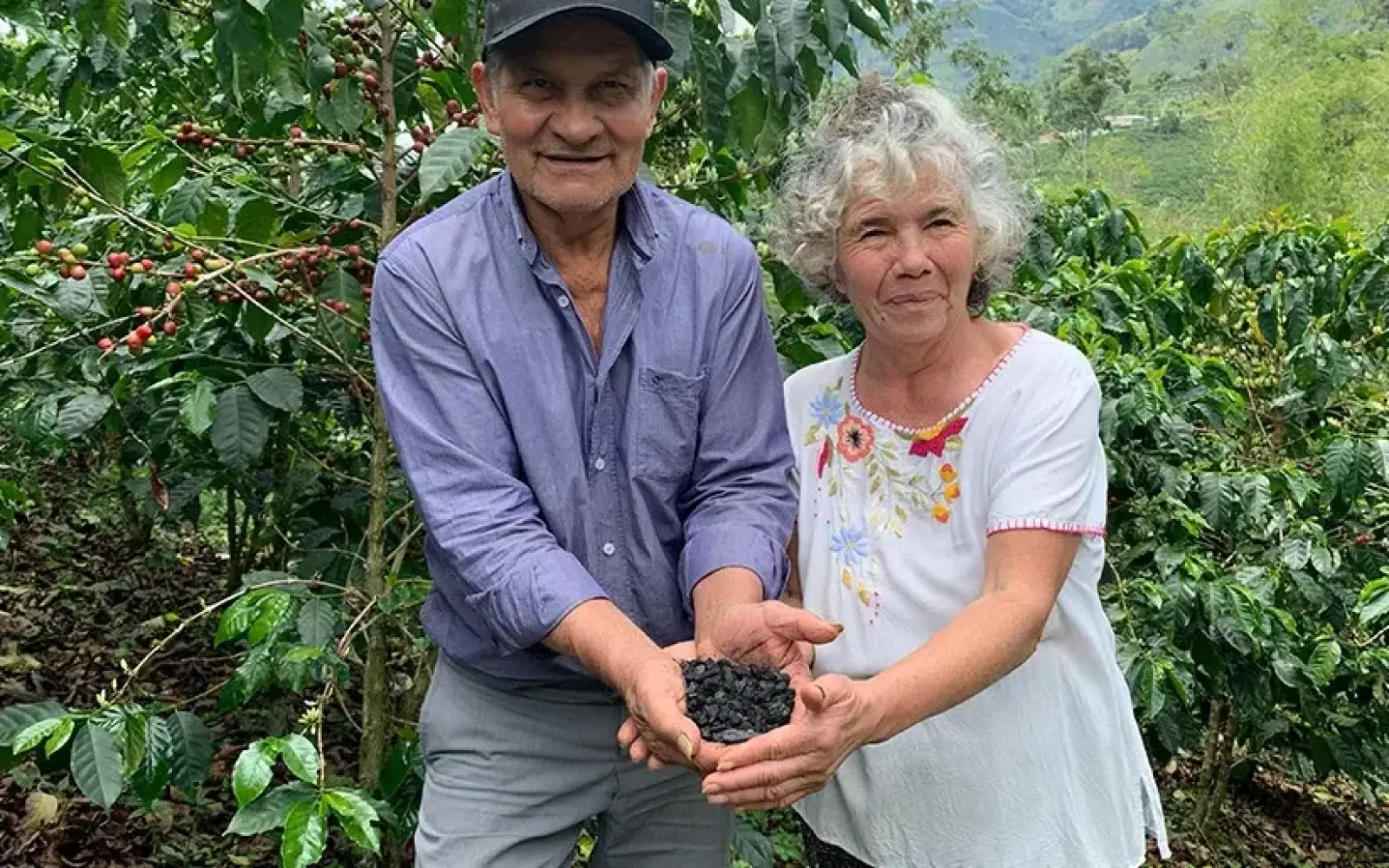
  • Direct micro-income for smallholder families: Designed under the Artisan C-Sink framework, carbon revenue is routed directly to the rural families operating the pyrolysis ovens, improving local livelihood resilience.
  • Cushion against coffee-price volatility: Premium carbon-removal revenue provides a critical economic buffer for smallholders against global coffee-price swings.
  • Circular agronomy training: Farmers receive advanced technical education on biochar activation, mixing it with organic compost and manure to restore old, acidic coffee soils naturally.

Environmental and biodiversity benefits

  • Drastic reduction in water pollution: Raw coffee waste traditional to Colombia creates highly acidic lixiviates that pollute local mountain streams. Upcycling this biomass into biochar effectively eliminates water contamination risks.
  • Soil water-holding capacity: On the steep slopes of the Colombian Andes, biochar enhances the soil's sponge-like capacity, mitigating severe soil erosion during heavy tropical downpours and retaining moisture during dry spells.
  • Reduction in synthetic fertiliser demand: Biochar absorbs and slowly releases nutrients, allowing farmers to scale back reliance on synthetic, fossil-fuel-based nitrogen fertilisers.

Project information

Location Coffee Axis (Eje Cafetero), Colombia. Antioquia, Caldas, and Risaralda departments
Country Colombia
Developer Local coffee cooperatives in partnership with Carbon Storage Networks
Type Biochar, technological carbon removal (Pyrogenic Carbon Capture & Storage)
Methodology CSI Global C-Sink Methodology for Biochar Sequestration
Registry listing Carbon Standards International, C-Sink ID 1036
Credit period 10 years, with flexible extensions based on annual dMRV tracking

Certification

image 5