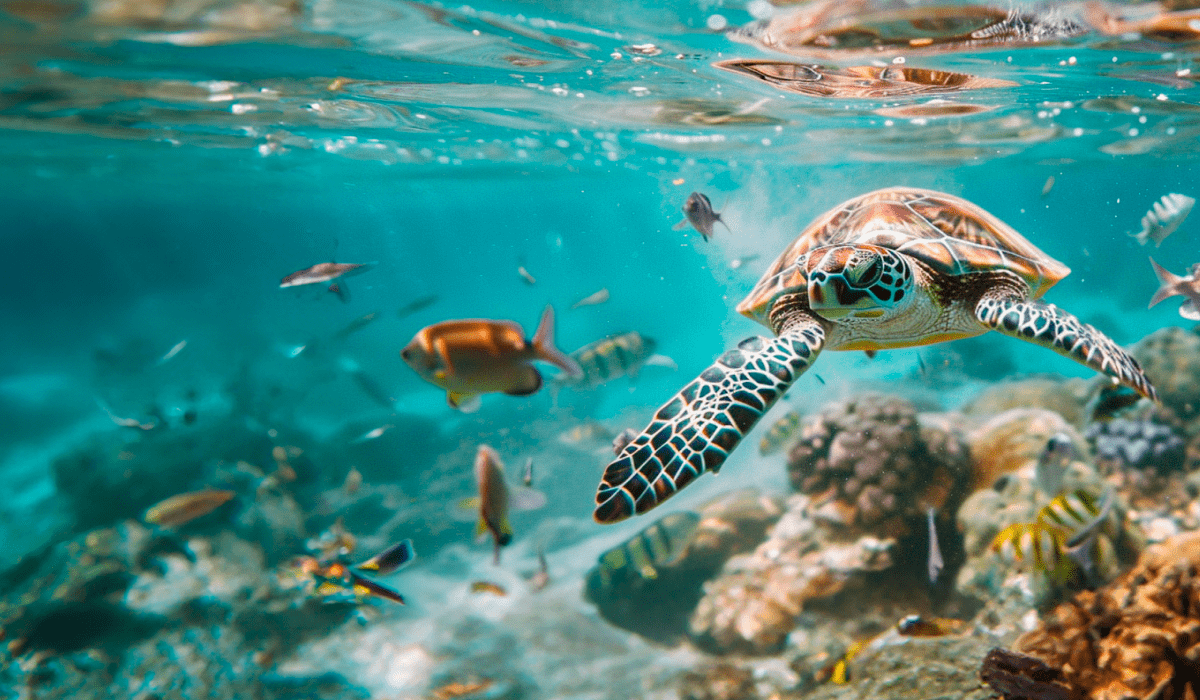
Sri Lanka Plastic Removal Project_cover

Green Wheels Plastic Collection Project

This project combats plastic pollution in Sri Lanka by collecting and recycling plastic waste, creating a cleaner, more sustainable environment.

tabler-icon-library
Project category
Plastic removal project
tabler-icon-christmas-tree
Project type
Plastic collection
tabler-icon-timeline-event
Project stage
Project validation
tabler-icon-world
Country
Sri Lanka
Vector-Jul-07-2026-11-08-22-9721-AM
Lifetime
7 years
Rectangle 158-1-1
Project overview

Pedalling away plastic

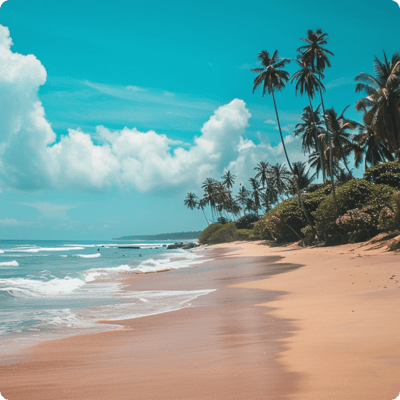
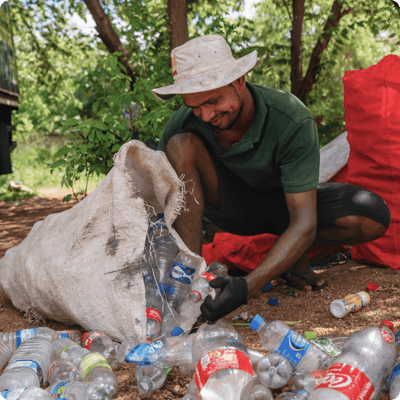
Using electric bikes, this project combats plastic pollution in Sri Lanka by collecting waste from local beaches and coastal communities before it reaches the ocean.

Rectangle 158-2-1
10,400

tonnes of plastic
being removed and recycled

100

kg of plastic
collected per e-bike per day

10,400

plastic credits
to be generated

Download project booklet

Join us to witness the incredible transformation as we create cleaner, healthier environments. Together, we can make a lasting impact and leave a legacy of environmental stewardship for future generations.

Project impact

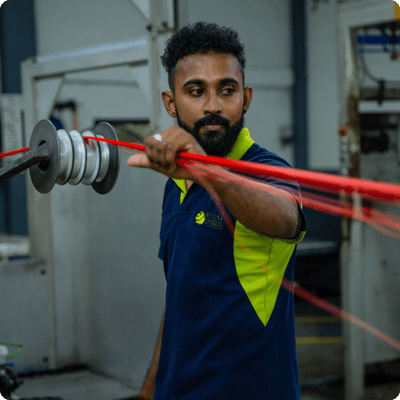
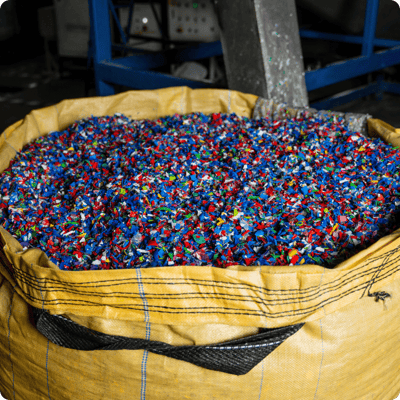
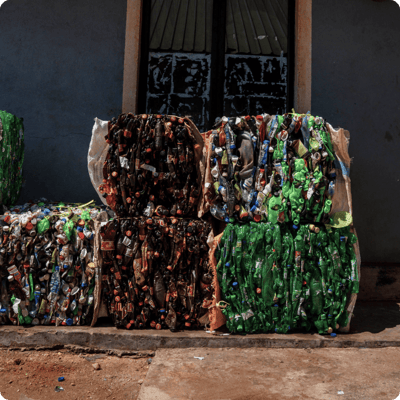
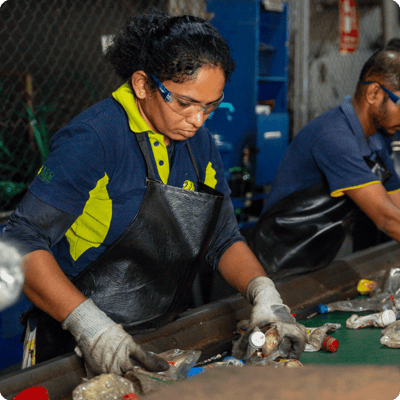
The Green Wheels Plastic Collection Project, launched by Green Earth in partnership with Eco Spindles, tackles plastic pollution in Sri Lanka using a fleet of locally manufactured e-bikes to collect waste from beaches, riverbanks, and other natural areas. The recycled plastic is transformed into textile fibres and brush filaments, supporting local manufacturing and a circular economy. Beyond restoring the health of local ecosystems, removing this waste reduces communities' exposure to harmful pollutants, from minor irritations to more serious health risks linked to long-term exposure. By turning plastic waste into valuable products, the project delivers environmental and social benefits side by side.

Community benefits

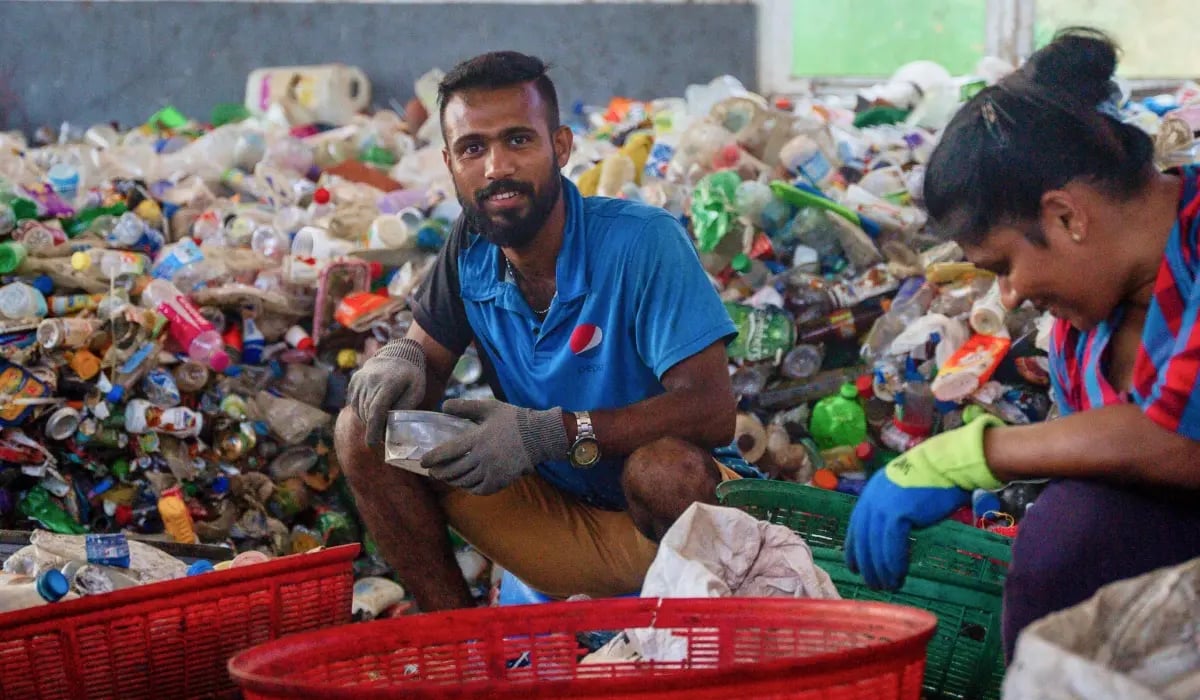
Socially, the project will create numerous job opportunities for locals, particularly in the waste collection and processing sectors. This will provide valuable employment in communities, enhance skills, and improve economic stability. Culturally, cleaner environments foster a greater sense of community pride and enhance the aesthetic value of natural landscapes. This is particularly important in areas like Sri Lanka, where natural beauty is a significant cultural and economic asset, attracting tourists and supporting local traditions. Moreover, by converting collected plastic into new products, the initiative promotes waste reduction and resource efficiency.
Sri Lanka Plastic Removal Project_bullet point 1

Environmental benefits

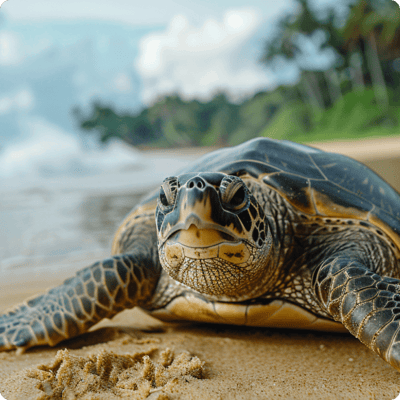
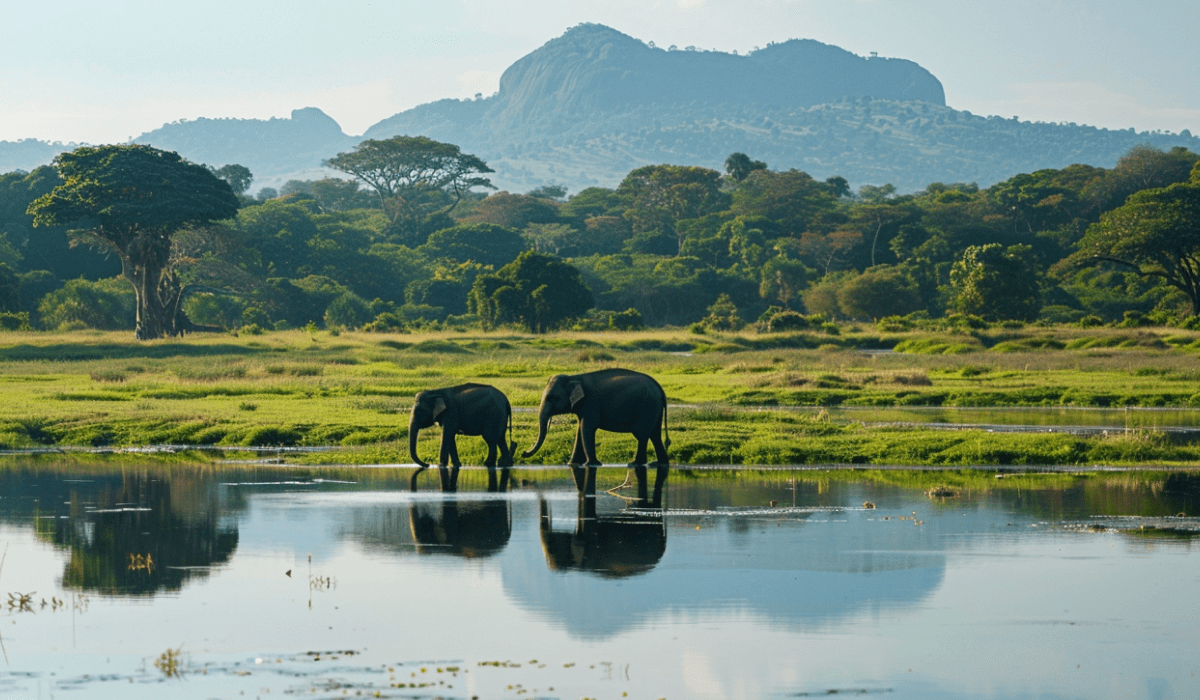
Environmentally, the project will significantly reduce plastic pollution on beaches and in marine environments, improving ecosystem health and biodiversity. Removing plastic waste from these areas will also prevent wildlife, such as elephants and marine species, from ingesting or becoming entangled in plastic, which can be fatal. This initiative not only safeguards animals but also restores vital habitats, creating a cleaner, healthier environment for all.
Sri Lanka Plastic Removal Project_bullet point 2

Watch the project video

Sri Lanka

About the region

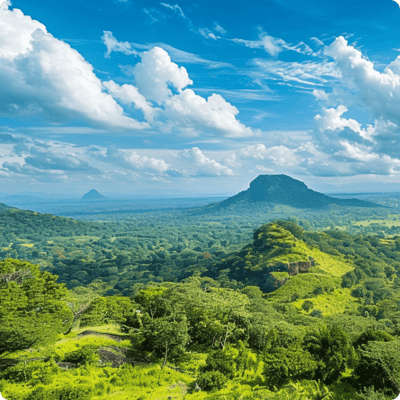
The project operates in four locations across Sri Lanka: the coastal areas of Mirissa, Colombo, and Negombo, and the inland city of Anuradhapura, spanning landscapes from sandy beaches and mangroves to urban centres and ancient cultural sites. Sri Lanka's wildlife is remarkably diverse, from elephants, leopards, sea turtles, and dolphins to the coral reefs and migratory whales off Mirissa and Negombo, and the dry-forest species around Anuradhapura adapted to semi-arid conditions.

Plastic pollution threatens this wildlife directly, as animals often ingest or become entangled in waste, sometimes fatally. By focusing on these locations, the project protects critical habitats, preserves biodiversity, and restores ecosystems that both wildlife and local communities depend on.

Images gallery

Sri Lanka Plastic Removal Project_gallery 1
Sri Lanka Plastic Removal Project_gallery 2
Sri Lanka Plastic Removal Project_gallery 3
Sri Lanka Plastic Removal Project_gallery 4
Sri Lanka Plastic Removal Project_gallery 5
Sri Lanka Plastic Removal Project_gallery 1-min
Sri Lanka Plastic Removal Project_gallery 2-min
Sri Lanka Plastic Removal Project_gallery 3-min
Sri Lanka Plastic Removal Project_gallery 4-min
Sri Lanka Plastic Removal Project_gallery 5-min

Our nature restoration in action

Preparing farmers for a stronger planting season in Bulindi
First harvests and coffee planting in Bungoma, Kenya
Kazakhstan saxaul pilot points the way to scale-up

Article 6 of the Paris Agreement

Article 6 of the Paris Agreement primarily establishes a governance mechanism with transparent registries for bilateral carbon credit transfers between countries that further facilitates a high-quality global carbon credit trading system. Kenya has recently enacted a new Climate Change Act, laying the foundation for its participation in international carbon markets. This updated act is seen as a vital step for Kenya's engagement in activities under Article 6. Our project will align with Article 6’s implementation for Kenya.

Build your custom impact portfolio

Connect with our experts to curate a tailored portfolio of verified projects, or to discuss larger purchases. 

We'll guide you through our verified projects and can source specialised credits from our wider global network to help maximise your environmental impact.

image 171