
Carbon credits
Carbon markets
Decarbonisation
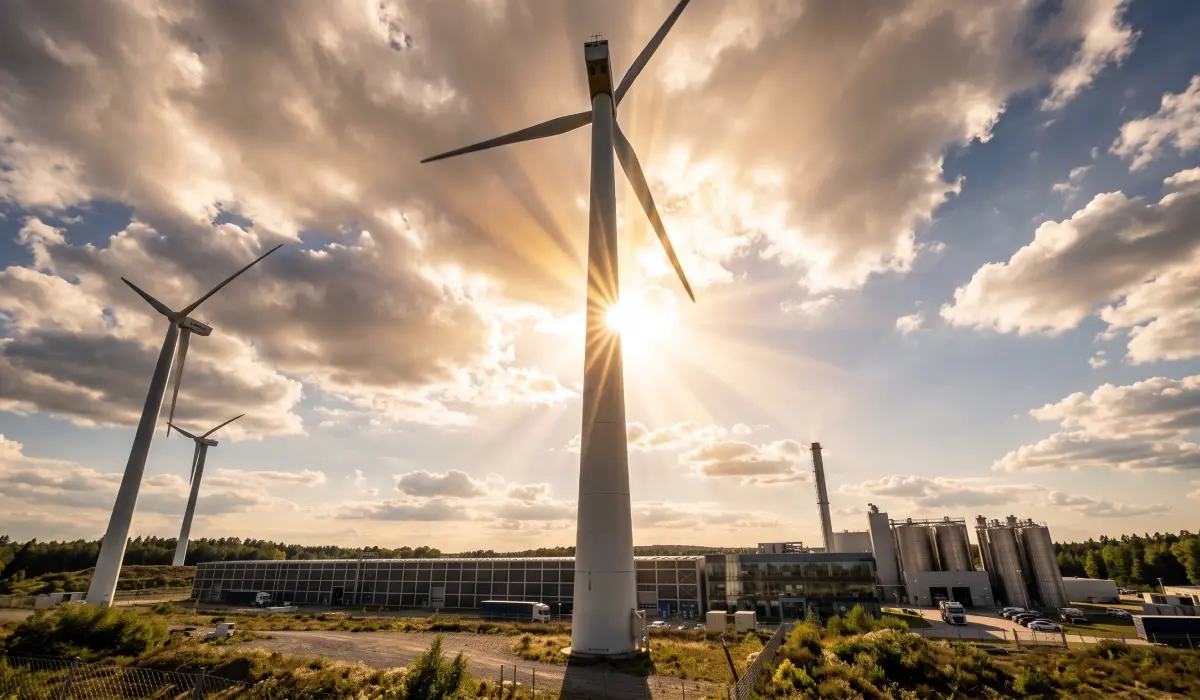
The financial case for decarbonisation is strengthening across major markets, and companies that move early can secure lasting cost advantages, according to McKinsey advisers. Their opinion piece, published on 9 September, finds that in certain contexts the highest-return option is to act on emissions now, because policy and market shifts are reshaping the economics of decarbonisation.
Europe sits at the centre of this shift. Carbon is becoming a direct business cost across the region, and the economics increasingly reward companies positioned to move first. In Europe especially, the advisers write, “early movers can create structural advantage”, and “the penalty for delay is becoming quantifiable”.
Two policy mechanisms drive the change. The EU Emissions Trading System (ETS) is phasing out free allowances by 2034, with a July 2026 European Commission proposal to extend the deadline to 2038. Alongside it, the Carbon Border Adjustment Mechanism (CBAM) applies a carbon price to imports across six sectors: cement, iron and steel, aluminium, fertilisers, hydrogen, and electricity. For large cement producers, the analysis puts up to €1 billion in annual value at stake by 2030 at projected carbon prices of €150 per tonne of CO2.
Read more: New study shows the significant returns of inversing in nature
Supply constraints add a second pressure. The gap between stated demand for low-carbon steel and available supply is projected to reach roughly 35% by 2030, and for aluminium the gap sits near 31%. Companies that secure supply agreements now lock in access and cost positions ahead of rising premiums.
Early corporate moves reflect this calculus. Chemicals group BASF has set its green transformation investment at €1.2 billion for 2026 to 2029. Swedish steelmaker SSAB is continuing a €4.5 billion investment in an electric steel mill in Luleå, now designated an EU strategic net-zero project. Verified emissions data carries a direct payoff too: importers that invest in supply-chain transparency can cut their CBAM liability by up to 60% compared with penalty-level default benchmarks.
Execution discipline separates the leaders. The strongest performers rank initiatives by cost savings, margin protection, and risk reduction, then deliver the most attractive ones at pace, funding harder abatement from the savings.
The advisers expect this reset to reshape competition over the coming decade. They write: “We expect that many of the next decade’s leading companies will be those that identify where sustainability creates value—and move more nimbly than their competitors to capture that value.”
Read more: Net zero needs nature: a carbon credit guide
As the business case for reducing emissions strengthens, demand for credible, nature-based carbon credits grows alongside it. Even disciplined decarbonisation leaves hard-to-abate emissions, and businesses preparing for this shift need a dependable supply they can stand behind: credits that are verified, traceable, and backed by real environmental results. Green Earth provides that supply, giving businesses access to high-integrity carbon credits from nature-based carbon projects that restore ecosystems and support local communities, so you can meet rising expectations for quality with confidence.