
Tree planting
Carbon credits
Cookstoves
Project updates
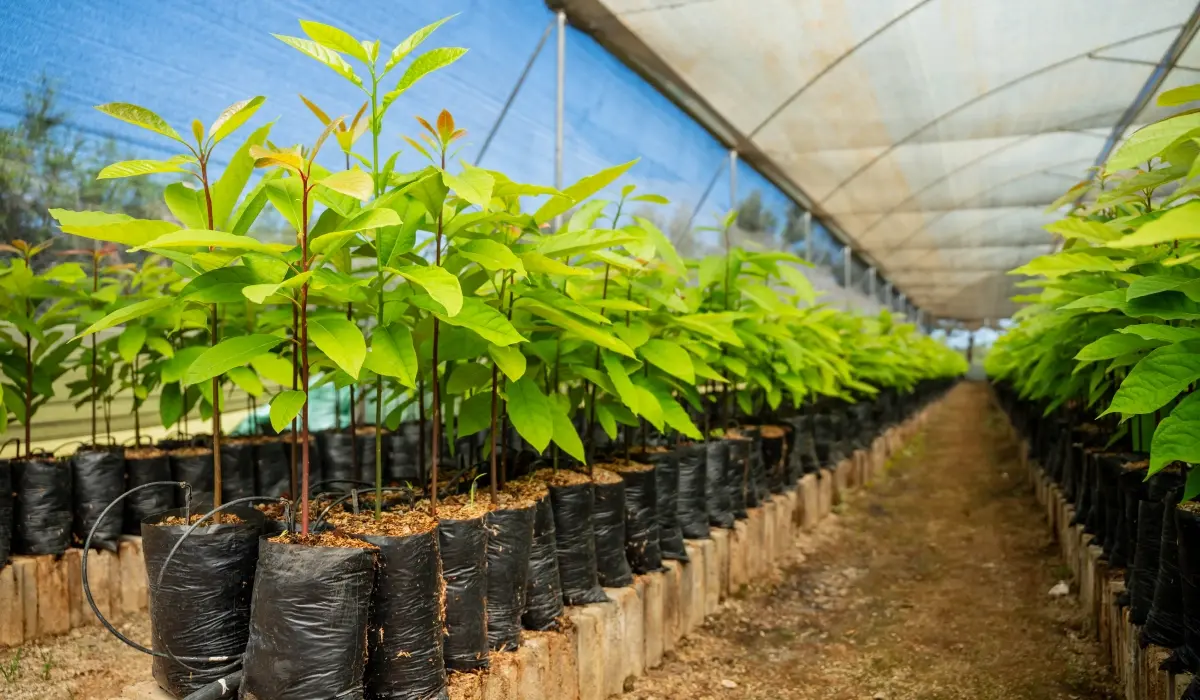
Green Earth's field teams in Laikipia County, Kenya, moved two workstreams forward across the first half of 2026: tree planting, and the roll-out of energy-efficient cookstoves to households near Rumuruti.
On 28 March 2026, Tetu Solio Primary School hosted a community planting day. Around 1,000 pupils and staff each put a seedling in the ground, adding 1,000 trees to the school grounds. Green Earth prepared the site and guided the planting through its agronomists, and the Rotary Club of Nairobi-Gigiri donated the seedlings alongside Green Earth. Koinange Wahome, County Secretary for Laikipia County, joined the day.
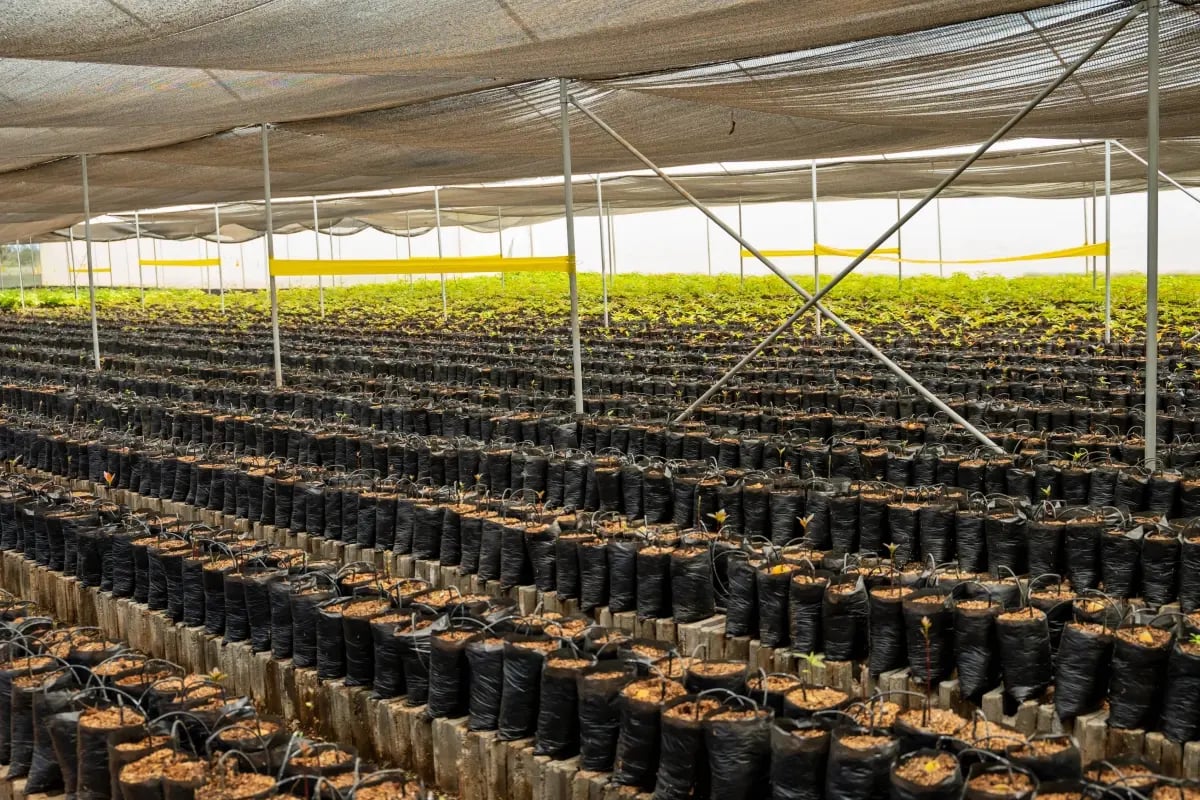 Young trees ready for planting, selected to provide long-term environmental and community benefits. Hongera Energy Efficient Cookstoves Project, Green Earth.
The species were chosen for the value they return to the school and the surrounding land: shade, windbreaks, medicinal use, and a renewable source of fuelwood that eases pressure on nearby forests. Tetu Solio sits inside the project region and has the space to host mature trees, which made it a natural starting point for the planting event. The school administration and pupils now care for the trees as they establish.
Read more: Planning a food forest: the foundations for long-term carbon integrity in Kenya
In June, near Rumuruti in Laikipia West, Green Earth distributed a batch of 900 energy-efficient cookstoves under the Hongera Energy Efficient Cookstoves Project. Each stove goes to one household, reaching 900 households across a town with many different communities. The stoves significantly cut the volume of wood each family needs, which supports cleaner air in the home and reduced demand on local woodlands.
 Distribution of Hongera energy-efficient cookstoves to local households near Rumuruti, Kenya. Hongera Energy Efficient Cookstoves Project, Green Earth.
The Hongera Energy Efficient Cookstoves Project turns cleaner cooking into measurable environmental gains. Green Earth monitors stove usage and measures the emissions reductions achieved, which are then independently verified to the Gold Standard and issued as carbon credits — the same credits that fund the next batch of stoves and the community benefits that travel with them.
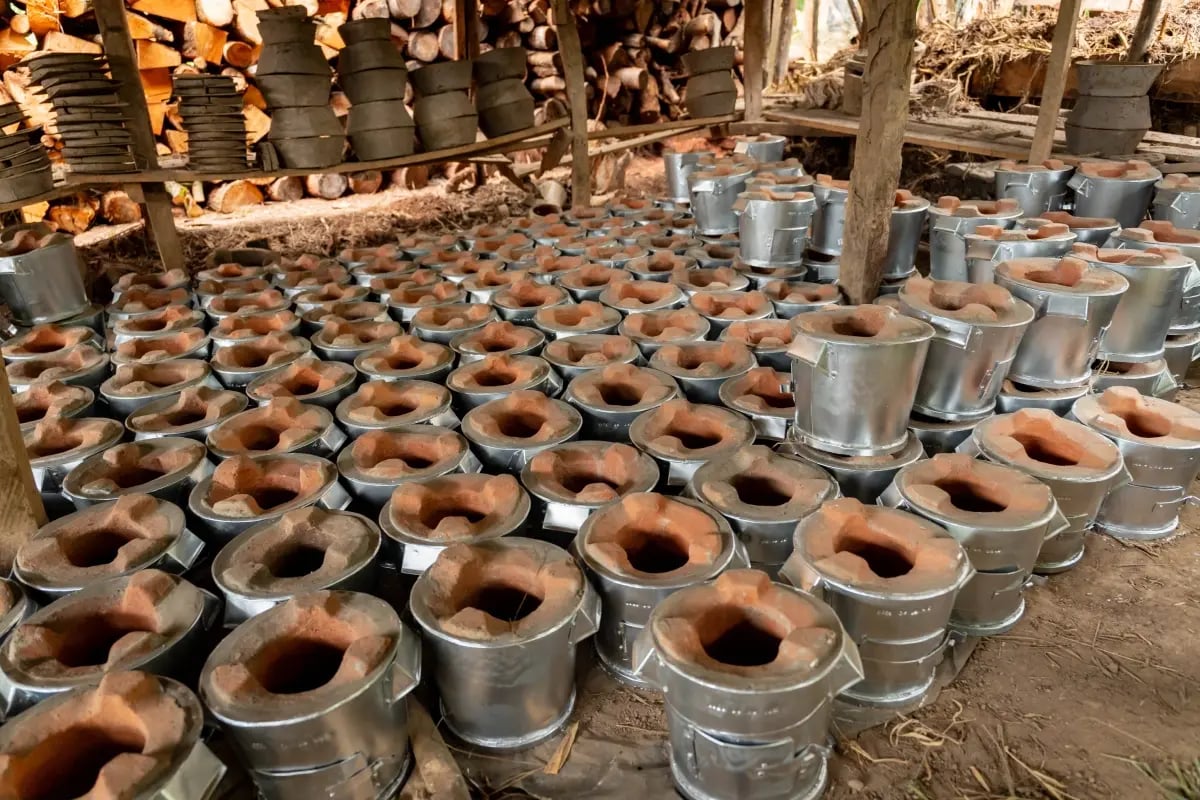 Hongera energy-efficient cookstoves factory. Hongera Energy Efficient Cookstoves Project, Green Earth.
Green Earth develops Hongera end to end, from the stove production to the verified credit on the registry. For businesses working to compensate for hard-to-abate emissions, credits like these carry a clear mission: cleaner air in thousands of Kenyan homes, forests left standing, and more resilient and thriving communities in a healthier environment.