
Kenya
Cookstoves
Project updates
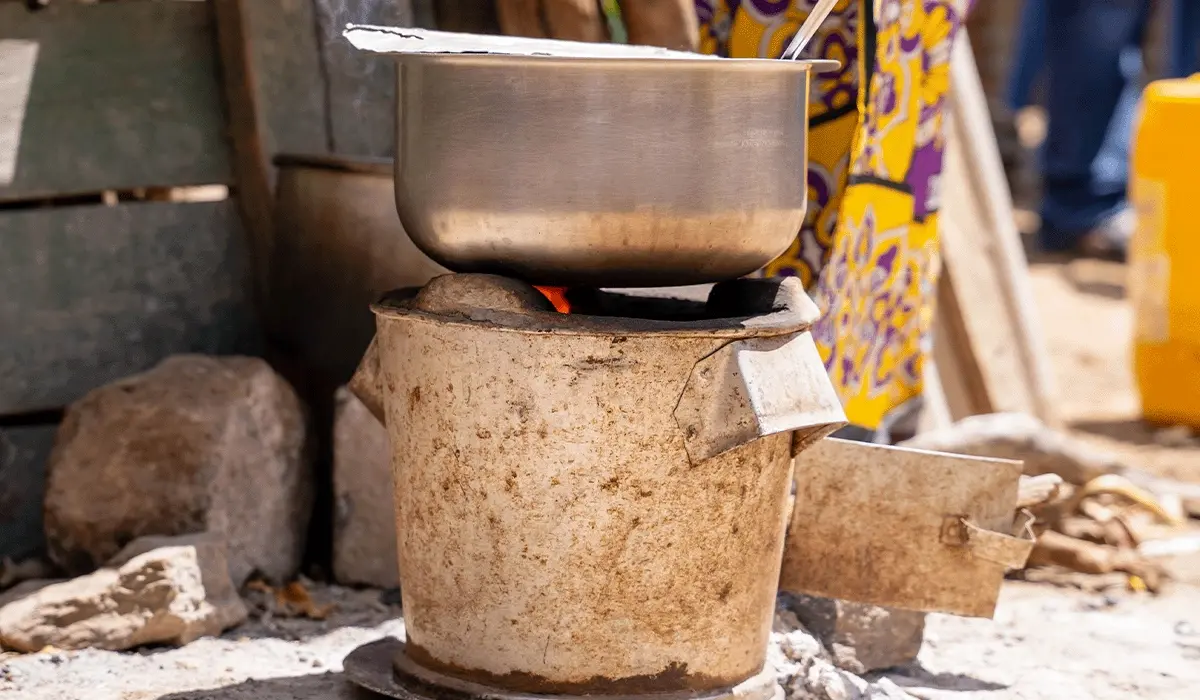
At Green Earth, we are committed to ensuring that our projects deliver measurable and verifiable impact. The past weeks marked an important milestone for the Hongera Energy Efficient Cookstoves Project in Kenya, as our team conducted Kitchen Performance Tests (KPTs)—a key step in the Verra validation process. These tests help quantify the real-world benefits of the cookstoves, providing crucial data for emission reduction calculations while ensuring that our high standards of quality and impact are met.
The Hongera Energy Efficient Cookstoves Project manufactures and distributes 150,000 locally made energy-efficient cookstoves, designed to reduce firewood consumption, alleviate pressure on Kenya’s forests, and improve indoor air quality. By making cooking more efficient, these stoves significantly cut the amount of wood burned per meal, leading to lower carbon emissions. Traditional cooking methods release large amounts of carbon dioxide (CO₂) and other greenhouse gases due to incomplete combustion and excessive fuel use. By using approximately 70% less firewood, these improved stoves reduce CO₂ emissions at the source while also preventing deforestation.
When fewer trees are cut down for firewood, forests remain intact, allowing them to continue absorbing CO₂ from the atmosphere. Trees act as natural carbon sinks, and preserving them enhances their ability to capture and store carbon, reinforcing their role in emissions mitigation. As a result, the Hongera project contributes to measurable emissions reductions, both by lowering direct CO₂ output from burning wood and by maintaining forest ecosystems that naturally absorb carbon.
Kitchen Performance Testing: ensuring efficiency in the field
 Woman from the Akili Group team preparing meals. Hongera Energy Efficient Cookstoves Project, Green Earth.
The KPTs were carried out by the Akili Group team and James Wachieni (Green Earth’s field operations director), alongside local community ambassadors who were trained to conduct the tests in participating households. Each household was provided with dry wood, carefully weighed at the start of the day, ensuring the moisture content remained below 10% for accurate measurements.
Read more: Meet Kenya's green heroes: the team behind the Hongera projects
Families then prepared their usual daily meals using the new cookstoves, cooking for approximately five people per household. The differences between traditional and energy-efficient cookstoves were striking:
Traditional cookstoves:
- Require 9–12 kg of firewood per day
- Each meal takes approximately 2 hours to cook
- Women walk 4 km to collect wood three times a week, carrying 20 kg each time
Our energy-efficient cookstoves:
- Require only 2.5–3.5 kg of firewood per day
- Reduce cooking time by 1 hour per meal
- Women now collect firewood just once a week, cutting their workload significantly
The shift to these efficient stoves not only reduces deforestation and carbon emissions but also improves the quality of life for families, especially women, who spend less time gathering firewood and cooking.
Read more: Green Earth's Hongera cookstoves: transforming homes, health, and habitats
A glimpse into daily life: cooking with efficiency
During the testing period, households prepared three meals per day using their improved cookstoves. These included:
- Breakfast: Kenyan tea (hot water, milk, tea leaves, and rosemary), sweet potatoes, and arrowroots.
- Lunch: Ugali, cabbage, and meat.
- Dinner: Mukimo—mashed potatoes mixed with pumpkin leaves, peas, corn, and salt.
 Close-up of lunch being prepared. Hongera Energy Efficient Cookstoves Project, Green Earth.
These meals demonstrate how the cookstoves support traditional cooking practices while dramatically reducing firewood usage and indoor air pollution. The impact extends beyond fuel efficiency—smoke exposure is significantly reduced, occurring mainly at the start of lighting the cookstove and remaining at a manageable level.
Read more: Why we need to restore high-priority areas like Africa
Real impact: a healthier planet and stronger communities
The Hongera Energy Efficient Cookstoves Project has already demonstrated substantial benefits:
- Approximately 70% reduction in daily firewood consumption (from 9–12 kg to 2.5–3.5 kg)
- 3 hours saved per day on cooking
- Deforestation reduced as wood collection drops from three times a week to just once
- Lower household air pollution and reduced smoke exposure
 A Green Earth team member weighing firewood. Hongera Energy Efficient Cookstoves Project, Green Earth.
Additionally, the project underscores the broader needs within these communities. Many households lack basic furniture such as chairs, highlighting how further support could enhance the overall quality of life alongside the environmental benefits provided by the cookstoves.
Read more: Green Earths cookstove projects: How they truly make a difference
Commitment to quality: strengthening the carbon market
At Green Earth, we recognise that maintaining high standards of quality and rigorous testing is fundamental to the success of our projects and the health of the carbon market. By conducting Kitchen Performance Tests, we ensure that projects like our cookstove initiatives are not only effective but also transparent, verifiable, and impactful.
These cookstoves are more than just tools for efficient cooking—they are a tangible solution for reducing emissions, restoring nature, and improving livelihoods. By rigorously tracking their performance and ensuring continuous validation, we reinforce the credibility of nature-based solutions in the carbon market.
 Akili Group and Green Earth team members. Hongera Energy Efficient Cookstoves Project, Green Earth.
Through data-driven impact measurement, ongoing validation, and steadfast commitment to sustainability, Green Earth continues to lead the way in delivering high-quality carbon credits that create real environmental and social value.