
Biodiversity
Carbon credits
Nature-based solutions
Africa
Nature restoration
Endangered species
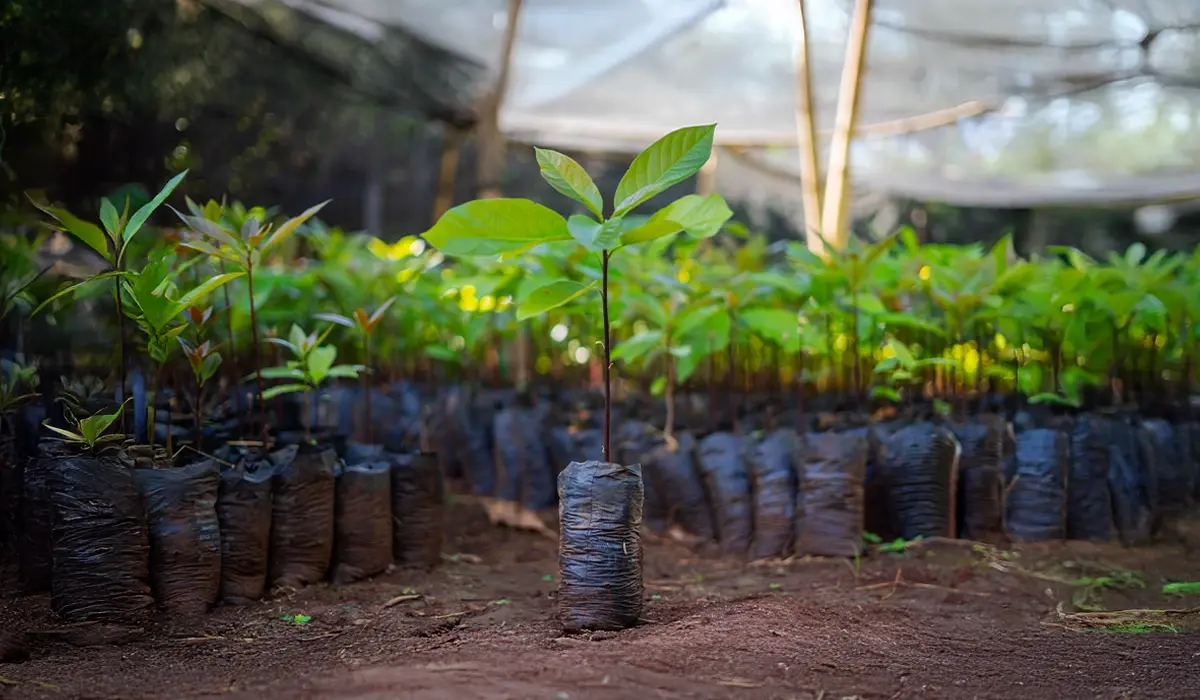
Many nature-restoration projects focus on restoring areas in Africa and other less developed regions, but why? A groundbreaking report, Global Priority Areas for Ecosystem Restoration, published in Nature and led by Brazilian sustainability scientist Bernardo Strassburg, offers a transformative approach to tackling environmental instability and explains why these areas are key for global environmental health.
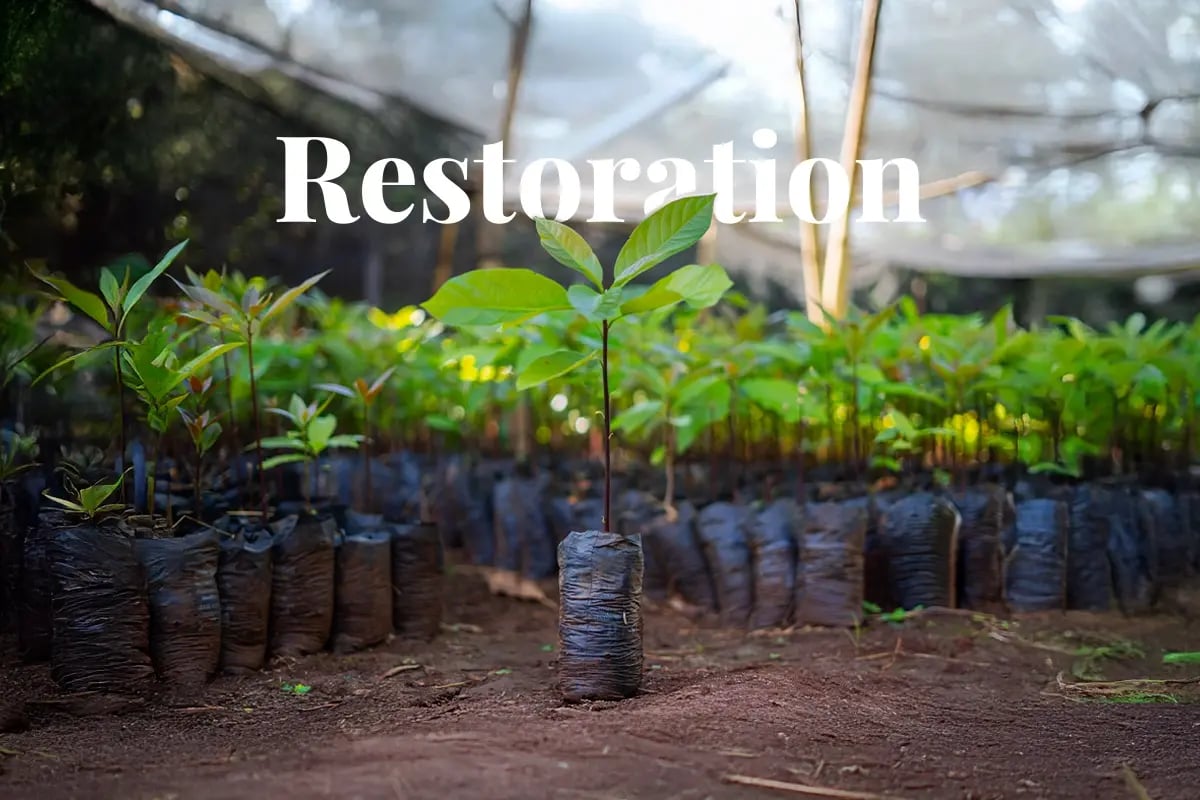 Close-up of tree seedlings ready for planting at a tree nursery. Hongera Reforestation Project, DGB.
Restoring just a third of the planet's degraded areas could absorb nearly half of the carbon released since the Industrial Revolution while preventing 70% of predicted species’ extinctions. Despite its immense potential, only about 1% of global climate finance is directed toward nature restoration. The study highlights that nature-based solutions in high-priority regions that generate carbon units are among the most cost-effective ways to absorb and store atmospheric carbon dioxide, with added benefits like wildlife protection.

Let’s explore how this research pinpoints ecosystems that offer the greatest biodiversity and climate benefits at the lowest cost—and why Africa is at the forefront of these restoration efforts.
Targeted restoration: the key to maximising impact
The report, conducted by 27 researchers from 12 countries, concludes that returning 30% of farmland in priority areas worldwide to its natural state could remove 465 gigatonnes of carbon dioxide—nearly half of the total rise in atmospheric carbon since the Industrial Revolution. Natural forests and grasslands store far more carbon than farmland, making restoration efforts immensely effective.
Nature-based solutions are projects that leverage the power of nature, like forests, to capture or avoid carbon emissions. These projects can be immensely beneficial to the environment and local communities, as they not only mitigate carbon but also restore ecosystems, combat deforestation, and provide socio-economic benefits like job opportunities. The map below highlights priority areas worldwide, demonstrating that emerging countries are of high importance for restoration efforts.
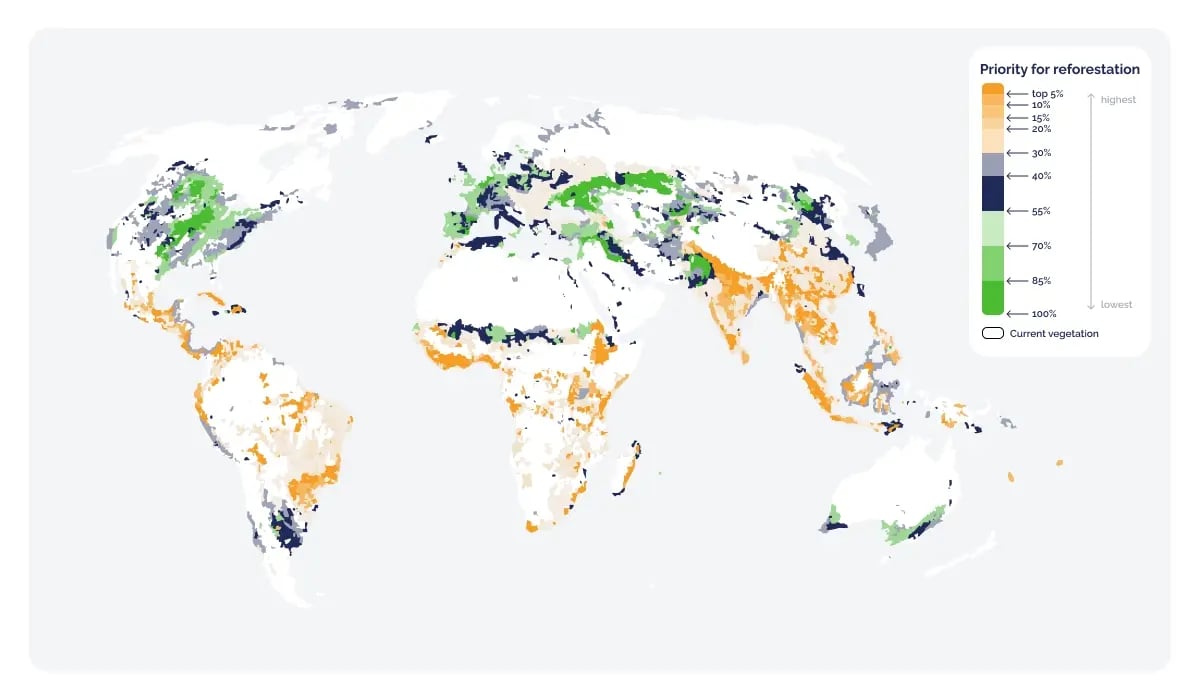 Map showing priority areas for restoration ranked from highest priority (top 5%, orange) to lowest ( 85-100%, green). Source: IIS
The study also reveals that tropical zones such as coastal West Africa, Southeast Asia, and Brazil are identified as hotspots for restoration due to their biodiversity and carbon storage potential.
The researchers analysed 2.87 billion hectares of farmland globally, evaluating them based on three criteria: habitat value for wildlife, carbon storage potential, and cost-effectiveness. Their findings underscore the need to prioritise regions where restoration efforts will yield the highest environmental and economic returns.
Why Africa is a global restoration priority
Africa stands out as a critical region for large-scale restoration, thanks to its unparalleled biodiversity and escalating environmental pressures. Iconic species like elephants, lions, and rhinos face mounting threats from habitat loss and human activity.
Read more: Ultimate guide to Africa’s 47 afforestation and reforestation projects
Rapid population growth across the continent intensifies the strain on Africa’s remaining ecosystems. Without urgent intervention, these landscapes—and the wildlife and communities they sustain—risk permanent destruction.
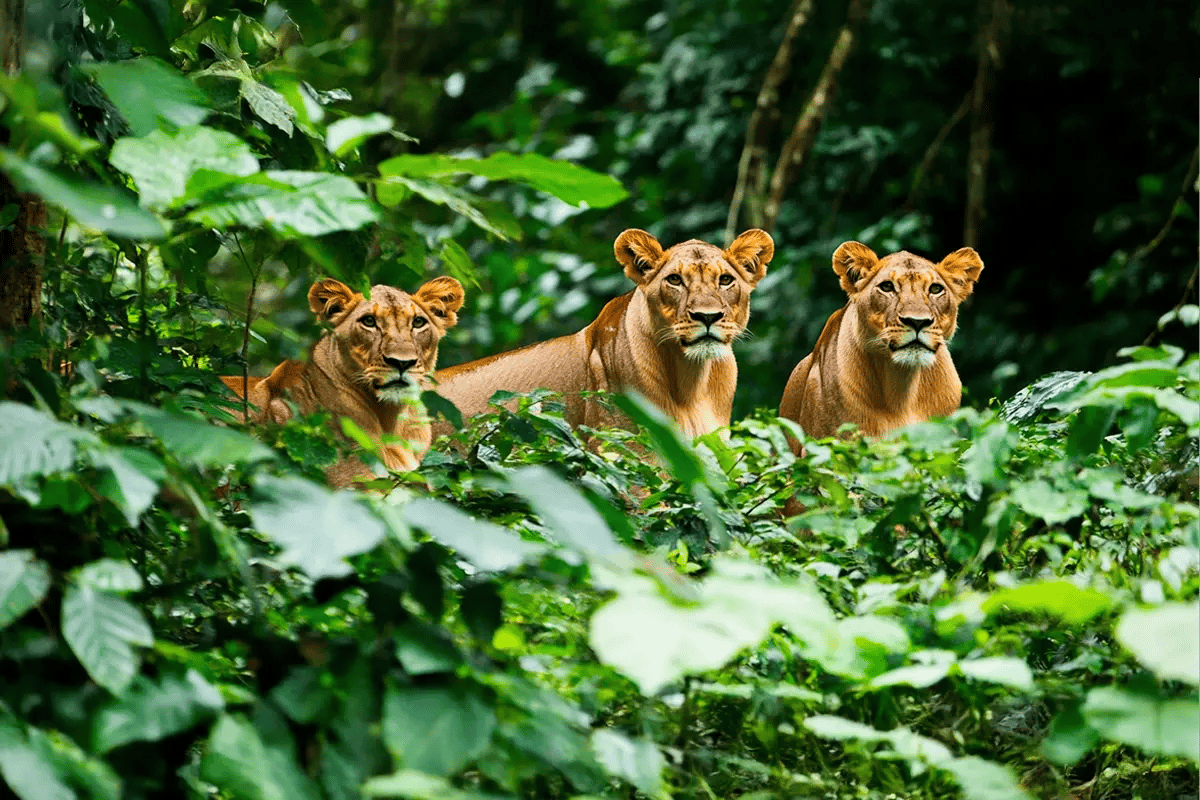 Three adult lionesses in their natural habitat in a forest in Cameroon. AI generated picture.
Moreover, Africa offers some of the most cost-effective restoration opportunities worldwide. From savannas to tropical forests, these natural habitats store far more carbon than farmland, making restoration efforts immensely effective. Degraded landscapes can often be revitalised at a fraction of the cost of similar efforts in more developed regions due to lower land and labour costs, fewer regulatory hurdles, and higher additionality (ensuring that carbon units represent a true environmental benefit).
According to Strassburg, the director of the study, restoration can be ‘13 times more cost-effective in developing nations, where land is cheaper, while also delivering biodiversity and climate gains’. He further stated, ‘It makes economic, ecological, and climatic sense for rich countries to finance restoration in developing countries, where it is much more cost-effective.’ This affordability translates into significant environmental impact while generating local economic benefits, such as job creation and sustainable agriculture.
Read more: The power of DGB Group’s high-quality carbon projects in Kenya
At DGB, we champion nature-based solutions in regions like Africa, delivering environmental and social benefits beyond carbon reduction. Our projects include the Bulindi Chimpanzee Habitat Restoration Project in Uganda, which protects vital habitats while supporting communities; the Hongera Energy Efficient Cookstoves Project in Kenya, which reduces firewood use and indoor pollution; and the Greenzone Afforestation Project in Cameroon that promotes large-scale reforestation and biodiversity. Through these initiatives, we restore ecosystems, enhance biodiversity, and drive lasting positive change.

 Close-up of a young chimpanzee on a tree in a forest in Uganda. Bulindi Chimpanzee Habitat Restoration Project, DGB.
All our nature-based projects are independently verified, ensuring they deliver high-quality carbon units that help businesses compensate for their carbon footprints and reach their sustainability goals.
Restoration is a global effort
While Africa is a priority, global restoration efforts are essential to achieving global planetary sustainability and restoring a third of the planet’s degraded areas. Every region has a role to play in advancing sustainability through nature-based solutions, which not only absorb carbon but also enhance biodiversity, restore ecosystems, and support local communities. At DGB, we are exploring impactful projects globally, including the Lake Aral Afforestation Project in Kazakhstan.
This initiative focuses on reclaiming the dried banks of the Aral Sea by planting saxaul vegetation, which stabilises soil, improves air quality, and mitigates sand-salt storms. Such worldwide efforts demonstrate the importance of global collaboration in tackling ecological challenges.
Read more: Reforestation and afforestation projects around the world: success stories and lessons learned
Challenges in Europe: why restoration is less feasible
Restoring nature in Europe can be costly, inefficient, and limited in impact. Countries like the Netherlands, Denmark, and the UK rank among the lowest-priority areas due to high costs, bureaucracy, and limited scalability.
Intensive land use poses a major challenge—Europe’s landscapes are heavily managed for agriculture and infrastructure, leaving little room for large-scale restoration. European farmers, who own 40% of the continent’s land but contribute just 1.4% to GDP, are often resistant to change due to subsidies and entrenched practices. High costs make projects unviable compared to regions like Africa, where restoration is more affordable and impactful. Unsustainable farming practices with excessive pesticide and fertiliser use further degrade ecosystems, making recovery difficult.
Read more: How regenerative agriculture is transforming sustainable farming
Additionally, Europe has already lost most of its biodiversity and old-growth forests, meaning restoration efforts yield lower ecological benefits than in tropical regions. The continent is also highly industrialised, with 15 times more aeroplanes in its airspace than in Africa, contributing to a large environmental footprint.
Businesses that therefore wish to address their environmental impact, can focus on reducing their emissions locally but investing in carbon projects like nature-based solutions in high-priority regions to compensate for their hard-to-abate emissions. This approach ensures maximum ecological impact and cost-effectiveness while helping to restore biodiversity where it matters most.
Supporting companies across the globe in reducing their footprint
While large-scale restoration may be less feasible in Europe, companies can still play a vital role in nature restoration in high-priority regions. By purchasing verified carbon units (also called carbon credits) from nature-based projects in such priority regions, companies can address their environmental impact while making a positive difference.
 Aerial view of a tree nursery in Kenya. Hongera Reforestation Project, DGB.
At DGB, we offer solutions grounded in nature to make your business more sustainable. We develop large-scale nature-based projects in high-priority regions like Africa to ensure their impact and financial feasibility. These projects are then verified for their impact in accordance with leading international standards and generate carbon units that help businesses reach net zero.
We support businesses through tools like our online CO2 Expert tool to calculate your carbon footprint and consultancy services that help you achieve your sustainability goals. Our dual approach focuses on:
- Carbon reduction: Identifying inefficiencies and reducing emissions to align operations with global sustainability objectives.
- Nature restoration: Investing in high-priority projects, such as reforestation in Africa, to compensate for your irreducible emissions and deliver measurable environmental benefits.
This strategy enables your business to meet tightening regulations and rising consumer expectations while making meaningful contributions to global restoration efforts.

Why restoration is the best investment for the planet
The science is clear: Restoring degraded landscapes is one of the most cost-effective and impactful ways to address environmental challenges. Yet, only 1% of global climate finance is allocated to nature restoration.
Nature-based solutions offer an unparalleled opportunity to mitigate CO2, protect biodiversity, and foster local economies. At DGB, we proudly support high-priority projects in Uganda, Cameroon, and Kenya, as well as innovative initiatives like plastic removal in Sri Lanka. By offering high-quality carbon credits, we empower businesses to take meaningful action toward sustainability.
Read more: The rising demand for nature-based credits
Champion the movement for restoration
Restoring nature isn’t just about offsetting emissions—it’s about securing a future where thriving ecosystems, biodiversity, and sustainable communities coexist. With Africa leading the way in restoration opportunities, now is the time to invest in high-priority areas.
By partnering with DGB, your business can reduce its carbon footprint, support impactful restoration projects, and help create a sustainable future. Ready to make a difference? Join us in restoring high-priority areas and building a sustainable tomorrow.