
Carbon compensation:
a comprehensive guide
Carbon compensation allows organisations to bridge the gap between current operational realities and sustainability targets. At Green.Earth, we help you navigate the carbon markets by funding verified nature-based solutions that actively remove carbon, restore biodiversity, and uplift local communities.
How does carbon compensation work?
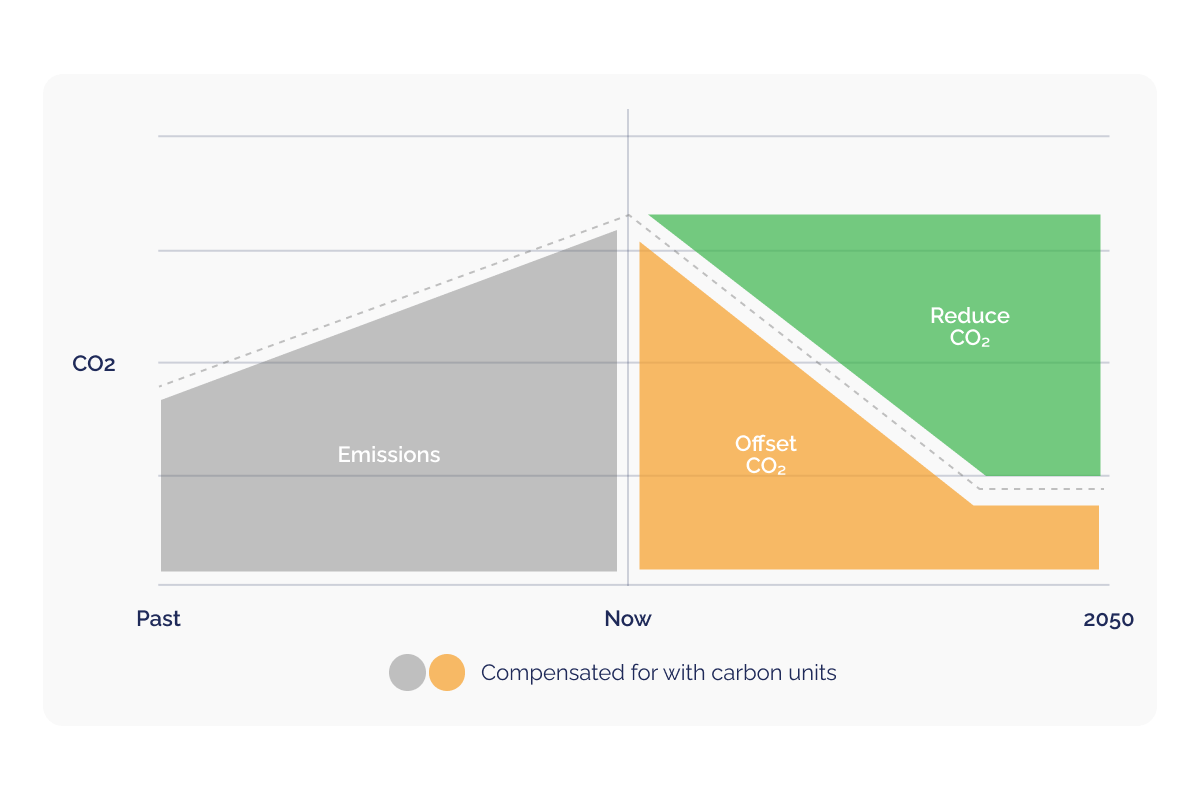
Carbon offsetting is not a substitute for reducing carbon emissions directly but rather a complementary approach. No matter how strictly a business cuts its carbon emissions, getting it down to zero to reach sustainability targets is nearly impossible while maintaining normal activities. This is where carbon compensation comes in: to complement the process and help achieve net zero. Without carbon compensation, a net-zero strategy based only on reductions will leave your business with a significant historical footprint by 2030/2050.
Carbon credits can be bought from projects designed to reduce carbon emissions, such as reforestation initiatives, nature restoration, energy efficiency, or renewable energy projects. If these projects meet industry standards, they can offer carbon credits to companies that need to offset their carbon emissions. Carbon credits can be bought from online markets, brokers, or directly from the project developers.
Read more: The rising demand for nature-based credits
At Green Earth, we focus on nature restoration, agroforestry, and energy-efficient cookstove projects. Even before we start a project or plant our first tree, we work closely with Gold Standard or Verra programmes to ensure that our projects generate the highest quality carbon credits possible. These programmes, along with our project design, surveys, stakeholder meetings, and further strategic planning, help us create large-scale, impactful projects and originate verified carbon credits for our clients.
Read more: Green Earth’s cookstove projects: How they truly make a difference
Why carbon compensation matters
While reducing direct operational emissions is always a priority, carbon compensation serves as a vital tool for immediate climate action:
-
Financing the transition: It funnels urgent private capital to developing nations and ecological projects that would otherwise lack funding. It encourages investment in sustainability initiatives, helps accelerate the transition to a low-carbon economy, and reduces our reliance on fossil fuels. It contributes to the global effort to address the environmental goals set by the 2015 Paris Agreement.
-
Corporate accountability: Carbon offsetting helps organisations meet emissions reduction targets. Major corporations are increasingly scrutinised for their climate impact. Aligning with verified frameworks safeguards brand equity; currently, over 45% of Global 500 companies intend to integrate carbon credits into their climate strategies (Climate Impact Partners).
-
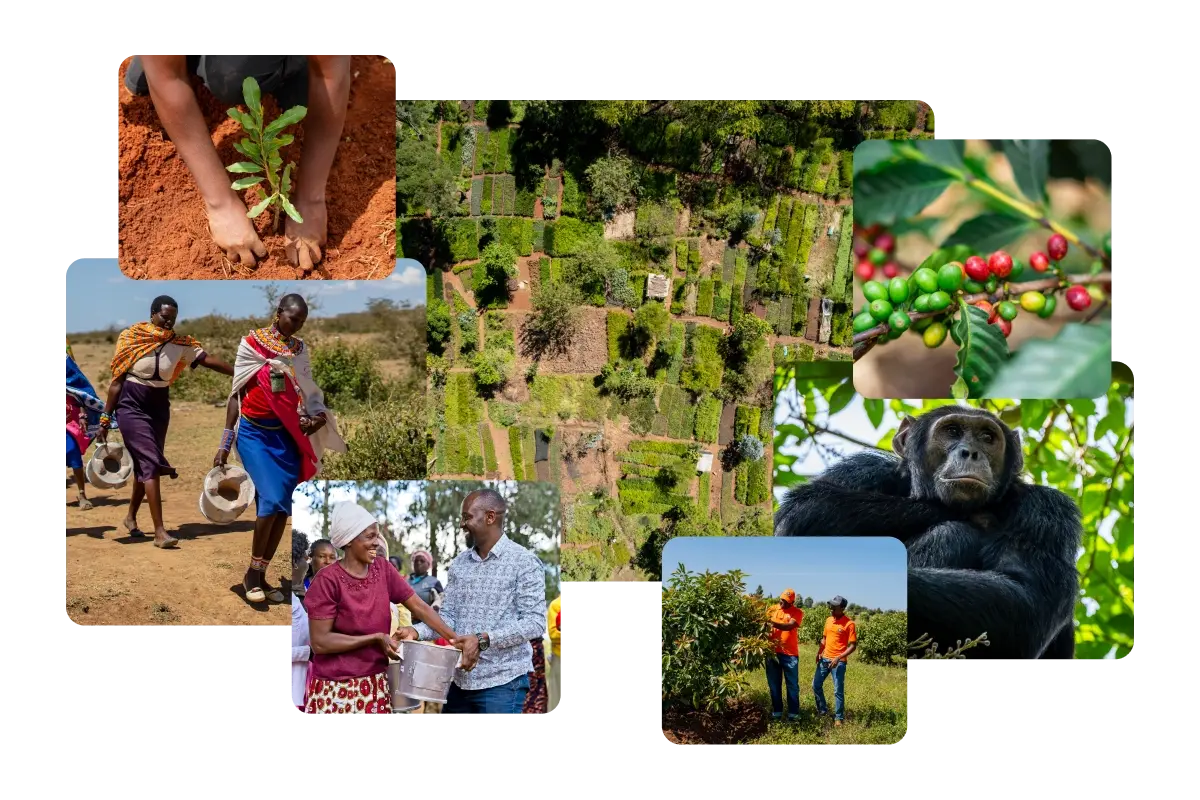
Supporting sustainable development: Carbon offsetting projects often provide additional benefits beyond reducing carbon emissions. For example, reforestation projects help restore degraded ecosystems, protect biodiversity, and create additional income streams for local farmers. Energy-efficient cookstove projects improve indoor air quality and reduce respiratory illness, while creating job opportunities. These co-benefits can contribute to sustainable development in local communities.
Read more: How carbon project developers quantify biodiversity and community impact
Leading companies in the Netherlands, Germany, Ireland, Belgium, UK, and Spain as well as world-famous companies in sport are also taking action, and becoming more sustainable through carbon compensation. They prove that compensating for emissions now is a proactive approach to sustainability, and complementary to other carbon reduction efforts.
Read more: Industry carbon footprints: transport, events, and celebrities
Types of carbon projects
.png)
There are different projects that can qualify to offset carbon emissions. As long as the positive environmental impact is measurable and industry standards are met. Projects generally fall into two core categories:
Carbon avoidance and reduction
These projects prevent new emissions from entering the atmosphere.
- Energy-efficient cookstove projects: These projects provide households with improved cookstoves that burn less fuel and produce fewer emissions, reducing indoor air pollution and carbon emissions as well as pressure on forests.
- Energy efficiency projects: These projects reduce energy consumption in buildings, transportation, appliances, and industry, which can result in a reduction of energy needed and carbon emitted.
- Renewable energy projects: These projects generate electricity from renewable sources such as solar, wind, or hydropower, which replaces electricity that would otherwise be generated from fossil fuels, reducing carbon emissions.
- Carbon capture and storage projects: These projects capture CO2 emissions from industrial processes or power plants and store them underground or in other long-term storage solutions, preventing their release into the atmosphere. While this technology is still in its early stages, it has the potential to significantly reduce emissions from industries that are difficult to decarbonise.
- Methane capture and destruction projects: These projects capture and destroy methane emissions from landfills, agriculture, and industrial processes that would otherwise be released into the atmosphere through combustion or conversion to energy. Methane is a potent greenhouse gas; capturing and destroying it can significantly reduce emissions.
Read more: Nature-based solutions vs carbon capture technology: Which is most effective?
Carbon removal and sequestration
These projects actively draw down existing CO2 from the atmosphere and store it long-term.
- Reforestation, agroforestry, and afforestation projects: These projects plant trees or manage forests to absorb CO2 from the atmosphere, storing it in the biomass of the trees and soil. This helps mitigate changing environmental conditions and provides co-benefits, such as biodiversity and soil conservation.
Read more: Agroforestry explained: a guide to regenerative farming
- Blue carbon projects: These projects restore and conserve coastal ecosystems such as mangroves, salt marshes, and seagrass beds, which store large amounts of carbon in their biomass and sediment.
Every kind of restoration, in one place
Our carbon credit marketplace offers your business: land restoration, wildlife protection, cookstoves, solar, wind, hydro, and methane recovery.
The most common carbon offsetting questions answered
What makes a carbon credit high-quality?
A high-quality credit must be additional (wouldn't happen without funding), permanent (the carbon won't be re-released), verifiable (audited by a trusted third party), and free from leakage (ensuring the project doesn't cause emissions to increase elsewhere). Additional quality criteria to consider is whether a carbon credit project contributes to more than just carbon goals. Check for co-benefits like biodiversity restoration, soil enhancement, and community upliftment through additional income streams, jobs creation, and healthier, more sustainable livelihoods.
Read more: How to choose high-quality carbon credits
How do I choose a carbon offset provider?
When choosing a carbon offset provider, consider factors such as credibility and transparency, project quality, location, price, company stability, and additional services. Make sure the project developer is involved on the ground with project implementation and monitoring. You also need to ask if the carbon offsets you are inquiring about are certified and verified. You can speak to our experts to find the best option for your sustainability goals.
Read more: Overcoming sustainability challenges: practical solutions for your business
How can my business ensure our carbon investments pass strict audit compliance?
Green Earth takes the guesswork out of corporate compliance. When you purchase carbon offsets through us, you receive a certified certificate detailing the project location, third-party verification data, and unique serial numbers from the global registry. The moment you offset, your credits are permanently retired on a public ledger. This prevents 'double counting' and provides your legal, finance, and sustainability teams with a transparent paper trail for stakeholder reporting.
Read more: What business leaders need to know before buying carbon offsets
What are the types of carbon offsets?
The types of carbon offsets include reforestation and agroforestry projects, energy efficiency projects, renewable energy projects, methane capture and destruction projects, and carbon capture and storage projects.
Read more: How are carbon credits issued?
How do I know how much carbon my business needs to offset?
To understand how much emissions your business needs to offset, you first need to know your carbon footprint. You can calculate your carbon footprint using the Green Earth carbon footprint calculator. This will show you your past emissions, which cannot be reduced and needs to be addressed with carbon offsets. It's also sets baseline for future carbon reduction strategies.
Read more: Our favourite carbon-tracking apps, tools, and plugins (2025 edition)
What are some reputable programmes that verify carbon offsets?
Some reputable carbon standard programmes include Gold Standard and Verra. At Green Earth, we follow these standards and apply their methodologies as early as in the project design phase.
Read more: Reforestation and afforestation projects around the world: success stories and lessons learned
Can individuals offset their carbon footprint?
Yes, individuals can compensate for their carbon footprint by purchasing carbon credits from a reputable carbon offset provider like Green Earth.
Is carbon offsetting a sustainable solution to meet the goals of a corporate social responsibility strategy?
Carbon offsetting is a valuable tool in a comprehensive corporate social responsibility strategy. Also, with an increased number of consumers who care about the environment, it helps to show that companies are on the same page as their customers.
Read more: Stay in the game: What CSRD means for supplier carbon footprints in 2026
Can carbon compensation benefit my business?
Investing in high-integrity carbon compensation drives commercial growth, customer loyalty, and brand equity. Globally, almost 80% of consumers will pay a premium for sustainable brands, and eco-certified companies see a 20% bump in customer retention. A robust sustainability strategy is also a massive recruitment tool — 67% of professionals prefer working for environmentally sustainable companies. Carbon compensation is a competitive tool to show your customers that you are committed to environmental action.
Read more: The real cost of 1 tonne of CO2: Translating carbon into hectares
What makes a carbon credit high-quality?
A high-quality credit must be additional (wouldn't happen without funding), permanent (the carbon won't be re-released), verifiable (audited by a trusted third party), and free from leakage (ensuring the project doesn't cause emissions to increase elsewhere). Additional quality criteria to consider is whether a carbon credit project contributes to more than just carbon goals. Check for co-benefits like biodiversity restoration, soil enhancement, and community upliftment through additional income streams, jobs creation, and healthier, more sustainable livelihoods.
Read more: How to choose high-quality carbon credits
How do I choose a carbon offset provider?
When choosing a carbon offset provider, consider factors such as credibility and transparency, project quality, location, price, company stability, and additional services. Make sure the project developer is involved on the ground with project implementation and monitoring. You also need to ask if the carbon offsets you are inquiring about are certified and verified. You can speak to our experts to find the best option for your sustainability goals.
Read more: Overcoming sustainability challenges: practical solutions for your business
How can my business ensure our carbon investments pass strict audit compliance?
Green Earth takes the guesswork out of corporate compliance. When you purchase carbon offsets through us, you receive a certified certificate detailing the project location, third-party verification data, and unique serial numbers from the global registry. The moment you offset, your credits are permanently retired on a public ledger. This prevents 'double counting' and provides your legal, finance, and sustainability teams with a transparent paper trail for stakeholder reporting.
Read more: What business leaders need to know before buying carbon offsets
What are the types of carbon offsets?
The types of carbon offsets include reforestation and agroforestry projects, energy efficiency projects, renewable energy projects, methane capture and destruction projects, and carbon capture and storage projects.
Read more: How are carbon credits issued?
How do I know how much carbon my business needs to offset?
To understand how much emissions your business needs to offset, you first need to know your carbon footprint. You can calculate your carbon footprint using the Green Earth carbon footprint calculator. This will show you your past emissions, which cannot be reduced and needs to be addressed with carbon offsets. It's also sets baseline for future carbon reduction strategies.
Read more: Our favourite carbon-tracking apps, tools, and plugins (2025 edition)
What are some reputable programmes that verify carbon offsets?
Some reputable carbon standard programmes include Gold Standard and Verra. At Green Earth, we follow these standards and apply their methodologies as early as in the project design phase.
Read more: Reforestation and afforestation projects around the world: success stories and lessons learned
Can individuals offset their carbon footprint?
Yes, individuals can compensate for their carbon footprint by purchasing carbon credits from a reputable carbon offset provider like Green Earth.
Is carbon offsetting a sustainable solution to meet the goals of a corporate social responsibility strategy?
Carbon offsetting is a valuable tool in a comprehensive corporate social responsibility strategy. Also, with an increased number of consumers who care about the environment, it helps to show that companies are on the same page as their customers.
Read more: Stay in the game: What CSRD means for supplier carbon footprints in 2026
Can carbon compensation benefit my business?
Investing in high-integrity carbon compensation drives commercial growth, customer loyalty, and brand equity. Globally, almost 80% of consumers will pay a premium for sustainable brands, and eco-certified companies see a 20% bump in customer retention. A robust sustainability strategy is also a massive recruitment tool — 67% of professionals prefer working for environmentally sustainable companies. Carbon compensation is a competitive tool to show your customers that you are committed to environmental action.
Read more: The real cost of 1 tonne of CO2: Translating carbon into hectares
Industry-leading carbon offsets with Green Earth
Investing in carbon offset projects positions your company as a modern sustainability leader. By neutralising emissions, you demonstrate concrete commitment to environmental responsibility, directly aligning your business with the eco-conscious values of your customers.
Read more: High-quality carbon credits vs regular carbon credits: what sets them apart?
Green Earth bridges the gap between corporate sustainability goals and high-integrity ecological action. We specialise in nature-based carbon removal projects that maximise environmental and social returns:
-
Ecosystem restorations: We engineer biodiverse agroforestry projects that do more than just plant monoculture trees; we rebuild entire native ecosystems, restore soil health, and protect biodiversity.
-
Transparency: Every project we fund is fully traceable, rigorously audited, and certified by leading global registries, ensuring your investments pass strict audit compliance.
-
Co-benefit integration: Our projects are strategically designed to protect local water tables, restore declining pollinator habitats, and create stable livelihoods, income streams, and jobs for local communities.
When you choose to compensate for your CO2 emissions with Green.Earth, you are funding direct, permanent ecological renewal. From biodiverse reforestation and habitat restoration to community-led tree planting and clean cookstove deployment, our unique boots-on-the-ground approach sets us apart.
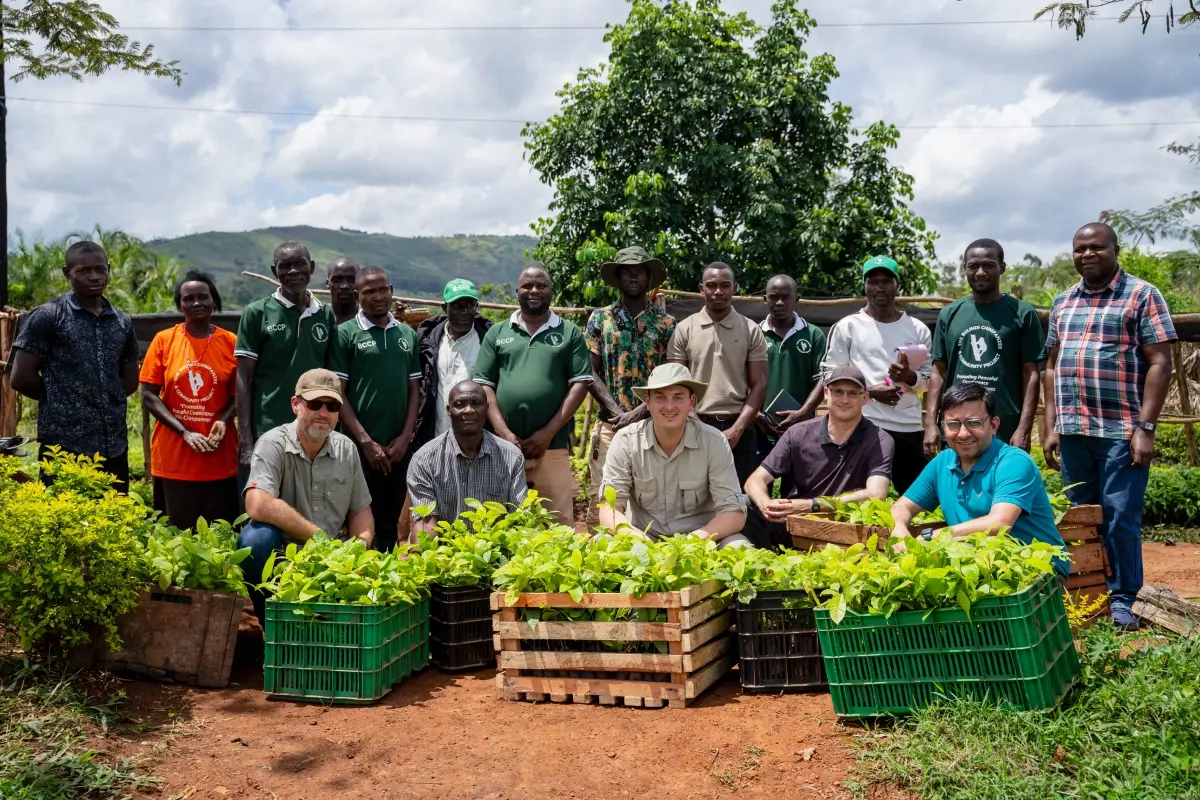
With our end-to-end model of project development, from project design and implementation to monitoring, verification, and credit issuance, we ensure integrity at every stage. Our dedicated team of ecologists, conservation biologists, and local staff are involved directly at each project site. This hands-on management ensures quality, transparency, and data accuracy for our clients.
By partnering with us, you don't just meet your corporate social responsibility goals; you help grow environmental action at a global scale and become a catalyst for nature restoration and livelihood improvement. Our high-quality, independently verified carbon credits helps your business pass compliance checks and deliver a lasting, measurable impact for your brand.
Find the right project for you
You can now browse and buy carbon credits directly from us. Every credit on the shelf comes from a verified restoration project.
Read the latest articles
Learn how you can compensate for your impact with carbon credits
Explore how you can make a positive difference with carbon credits. Download our brochure now and learn about the power of Green Earth's ready-to-buy carbon credits and how working with Green Earth can help you compensate for your carbon footprint.
.webp)
Still curious? Get in touch.
Whether you've got a quick question or want to explore how Green Earth can support your sustainability journey, we're here to help.