
Verra
Sustainable Agriculture
Sustainable land management
US-based carbon registry Verra has introduced an updated version of its soil carbon methodology, VM0042, aimed at helping project developers more accurately categorise greenhouse gas reductions and removals. The new version, 2.1, provides clearer guidance on labelling Verified Carbon Units (VCUs) based on specific mitigation outcomes.
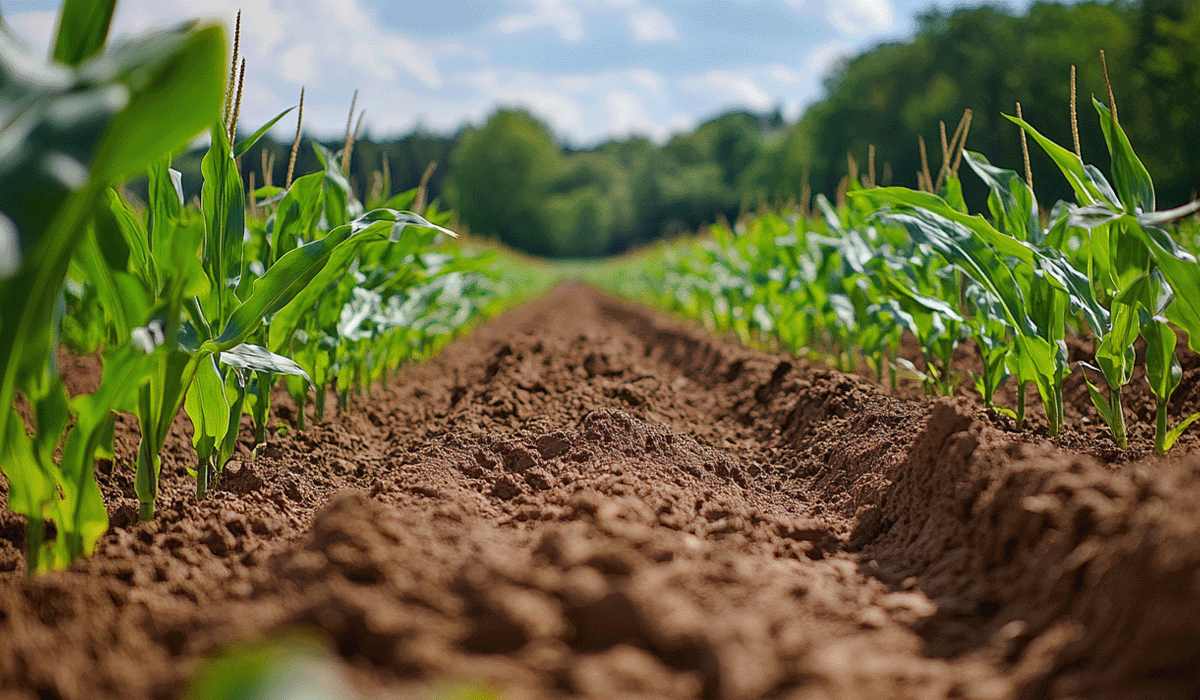
 Agricultural landscape of a field with corn and rich soil. AI generated picture.
Version 2.1 of the Methodology for Improved Agricultural Land Management (ALM) also includes important clarifications and corrections. These adjustments, initially issued in January, refine calculations for carbon dioxide, methane, and nitrous oxide emissions from a range of agricultural activities.
In a statement, Verra emphasised that the updates are focused on equations and parameters that rely on default factors for measuring emissions. They also clarified guidelines for soil sampling, analysis, and data needed to demonstrate standard practices. Definitions of quantification units and the design of sampling methods were also refined.
Read more: Digitising the ground: Verra's leap in soil carbon quantification
The methodology covers emission reductions and carbon removals through sustainable farming techniques such as reduced tillage, improved fertiliser use, and better biomass and water management. It also applies to cover crop planting, harvesting methods, and grazing practices aimed at lowering carbon footprints.
Read more: Reforestation and afforestation projects around the world: success stories and lessons learned
Projects intending to use the previous version (V2.0) must register with Verra’s Verified Carbon Standard by 11 December 2024, and complete validation by 11 September 2025.
At DGB Group, we integrate cutting-edge technology with nature to help businesses and individuals make significant strides toward achieving their net-zero goals. By utilising advanced tools and data-driven approaches, we enhance the restoration and preservation of natural habitats, blending innovation with nature-based solutions. Our projects, including reforestation, afforestation, employing community-driven agroforestry, and sustainable land management, generate high-quality carbon units verified by leading standards like Verra and the Gold Standard. With DGB's carbon compensation solutions, we offer organisations a clear and effective way to mitigate their environmental impact while supporting the planet's long-term sustainability.