.webp?width=1800&height=1000&name=AgreenaCarbon%20Project%20(Spain).webp)




Similar projects
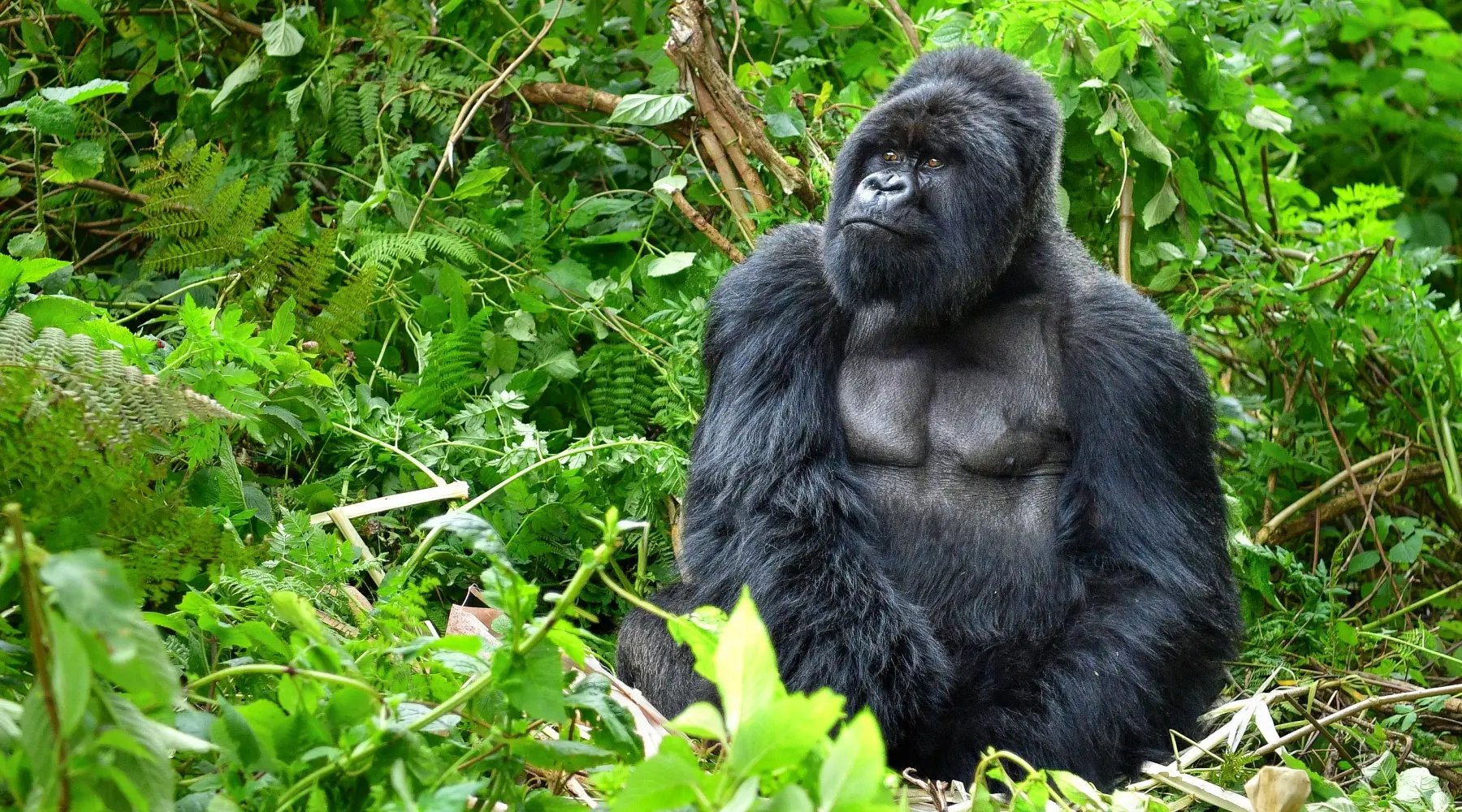
DRC
ARR
-
+1
others
DRC Reforestation Project
Restoring degraded Congo Basin forest with native species and assisted natural regeneration.
Malawi
ARR
-
+2
others
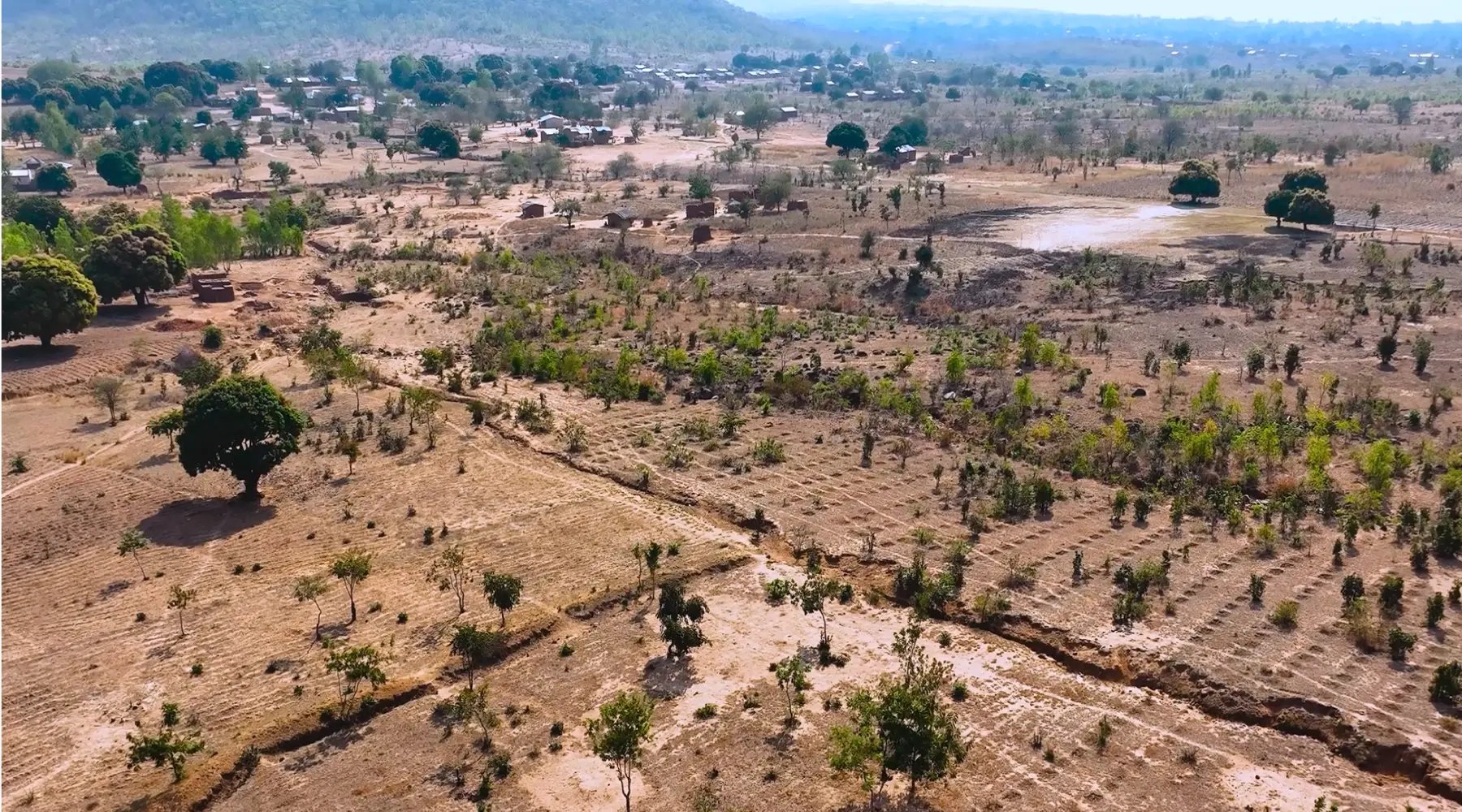
Namizimu Afforestation, Reforestation & Agroforestry Carbon Project
Restoring forest and agroforestry across Malawi's Namizimu landscape with local communities.
Nigeria
Cookstoves
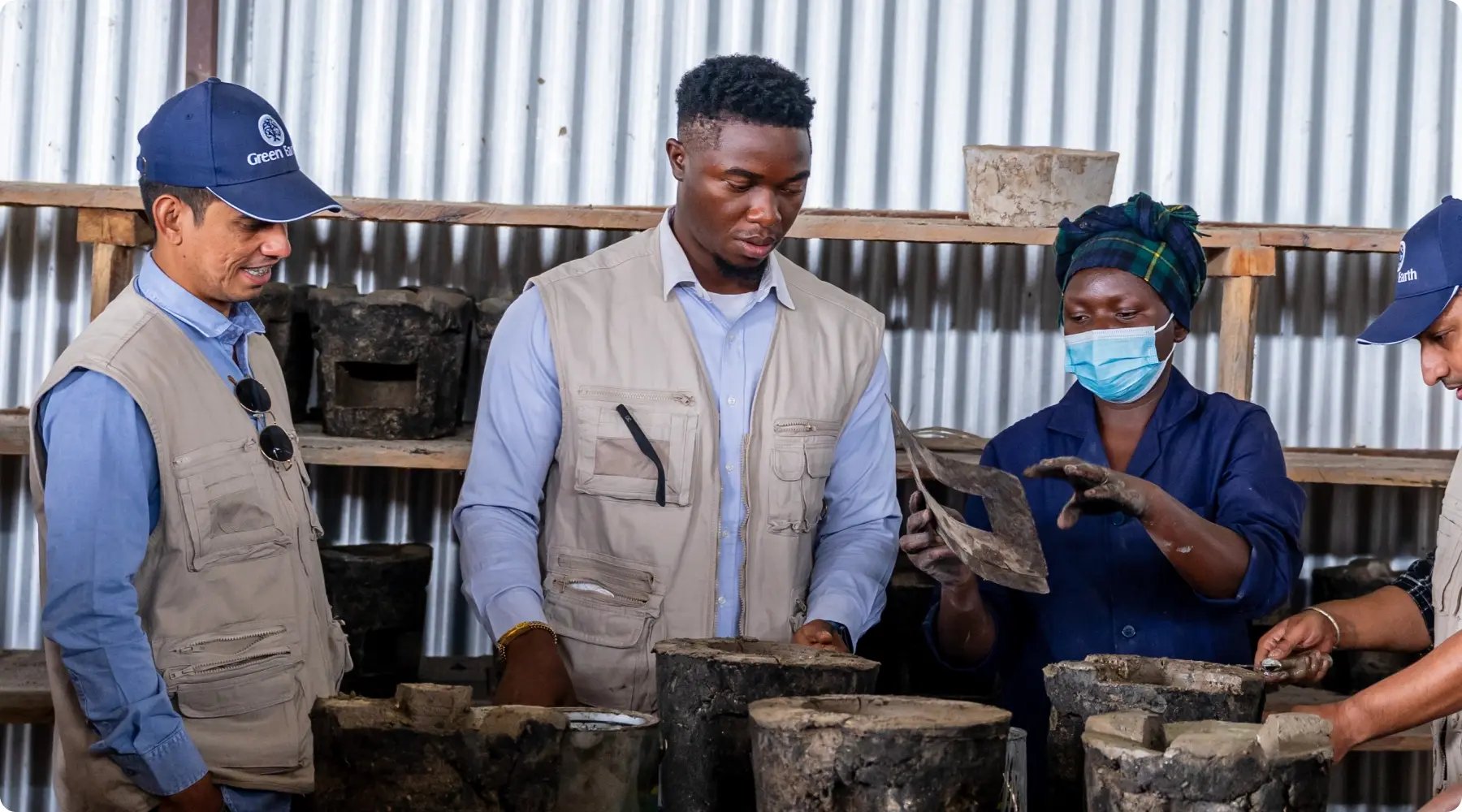
Green Earth Sauki Cookstove Nigeria Project
Efficient cookstoves for Nigerian homes, easing forest pressure and cutting indoor smoke.
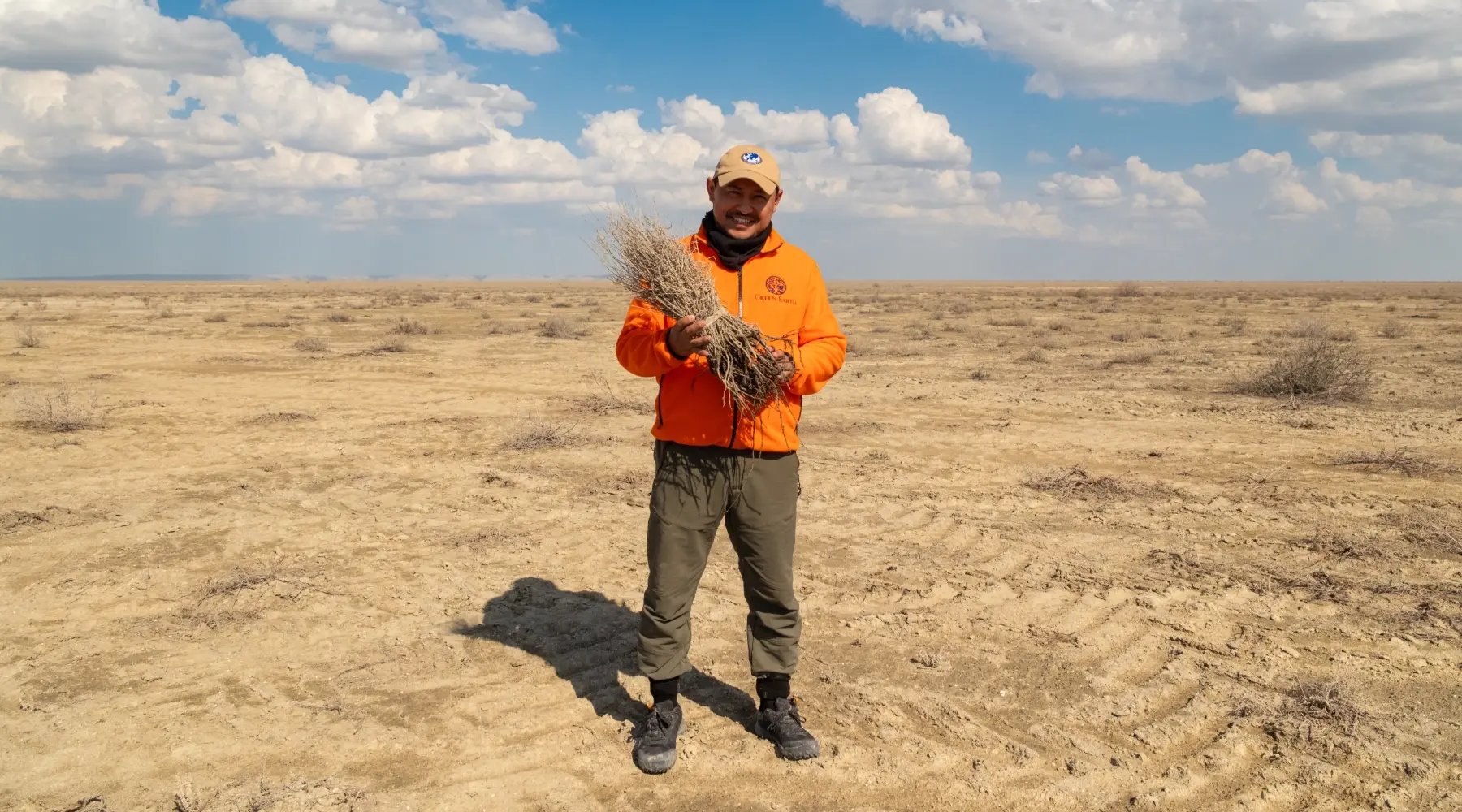
Greening of the Dried Aral Sea Project
Planting drought-tolerant saxaul on the dried Aral seabed to sequester carbon and curb dust storms.
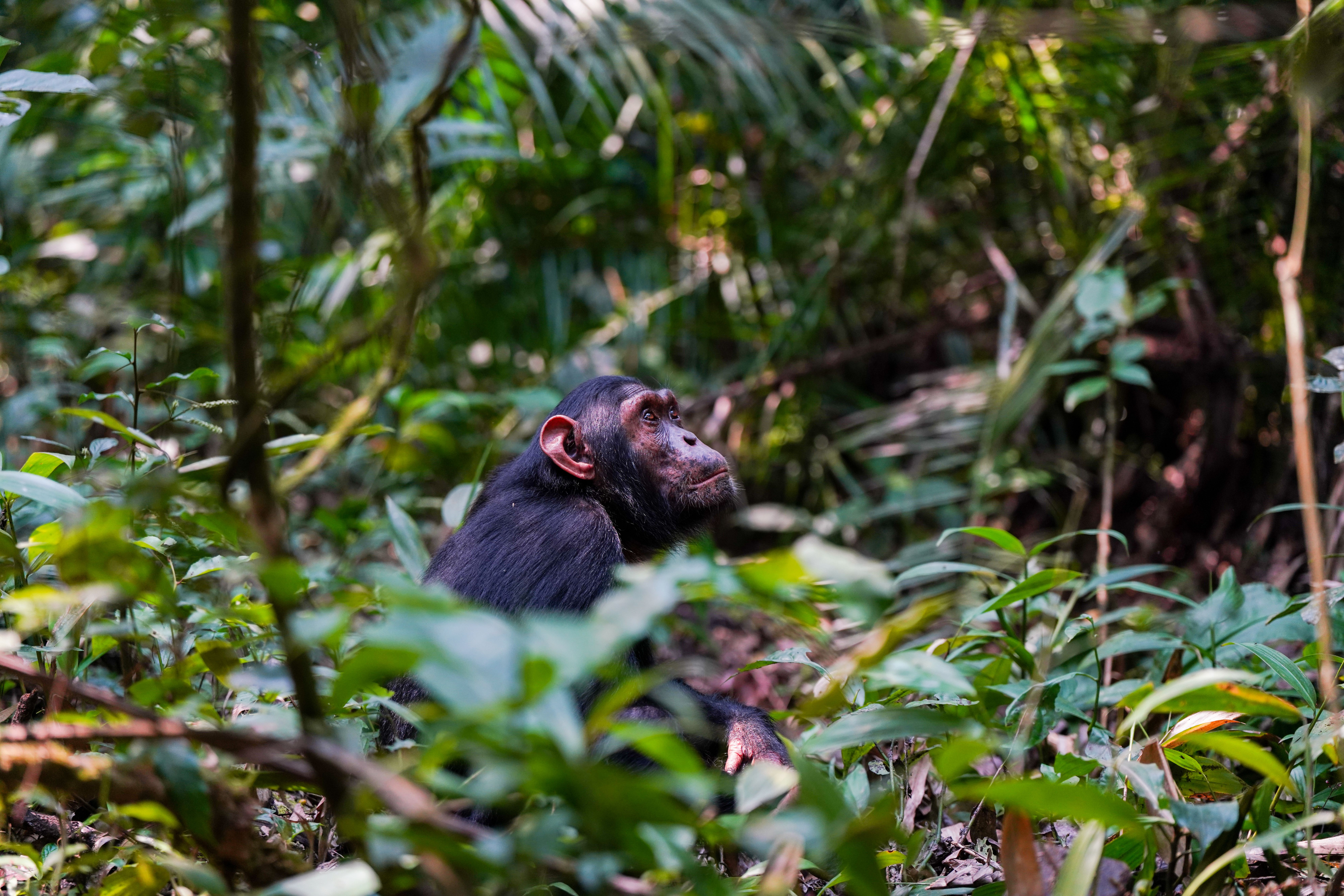
Bulindi Agroforestry and Chimpanzee Conservation Project
Restoring chimpanzee habitat in Uganda while helping farmers shift to coffee-based agroforestry.
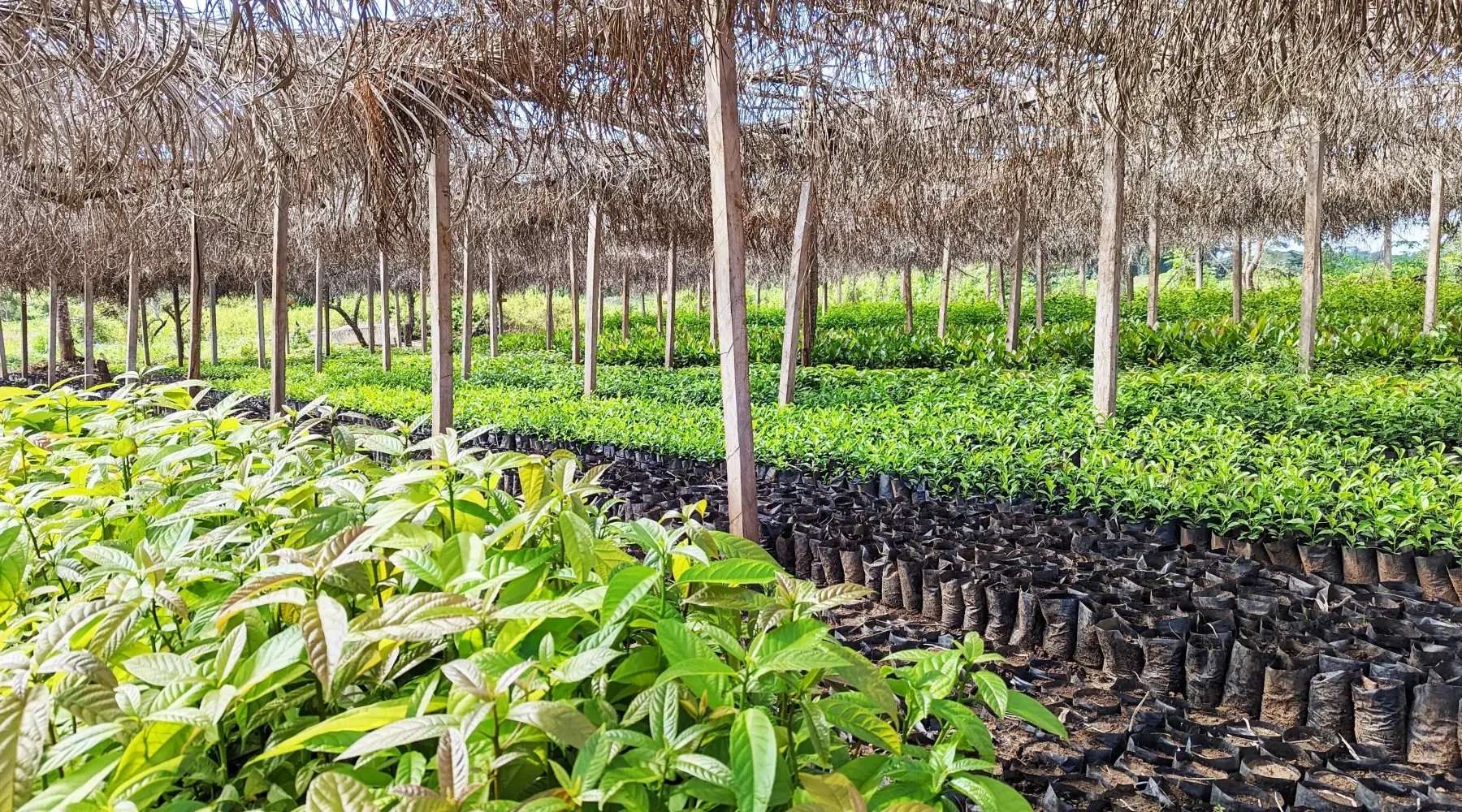
Regenerative Agroforestry Project Cameroon
Restoring forest on the Congo Basin's edge, pairing tree planting with food-producing agroforestry.
Build your custom impact portfolio
Connect with our experts to curate a tailored portfolio of verified projects, or to discuss larger purchases.
We'll guide you through our verified projects and can source specialised credits from our wider global network to help maximise your environmental impact.