
European Union
Sustainability
Nature restoration
All 27 European Union countries must submit draft National Restoration Plans to the European Commission by 1 September 2026. The deadline marks an early milestone under the Nature Restoration Regulation, Europe's first continent-wide law to set binding targets for restoring degraded ecosystems.
Each plan sets out how a country will bring its land and sea areas back to health. The Regulation calls for restoration measures across at least 20% of the EU's land and sea by 2030, reaching every ecosystem in need of restoration by 2050. Every €1 invested in nature restoration returns €4 to €38 in benefits, according to the European Commission.
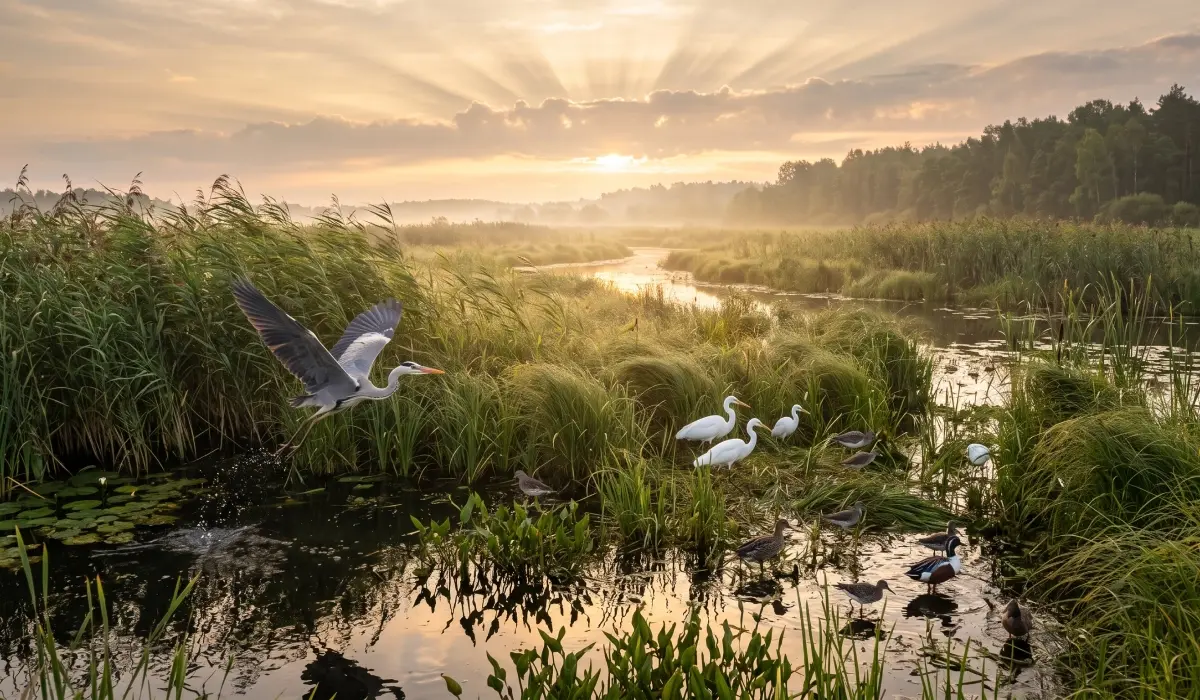
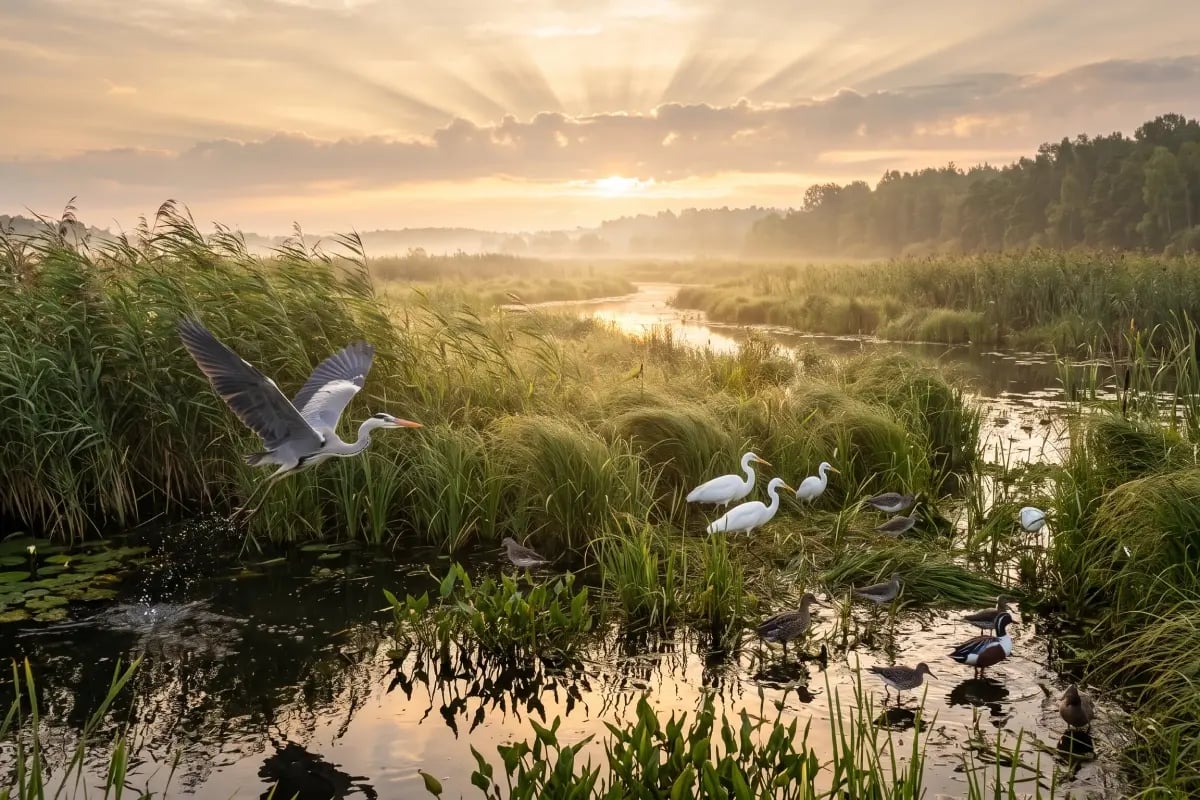 European wetland showcasing ecosystem restoration, biodiversity conservation, and natural carbon storage. AI generated picture.
The Regulation puts carbon at the centre of ecosystem recovery. It prioritises the habitats with the greatest capacity to capture and store carbon. It also sets targets to raise the stock of organic carbon in forests and in cropland mineral soils. Restoring drained peatlands, among the most carbon-dense ecosystems on Earth, forms part of the agricultural targets.
Nature-based carbon removals connect the Regulation to the EU's wider carbon policy. The European Commission designed the Carbon Removals and Carbon Farming Certification Framework (CRCF) to work in synergy with the restoration targets. Carbon farming that builds soil and forest carbon can count towards a country's restoration obligations, opening a route to verified carbon credits for farmers and land managers.
Read more: EU Commission publishes landmark ETS reform proposal
The Commission reviews each draft plan within six months and shares its observations with the country concerned. Member states then finalise and publish their plans around September 2027. Binding targets follow in 2030, 2040, and 2050, with progress tracked by the European Environment Agency.
For project developers, investors, and land managers, the plans signal where Europe will concentrate its restoration effort and funding over the decades ahead. Nature-based projects that restore ecosystems and store carbon stand to play a central role.
Read more: The hidden strength of nature-based credits in corporate decarbonisation strategies
As nature restoration moves to the centre of EU policy, demand for credible, nature-based carbon credits will grow alongside it. Businesses preparing for this shift need a dependable supply they can stand behind: credits that are verified, traceable, and backed by real environmental results. Green Earth provides that supply. We give businesses access to high-integrity carbon credits from nature-based carbon projects that restore ecosystems and support local communities, so you can meet rising expectations for quality with confidence.