
European Union
Ecosystem restoration
Nature restoration
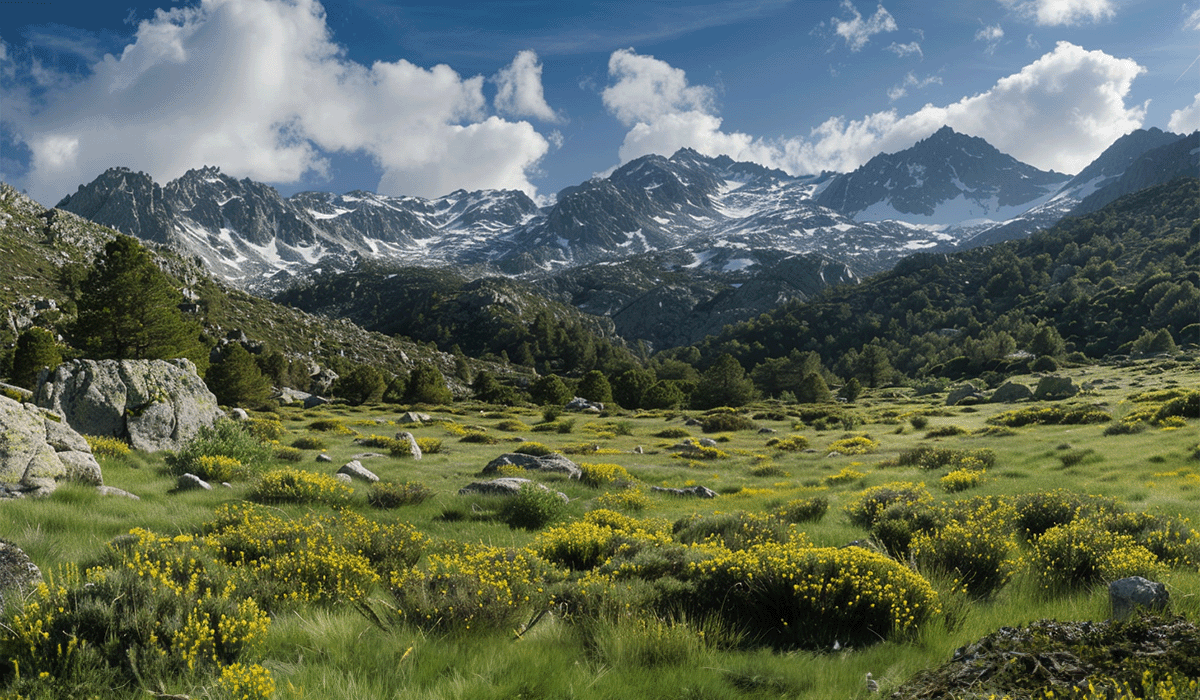
The European Union has enacted the Nature Restoration Law, a groundbreaking regulation aimed at reversing the degradation of ecosystems across the continent. Effective from 18 August, the law sets binding targets for restoring ecosystems crucial for carbon capture, disaster prevention, and biodiversity enhancement.
 Landscape view of Sierra Nevada, Spain, one of the biodiversity hotspots in the EU. This mountain range boasts diverse habitats from semi-deserts to alpine environments.
The legislation is integral to achieving the EU's climate neutrality goal by 2050 and adapting to changing environmental conditions. By 2030, member states must implement restoration measures on at least 20% of both EU land and sea areas, expanding to all degraded ecosystems by 2050.
Read more: Voluntary carbon credit market to skyrocket, projected to reach $14.56 billion by 2032
In addition to restoring key habitats, the law mandates urban green space expansion, the rewilding of rivers, and the reversal of pollinator decline. It also supports the EU's broader environmental goals, such as water security and renewable energy development.
Each member state will develop a national restoration plan, outlining specific measures and timelines to meet these ambitious targets. These plans must be submitted to the European Commission within two years and will be reviewed regularly.
Read more: Reforestation and afforestation projects around the world: success stories and lessons learned
The economic benefits are clear: restoring ecosystems can deliver returns exceeding €8 for every euro invested. With over 80% of EU habitats currently in poor condition, this law represents a critical step towards a more sustainable and resilient Europe.
In alignment with the EU's ambitious goals, DGB Group is committed to restoring nature through our innovative nature-based carbon projects, which prioritise nature conservation and biodiversity enhancement. Our initiatives empower companies to reduce their carbon footprints while making a significant, positive impact on the environment. At DGB, we go beyond simple carbon compensation by focusing on high-quality projects that actively restore ecosystems, support local communities, and strengthen the resilience of natural habitats. Through our biodiversity credits, businesses and individuals can invest in a healthier, more sustainable future, contributing to the restoration and preservation of vital ecosystems.