It looks like you’re browsing from Netherlands. Click here to switch to the Dutch →
The Namizimu Project is a transformative afforestation initiative in Southern Malawi that integrates large-scale ecosystem restoration with sustainable economic empowerment for rural communities.
This large-scale afforestation initiative will plant millions of trees to reclaim degraded landscapes, sequester millions of tonnes of CO2, and rebuild vital biodiversity corridors. The project actively partners with communities to build lasting economic and climate resilience by creating thousands of local jobs, improving agricultural yields, and providing sustainable biomass fuel.
Currently in project design phase.
The Namizimu Project empowers rural households by creating thousands of local jobs and fostering long-term economic resilience through diversified income streams, including carbon revenue sharing and agroforestry products.
By integrating sustainable farming techniques, the initiative significantly improves soil fertility and crop yields, directly enhancing food security for approximately 18,000 residents. Furthermore, the establishment of dedicated wood-fuel lots provides a managed, renewable biomass source that fulfills community energy needs while professionalising local supply chains.
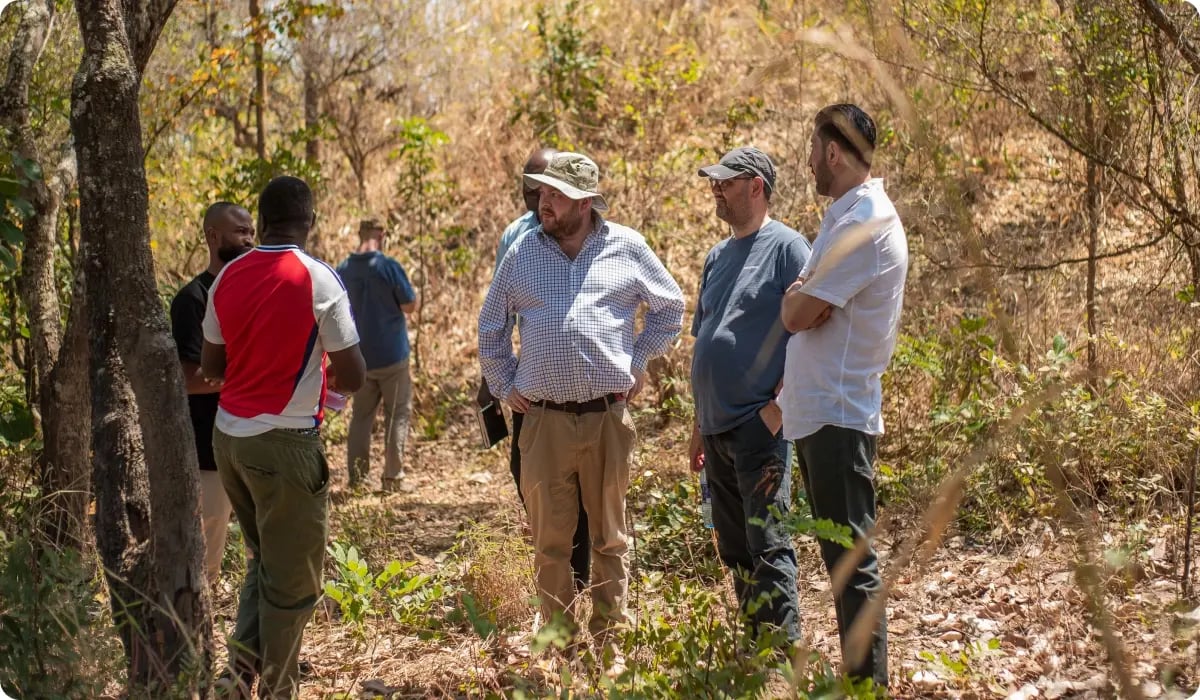
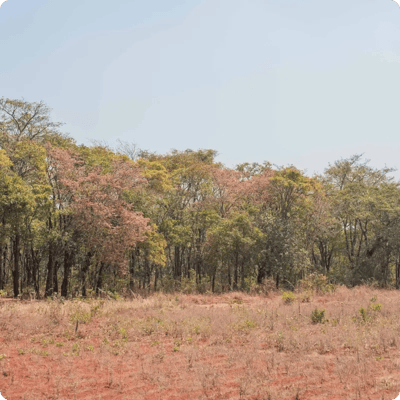
As a cornerstone of ecological restoration in Southern Malawi, the project will reclaim thousands hectares of the Namizimu Forest Reserve by planting millions of trees. This massive effort acts as a vital carbon sink, expected to sequester millions of tonnes of carbon over its lifetime.
Rebuilding native forest cover establishes crucial biodiversity corridors for wildlife and ensures hydrological stability by protecting the Lake Malawi catchment from siltation, recharging groundwater, and reducing soil erosion. By offering sustainable wood-fuel alternatives, the project actively relieves pressure on old-growth forests and restores the regional microclimate to buffer against extreme weather.
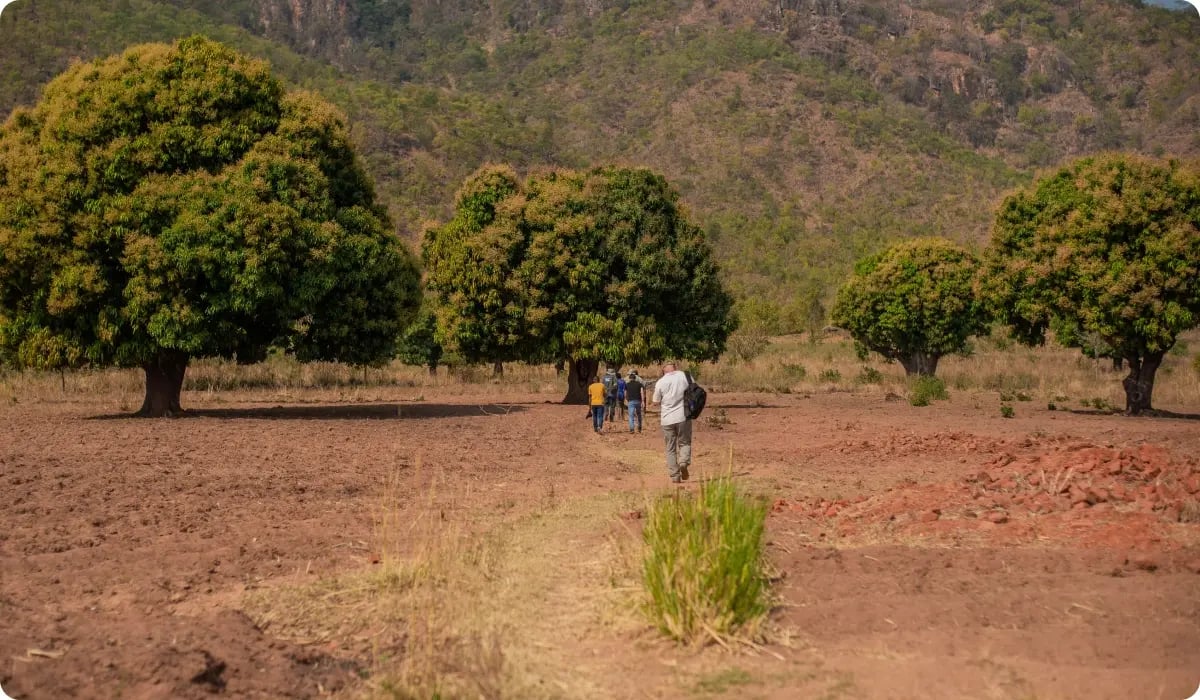
Following the ‘Conditionally Feasible’ verdict, the Namizimu Project is moving into active development. Over the next six months, the team will launch a 100-hectare pilot to calibrate costs and survival rates, finalise Article 6 government approvals, and initiate FPIC-aligned stakeholder consultations with local communities. The project will have a lifetime of 40 years.
By seamlessly integrating large-scale environmental restoration with socio-economic empowerment, the Namizimu Afforestation, Reforestation & Agroforestry Carbon Project creates a self-sustaining model of climate resilience. The initiative unites the Government of Malawi, local communities, and international technical experts in a collaborative effort to establish a high-integrity carbon credit framework.
Ultimately, the project turns degraded landscapes into high-functioning ecosystems and thriving local economies, advancing global climate action and contributing directly to Malawi’s national climate targets under the Paris Agreement.
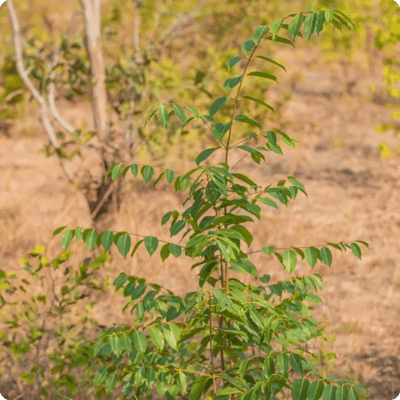
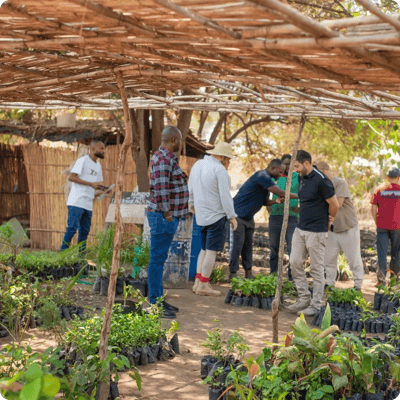
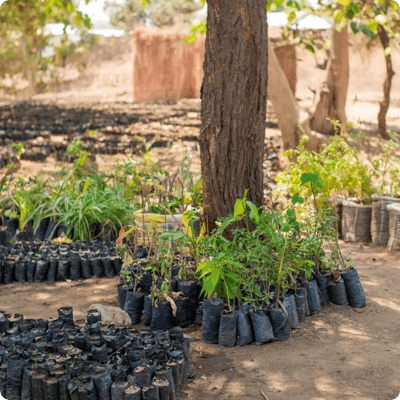
Our current list of species includes fruit trees, nut trees, and shade trees, with a diversity of indigenous species.
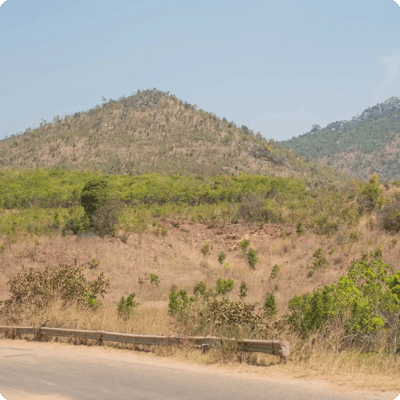
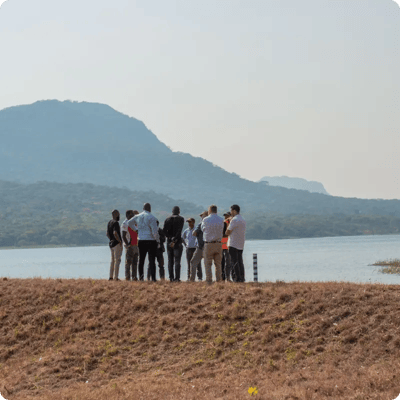
Located in the scenic southern region of Malawi, the proposed project area is situated within the bounds of the Namizimu Forest Reserve. This vital ecological zone is known for its rugged terrain and critical watersheds, making it an ideal candidate for high-impact afforestation and agroforestry initiatives, pending final site confirmation.
trees to be planted
tonnes CO₂ to be captured
hectares to be restored
residents positively impacted
Join us to witness the incredible transformation as we breathe new life into once barren lands. Together, we can make a lasting impact and leave a legacy of environmental stewardship for future generations.
Between September 2025 and April 2026, the Bulindi Agroforestry and Chimpanzee Conservation Project ..
The Lake Aral Afforestation Project has reached a defining milestone. Following unanimous support fr..
In late January, in Niger and Nasarawa State in Nigeria, Green Earth convened stakeholder consultati..
The first step is to measure and understand the impact of your business and commit to environmental responsibility. By doing so, businesses benefit the planet and gain a competitive edge. We prioritise nature restoration, offering businesses a path to a greener future. With our carbon footprint calculator, you can get clarity on your business’ environmental impact.
Once you've measured your impact, the next step is to offset your carbon footprint and develop strategies that leverage nature-based solutions. Carbon offsetting is about investing in positive environmental impact. Our nature-based approach ensures you contribute to tangible, nature-positive outcomes that align with your values and vision, contributing to a more sustainable world.
After you have offset your carbon footprint, you can celebrate being nature positive. You can communicate your positive impact to stakeholders. Green Earth can help you with your ESG reporting as well as corporate communication strategies. This isn't just about accountability and transparency; it's an opportunity to inspire others and showcase the tangible benefits of investing in nature conservation.
Article 6 of the Paris Agreement establishes a transparent governance mechanism for the international transfer of carbon credits, fostering a high-quality global carbon trading system. To participate effectively in these markets, Malawi has proactively developed its national carbon market regulatory framework to align with international standards. Through its established carbon trading guidelines and national registry efforts, the Malawian government has laid a clear foundation for project authorisation, transparent accounting, and the generation of high-integrity credits. A core pillar of Malawi's regulatory approach is equitable benefit-sharing, ensuring that a meaningful percentage of carbon revenues directly supports local community development and socio-economic resilience. Our project in Malawi will strictly adhere to the country's national frameworks and Article 6 guidelines, ensuring transparent climate action and tangible benefits for local communities.
We champion nature-based solutions as a powerful pathway to sustainability. Explore our diverse portfolio and discover how we are creating tangible environmental and social impacts that go beyond carbon reduction.
The Bulindi Agroforestry and Chimpanzee Conservation Project is an afforestation project in western Uganda that aims to protect the remaining habitat of the Bulindi chimpanzees and support local village households.
The Mount Kenya Regenerative Agroforestry Project in Kenya aims to restore previously-forested areas affected by human activities like logging, agriculture, development, construction, and firewood collection.
The Greenzone Reforestation Project is a large-scale nature-based solutions project in Cameroon to restore nature, create forests, and promote sustainable development within local communities.
At the core of our mission lies the preservation of nature and the fostering of biodiversity. Green Earth is actively working to restore nature. Join us in creating a greener future through impactful nature-based projects. Reach out to us to learn more about our work.