x
LATEST ARTICLE Industries with the biggest nature footprints and what their decarbonisation looks like Read Article

Walewale Climate-Smart Rice Milling Project, Ghana

This project builds a resilient, circular agricultural ecosystem in Northern Ghana by financing a modern local rice mill and equipping smallholder farmers with climate-smart practices to eliminate waste, secure regional food sovereignty, and drive inclusive economic empowerment.

Project general info

Location
Flag_of_Ghana.svg Walewale, Ghana
Project goal
To establish a resilient, circular agricultural ecosystem in Northern Ghana by operationalising the Walewale Modern Rice Milling Facility.
Project description

This project integrates high-efficiency local processing with FarmerTribe’s comprehensive extension services to secure regional food sovereignty and eliminate post-harvest waste. By transitioning smallholder farmers to Climate-Smart Agriculture (CSA), we aim to restore soil health, promote drought-resistant crop varieties, and ensure year-round food security. Our mission is to create a self-sustaining model of environmental stewardship and inclusive economic empowerment.

Currently in project implementation phase

E_SDG_Icons-01
E_SDG_Icons-02
E_SDG_Icons-08
E_SDG_Icons-13
1

Positive impact on local communities

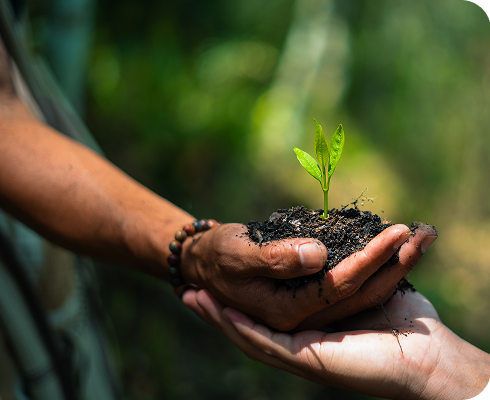
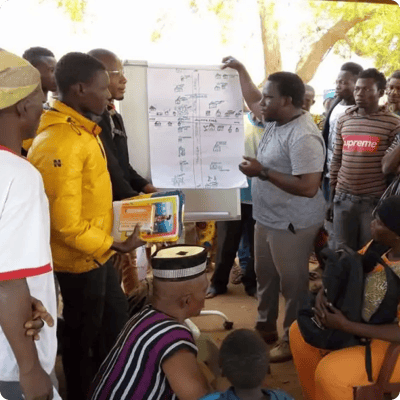
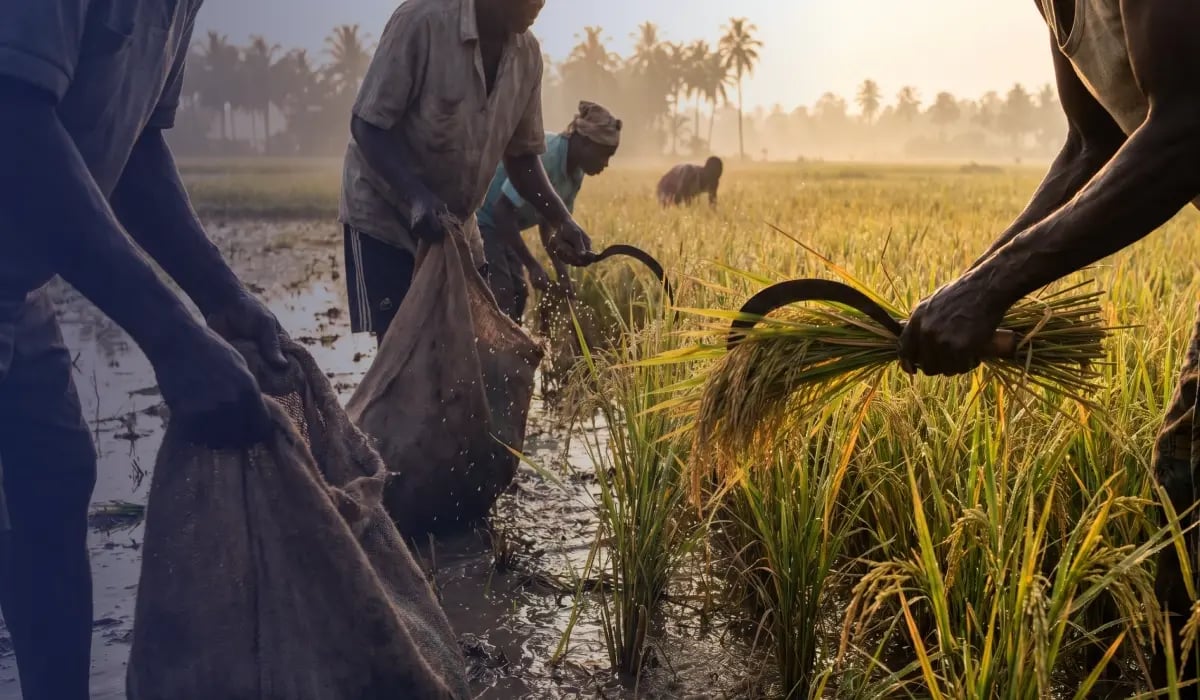
Through FarmerTribe’s Farm Academy, we empower local growers with hands-on training and comprehensive advisory services to professionalise their farm management.

By facilitating access to pest and drought-resistant crop varieties specifically suited to the region's changing rainfall patterns, we help farmers maximise their agricultural capacity. This targeted support enables them to use water, land, and organic fertilisers with precision, securing their livelihoods and producing more food on less land.
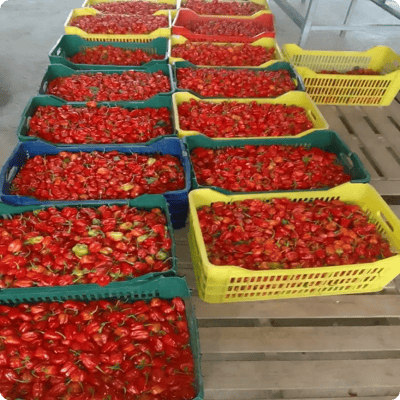
Walewale Climate-Smart Rice Milling Project_visual 1
2

Positive impact on the environment

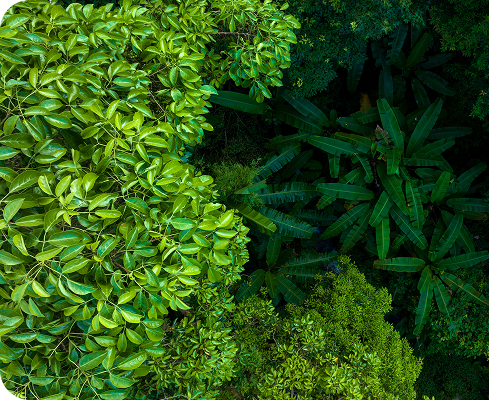
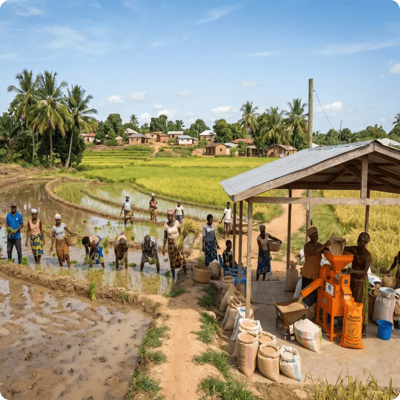
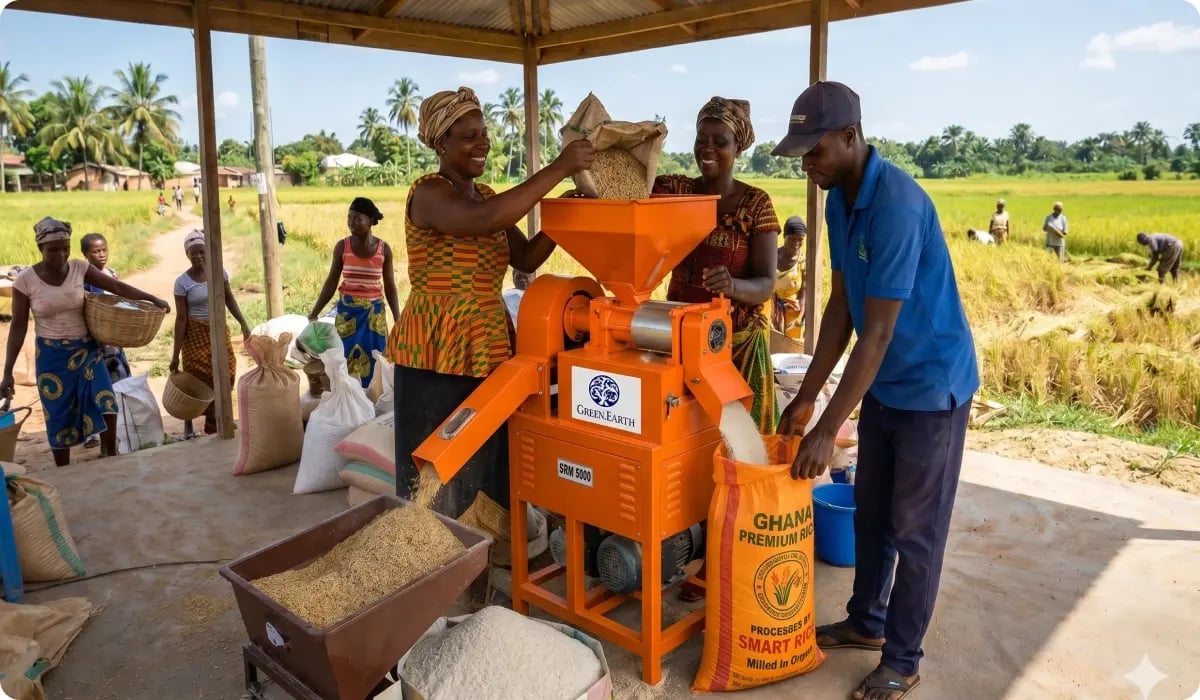
Establishing our milling facility directly within the production hub drastically cuts transport-related emissions of raw materials to distant industrial centres and builds a more localised, sustainable supply chain.

We actively protect local biodiversity by promoting climate-smart techniques that replace harmful practices, such as seasonal burning and indiscriminate tree clearing, with sustainable soil conservation and efficient irrigation. We also implement responsible resource use that minimises chemical interventions and repurposes agricultural by-products (such as rice husks), which significantly reduces methane emissions and prevents natural habitat degradation.
Walewale Climate-Smart Rice Milling Project_visual 2
3

Project timeline

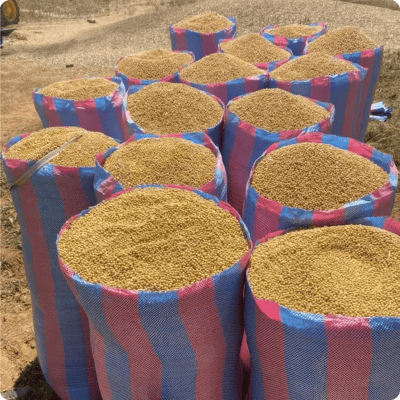
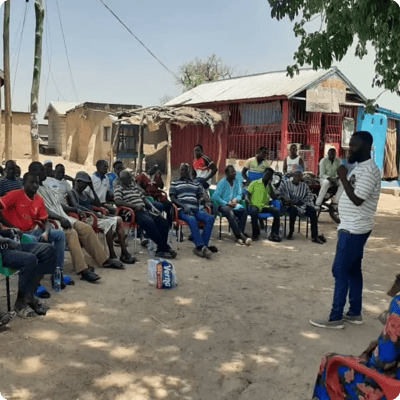
The project operates on a three-year timeline, structured to scale impact efficiently. Phase 1 is already completed, marking the successful site acquisition in Walewale and the establishment of an initial partnership with FarmerTribe. Currently, we are in Phase 2, actively deploying working capital to complete the facility and install high-efficiency milling machinery. Over the next six months, Phase 3 will commence with the launch of extension services for the first 1,500 farmers, alongside the initiation of the first-season paddy off-take. Finally, Phase 4 will span years 2 and 3, focusing on scaling operations to reach the full capacity of 5,000 participating farmers.

Walewale Climate-Smart Rice Milling Project_visual 3

The project's overall impact

At its core, the Walewale project transforms rice production in Northern Ghana through a steadfast commitment to Climate-Smart Agriculture and environmental stewardship.


Our comprehensive advisory services ensure that water, organic fertilisers, and land are used with precision.


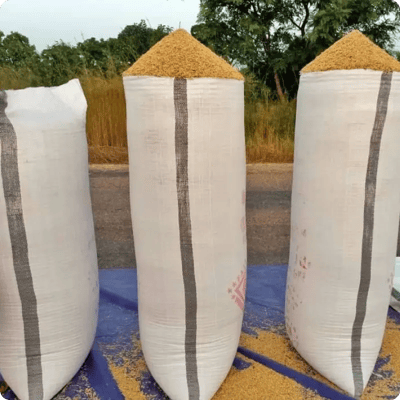
By localising the value chain and centralising operations with a modern milling facility, we minimise post-harvest losses and build a highly efficient, circular agricultural economy.


This end-to-end approach significantly reduces the overall ecological footprint of the region's rice production while ensuring every grain grown successfully reaches the table.

UNSustainableDevelopmentGoals_Brand-01

Where the project is located

kenya Walewale, Northern Ghana

About this region

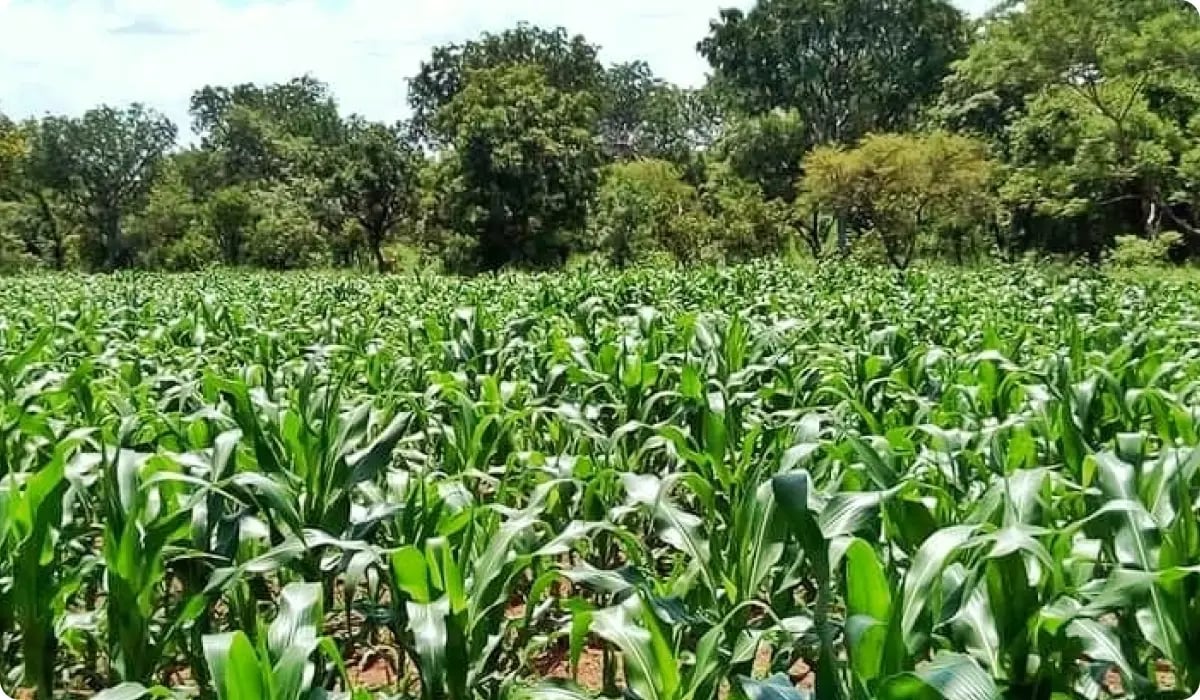
The project is centered in Walewale in Northern Ghana. This area is a primary 'breadbasket' for rice production but suffers from a lack of processing infrastructure. The region is characterised by a Guinea Savannah climate with a single rainy season, making climate-smart interventions and localised processing essential to protect farmers against market volatility and climate shocks.

What we will achieve with this project

5,000

lives positively impacted

Find out more in the project booklet

Join us to witness the incredible transformation as we breathe new life into once barren lands. Together, we can make a lasting impact and leave a legacy of environmental stewardship for future generations.

mockup (1)

Green Earth project diaries

Explore our impactful projects' latest updates and progress from the local management team.

The Lake Aral Afforestation Project has reached a defining milestone. Following unanimous support fr..

In late January, in Niger and Nasarawa State in Nigeria, Green Earth convened stakeholder consultati..

How can we help you?

At the core of our mission lies the preservation of nature and the fostering of biodiversity. Green Earth is actively working to restore nature. Join us in creating a greener future through impactful nature-based projects. Reach out to us to learn more about our work.