
Water Conservation
Carbon farming
Sustainable Land Use
Sustainable Agriculture
Water management
Many farmers throughout the world rely on groundwater, nearby water sources, and pumping supplies to water their crops. Conventional agriculture is known for its high water usage. However, water conservation in agriculture has become increasingly important for the health of the environment and the sustainability of agriculture. By using water more efficiently, better-yield crops can grow while using less water, contributing to preserving one of nature's most valuable resources.
This article will discuss 10 key techniques for agricultural water conservation.
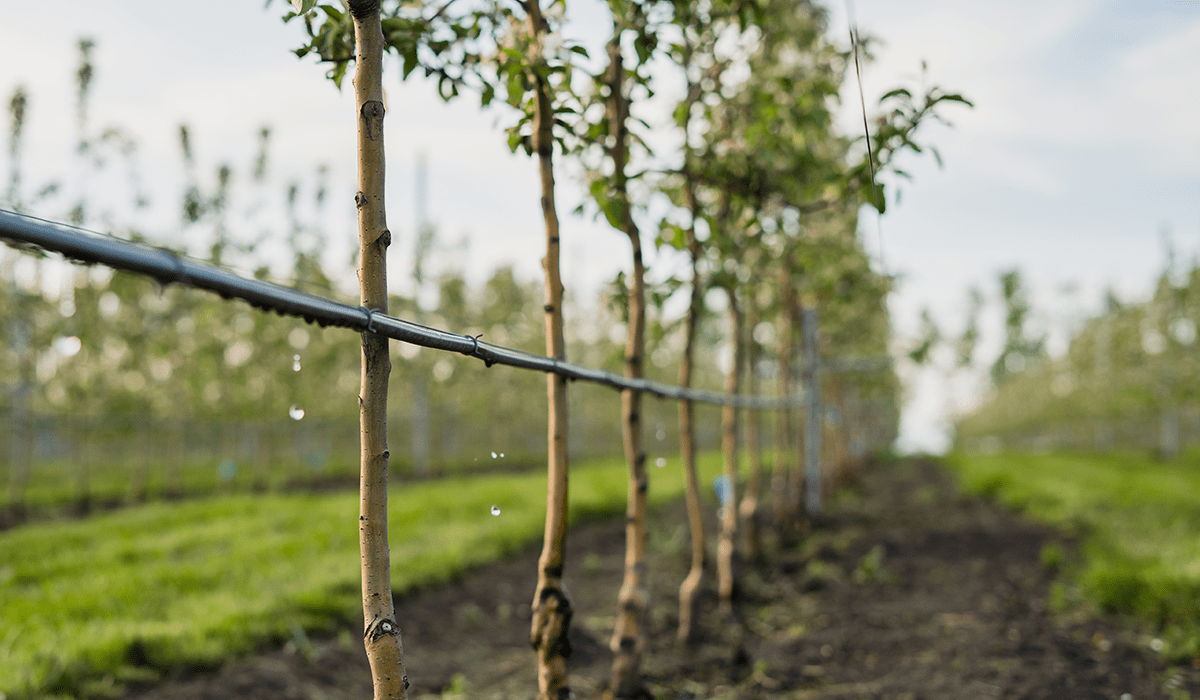
1. Drip irrigation
Drip irrigation is the most efficient way to provide crops with the necessary water and nutrients for optimal growth. This method delivers water and nutrients directly to the root zone of each plant in precise amounts and at the right time. As a result, farmers can achieve higher yields while using less water, fertiliser, and energy. Drip irrigation allows for precise and targeted application of resources, reducing waste and maximising the efficiency of water and nutrient use in agriculture.
2. Capturing and storing water
Water harvesting and reuse systems are designed to collect and store runoff and stormwater, which can be used later for various purposes. These systems have local benefits, such as reducing runoff volume and preventing water quality degradation downstream.
They also contribute to sustainable water management by utilising collected water for future use, reducing reliance on freshwater sources, and promoting water conservation. These systems provide multiple benefits, including local water availability, reduced runoff, improved water quality, and enhanced overall water resource management.

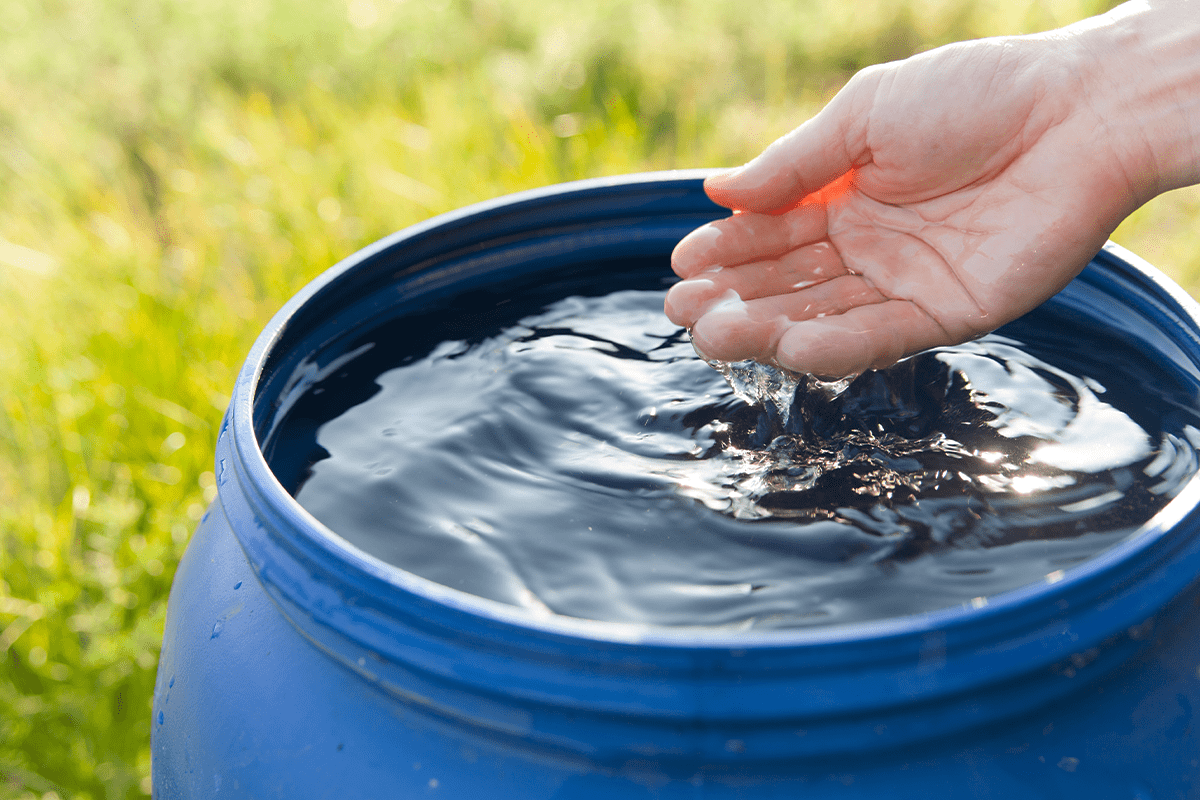 Rain water in a barrel.
3. Irrigation scheduling
Irrigation system managers use irrigation schedules to determine the appropriate frequency and duration of watering. Water management takes into account the method of irrigation, as well as the amount, timing, and frequency of water application. Farmers regularly monitor weather forecasts, soil moisture, and plant conditions to adjust their irrigation schedules accordingly and prevent both under-watering and over-watering of their crops. This proactive approach helps optimise water use, ensuring that crops receive the right amount of water at the right time for optimal growth while avoiding water waste and potential negative impacts on plant health and productivity.
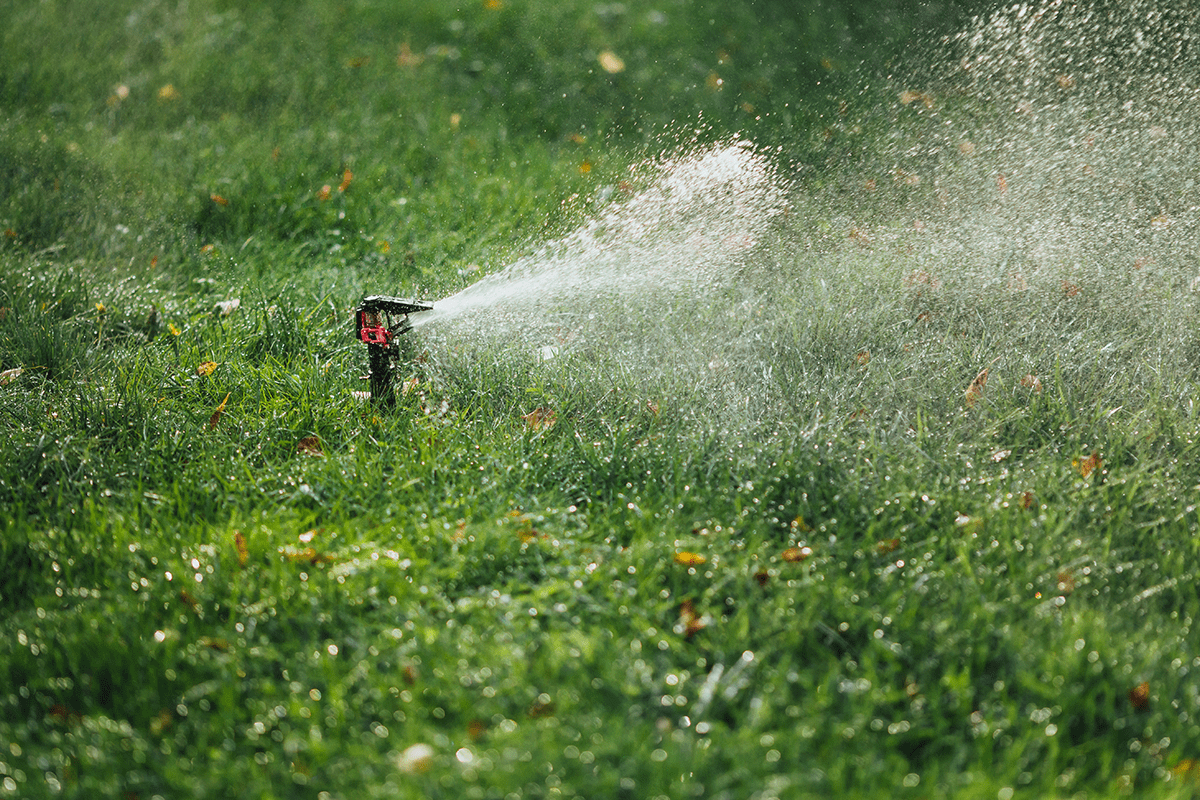 Working lawn sprinkler spraying water over grass.
4. Crops resistant to drought
Farmers can enhance their crop productivity per unit of water by cultivating crops that are well-suited to the local climate. Drought-resistant crops are particularly advantageous, as they can reduce the risk of crop failure during periods of water scarcity, improve overall yields, and enhance economic stability for farmers.
Additionally, these crops can contribute to water conservation efforts, which are vital for sustainable agriculture and environmental preservation. By growing crops adapted to the local climate and requiring less water, farmers can optimise water use, mitigate risks associated with drought, and promote long-term sustainability in agriculture.

5. Dry farming
Dry farming is a method of crop production that does not rely on irrigation during dry seasons, but instead utilises moisture stored in the soil from the previous rainy season. It is a location-specific, low-input strategy for growing crops within the constraints of the climate. In this approach, a crop may receive minimal irrigation or none at all.
This method emphasises maximising the natural moisture content of the soil and adapting crop choices and management practices to suit the local climate, with the goal of achieving sustainable crop production with minimal water use.
Read more: Dry farming: growing crops without irrigation
6. Rotational grazing
Rotational grazing involves moving livestock across fields in a planned manner to promote pasture regeneration. Proper grazing management practices enhance the fields’ ability to absorb water and minimise runoff, leading to more drought-resistant pastures. This approach offers water-saving benefits, as it can increase soil organic matter and improve fodder coverage, leading to improved water retention in the soil. By carefully managing grazing patterns, farmers can optimise pasture water use, improve pasture quality, and enhance drought resilience, ultimately contributing to sustainable livestock management and better water resource utilisation.
Read more: Agroforestry explained: a guide to regenerative farming
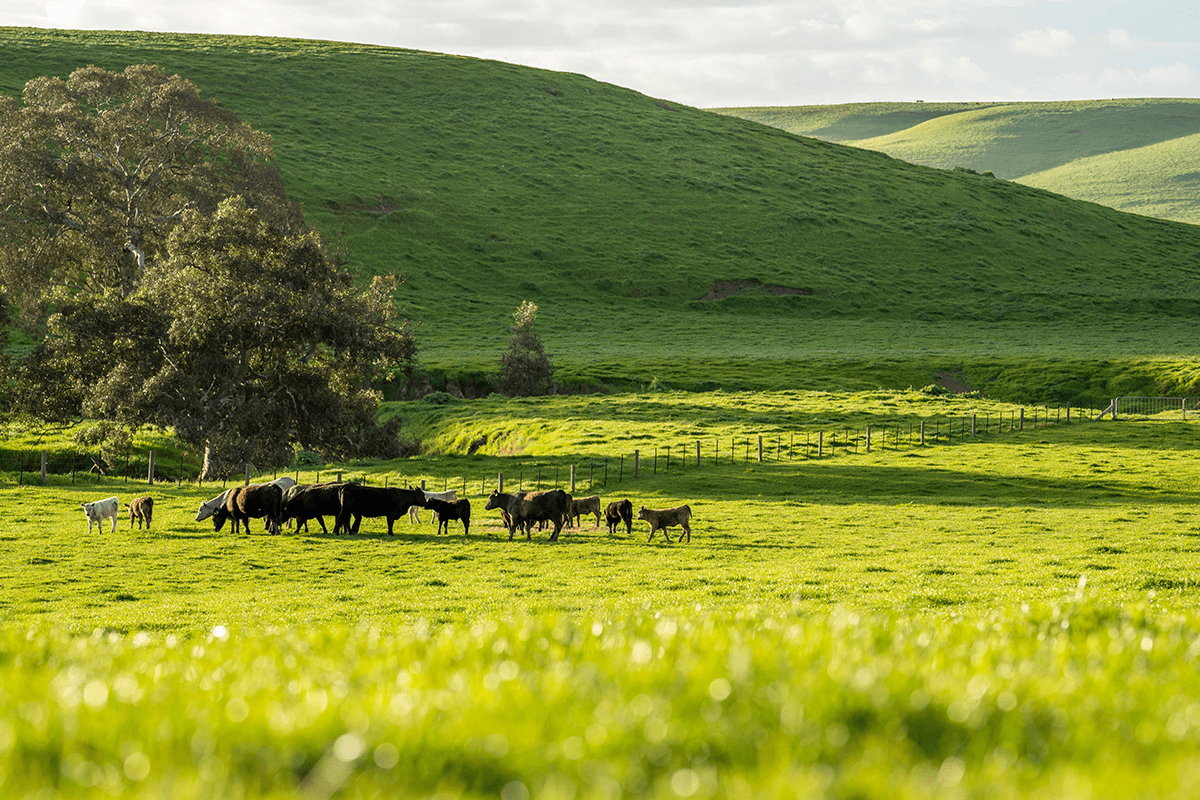 Cows grazing in a field.
7. Compost and mulch
The combination of compost and mulch can be highly effective in improving soil health and fertility. Compost is incorporated into the soil prior to planting, while mulch is applied around plants after they have been established. Both compost and mulch can be produced on-farm, making them a cost-effective technique for farmers to enhance soil quality. Compost enriches the soil with organic matter and nutrients, while mulch helps conserve moisture (by slowing evaporation), suppress weeds, and moderate soil temperature.
8. Conservation tillage
Conservation tillage refers to a collection of farming techniques aimed at reducing soil erosion, conserving water, and enhancing soil health. These practices create a protective layer on the soil surface that helps retain moisture, making them particularly beneficial in regions with limited water availability or frequent drought conditions. By minimising or eliminating traditional tillage methods that disturb the soil, conservation tillage helps maintain soil structure and organic matter, reduce water runoff, and prevent erosion.
Read more: How regenerative agriculture is transforming sustainable farming
9. Cover crops
Cover crops play a vital role in protecting bare soil from erosion, water loss, and compaction by providing a protective layer that reduces the impact of wind and water erosion. They also compete with weeds for water and nutrients, helping to control weed growth and potentially reducing the need for herbicides and other chemical inputs. Cover crops are a form of carbon farming practice that can enhance water preservation and soil health. They are planted between primary crop cycles to protect the soil from erosion, improve soil fertility and water retention, and offer additional benefits such as weed suppression.

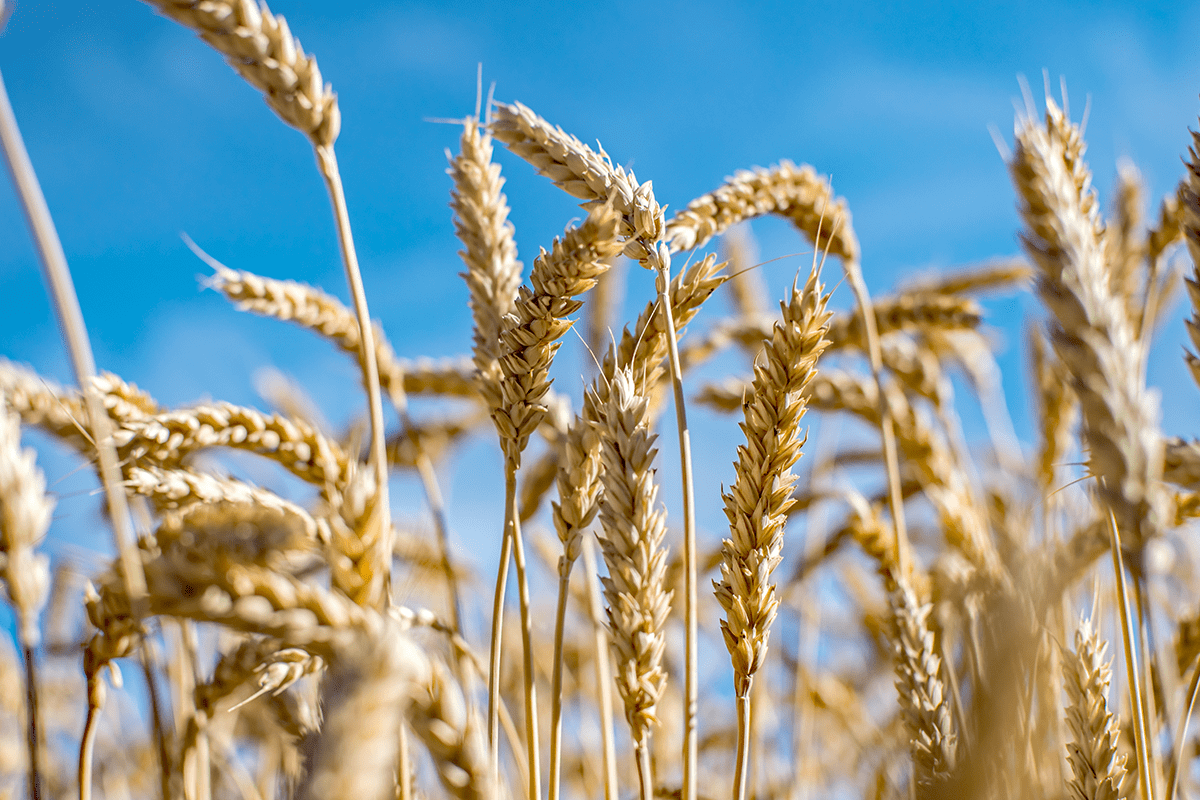 Rye field. Rye, among others, is the most common cover crop.
10. Organic farming
Organic farming encompasses a set of farming techniques that prioritise using natural methods and materials to promote soil fertility, reduce reliance on synthetic chemicals, and conserve water. For instance, crop rotation helps to diversify the types of crops grown in a field over time, reducing the risk of nutrient depletion and pest buildup and promoting healthier soils that can retain water better.
Read more: How carbon project developers quantify biodiversity and community impact
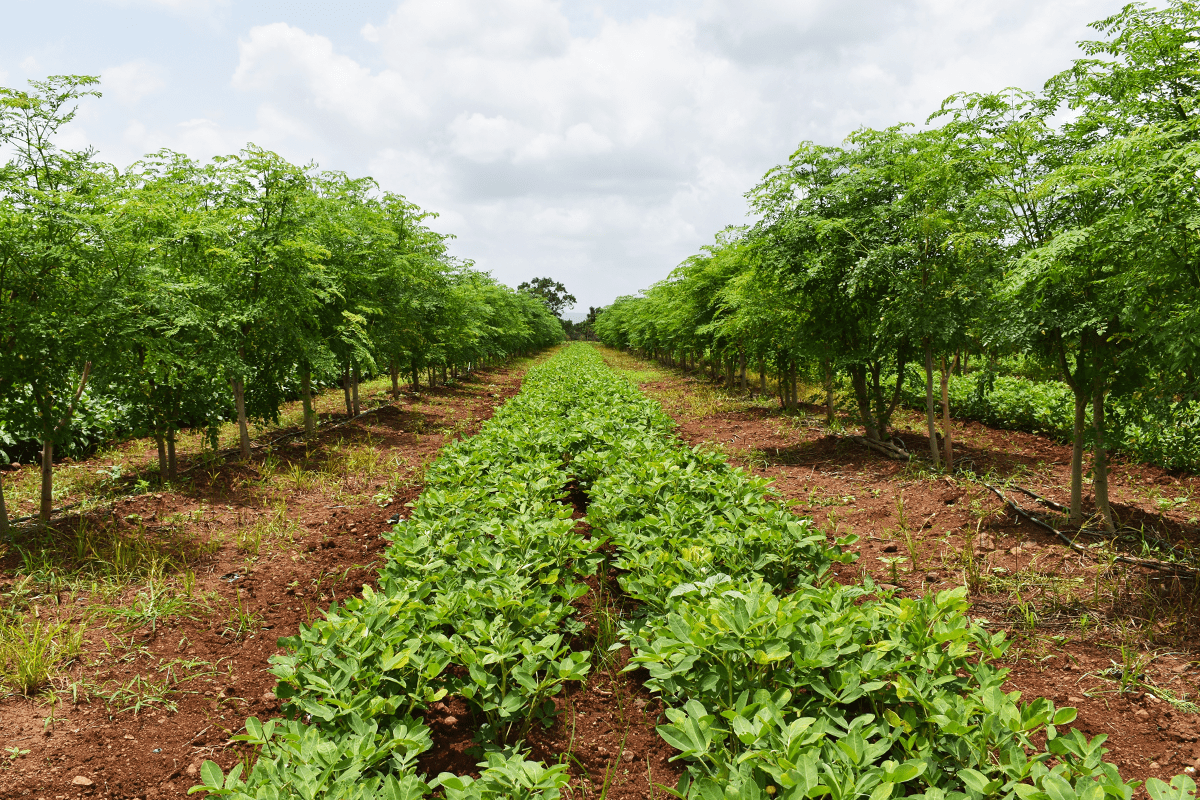 Crops of Drumstick tree and peanuts. An example of organic farming crop rotation.
The importance of water conservation in agriculture
Water conservation in agriculture has become increasingly crucial for the health of the environment and the sustainability of agriculture. By adopting techniques such as drip irrigation, capturing and storing water, crop rotation, conservation tillage, and organic farming, farmers can optimise water use, maximise crop yields, and promote long-term sustainability in agriculture. With these techniques, farmers can achieve higher yields while using less water, fertilisers, and energy. It is vital to recognise the importance of water conservation in agriculture to ensure a sustainable future for all.
Read more: Water conservation: protecting nature's liquid gold
Green Earth focuses on large-scale nature-based projects which use various sustainable agricultural techniques that protect and enhance natural ecosystems, improve water resources, and contribute to the sustainable development of communities. We promote sustainable water management practices, like using water-efficient technologies and ensuring water is used sustainably in our projects. Our team of experts assesses and monitors each project to ensure it meets its goals, has a positive environmental impact, and has sustainable outcomes for the landowner.
When you invest in our high-quality nature-based projects, you not only reduce your environmental impact by offsetting your carbon footprint with our verified carbon credits but also contribute to supporting nature restoration, biodiversity preservation, and water security creation. Whether you are an individual, investor, or business of any size, you can contribute to creating a greener tomorrow with Green Earth.