
Tree planting
Farming
Agroforestry
Nature-based solutions
Sustainable Agriculture
Sustainable Development Goals
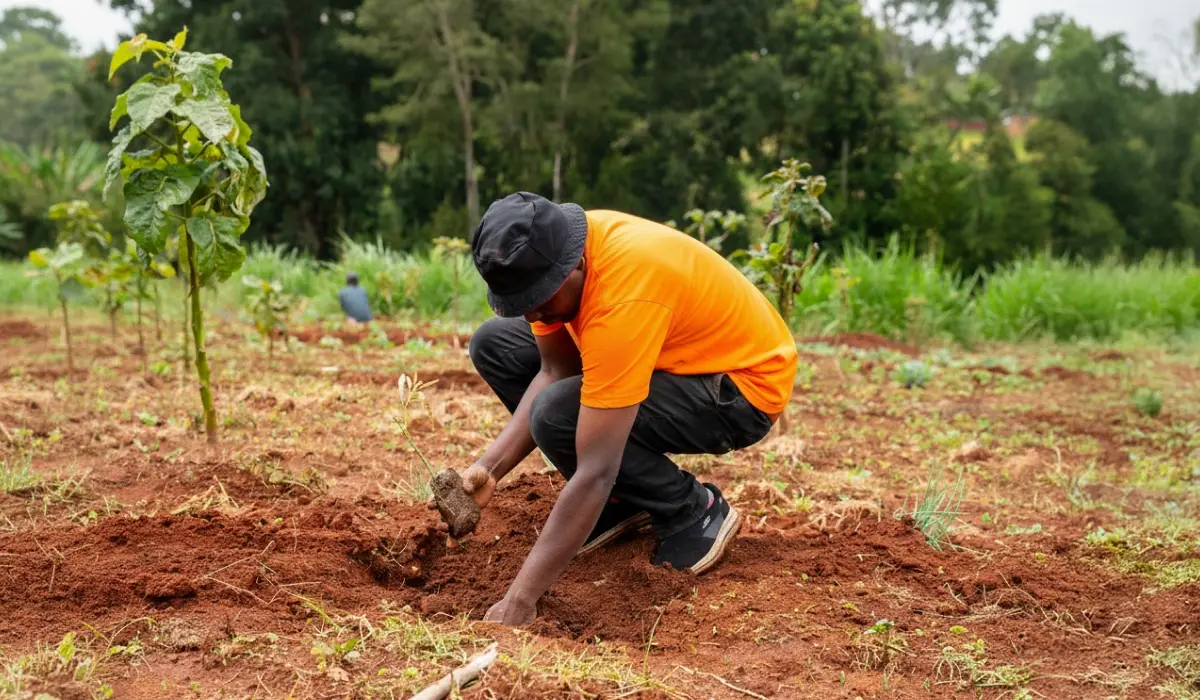
Across the world, agricultural land is under growing pressure. Soil degradation, biodiversity loss, and increasingly erratic rainfall are undermining the productivity of farming systems that billions of people depend on. This is no longer a concern limited to the environmental sector. Nature degradation now presents a systemic risk to economies, supply chains, and financial systems, affecting all businesses, regardless of sector.
Conventional agriculture has largely responded to these pressures by intensifying: more inputs, more uniformity, more short-term yield. But intensification treats the symptoms without addressing the cause. It extracts from natural systems faster than they can recover, leaving soils depleted, landscapes deteriorated, and farms more vulnerable with each passing season.
Agroforestry offers a fundamentally different logic. By deliberately integrating trees into crop and livestock systems, it works with ecological processes rather than overriding them: rebuilding the natural capital that sustainable agriculture depends on, while maintaining and often improving agricultural productivity.

This guide explores how agroforestry systems work in practice, why they are central to regenerative farming, and what large-scale implementation looks like on the ground.
Agroforestry systems explained: What is agroforestry?
Agroforestry is not a single technique but a family of integrated land-use systems. What they share is intentional design—trees are not incidental to the landscape but deliberately selected, positioned, and managed to deliver specific ecological and economic functions alongside agricultural production. It’s a method that mimics natural growth, providing the benefits that such an ecosystem would provide.
The land-use systems of agroforestry are based on four main types. Each works differently, and understanding the function of each one is the clearest way to see why trees belong in productive landscapes.
- Alley cropping places rows of trees between crop rows. The trees’ deep root systems access nutrients in lower soil layers that annual crops cannot reach, while decomposing leaf matter continuously feeds the topsoil between harvests. It’s a system that rebuilds the soil rather than draining it.
- Silvopasture integrates trees into grazing land. Shade from the tree canopy reduces heat stress on livestock during the hottest parts of the day, which research has shown to increase daily weight gain in cattle. Below ground, tree root systems stabilise soil structure, preventing the compaction that hooves cause on exposed ground and maintaining the infiltration capacity that keeps pasture productive over time.
- Windbreaks and shelterbelts are tree lines positioned to reduce wind speed across open fields, helping crops and soil retain moisture through dry periods and reducing irrigation demand on water-stressed farms. It also protects farmland from soil erosion caused by heavy rainfall.
- Multi-strata systems layer trees, shrubs, and ground crops at different heights, mimicking the vertical structure of a natural forest. Each layer captures different wavelengths of light and occupies different soil depths. The same area of land supports multiple productive species simultaneously without competition and maximises output per hectare in a way that monocultures structurally cannot.
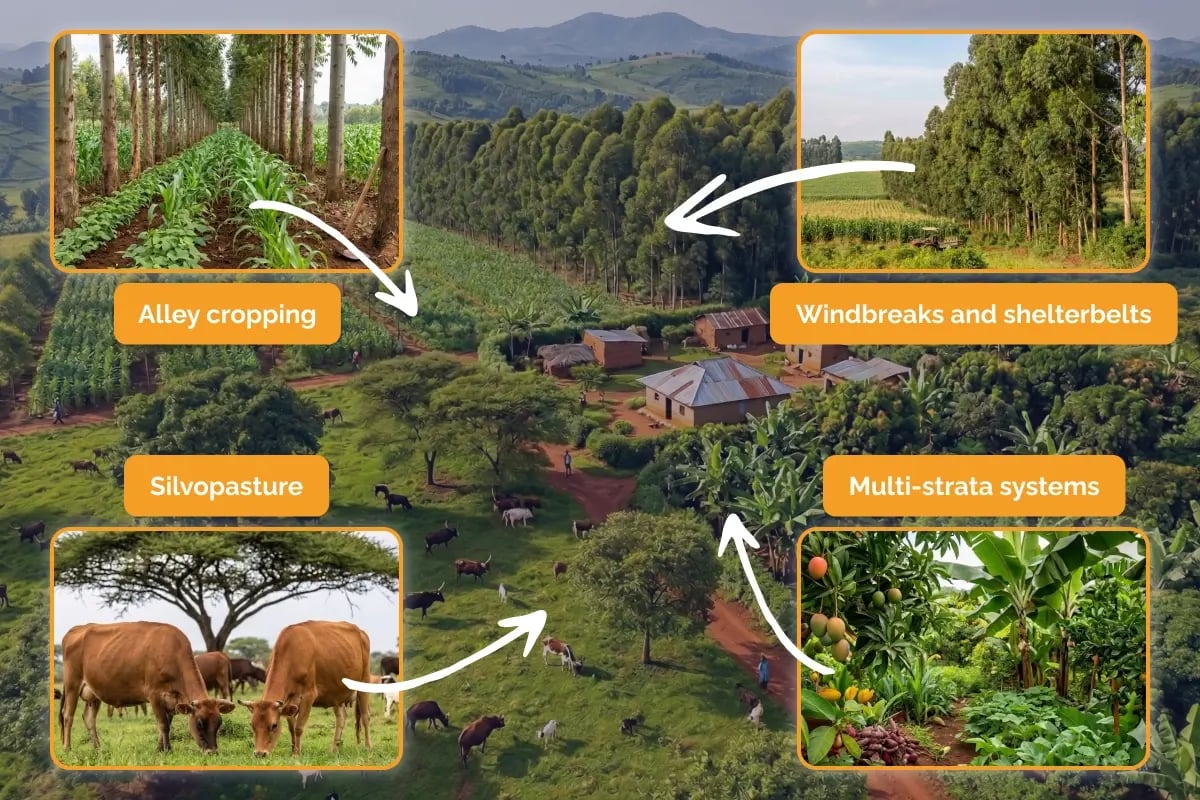 Agroforestry systems explained: What is agroforestry? AI generated picture.
In each case, what makes it an agroforestry system rather than simply trees near a farm is the calibration: species chosen for a purpose, placed where their functions are needed, and managed over the long term to optimise the interactions between trees, crops, soil, and livestock.
Read more: What makes Green Earth’s reforestation projects unique?
How agroforestry improves soil fertility and biodiversity
Agroforestry’s most significant contributions to sustainable agriculture operate on two levels simultaneously: underground, where it rebuilds soil health, and above ground, where it restores biodiversity. These are not separate benefits. They are interconnected mechanisms that reinforce each other over time.
How agroforestry improves soil fertility
The problem that agroforestry addresses is structural. Intensive monocropping strips organic matter from the topsoil season after season. Synthetic fertilisers replace individual nutrients but do nothing to rebuild soil structure, microbial communities, or water retention capacity. The soil remains chemically fed but biologically depleted—increasingly dependent on inputs to produce the same yields.
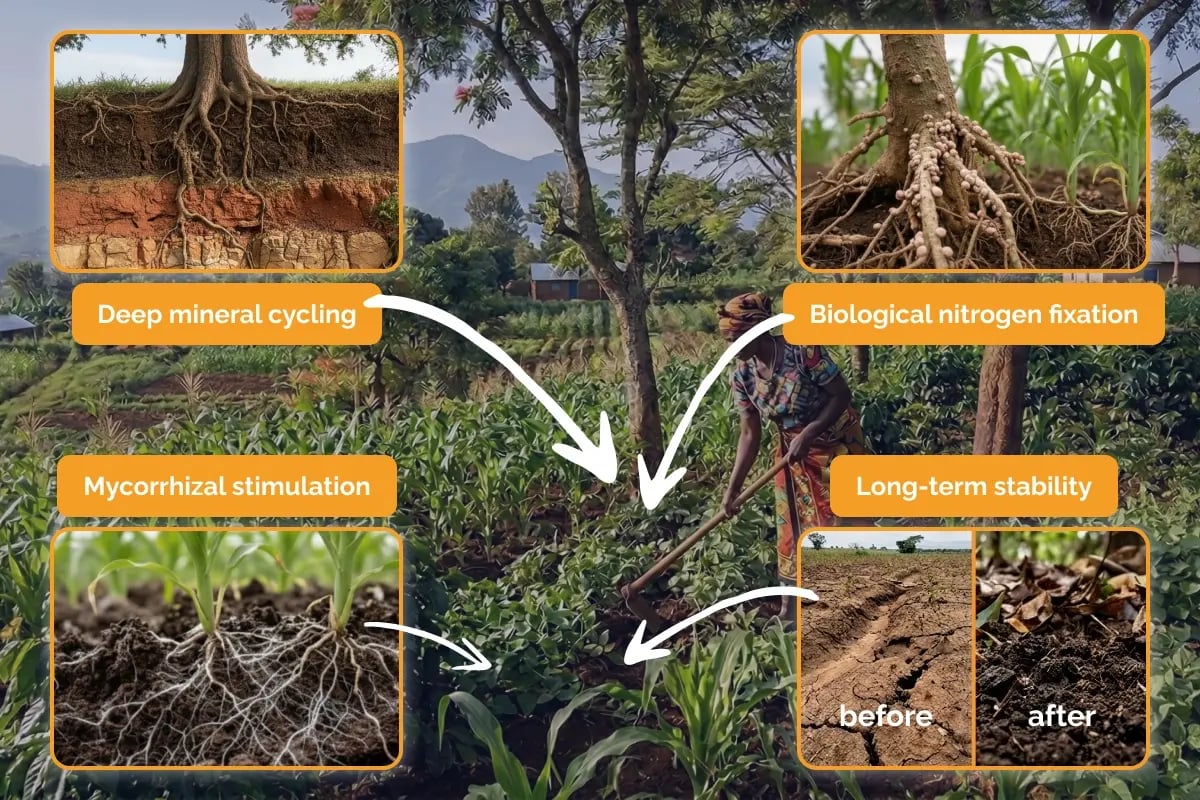 How agroforestry improves soil fertility. AI generated picture.
Trees reverse this trajectory through several interconnected mechanisms:
- Deep mineral cycling: Tree roots penetrate far deeper than annual crop roots, often several metres, reaching reserves of calcium, magnesium, and phosphorus that crops cannot access on their own. As leaves, branches, and roots decompose, those minerals are deposited at the surface in forms crops can absorb directly.
- Biological nitrogen fixation: Species such as the apple ring acacia (Faidherbia albida), the Powder Puff (Calliandra), and the madre de cacao (Gliricidia) host root nodules that convert atmospheric nitrogen into plant-available form, functioning as a living fertiliser system that rebuilds fertility without synthetic inputs. A field study in Eastern Oromia, Ethiopia, found that sorghum yields were 43% higher under a Faidherbia albida canopy and 41% higher under Cordia africana—with no synthetic fertilisers applied.
- Mycorrhizal stimulation: Diverse root systems feed soil fungal networks that transfer nutrients between plants, improve soil aggregation, and create a self-reinforcing fertility cycle.
- Long-term stability: Rising soil organic carbon improves water retention, reduces erosion, and lowers input dependency. The farm becomes progressively less expensive to run as soil health increases.
Read more: Reforestation: 10 amazing benefits of planting trees
How agroforestry supports biodiversity restoration
Above ground, conventional monoculture fields present a different kind of problem: structural simplicity. One crop species, one canopy layer, bare soil between rows—nothing for wildlife to nest in, feed from, or move through. Biodiversity does not merely decline in these landscapes; it has nowhere to exist.
Agroforestry restores ecological structure by reintroducing vertical complexity, with each layer of that complexity delivering a practical agricultural benefit:
- Canopy diversity creates niches for different species at different heights, an ecological architecture that monocultures cannot replicate, regardless of the inputs applied.
- Flowering trees attract pollinators—bees, butterflies, and hoverflies—that move through adjacent crop rows, directly increasing yields for pollination-dependent crops.
- Structural plant diversity supports diverse insect populations, which attract predatory insects and birds that regulate pest populations naturally, reducing pesticide dependency across the whole farm.
- Habitat corridors formed by connected strips of agroforestry vegetation allow wildlife to move between fragmented natural areas, which is essential for maintaining genetic diversity across populations that agricultural expansion has otherwise isolated.
 Bulindi chimpanzee and her baby in their natural habitat in Uganda forest. Bulindi Agroforestry and Chimpanzee Conservation Project, Green Earth. Source: https://www.green.earth/projects/bulindi-chimpanzee-habitat-restoration-project-uganda
For organisations reporting on biodiversity co-benefits, this matters practically: Biodiversity gains in well-designed agroforestry systems are independently verifiable, making them credible for disclosure under biodiversity frameworks and nature-related reporting standards.
Read more: Beyond tonnes: How carbon credit co-benefits elevate value
Together, restored soil health and biodiversity are not merely environmental outcomes. They are what makes the difference between a farming system that is strained and one that is genuinely and sustainably renewed.
Environmental resilience and long-term farm viability
Healthy soil and restored biodiversity lay the ecological foundation. But agroforestry also changes the physical conditions of the farm itself, and these changes have direct implications for long-term agricultural viability and the risk profile that sustainability managers are increasingly asked to assess.
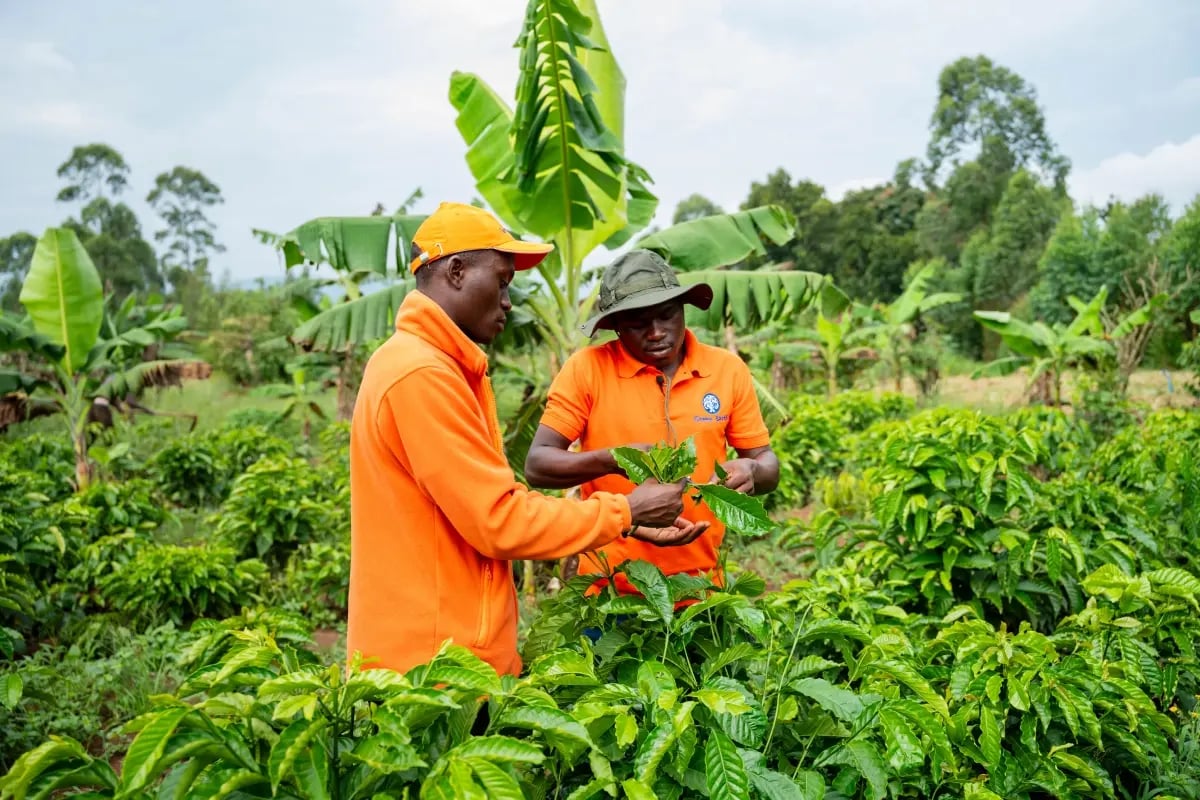 Green Earth team members checking the condition of trees on a farm. Bulindi Agroforestry and Chimpanzee Conservation Project, Green Earth.
Trees alter the microclimate of the land around them in ways that crops alone cannot. A canopy reduces direct solar radiation on the ground beneath it, lowering soil surface temperatures during the growing season. Research published in Frontiers in Forests and Global Change found that agroforestry systems ran up to 2.3°C cooler than open fields—a difference that slows moisture evaporation, reduces heat stress on crops and livestock, and stabilises conditions during periods of intense heat.
Read more: The hidden strength of nature-based credits in corporate decarbonisation strategies
Windbreaks compound this effect. By reducing wind speed across exposed fields, they cut the rate at which dry air strips moisture from soil and crops, lowering evapotranspiration and extending the effective growing period in water-stressed conditions. Field studies have shown that well-positioned windbreaks can increase wheat yields by 15 to 20% in exposed environments, not through any change to the soil or crop variety, but simply by moderating the conditions around them.
At the hydrological level, tree root systems increase water infiltration rates and reduce surface runoff, improving groundwater recharge over time. For farms in water-stressed regions, and for the organisations sourcing from them, this is a material consideration, not just an environmental one.
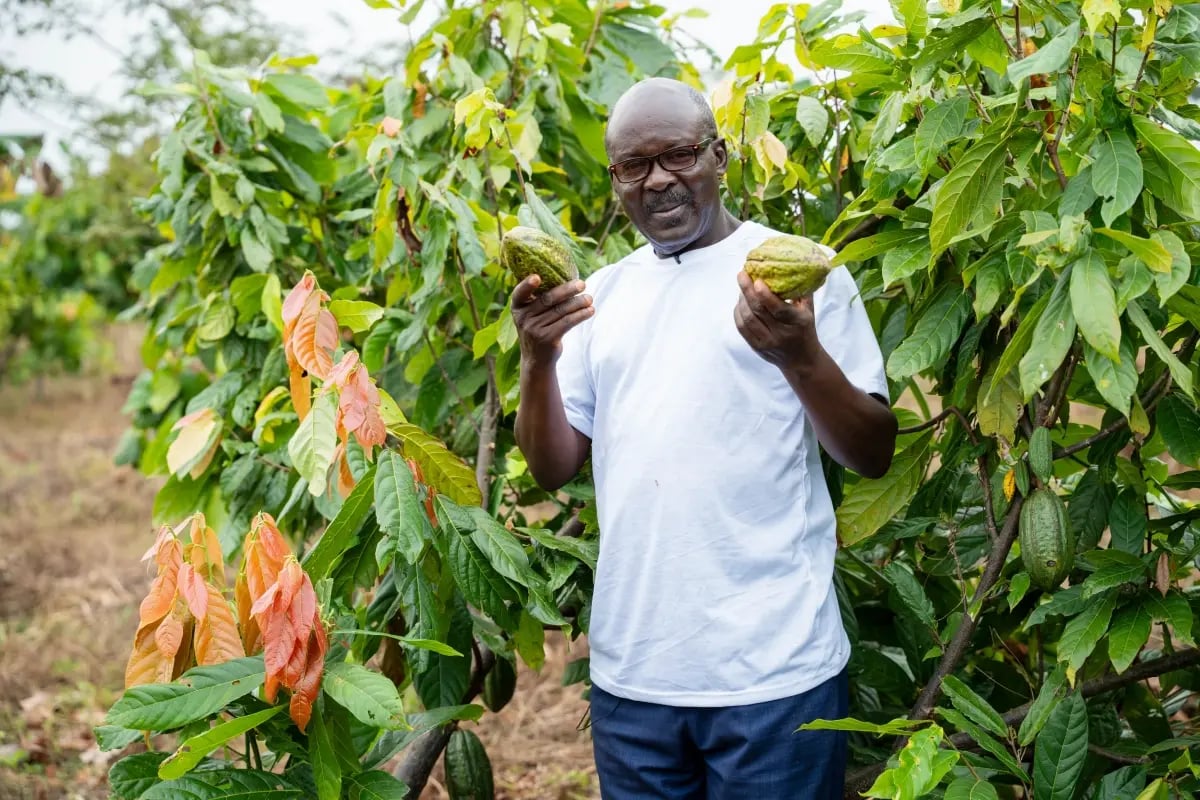 Green Earth team member inspecting cacao fruits on a tree. Bulindi Agroforestry and Chimpanzee Conservation Project, Green Earth.
The economic structure of an agroforestry farm reflects its ecological one. Diversified outputs—timber, fruit, fodder, crops, and verified carbon revenues—mean that no single poor harvest collapses farm income. Risk is distributed across multiple species and revenue streams in the same way that ecological function is distributed across multiple species and interactions.
For sustainability managers evaluating long-term land-use risk, this economic profile is as relevant as the ecological profile. A farm that requires fewer inputs, generates multiple revenue streams, and strengthens rather than degrades its own productive base is a fundamentally different proposition from the conventional alternative.

Agroforestry practices in Africa: regional context and evidence
The principles described so far are global. But Africa is the continent where agroforestry’s case is most urgent, its evidence base most extensive, and its potential to deliver simultaneous environmental and economic outcomes most clearly demonstrated.
Sub-Saharan Africa faces an acute convergence of pressures: soils degraded by decades of intensive deforestation, erratic and declining rainfall, rapid population growth, and agricultural systems dominated by smallholder farmers with limited access to capital or external inputs. These are not conditions that intensification can solve. They are conditions that demand restoration, and agroforestry practices in Africa have been delivering exactly that, at scale, for longer than most people realise.
Read more: Ultimate guide to Africa’s 47 afforestation and reforestation projects
Sahel parkland agroforestry, where species such as the apple-ring acacia (Faidherbia albida) are deliberately retained within cultivated fields rather than cleared, is among the world’s oldest documented forms of the practice. It is not an imported concept being tested on African land. It is a tradition being systematised, monitored, and scaled into modern regenerative farming frameworks with measurable outcomes.
The most documented example of that scaling is Farmer Managed Natural Regeneration (FMNR)—the practice of protecting and managing naturally regenerating trees on farmland rather than removing them. The results across the Sahel are striking:
- Research documents how farmer-managed natural regeneration across the Sahel has contributed to significant cereal yield improvements, with outcomes driven by the same tree–soil interactions that underpin modern agroforestry practice.
- 94% of FMNR adopters in a World Vision project evaluation reported an increase in soil fertility, compared to 26% in the non-adopting comparison group (World Vision Ghana, Talensi FMNR Project).
- A study in Senegal found grain yields on FMNR farms reached 767 kg/ha, more than double the 296 kg/ha recorded on traditional farms without tree cover.
These are not laboratory results. They are outcomes from smallholder farms operating under real conditions, with limited resources, in some of the world’s most challenging agricultural environments.
A systematic review of 185 peer-reviewed publications found that fodder, food, firewood, and income were the most consistently reported outcomes of agroforestry adoption in East Africa.
Read more: Why we need to restore high-priority areas like Africa
The biodiversity dimension carries particular regional significance here. Africa’s concentration of endemic species makes the habitat connectivity that agroforestry provides a conservation priority of global importance, not just an agricultural co-benefit.
For corporate sustainability managers, this body of evidence matters for a specific reason. It demonstrates that agroforestry in Africa is not a promising but unproven approach—it is a documented, verifiable, and scalable one, with an evidence base substantial enough to underpin credible investment and impact reporting.

The Mount Kenya Regenerative Agroforestry Project
Everything described in this guide—soil restoration, biodiversity recovery, microclimate stabilisation, community resilience—converges in a single project in East Africa. Green Earth’s Mount Kenya Regenerative Agroforestry Project is a large-scale, long-term restoration initiative that demonstrates what rigorously designed agroforestry looks like when correctly implemented.
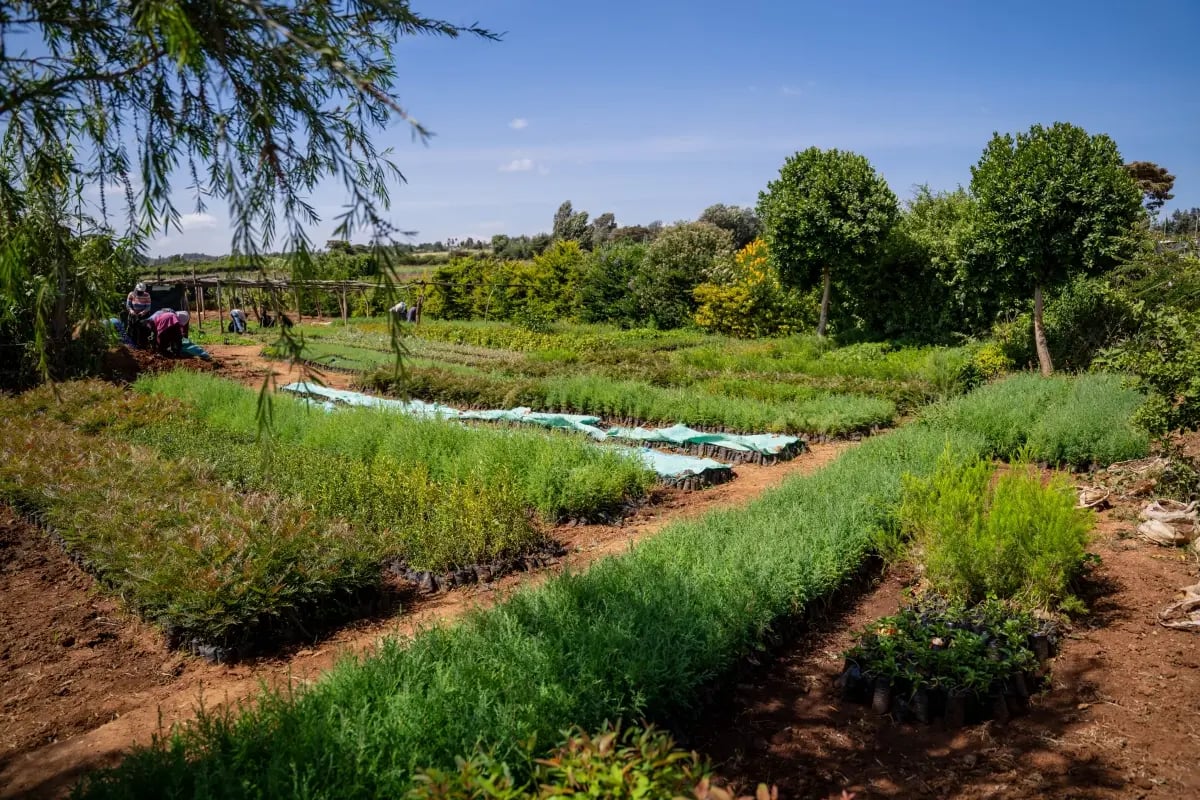 Tree seedling nursery as a part of Mount Kenya Regenerative Agroforestry Project, Green Earth.
The challenge: degraded land at the heart of Kenya’s water system
The catchment areas surrounding Mount Kenya and the Aberdares are among the country’s most ecologically critical landscapes. Kenya’s major river systems originate here, meaning the health of these upland areas is directly tied to national water security. Yet decades of logging, agricultural clearance, and unsustainable fuelwood collection have degraded large areas of this land, reducing forest cover, destabilising slopes, and diminishing the watershed function these catchments provide.
Read more: Planning a food forest: the foundations for long-term carbon integrity in Kenya
The biodiversity stakes are equally significant. Kenya is home to more than 35,000 species of flora and fauna, with high concentrations of endemic species dependent on intact forest habitat. Forest loss in this region has fragmented that habitat, weakening ecological connectivity across a landscape of global conservation importance.
The design: structured restoration at landscape scale
The project addresses this degradation through the planting of 6.7 million trees across 10,800 hectares of affected catchment zones, with every planting decision informed by hydrological mapping, soil assessment, and biodiversity surveys. Species are selected for specific ecological functions in each zone: soil stabilisation on vulnerable slopes, watershed restoration in critical recharge areas, and habitat connectivity where fragmentation has isolated wildlife populations.
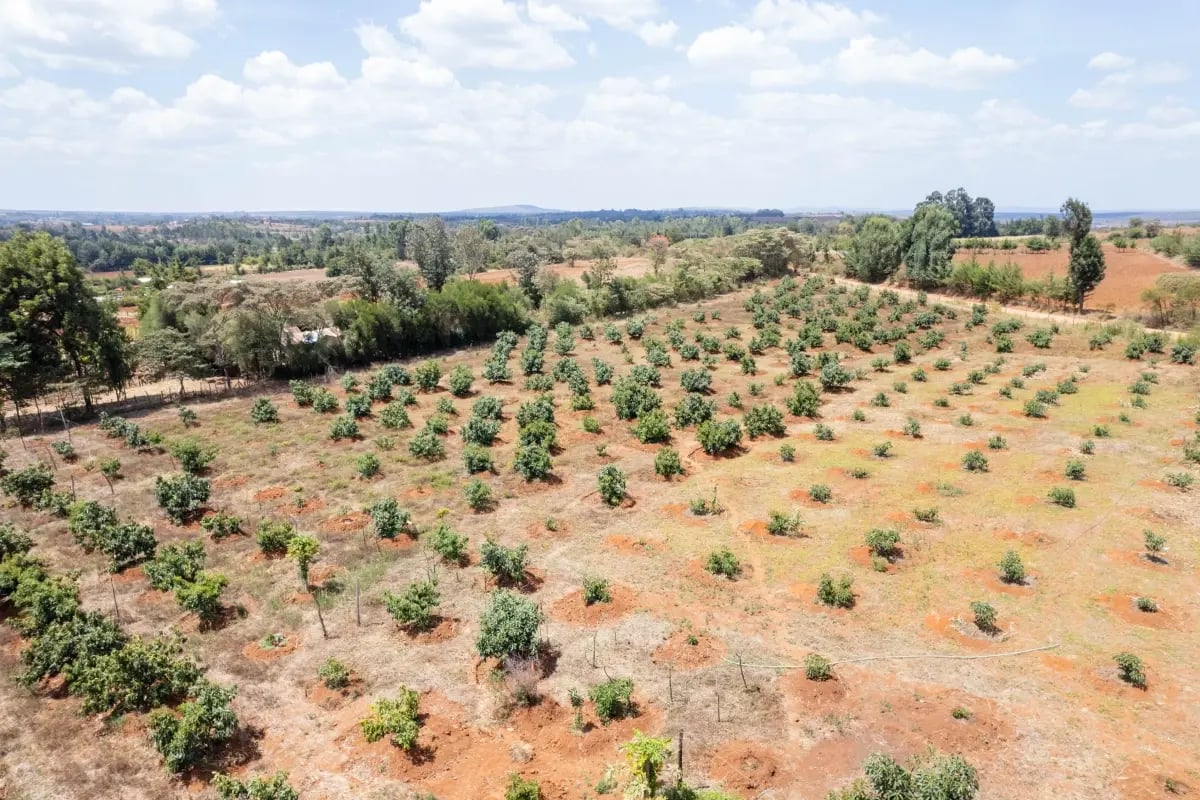 Drone photo showing restored land. Mount Kenya Regenerative Agroforestry Project, Green Earth.
The expected outcomes reflect the scale of that ambition: 5.1 million tonnes of CO₂ to be captured over the project’s lifetime, alongside measurable improvements in downstream water quality, groundwater recharge, and the reconnection of fragmented habitat corridors.
The project is structured as a 41-year initiative, reflecting its long-term understanding of ecosystem restoration. Planted trees take decades to mature into stable, self-sustaining systems. This structure ensures that management, monitoring, and community engagement are maintained through to maturity.
Read more: The power of Green Earth’s high-quality carbon projects in Kenya
The community model: restoration as rural economic development
The project’s environmental outcomes are designed to be inseparable from its community impact. In the region surrounding Mount Kenya, agriculture is dominated by smallholder producers for whom land productivity and household income are directly linked.
The project collaborates with 11,000 farmers who are positively impacted through the initiative—not as passive recipients but as active participants across nursery management, seed collection, planting, and long-term maintenance. Technical training is also provided, building skills that extend well beyond the project boundaries, creating lasting capacity rather than short-term dependency. Critically, all crop yields from planted trees remain with the farmers, providing them with additional income to sustain their livelihoods.
 Green Earth team members and local farmers during a farmer training session. Mount Kenya Regenerative Agroforestry Project, Green Earth.
The result is a model in which ecological and economic objectives are not balanced against each other but designed to reinforce one another. Restored soil means fewer purchased inputs. A community with a direct economic stake in the trees planted incentivises those trees’ survival. And a project based on long-term community involvement ensures its success.
This alignment is foundational to the project’s design and credibility. Nature-based solutions that generate conflict with local communities or displace traditional land-use do not achieve durable outcomes. The Mount Kenya project is built from the ground up on the understanding that community integration is an ecological requirement, not just a social one.
How to achieve environmental goals through nature
The case for agroforestry is not built on a single benefit. It is built on the way its benefits compound. Restored soil health supports greater biodiversity. Greater biodiversity stabilises the farm ecosystem. A stable farm ecosystem moderates its own microclimate, retains its own water, and generates its own fertility—reducing the external inputs it needs to remain productive. Each layer reinforces the one beneath it, and the system strengthens over time rather than degrading.
This is what regenerative farming means in practice, and it is what distinguishes agroforestry from approaches that merely slow the rate of environmental decline.
Read more: What business leaders need to know before buying carbon offsets
For sustainability managers, the evidence base is no longer the obstacle. Decades of field research across four continents, peer-reviewed systematic reviews, and large-scale projects with independently verified outcomes have established that agroforestry works. The relevant question now is whether a given project is designed rigorously enough to deliver on that potential, with the right species in the right locations, embedded in genuine community relationships, and measured against credible standards over a timeframe long enough to matter.
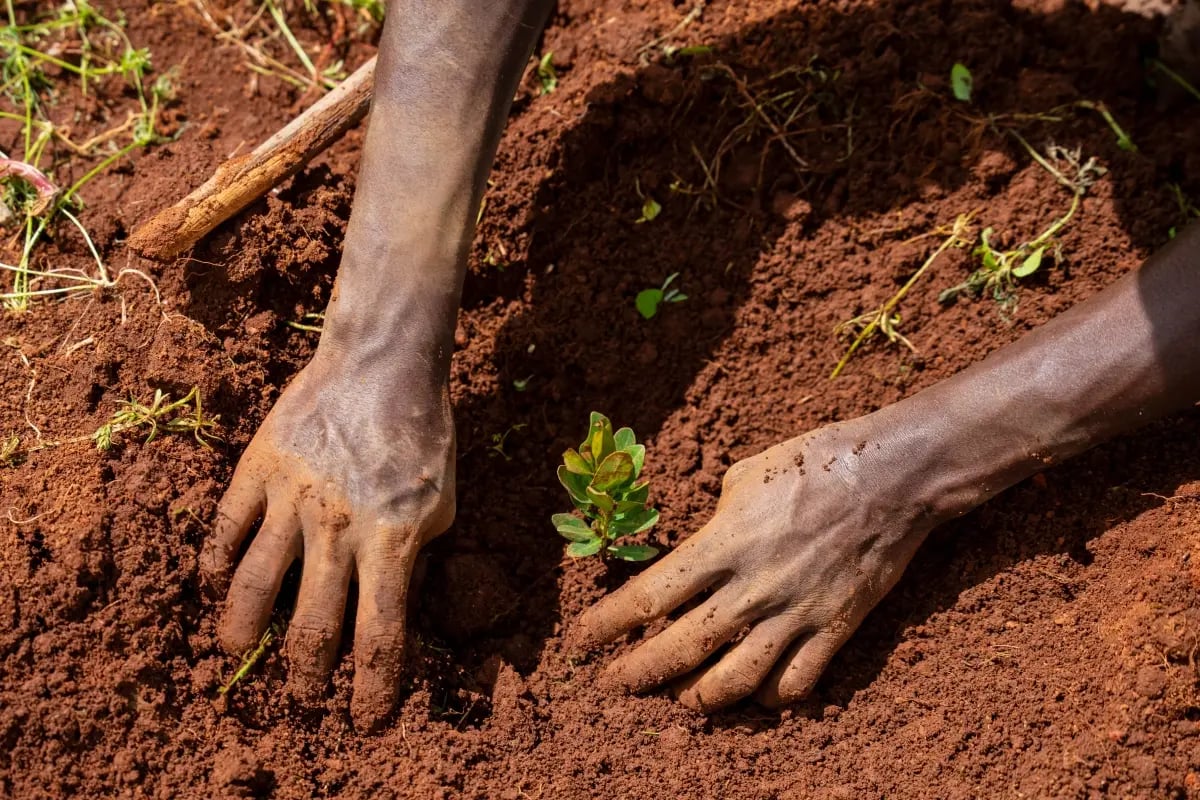 Close-up of a farmer planting a tree seedling. Mount Kenya Regenerative Agroforestry Project, Green Earth.
At Green Earth, that is precisely how we build our projects. From ecological mapping and species selection through to community integration and long-term impact monitoring, we design and implement agroforestry systems that deliver measurable environmental and social outcomes, verified against leading frameworks.
If you are assessing how agroforestry can contribute to your organisation’s environmental commitments, we are ready to guide you.