
Tree planting
Agroforestry
Agriculture
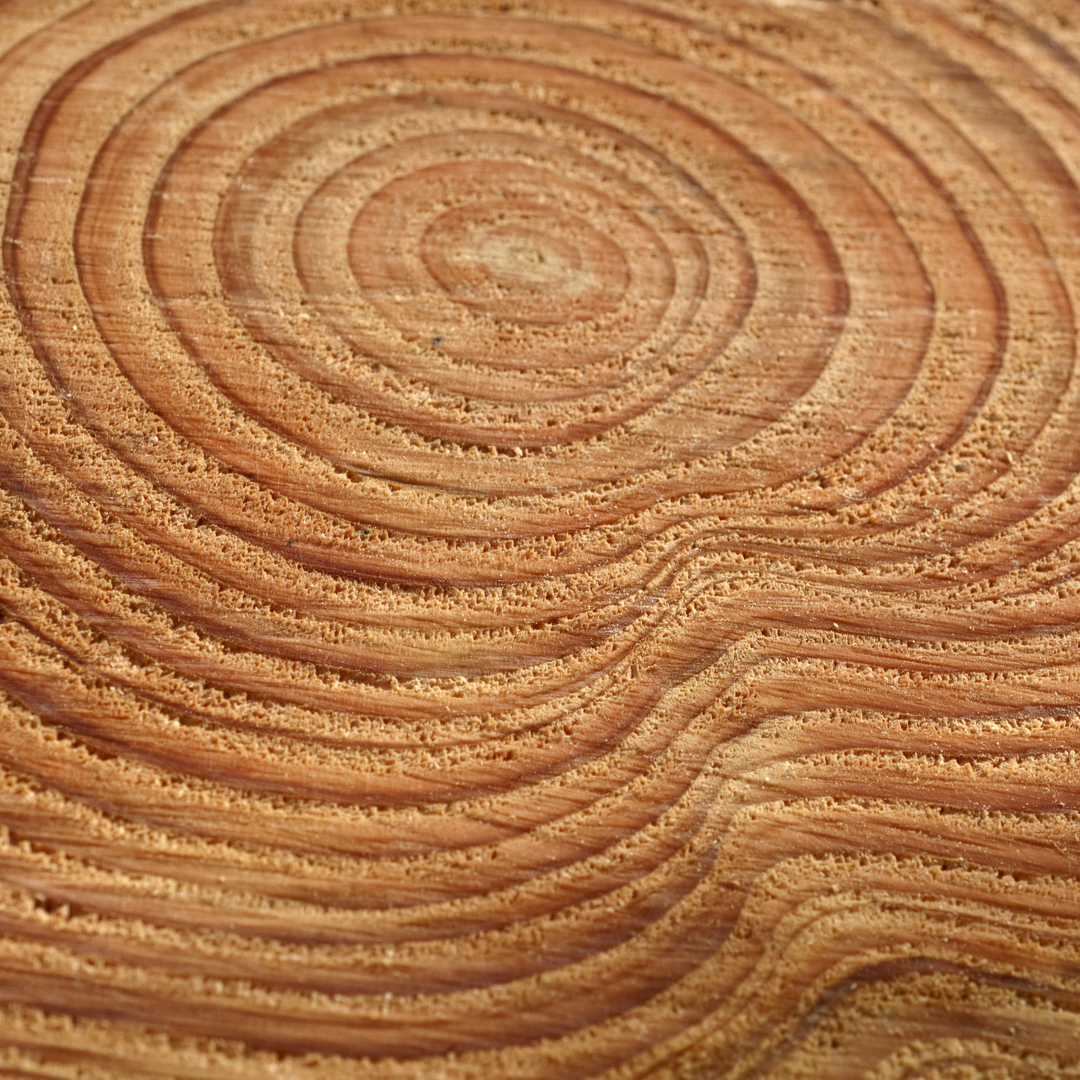
Dendrochronology is the study of tree rings and using the rings' features, such as color and thickness, to determine the conditions in which the tree grew.
When used collectively, tree rings contain valuable data that can provide useful information for professionals working in archaeology, chemistry, and climatology.
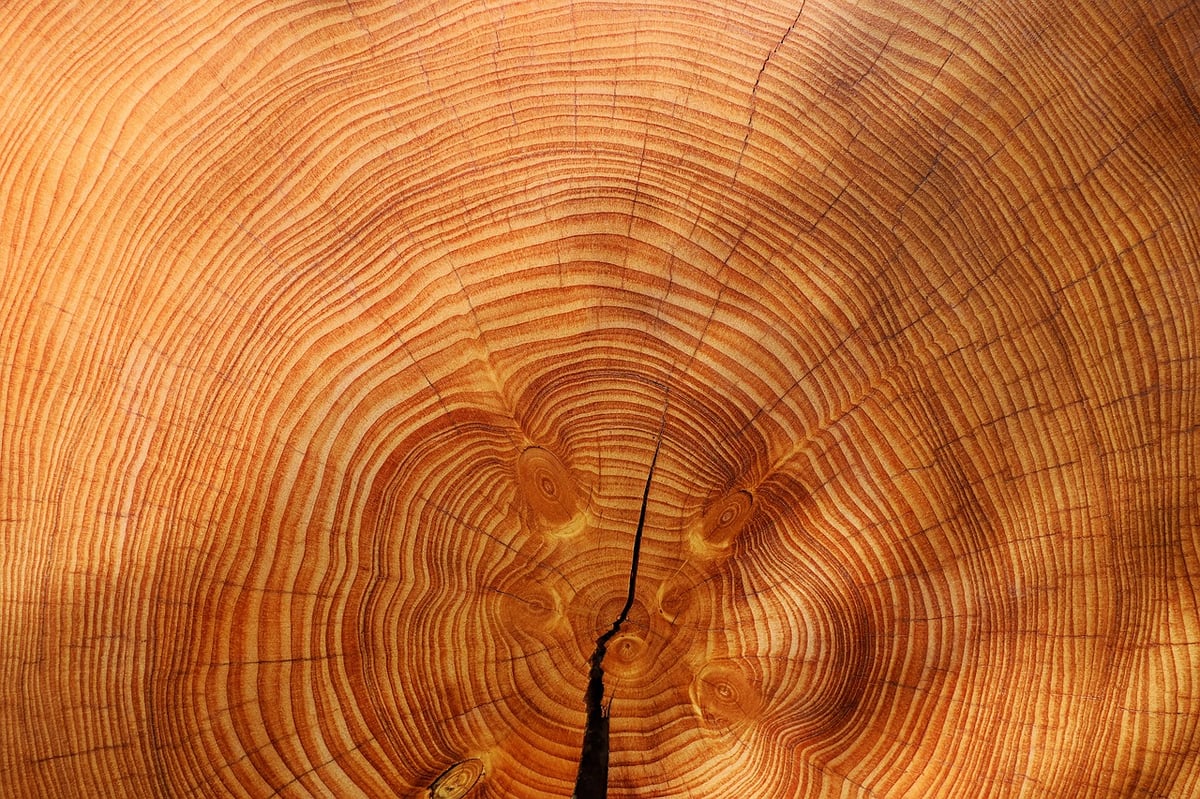
Trees are ubiquitous and grow and survive in all sorts of conditions. Each ring represents a new season of growth, give or take a season or two, with the smaller inner rings telling us something about when the tree was young, to the prevailing and changing conditions as it grew.

Tree rings can help archaeologists date the material they find during their digs. They can also tell us a lot about the climate of the time, and if you study enough rings, they can reveal how environments changed over centuries.
Dendrochronology
American Astronomer A E Douglas was not only passionate about learning the secrets of the heavens; he also had an intense interest in the climate.
He theorized that tree rings could help climatologists peer much further back in time than current methods allowed.

Douglas developed dendrochronology methods in the 1900s. Still, it wasn't until the 1970s that archaeologists began to see the benefit of using the tree rings to date archaeological artifacts more accurately.
This is despite Douglas using the method himself to precisely date many North American artifacts that previously did not have a knowable chronology.
Tree rings
During each season, the tree creates a ring that bears evidence of the climate conditions that define its characteristics, such as color and thickness.
When used on their own, tree rings don't reveal much of anything, but when you add each ring to a record of tens of thousands, a historical pattern emerges.
Not only do tree rings provide an extraordinarily accurate dating method, the information they contain is beneficial for environmental studies, not just to study the past but also to predict what might happen in the future.