
Deforestation
Sustainable Land Use
EU Regulations
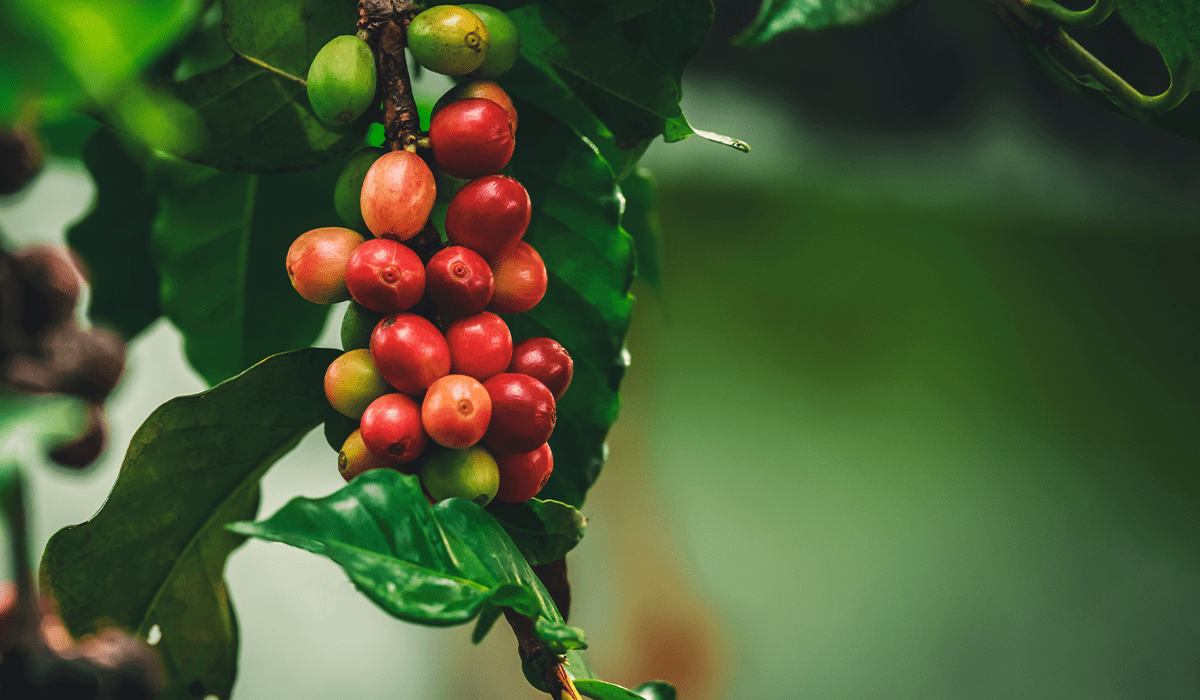
The new European Union (EU) regulation banning agricultural products linked to deforestation and forest degradation will come into force in the second half of 2023. The regulation obliges companies to ensure that goods entering or leaving the EU market do not originate from land that has been deforested after 31 December 2020. The EU's deforestation regulation covers imports of seven commodities, including beef and leather, coffee, cocoa, palm oil, and soy, which add up to €85 billion in trade.
One of the major questions is which part of the current trade will be non-compliant under the regulation. Companies must be able to trace the commodities and products back to the plot(s) of land where they were produced. Therefore, compliance obligations will push costs and create a need for alternate suppliers. The regulation will likely increase the prices of commodities destined for the EU because less supply can meet the new EU criteria.
Read more about: A high percentage of European consumers want carbon labels on products
Many traders and food manufacturers involved, particularly the larger ones, won’t have to start from scratch, as they are already involved in initiatives on sustainable sourcing, like the Roundtable on Responsible Soy and Roundtable on Sustainable Palm Oil. On top of that, many public datasets and research articles are available, as well as software solutions that help trace flows. However, information on indirect suppliers will also be required if companies want to sell that part of their merchandise in the EU.
The EU's deforestation regulation supports businesses that have already taken steps to prevent deforestation because their competitors now also have to do more. It also supports EU farmers that produce alternatives for the commodities in scope, such as farmers that grow crops like soy and rapeseed and (grass-fed) cattle farmers. But the regulation is generally detrimental to the competitiveness of pig and poultry farmers as it likely pushes up their feed costs. Meanwhile, European exporters of coffee and cocoa products could face increased competition from processing plants elsewhere, which can pressure their exports to non-EU markets.
Overall, the EU's deforestation regulation raises the bar for sustainable sourcing of several commodities and will impact many food companies in some way. The regulation will cause practical challenges, push costs, and create a need for alternate suppliers. However, any resulting changes in trade flows will be gradual, and the regulation is a step in the right direction towards curbing rising emissions.