
Tree planting
Ecosystem
Vital habitats
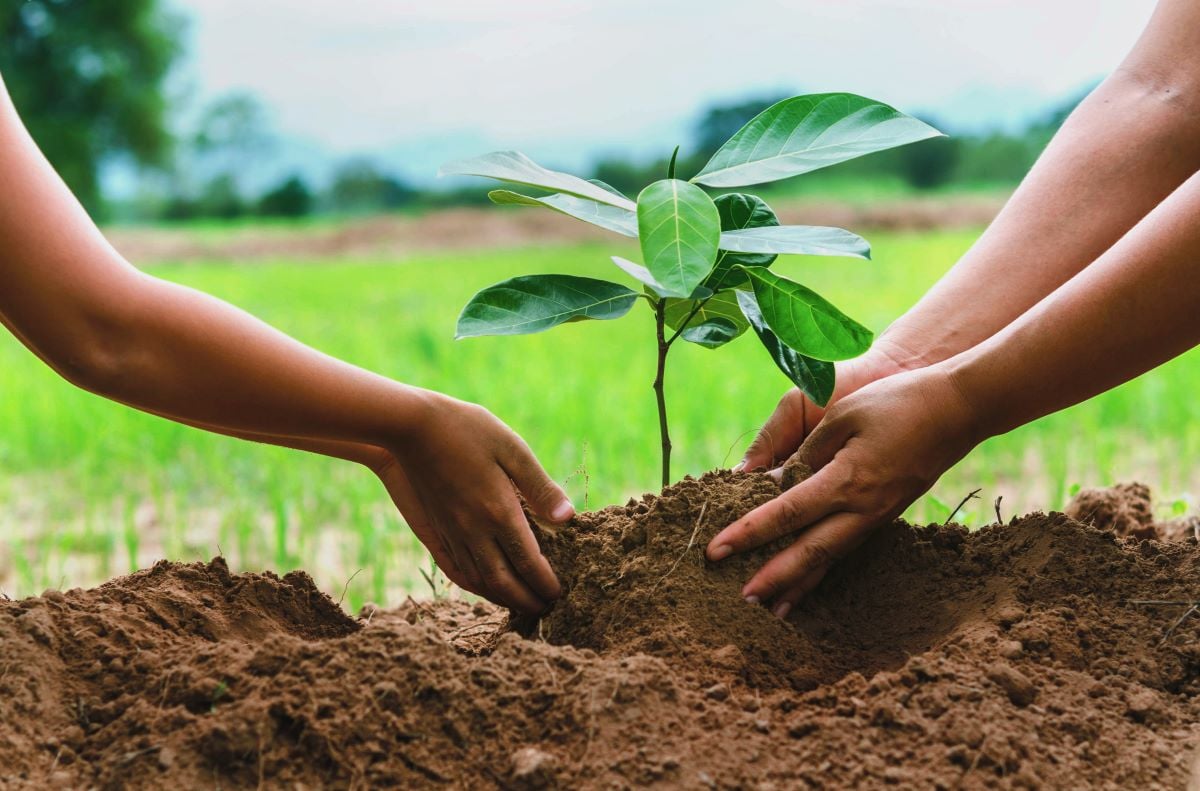
At Green Earth, we believe in the importance of tree planting for the health and well-being of our planet. Trees provide a host of benefits, including oxygen production, carbon sequestration, and habitat for wildlife. In this article, we will provide a comprehensive guide to tree planting, including the benefits of trees, the best tree species to plant, and tips for successful tree planting.
Benefits of Trees
Trees provide numerous benefits to the environment and to human health. Some of the most significant benefits include:
-
Oxygen production: Trees absorb carbon dioxide from the air and release oxygen through the process of photosynthesis. One mature tree can produce enough oxygen for up to four people per year.
-
Carbon sequestration: Trees absorb and store carbon dioxide, a major contributor to climate change. By planting trees, we can help to offset our carbon emissions and mitigate the impacts of climate change.

-
Habitat for wildlife: Trees provide shelter, food, and breeding grounds for a wide variety of animals. Planting trees can help to support local biodiversity and create vital corridors for wildlife.
-
Improved air quality: Trees can help to filter pollutants from the air, improving the overall air quality in urban areas.
-
Noise reduction: Trees can act as natural sound barriers, helping to reduce noise pollution in urban areas.
-
Mental health benefits: Studies have shown that spending time in nature, including around trees, can have a positive impact on mental health and well-being.
Read more: The vital role of reforestation in bird migration
Best Tree Species to Plant
When choosing a tree to plant, there are a few factors to consider, including the size and location of the tree, the climate in which it will be planted, and its potential impact on the local ecosystem. Some tree species that are well-suited to a variety of locations and climates include:
-
Maple: Maple trees are a popular choice for their attractive foliage and ability to thrive in a range of climates. They can grow up to 100 feet tall and have a broad canopy, making them suitable for larger spaces.
-
Oak: Oak trees are a classic choice for their sturdy growth and long lifespan. They can grow up to 80 feet tall and have a broad canopy, making them suitable for larger spaces.
-
Dogwood: Dogwood trees are a popular choice for their attractive flowers and berries. They are well-suited to a variety of climates and can grow up to 30 feet tall, making them suitable for smaller spaces.
-
Redbud: Redbud trees are known for their beautiful pink or purple flowers and heart-shaped leaves. They can grow up to 30 feet tall and are well-suited to a variety of climates.
Read more: Why a forest with more species stores more carbon
Tips for Successful Tree Planting
Planting a tree can be a rewarding experience, but it's important to follow a few key steps to ensure the tree's success. Here are some tips for successful tree planting:
-
Choose the right location: When selecting a location for your tree, consider the size of the tree at maturity and the amount of sunlight it will receive. Avoid planting too close to buildings, power lines, or underground utilities.
-
Prepare the soil: Before planting, loosen the soil around the planting area.
-
Water regularly: Newly planted trees rely on consistent moisture while their root system establishes, particularly through the first two years. Water deeply once or twice a week rather than little and often, adjusting for rainfall and soil type.
-
Mulch around the base: A layer of organic mulch helps retain soil moisture, suppress competing weeds, and regulate soil temperature. Keep it a few centimetres clear of the trunk to prevent rot.
-
Plant at the right depth: Set the tree so the root flare sits level with, or just above, the surrounding soil. Planting too deep can restrict oxygen to the roots and weaken the tree over time.
-
Monitor and prune as needed: Check young trees regularly for pests, disease, or storm damage, and prune only to remove dead or crossing branches while the tree is still establishing.
Read more: Agroforestry explained: a guide to regenerative farming
Every tree planted, whether in a garden, a schoolyard, or as part of a larger restoration project, adds up to something bigger: richer soil, cleaner air, and stronger habitats for the species that depend on them.
At Green Earth, we help communities and businesses plant and protect trees at scale, turning individual action into lasting change on the ground.