
Biodiversity
Deforestation
Carbon credits
Nature conservation
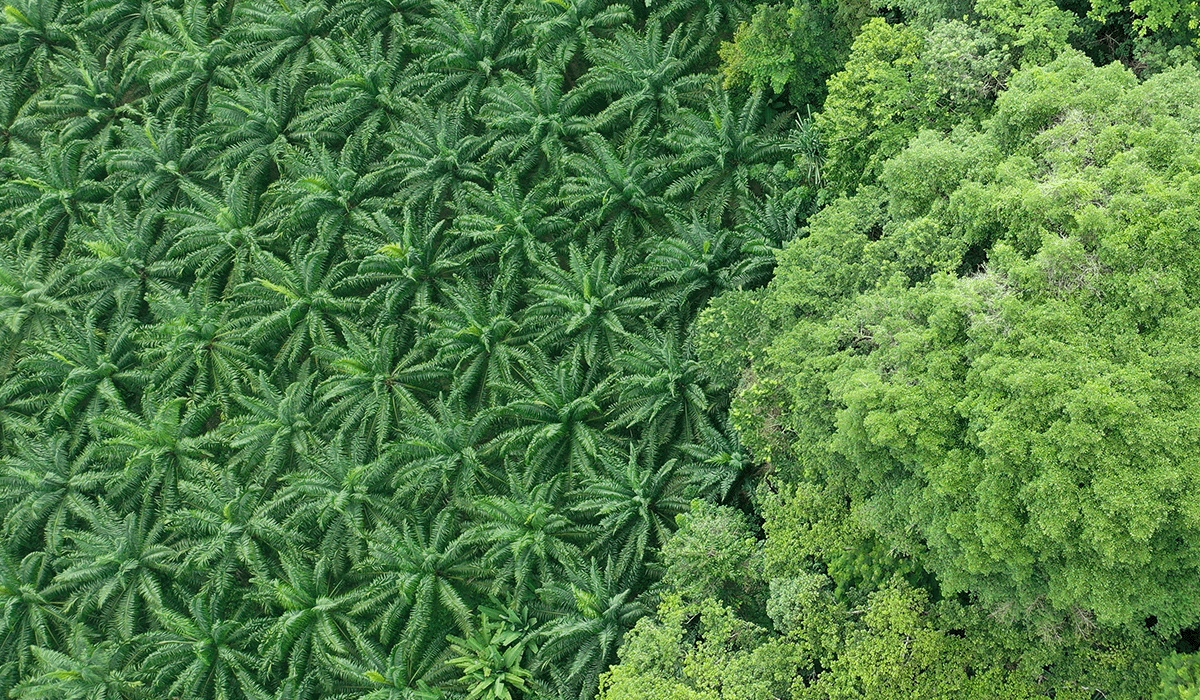
This blog post explores the history of deforestation in Ivory Coast, its causes and consequences, and the efforts being made to address the issue.
Introduction: The importance of Ivory Coast's forests

Ivory Coast is a country in West Africa known for its rich biodiversity and tropical rainforests. The country's forests are home to a variety of flora and fauna, as well as important natural resources like timber and minerals. However, in recent years, Ivory Coast has experienced high deforestation rates, leading to environmental degradation, loss of biodiversity, and negative impacts on local communities.

The history of deforestation in Ivory Coast
The history of deforestation in Ivory Coast dates back to the colonial period when large forest areas were cleared for agriculture and timber extraction. However, the scale of deforestation increased dramatically in the second half of the 20th century as the country's population grew and the demand for land and resources increased.
Causes of deforestation in Ivory Coast
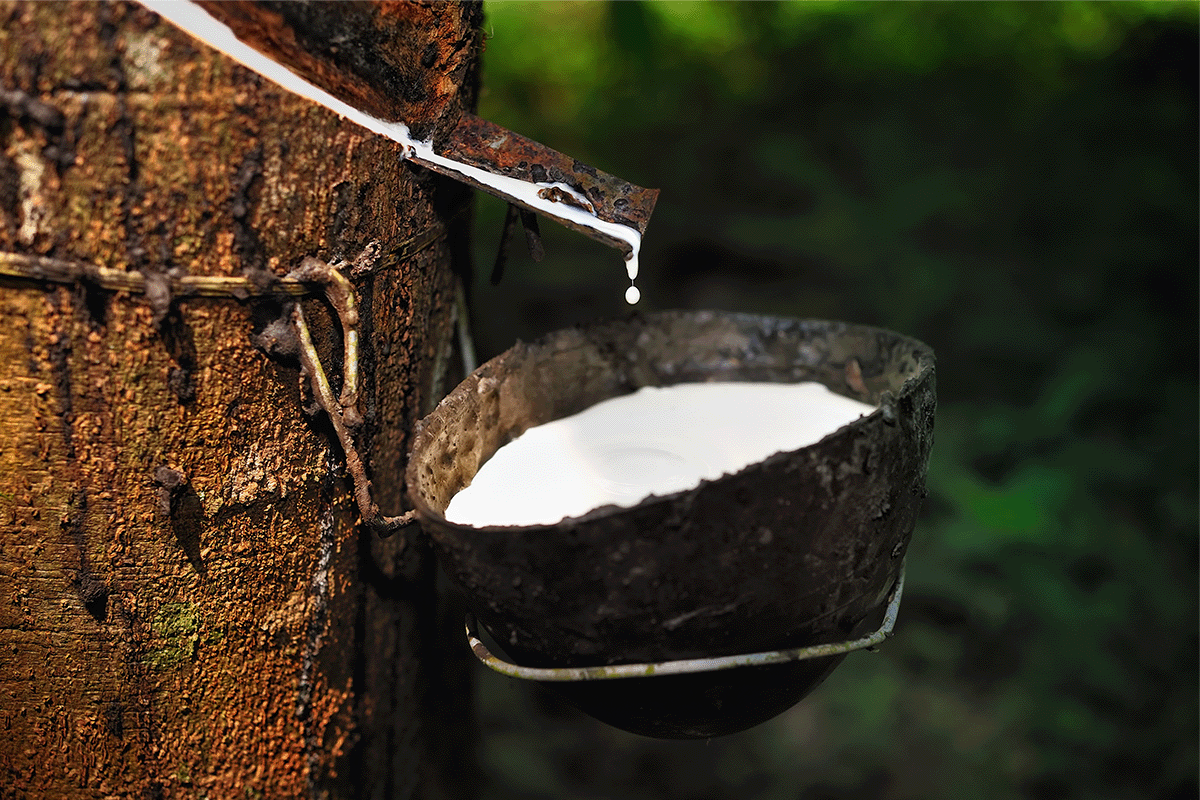
Tapping process from the rubber tree.
The main causes of deforestation in Ivory Coast include agricultural expansion, logging, mining, and urbanisation. Small-scale farmers often clear land for subsistence agriculture, while large agribusinesses clear forests for commercial crops such as cocoa and rubber. Logging is also a major contributor to deforestation, with valuable hardwoods like mahogany and ebony being extracted for export. Mining and urbanisation also contribute to the destruction of Ivory Coast's forests.
Consequences of deforestation in Ivory Coast
The consequences of deforestation in Ivory Coast are numerous and far-reaching. Loss of biodiversity is a significant concern, with many plant and animal species threatened by habitat destruction. Deforestation also contributes to rising greenhouse gases and a warming climate, as trees absorb carbon dioxide and help regulate the Earth's climate. Soil erosion, water pollution, and loss of ecosystem services, like water regulation and soil fertility, are other consequences of deforestation.

Efforts to address deforestation in Ivory Coast
Efforts to address deforestation in Ivory Coast include government policies, international partnerships, and community-based initiatives. In 2014, Ivory Coast launched the National Programme for the Environment and Forests (PNEIF), which aims to reduce deforestation and promote sustainable land use practices. The country has also partnered with international organisations like the World Bank and the UN Development Programme to support forest conservation and restoration. At the community level, initiatives like the Community Forestry Programme have helped involve local communities in managing and protecting Ivory Coast's forests.

Conclusion: The importance of preserving Ivory Coast's forests
Preserving Ivory Coast's forests is essential for the country's long-term environmental, social, and economic well-being. Efforts to reduce deforestation and promote sustainable land use practices must be supported by all stakeholders, from government officials to local communities. With effective policies and partnerships, Ivory Coast can work towards a future where its forests are protected and thriving.