
Biodiversity
Nature conservation
Ecosystem
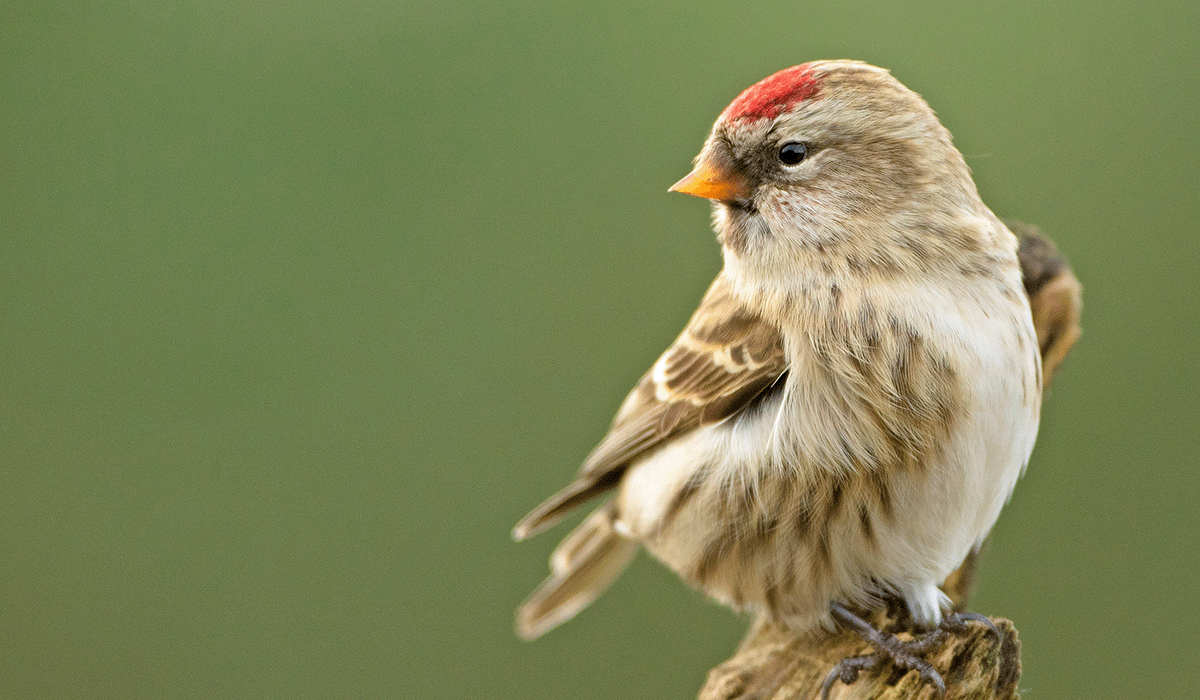
As we work to protect species on the brink of extinction, we must not lose sight of the value of common species. While rare and endangered species may be the most attention-grabbing, common species play an essential role in ecosystem health. Their decline can have far-reaching ecological, economic, and psychological impacts.
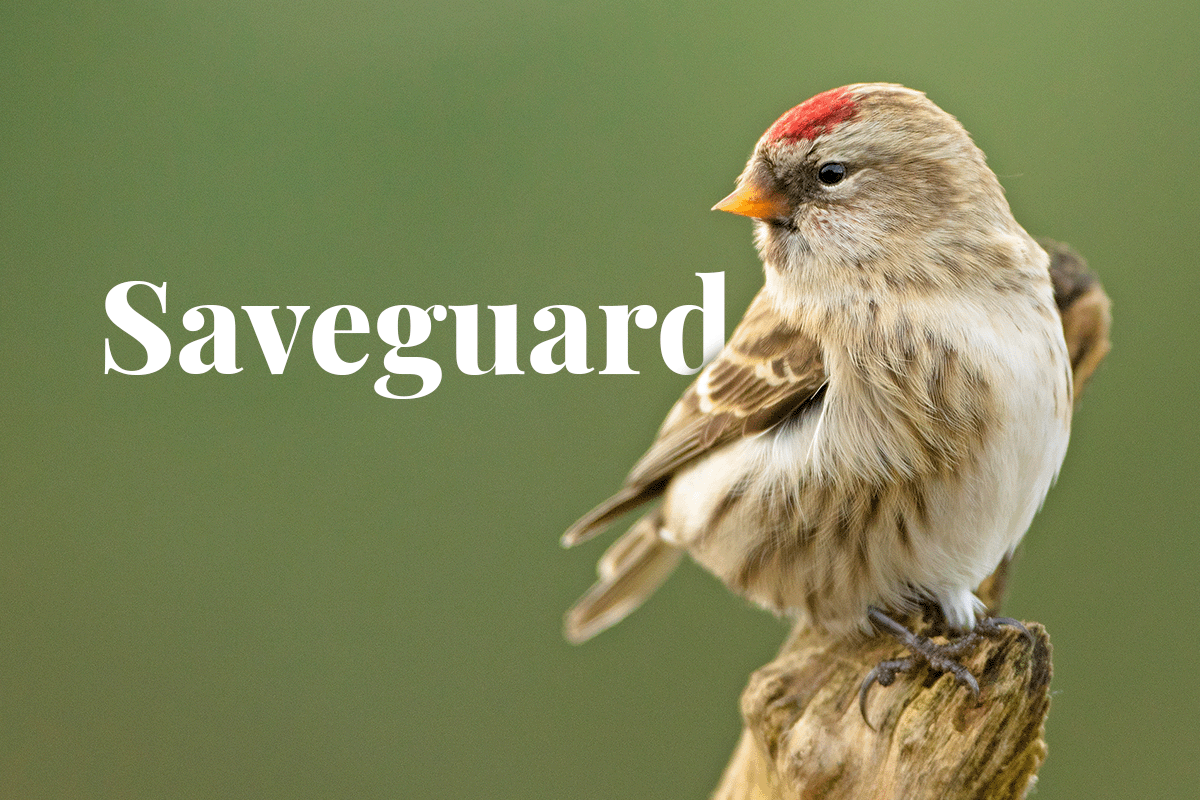

For example, the decline of North American bird populations in recent decades has included once-common species like the common redpoll, common grackle, and common nighthawk. These losses have significant consequences as birds play essential roles in maintaining ecosystem functioning through pollination, seed dispersal, and pest control.
In addition to their ecological importance, common species also have economic and psychological value. For instance, large herds of caribou can have significant impacts on nutrient cycling in their ecosystems, while encounters with familiar species like birds and butterflies have been shown to have positive effects on human mental health.

Therefore, conservation efforts should focus not only on protecting rare and endangered species, but also on safeguarding the abundance of common species.
By monitoring nature closely, avoiding complacency, and investing in long-term conservation strategies, we can work to ensure that common species continue to play their essential roles in maintaining healthy ecosystems and providing benefits to humans.
This is why DGB, a large-scale nature-based project developer, is committed to nature restoration and conservation through our impactful projects. We focus on making nature flourish and prosper and supporting ecosystems to thrive.