
Carbon credits
Investment
Africa
Governments
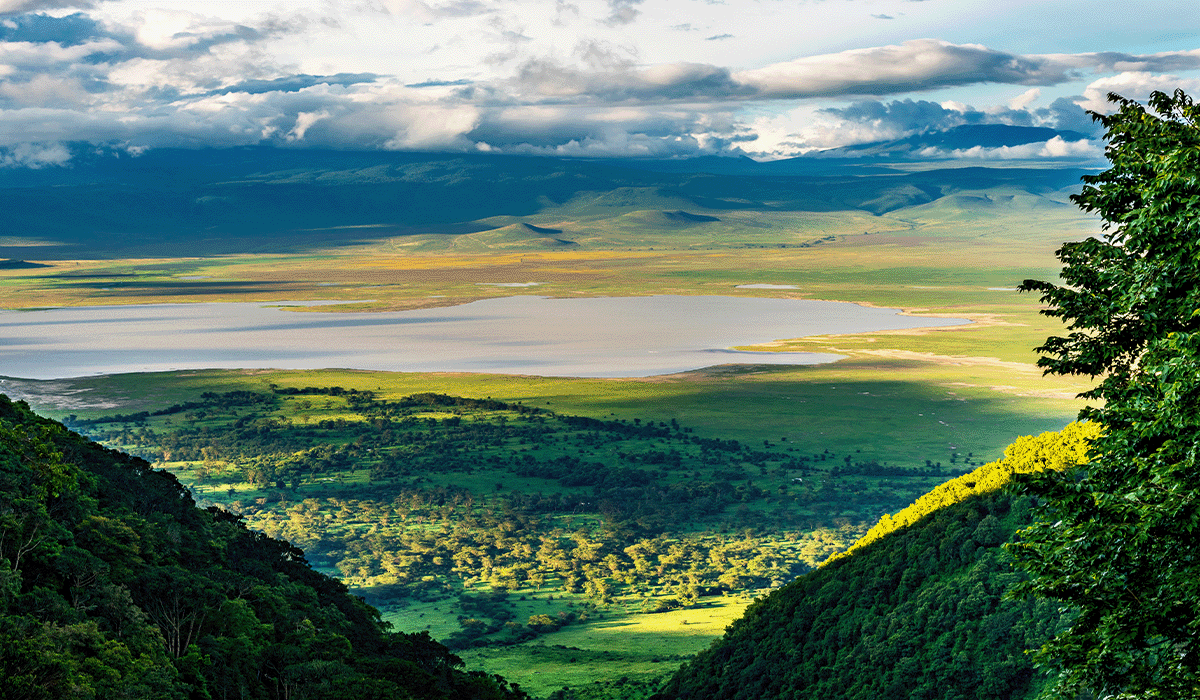
Tanzania is set to receive a significant boost in its voluntary carbon market as more than 20 companies have committed to investing over $20 billion in carbon offset credits. The adoption of legislation on carbon trading in Tanzania last year already attracted over $1 billion in investment, which will fund carbon trading activities across the country.
 View of Ngorongoro District, Arusha Region, Tanzania.
The move towards carbon credit trading aligns with Tanzania's efforts to achieve its Nationally Determined Contributions (NDCs) and reduce greenhouse gas emissions by 30%–35% by 2030. Dr Selemani Saidi Jafo, the Minister of State, Vice President's Office, Union and Environment, emphasised the importance of cooperation between Tanzania and carbon credit investors and partners for the country's economy and future generations.
Carbon credits serve as market-based financial instruments that represent a reduction in carbon emissions. In Tanzania, these credits play a crucial role in preserving forests and supporting local communities. With 48 million hectares of reserved forests, the country has significant opportunities for carbon trading.
Read more: Nature’s symphony: 15 Interconnected wonders of biodiversity
The $20 billion investment will revolutionise the carbon market in Tanzania. The participating companies from the United States, Canada, Switzerland, Russia, Italy, Singapore, Estonia, UAE, and Kenya are committed to protecting reserved forests, village forests, game reserves, and community-based wildlife management areas.
Africa is gaining prominence in the carbon credit market. Zambia has recently implemented measures to ensure a portion of the carbon credit–sales revenue goes to national treasuries. Kenya, the largest supplier of carbon credits in Africa, is in the process of regulating its carbon market. Across Africa, governments are strategically positioning themselves to attract investors and drive nature-based solutions to combat climate change and biodiversity loss.
Read more: VCMI launches Claims Code of Practice to ensure carbon industry standards
Tanzania's substantial investment in carbon offset credits demonstrates the growing momentum of the voluntary carbon market in Africa. The funds will not only support the country's emission reduction goals but also contribute to forest conservation efforts and community development. African nations are increasingly recognising the value of carbon credits and taking steps to establish reliable mechanisms and frameworks to attract investors and tackle climate change effectively.
DGB Group is a staunch advocate for the immense potential of nature-based solutions in safeguarding and restoring our precious natural environment. We are committed to developing, implementing, and overseeing reforestation, afforestation, and land restoration initiatives, with most of our projects located in Africa. Through these efforts, we strive to protect and restore the delicate balance of ecosystems.
Furthermore, our dedication extends to empowering African communities by promoting sustainable development practices. One significant aspect of this empowerment is providing access to energy-efficient cookstoves, enabling households to embrace environmentally friendly alternatives and reduce deforestation and the negative health impacts of traditional cooking methods.
With our diverse portfolio of solutions, we aim to engage businesses, investors, and individuals in active participation towards preserving nature. By offering transparent and accessible solutions, we foster a sense of shared responsibility in safeguarding our planet.