Frame 332-1

The Mount Kenya Regenerative 
Agroforestry Project 

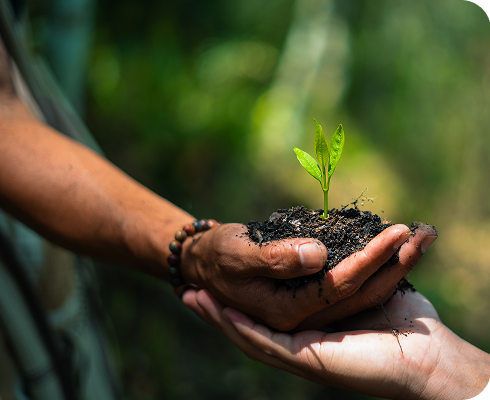
The Mount Kenya Regenerative Agroforestry Project is a large-scale reforestation project in Kenya that aims to restore previously-forested areas that have been affected by human activities such as logging, agricultural clearance, development, construction, and firewood collection.

tabler-icon-library
Project category
Carbon project
tabler-icon-christmas-tree
Project type
ARR
tabler-icon-timeline-event
Project stage
Project implementation
tabler-icon-world
Country
Kenya
Vector-Jul-07-2026-11-08-22-9721-AM
Lifetime
41 years
tabler-icon-bookmark
Project ID
Verra VCS: 3321
Rectangle 158-1-1
Project overview

Regreening Mount Kenya

This large-scale reforestation and agroforestry project restores degraded landscapes across Mount Kenya, preserving vital natural resources and safeguarding the region's water supply for local communities.

Rectangle 158-2-1
4.17M+

trees being
planted

15,000+

hectares
being restored 

5M

tonnes of CO2 
being captured 

5,525+

farmers to be 
positively impacted

Download project booklet

Join us to witness the incredible transformation as we breathe new life into once barren lands. Together, we can make a lasting impact and leave a legacy of environmental stewardship for future generations. 

Project impact

The Mount Kenya Regenerative Agroforestry Project is a large-scale initiative addressing the detrimental impact of human activities on forested areas. By planting millions of trees in these areas, the project restores nature, safeguards biodiversity, enhances water security, and uplifts local communities. This reforestation project is a key driver in combatting deforestation and land degradation in the area, helping to restore the environment and contributing to the overall sustainability of the region.

Community benefits

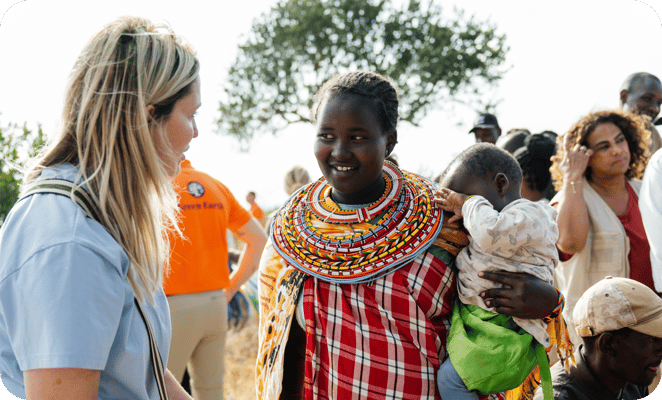
The project significantly boosts local economies by providing job opportunities, training, and seedlings that will offer yields to local smallholder farmers. Most people in rural areas in the project region rely on agriculture to earn their income, with most farmers being smallholders. All crop yields from trees planted are for the benefit of the local farmer. By restoring and protecting the immediate environment, the project secures a better, more sustainable quality of life for these communities and reduces poverty through investment and job opportunities.

Rectangle 158-3

Environmental benefits

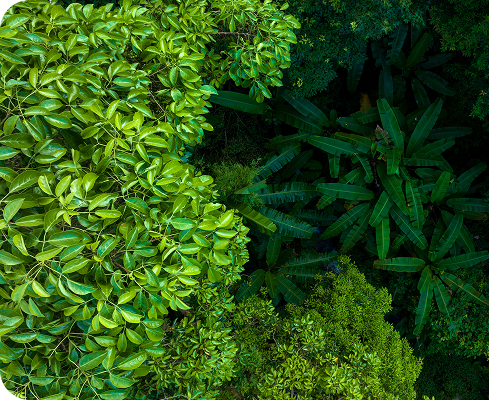
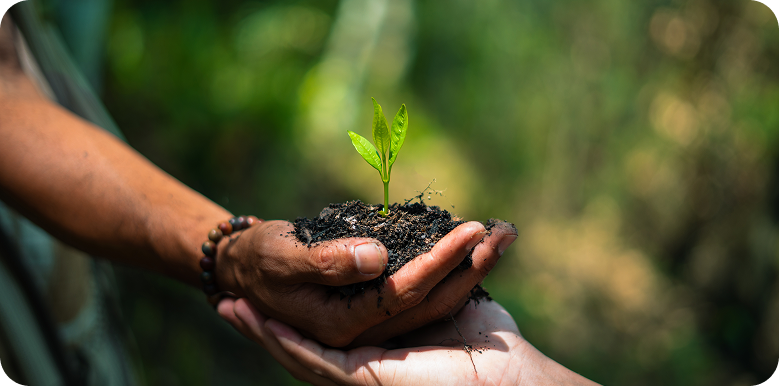
The project plays a pivotal role in environmental conservation by planting trees and reforesting the region. This effort leads to the restoration of biodiversity, revitalisation of degraded lands, and the creation of essential habitats for local wildlife. Each tree planted contributes to building a robust and thriving ecosystem, promoting overall environmental health.
Rectangle 158-4

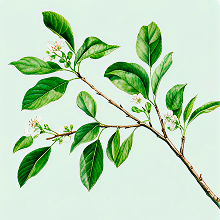
Types of trees

Rectangle 182
Persea (avocado)
Rectangle 182
Citrus sinesis (orange)
Rectangle 182 (2)
Anacardium (cashew)
Rectangle 182 (1)
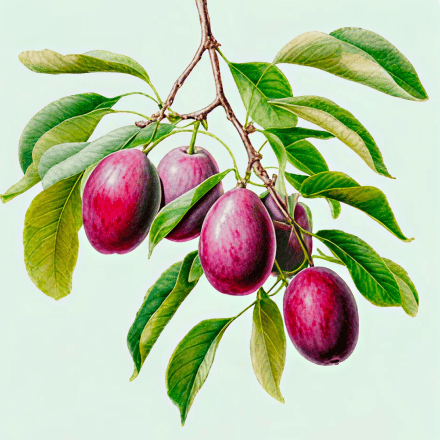
Prunus Africana
Rectangle 182 (3)
Dacryodes edulis (pear)
Rectangle 182 (4)
Macadamia integrifoli

Watch the project video

Kenya

About the region

The project is being developed in Kenya. It focuses on planting trees in catchment areas in Mt Kenya and the Aberdares, which are essential for water security and increasing levels of biodiversity. These areas are known for their diverse ecosystems that range from mountains, tropical areas, drylands, forests, and arid lands. Kenya is home to a great variety of life, with over 35,000 species of flora and fauna. Kenyan forests, in particular, are especially rich in plant and animal life, and most of the country’s endemic species live in forest habitats. Kenya’s forests however are threatened by deforestation and desertification, making the conservation and restoration of forests a priority for this region.

Images gallery

Rectangle 166
Rectangle 158 (1)
Rectangle 166 (1)

Our nature restoration in action

Cleaner kitchens and growing forests in Kenya
Preparing farmers for a stronger planting season in Bulindi
First harvests and coffee planting in Bungoma, Kenya

Article 6 of the Paris Agreement

Article 6 of the Paris Agreement primarily establishes a governance mechanism with transparent registries for bilateral carbon credit transfers between countries that further facilitates a high-quality global carbon credit trading system. Kenya has recently enacted a new Climate Change Act, laying the foundation for its participation in international carbon markets. This updated act is seen as a vital step for Kenya's engagement in activities under Article 6. Our project will align with Article 6’s implementation for Kenya.

Build your custom impact portfolio

Connect with our experts to curate a tailored portfolio of verified projects, or to discuss larger purchases. 

We'll guide you through our verified projects and can source specialised credits from our wider global network to help maximise your environmental impact.


image 171

Group 80

Turn your emissions into real nature recovery

Turn your net-zero targets into verified environmental action. Reach out to our team to secure high-quality carbon credits directly from this project.