Kenya Beehive Project
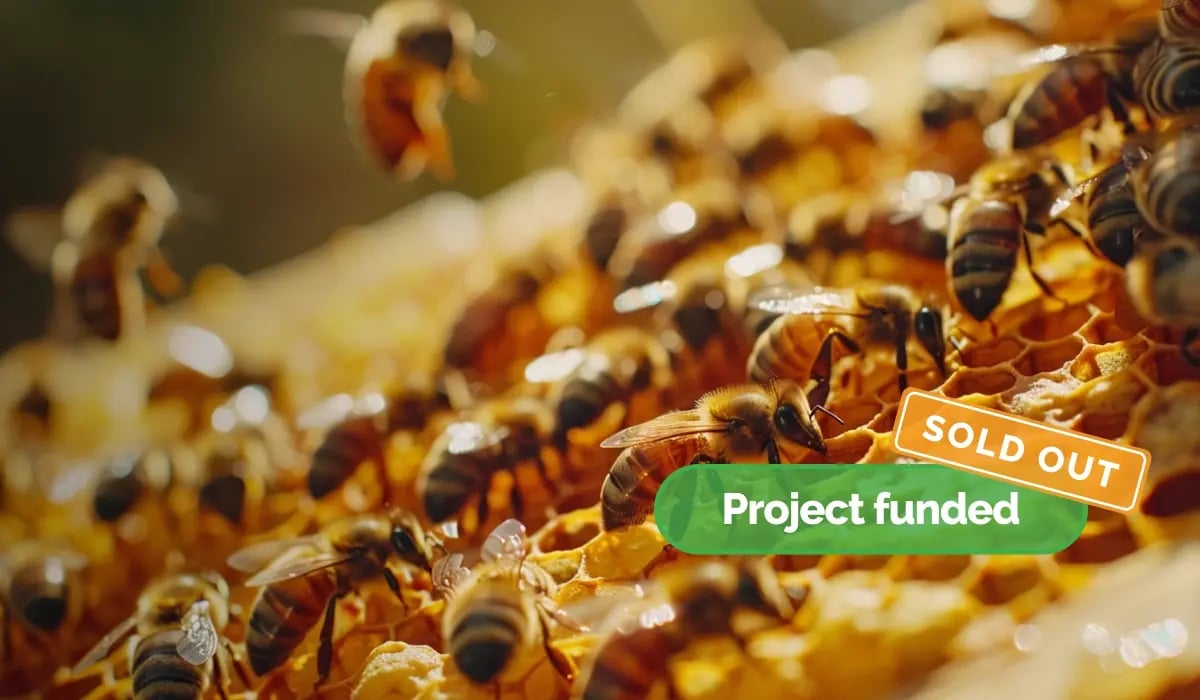
This sustainability initiative focuses on increasing bee populations, promoting biodiversity, and providing additional income to farmers through beehive distribution.

Project category
Agriculture project

Project type
Agriculture

Project stage
Project funded

Country
Kenya

Lifetime
4 years
50%
increase in
regional bee population
500
families
positively impacted
1,000
beehives
to be distributed
5,000
hectares
of crops pollinated
2.5%
average income
increase for farmers
Community benefits
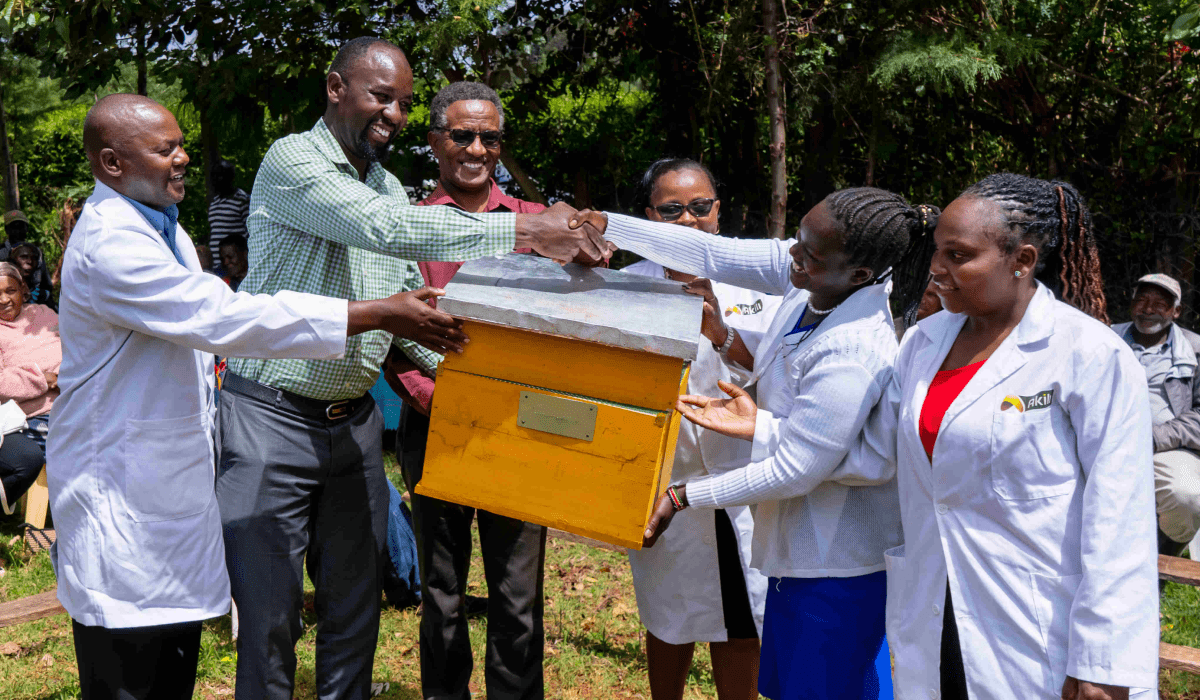
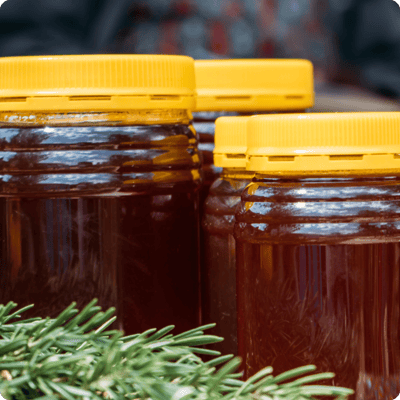
In Kenya, the average income of a farmer is only €92 per month, with many living from harvest to harvest. This project offers an additional income source through sustainable beekeeping, with the honey sold in local markets and hotels and each hive generating around €28 annually, increasing a farmer’s income by approximately 2.5%. This seemingly modest increase can make a significant difference, enabling farmers to afford necessities such as their children's education. Through this project, we not only support environmental sustainability but also improve the economic stability of Kenyan farming communities.
Environmental benefits
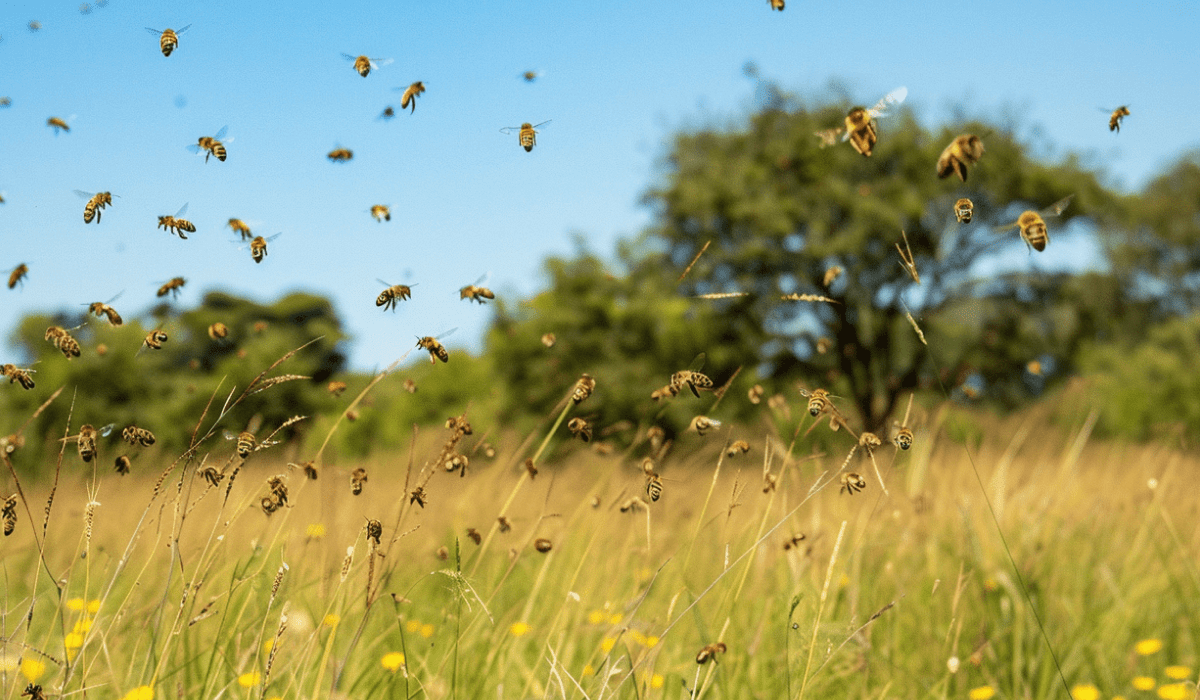
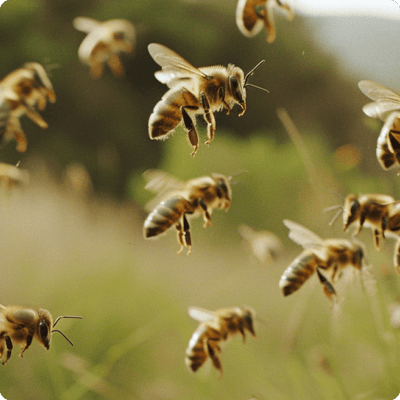
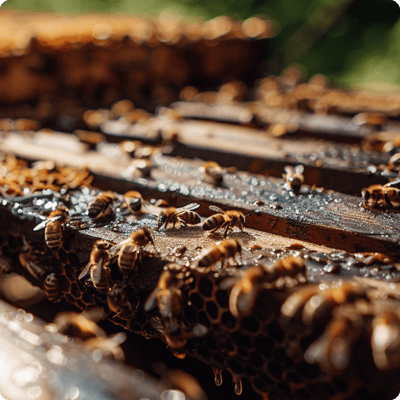
Bees are essential to biodiversity. One hive alone pollinates fruit trees, flowers, and crops within a 5-kilometre radius. Pollination is necessary for more than 70% of food crops, especially fruits and vegetables, making bees indispensable to our food supply. However, bee populations are declining at an alarming rate globally. Through this project, we contribute to the survival of these vital pollinators, ensuring the health and sustainability of our ecosystems.
Images gallery
Why are beehives important?
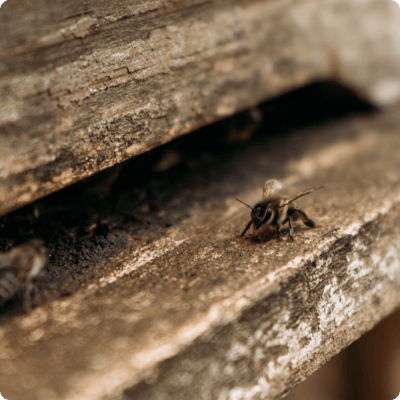
Bees pollinate crops, making them essential to our food production. Worldwide, almost 70% of crops depend on bees. At the same time, bee populations around the world are under pressure. Beekeepers have seen declines in bee colonies for years. The causes of this are broad: pesticide use, monoculture, and encroaching urbanisation threaten the health of bees and, thus, our food supply. This makes bees perhaps the most critical part of global food production. They make sure we have food. So by investing in housing for bees, we are not only looking after them but also ourselves.
Who are the beekeepers in this project?
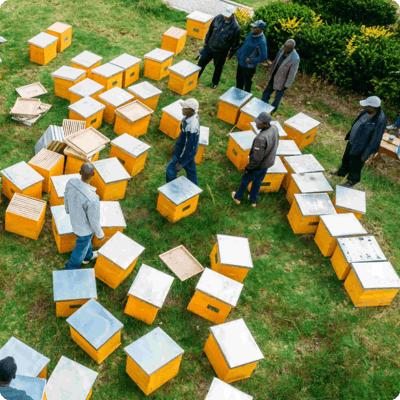
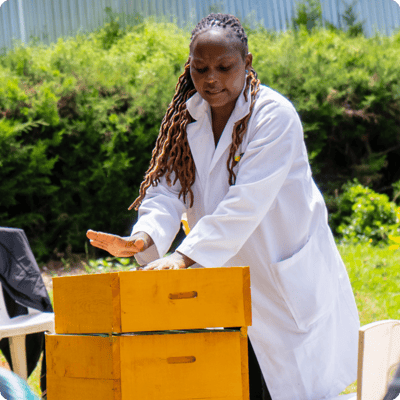
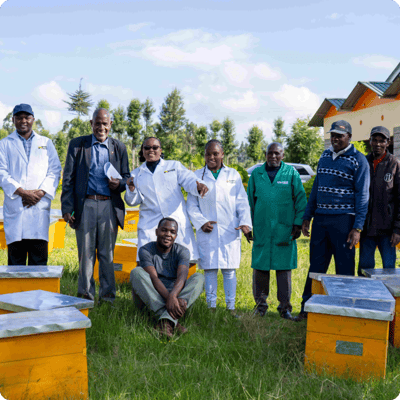
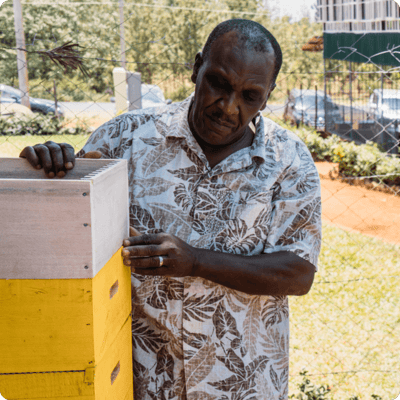
Seasoned beekeeping professionals are hired to transfer their knowledge to new beehive farmers. Before the project's roll-out, all farmers receive professional training for 2 to 3 months, and the project manager continues to actively monitor for their progress two years to ensure the level of knowledge is maintained.
How does beehive investing work?
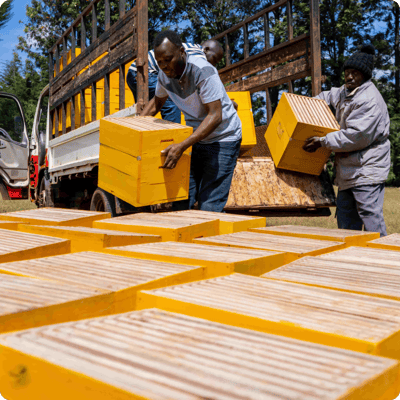
In short, you lend us money (€500 up to a maximum investment of €10,000) to distribute hives to trained Kenyan farmers. These beehives provide additional income to farmers and help restore biodiversity. The farmers do not receive these beehives as a gift but have to pay them back with the sales proceeds of the harvests. You will receive a return for 4 years, paid every quarter, after which the loan matures and we repay your investment.
What does my investment consist of?
Each bond has a value of €500. By purchasing a bond, you lend us money to train farmers and produce, distribute, and service hives. We spend the €500 on the following:
- Production, distribution and maintenance of hives
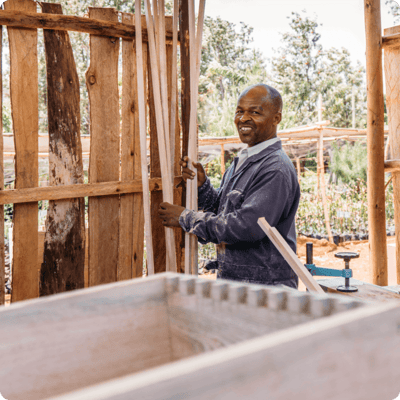
- 5 carpenters will work for two months to make 1,000 hives.
- Beekeeper training & ambassador support for participating farmers
- During the project, each group of farmers will receive six training sessions to learn how to keep bees.
- Harvesting, packaging and transportation
- Costs to ensure that honey can be produced and sold. These include protective suits and machines to extract honey from the combs.
- Exchange rate premium euro to Kenyan shilling
- The cost of converting your euros to Kenyan shillings and absorbing any exchange rate differences between the time of your purchase and transfer to Kenya.
The maximum investment is €10,000 and we charge an issue fee of €25 per investment.
What does my returns consist of?
You will receive the honey proceeds from the hives as returns. Your returns consist of the redemption of your investment and interest on the borrowed amount. The return calculation is based on two main factors: the number of kilos of honey, beeswax and propolis that— considering ecological factors and sustainable production—we can harvest annually and the selling price of these products. Before we pay out your return, several costs are met. After deducting these costs, what remains per bond is an expected return of 8% per year paid quarterly.
Build your custom impact portfolio
Connect with our experts to curate a tailored portfolio of verified projects, or to discuss larger purchases.
We'll guide you through our verified projects and can source specialised credits from our wider global network to help maximise your environmental impact.