
Sustainability
Project updates
Plastic
Plastic offsetting
Recycling
Finance
Plastic credits
Green Earth
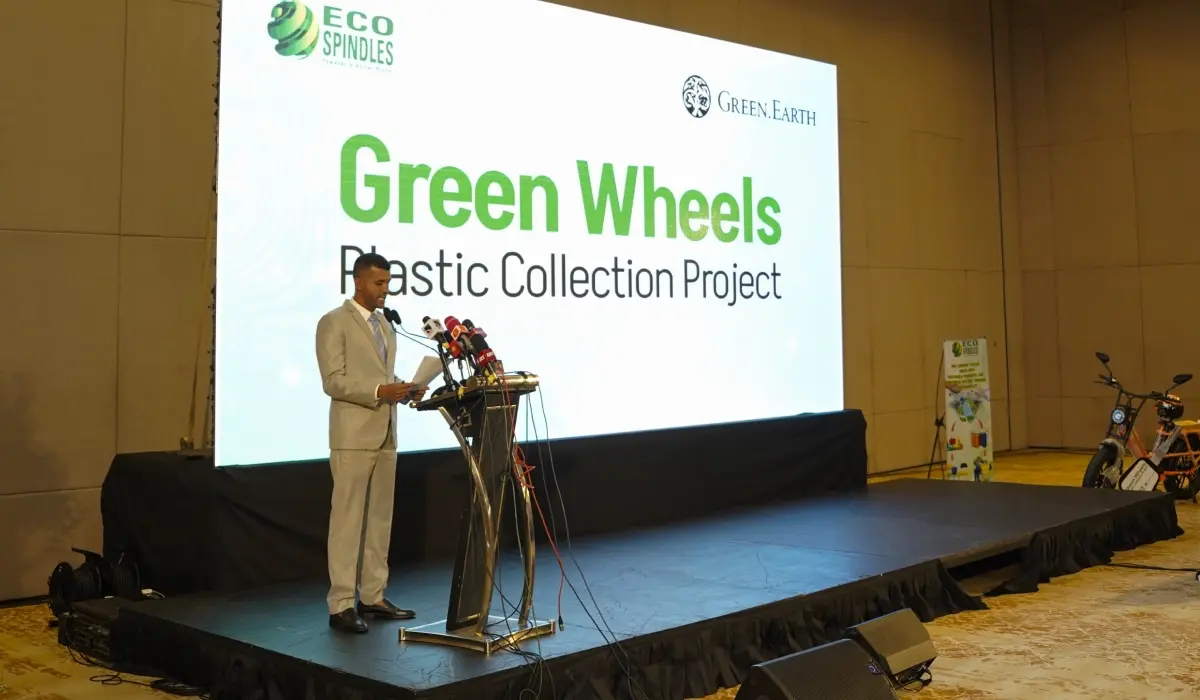
Sri Lanka’s landscapes, from coral-fringed coastlines to culturally significant inland forests, are increasingly threatened by plastic pollution. The newly launched Green Wheels Plastic Collection Project offers a transformative pathway to cleaner ecosystems and stronger communities. Developed through a collaboration between Eco Spindles and Green Earth, the initiative marks a milestone in scaling inclusive, technology-enabled plastic recovery solutions across the country.
A national milestone in clean mobility and plastic recycling
The project was formally unveiled at the Monarch Imperial, with the Minister of Environment, Dr Dammika Patabendi, and leaders from across the sustainability sector in attendance. Designed to address the country’s low recycling rate — only 3% for plastic recycled back into the value chain with 11% of plastic collected for recycling purposes — Green Wheels deploys 50 locally manufactured electric bikes to collect plastic waste directly from rural, urban, and underserved communities.
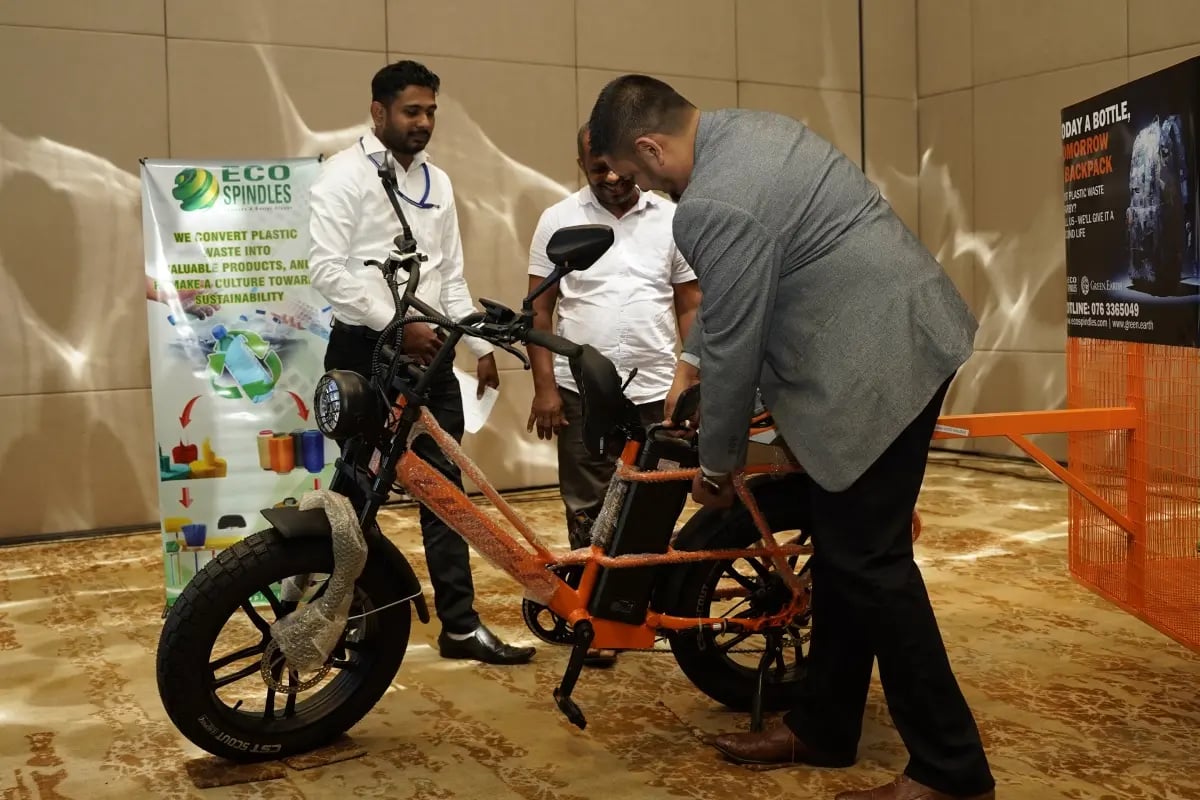 Inspecting an electric bike designed to collect plastic waste. Green Wheels Plastic Collection Project, Green Earth.
The project will be certified under Verra’s Plastic Standard, ensuring global best practices in traceability and impact verification. It aims to collect and recycle 6,500 tonnes of plastic, significantly expanding Sri Lanka’s recycling capacity while creating thousands of income-generating opportunities. Women, youth, and low-income families will be integrated into the collection and sorting ecosystem, strengthening economic resilience at the grassroots level.
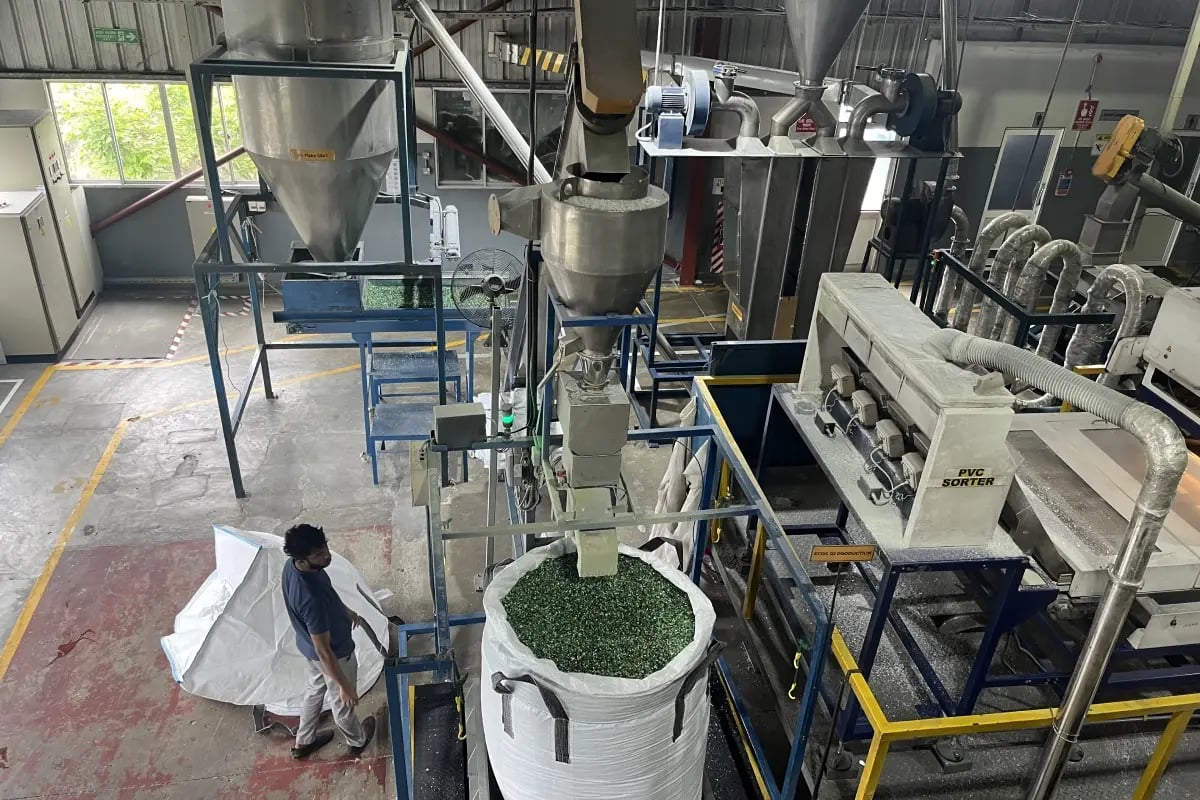 A plastic recycling factory. Green Wheels Plastic Collection Project, Green Earth.
At the launch, Minister of Environment Dr Dammika Patabendi applauded the partnership, describing it as a blueprint for scaling similar initiatives across the country.
Sri Lanka’s plastic pollution crisis cannot be solved by government action alone. We need scalable, community-centred solutions driven by innovation. The Green Wheels project is a strong example of how technology, private-sector leadership, and grassroots participation can come together to support our national waste management agenda. This initiative strengthens livelihoods, expands recycling capacity, and contributes directly to the Sustainable Development Goals Sri Lanka has committed to.
Read more: The ultimate guide to plastic credits
Eco Spindles’ established recycling network ensures collected material re-enters the circular economy as polyester yarn and monofilaments, while Green Earth contributes global expertise in nature-positive system design. Government representatives highlighted the project as a model for national replication, blending innovation, clean mobility, and community empowerment.
Building a cleaner future through community-driven recycling
The Green Wheels initiative is progressing steadily, moving from its completed feasibility study into the design and registry-listing phase. As the project expands into Mirissa, Colombo, Negombo, and Anuradhapura, its impact reaches some of Sri Lanka’s most ecologically and culturally significant regions — places where plastic pollution directly threatens both wildlife and community wellbeing.
What sets the Green Wheels project apart is its practical, human-centred approach to collection. By reaching deep into coastal villages, busy urban neighbourhoods, and inland heritage zones, the project captures plastic long before it reaches waterways or fragile ecosystems. This early-stage recovery plays a vital role in protecting elephants, sea turtles, dolphins, and other species that too often suffer from ingestion or entanglement. It also helps safeguard the natural beauty that supports tourism, local traditions, and regional economies.
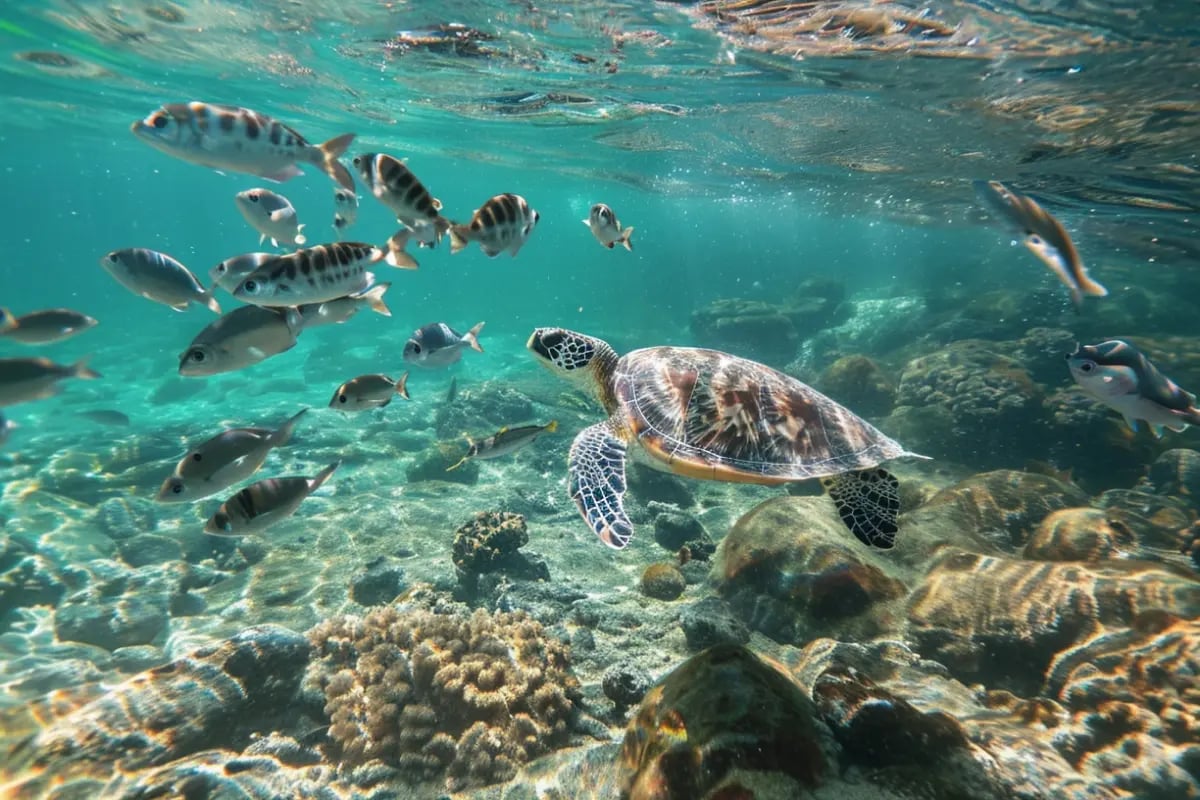 The underwater world of Sri Lanka. AI generated picture.
The collected material does not disappear into a vague waste stream. Instead, it feeds directly into a circular system that transforms discarded plastics into durable textile fibres and technical filaments, strengthening Sri Lanka’s manufacturing sector while reducing dependence on virgin resources. This creates a traceable, measurable pathway from waste to value — one that benefits both industry and the environment.
With full-scale operations set up by the end of 2025, including a fleet of 50 electric bikes, Green Wheels is on track to become one of the country’s most reliable and community-rooted plastic recovery systems. It demonstrates how thoughtful design, local participation, and clean mobility can come together to create lasting environmental and social benefits.
Read more: The social impact of Green Earth’s projects
Plastic offsetting with Green Earth
For companies seeking to address their plastic footprint, Green Earth is able to provide certified pathways to compensation through high-integrity plastic credits. These credits represent real, measurable recovery of plastic waste from the environment, giving businesses a credible, transparent way to balance out the plastic they put into circulation and demonstrate meaningful environmental responsibility.
Read more: The power of Green Earth’s high-quality carbon projects in Kenya
Through Green Earth, companies that compensate for their plastic use contribute directly to environmental projects — such as Green Wheels—that remove plastic from natural ecosystems and support community livelihoods. Each plastic credit corresponds to verified, traceable recovery, ensuring your contribution results in tangible, nature-positive outcomes aligned with your values and long-term sustainability commitments.
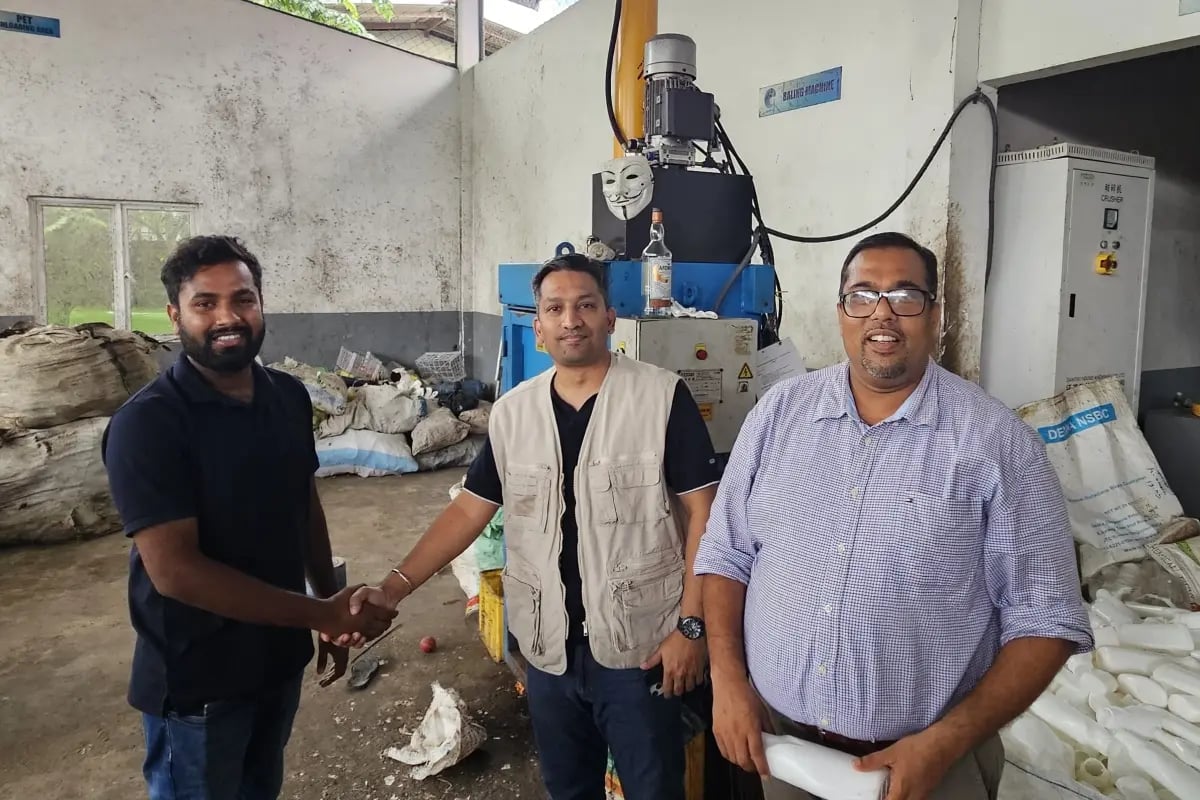 A Green Earth team member with local project representatives. Green Wheels Plastic Collection Project, Green Earth.
For organisations ready to take responsibility for their plastic footprint, Green Earth provides the solution. Contact our experts to begin your plastic-offsetting journey.