
Sustainability
Plastic
Plastic offsetting
Plastic credits
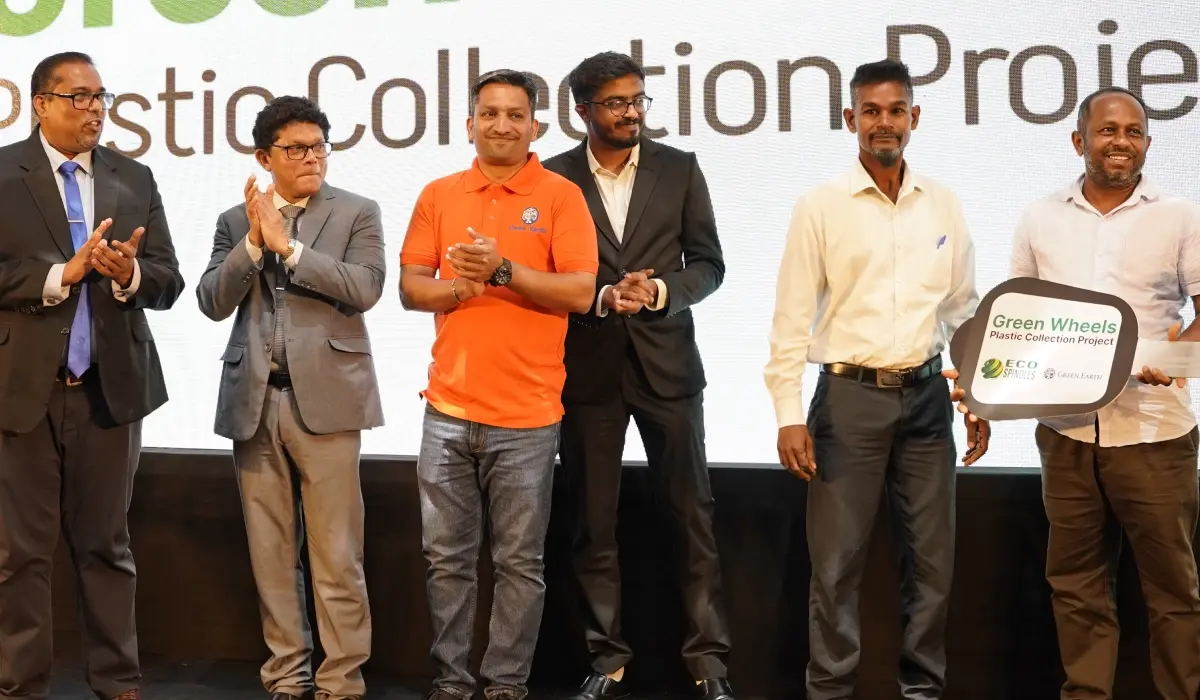
Sri Lanka has taken a notable step towards strengthening its waste management capabilities with the launch of the Green Wheels Plastic Collection Project, a collaboration between Green Earth Group and Eco Spindles. Introduced at the Monarch Imperial in Colombo, the initiative brings a new clean-mobility model to the country’s plastic recovery efforts at a time when national recycling rates remain critically low.
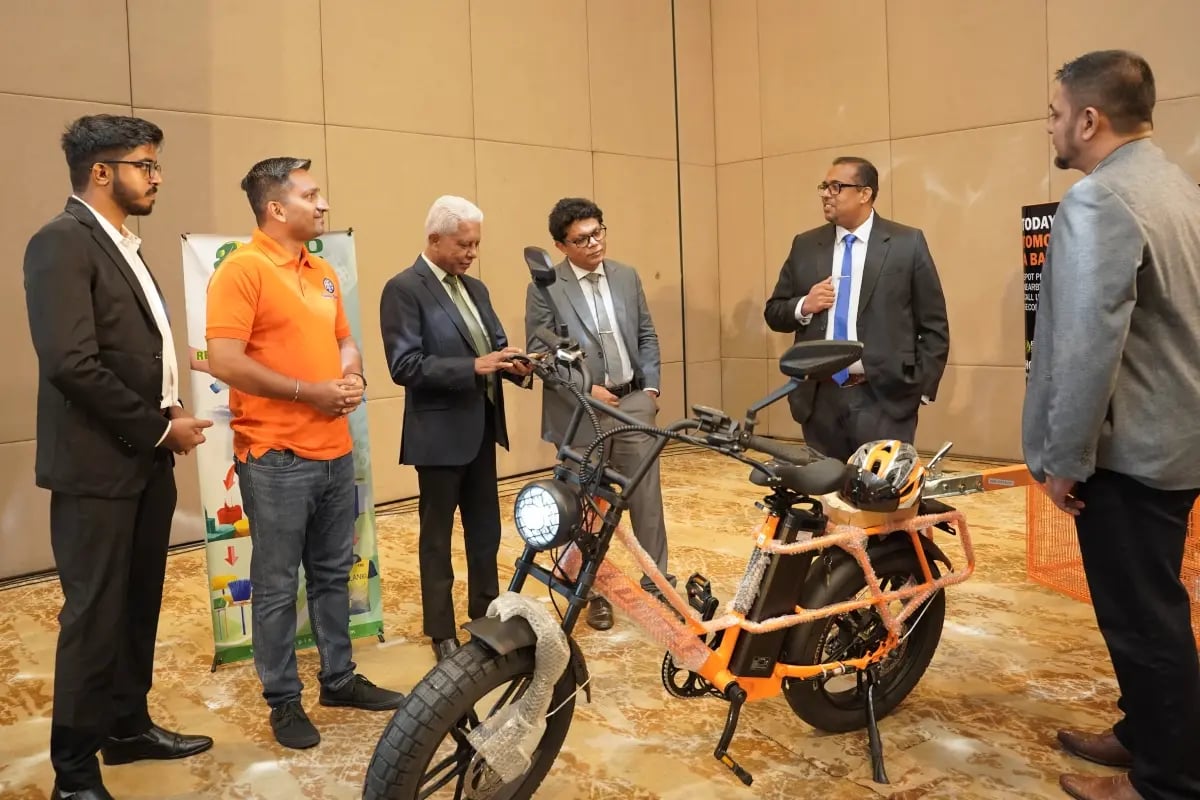
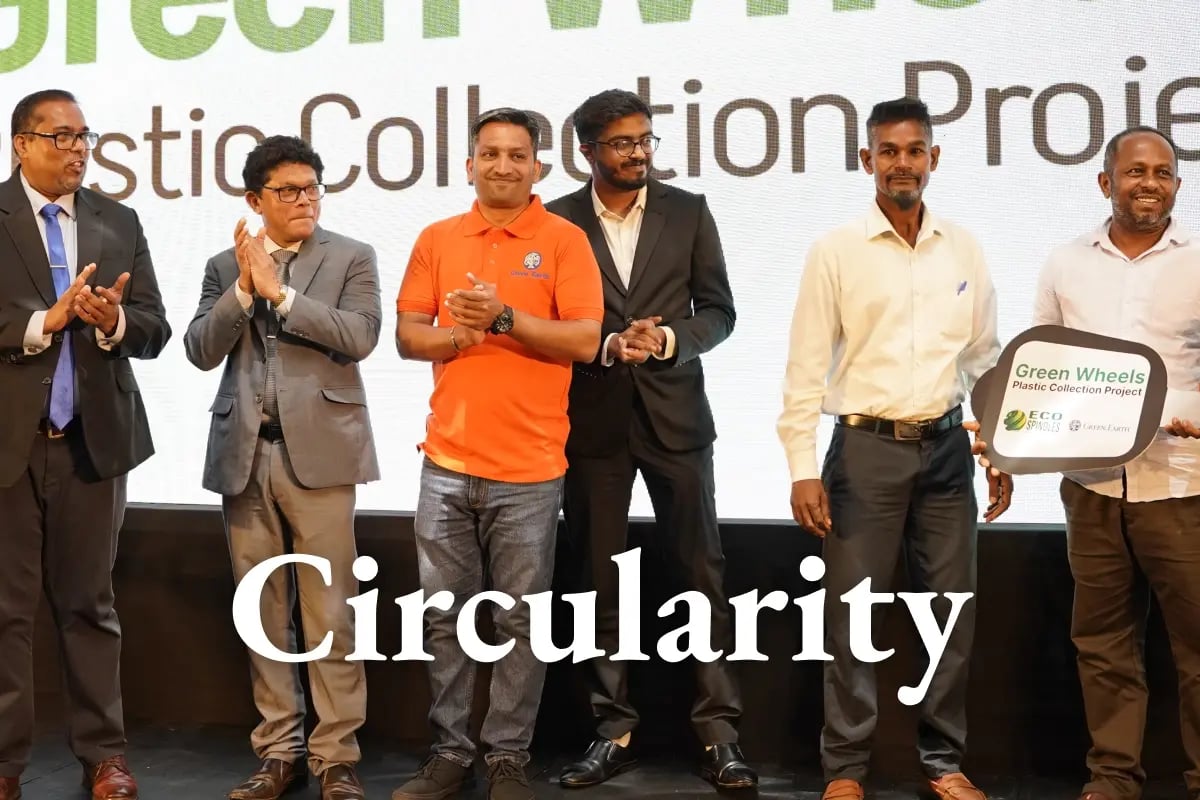 Eco Spindles and Green Earth cooperation meeting. Green Wheels Plastic Collection Project, Green Earth.
According to the National Plastic Waste Inventory 2024, Sri Lanka produces 249,037 tonnes of plastic waste each year, of which only 11% is recycled. The Green Wheels project aims to close this gap by deploying 50 locally manufactured electric bikes that will collect discarded plastic directly from underserved, rural, and urban communities. The project will be certified under Verra’s Plastic Standard, ensuring robust verification, traceability, and accountable impact reporting.
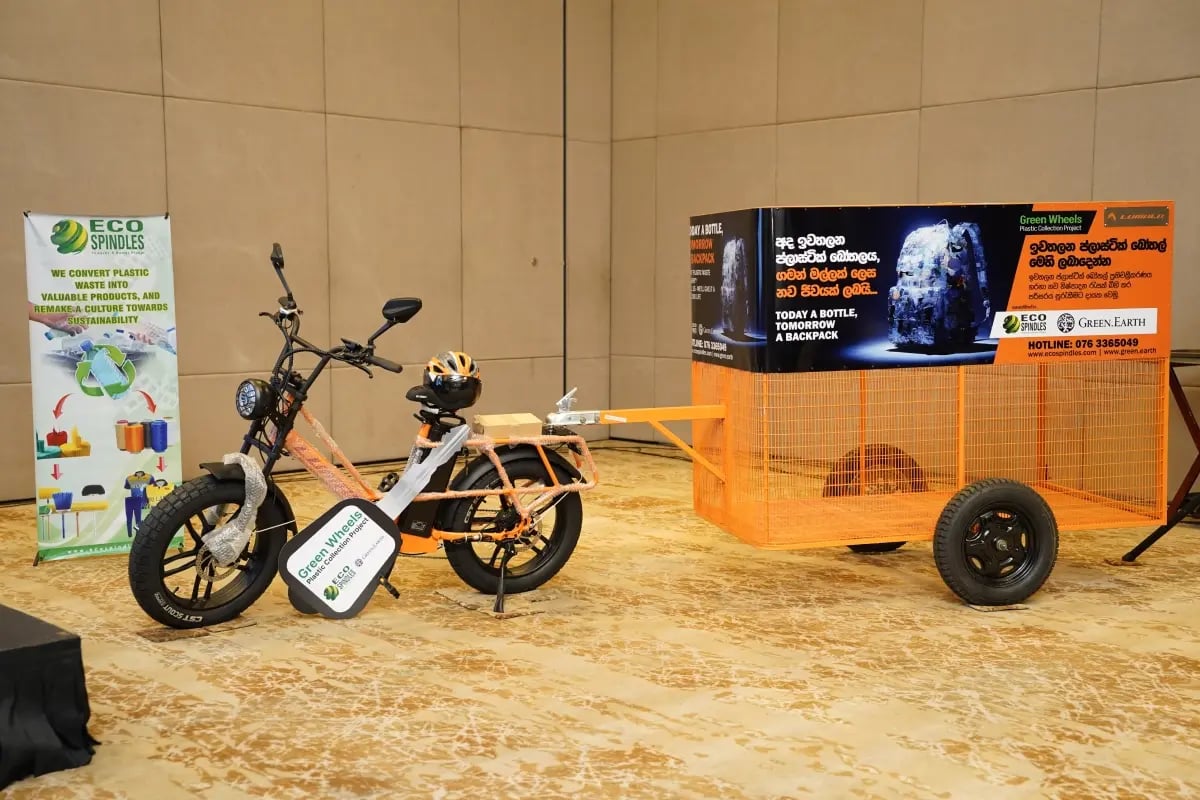 An electric bike used to collect plastic waste. Green Wheels Plastic Collection Project, Green Earth.
Government representatives underscored the project’s potential during the launch. Minister of Environment Dr Dammika Patabendi praised the public–private collaboration, calling it ‘a blueprint for scaling similar initiatives across the country’, adding: ‘Sri Lanka’s plastic pollution crisis cannot be solved by government action alone. We need scalable, community-centred solutions driven by innovation. The Green Wheels project is a strong example of how technology, private-sector leadership, and grassroots participation can come together to support our national waste management agenda. This initiative strengthens livelihoods, expands recycling capacity, and contributes directly to the Sustainable Development Goals Sri Lanka has committed to.’
Read more: Beyond tonnes: How carbon credit co-benefits elevate value
The initiative places strong emphasis on community participation, integrating women, youth, and low-income families into collection and sorting activities. Organisers expect the system to recover and recycle approximately 6,500 tonnes of plastic, while simultaneously opening new income streams for vulnerable groups.
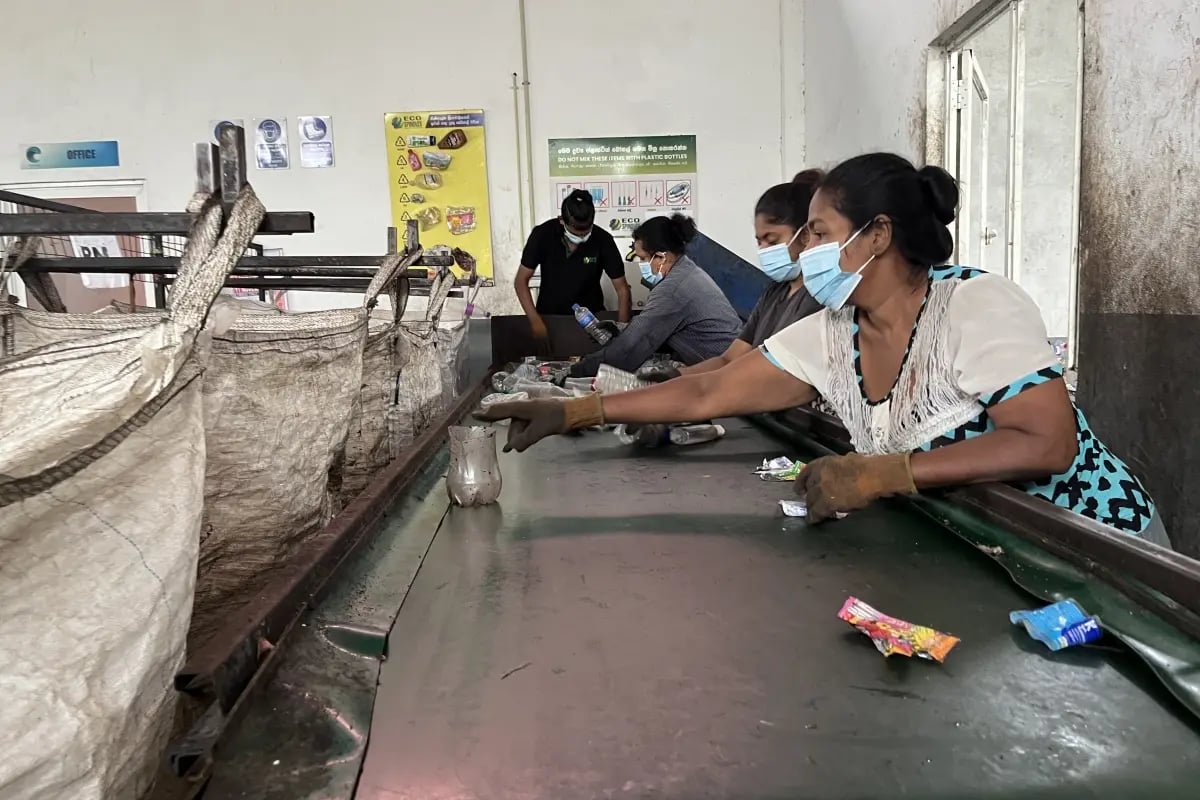 A plastic recycling factory where the local community works, creating job opportunities. Green Wheels Plastic Collection Project, Green Earth.
Green Wheels operates across four strategically selected regions—Mirissa, Colombo, Negombo, and Anuradhapura—where plastic pollution poses a direct threat to marine species, terrestrial wildlife, and key cultural landscapes. Early-stage recovery of plastic in these areas helps prevent ingestion and entanglement among species such as elephants, sea turtles, and dolphins, while also supporting the tourism sector that relies heavily on pristine natural environments.
 Sea turtles on a beach in Sri Lanka. AI generated picture.
Collected materials will be processed through Eco Spindles’ established recycling network and transformed into textile fibres and technical filaments, strengthening the country’s circular economy and reducing demand for virgin plastics. With full-scale operations set up by the end of 2025, the initiative is positioned to become one of Sri Lanka’s most significant decentralised plastic recovery systems.
Green Earth also highlighted that businesses seeking to address their plastic footprint can participate through certified plastic-credit mechanisms linked to projects such as Green Wheels, enabling companies to compensate for plastic use through verified environmental impact.
Read more: Green wheels: A transformative leap for plastic collection in Sri Lanka
Initiatives like Green Wheels demonstrate that measurable environmental action begins with understanding local needs and collaborating on impactful projects. These projects are required to address large-scale plastic waste and compensate for the plastic footprint businesses create.
 A Green Earth team member with local project representatives. Green Wheels Plastic Collection Project, Green Earth.
Green Earth enables organisations to compensate for their plastic use with clarity and credibility, providing certified compensation with plastic-credits that contribute directly to verified recovery efforts on the ground. By supporting projects that combine environmental restoration with community support, companies can demonstrate real, traceable impact while strengthening their sustainability leadership. For organisations looking to turn responsibility into meaningful results, Green Earth offers a trusted pathway towards a cleaner, more resilient future.