
Forest degradation
Forest
Verra
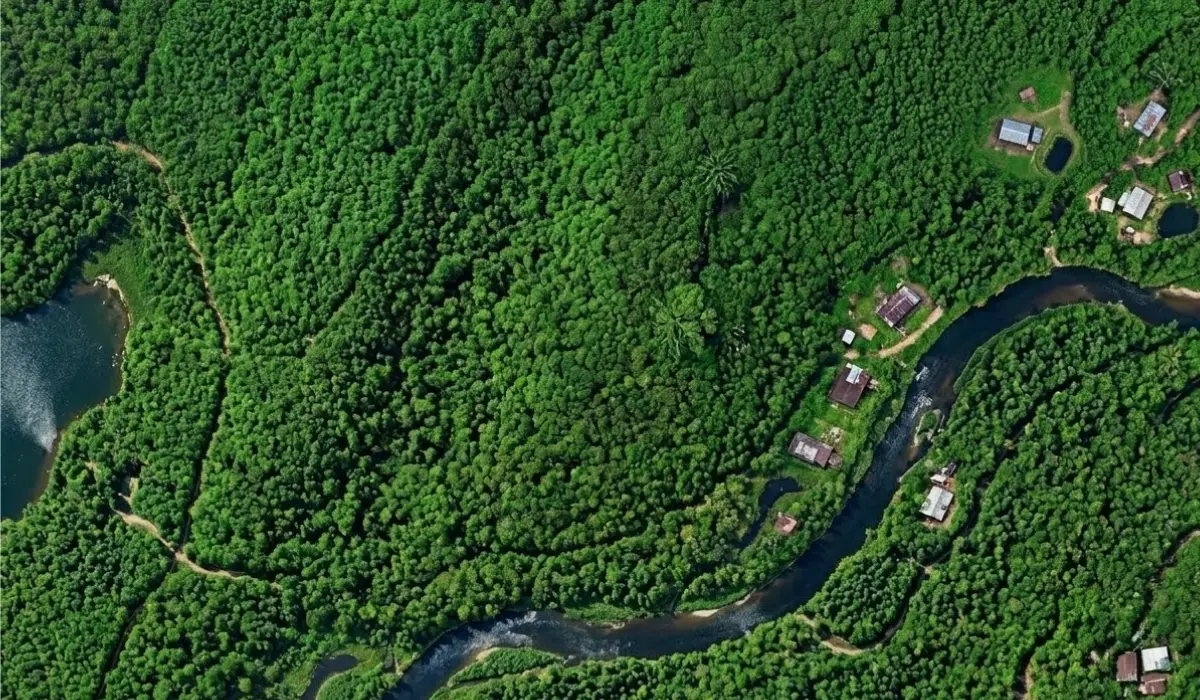
Forest degradation—the partial damage of forested areas—is responsible for more forest carbon loss across the tropical belt than outright deforestation. Until now, Verra's REDD+ (Reducing Emissions from Deforestation and Forest Degradation) methodology has not addressed this issue. That is set to change.
 Satellite view highlighting forest degradation and biomass changes for carbon monitoring. AI generated picture.
Verra, the Washington DC-based carbon standard and the dominant issuer of carbon credits in the verified carbon market (also known as the voluntary carbon market), has published a call for interest to develop a dedicated 'REDD Module for Degradation'. The module would sit alongside its main REDD+ methodology, VM0048, published in late 2024.
The proposed module targets forests under threat from illegal logging, unplanned timber extraction, fuel-wood collection, charcoal production, and anthropogenic fires. It aims to establish credible baselines for areas at risk, enabling project developers to quantify emission reductions and generate carbon credits linked to degradation prevention.
No carbon credits have been issued under VM0048 to date, as data collection and risk mapping take time. Industry sources indicate that interest among project developers remains strong.
Read more: South Korea’s carbon market tightens as blue carbon trading moves closer
The move comes as the broader market develops new tools for tracking forest health. Greater availability of satellite data on forest biomass has made it significantly easier to monitor degradation at scale. France-based standard Equitable Earth has already launched a REDD+ methodology covering both deforestation and degradation, signalling growing appetite for more comprehensive forest protection frameworks.
As methodologies evolve to capture a fuller picture of forest carbon dynamics, we remain committed to developing projects that deliver verified, high-integrity carbon credits alongside lasting benefits for ecosystems and local communities.
Read more: The next carbon standard: What CBAM and CSRD mean for European businesses
As the verified carbon market matures, the quality and scientific rigour of underlying methodologies are becoming decisive factors for buyers, developers, and regulators alike. Verra's move to address forest degradation reflects this shift—towards frameworks that capture the full picture of forest carbon dynamics and support more credible, durable outcomes. At Green Earth, we develop high-integrity conservation and restoration projects built on transparent methodologies, robust science, and measurable impact. Our projects strengthen ecosystems, enhance biodiversity, and deliver verified carbon credits with tangible benefits for local communities.