
Sustainability
Carbon footprint
CSRD
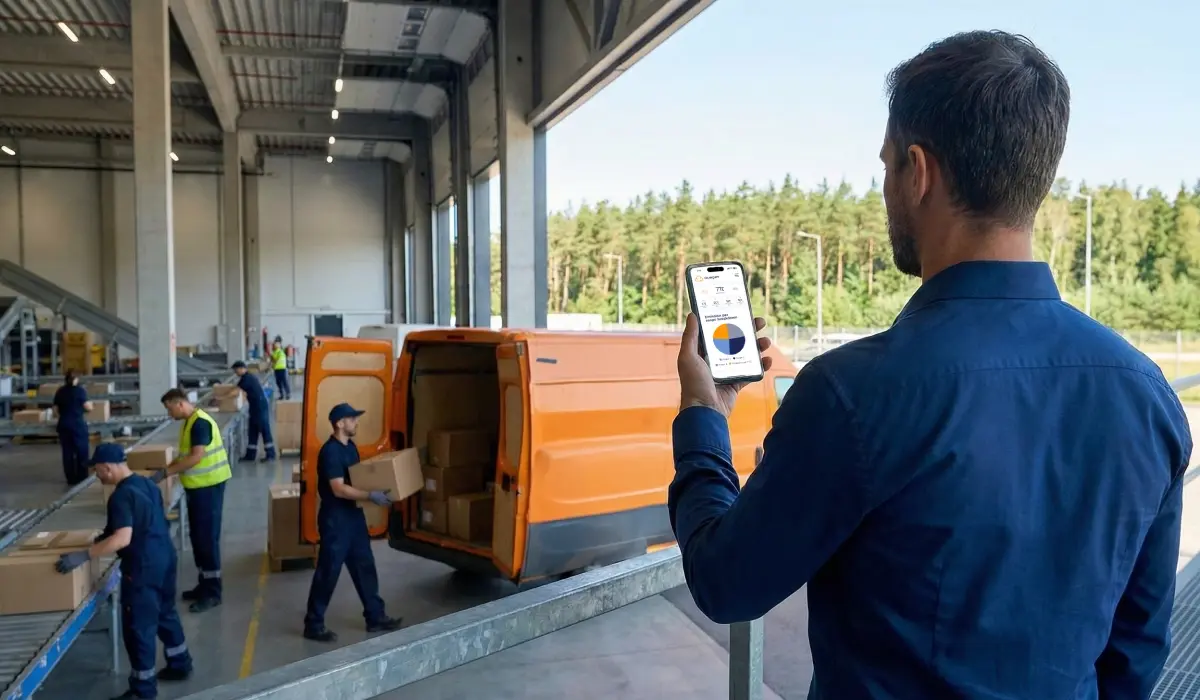
For years, sustainability reporting sat squarely on the shoulders of large corporations. Smaller suppliers were rarely pulled into the process, and certainly not at a detailed data level. That landscape is changing fast. With the introduction of the Corporate Sustainability Reporting Directive (CSRD), big companies are now expected to publish structured, verifiable climate information—and they can only do this with their suppliers’ support.
The European Commission describes CSRD as a new, standardised framework requiring large EU companies to disclose audited climate data from the 2025 financial year onward. This shift is creating a ripple effect across supply chains, where CSRD supply chain obligations are beginning to influence how suppliers operate, what information they must provide, and how quickly they must deliver it.
Because their reporting must meet strict standards, many large companies are updating procurement rules and onboarding requirements. They’re asking suppliers for more accurate data, faster turnaround, and formats that align with CSRD’s reporting structure.
In practice, this means one thing: Even if your SME isn’t required to report under CSRD, your retailer is—and that brings the responsibility directly to your doorstep.

Why CSRD lands on your desk (even if you’re not the one reporting)
If your clients are asking for emissions data, it’s not because they suddenly became sustainability experts. It’s because their own reporting obligations now depend directly on the information they receive from you. Under CSRD, companies must account for the emissions generated across their entire value chain, including those created by suppliers, manufacturers, transport partners, and service providers.
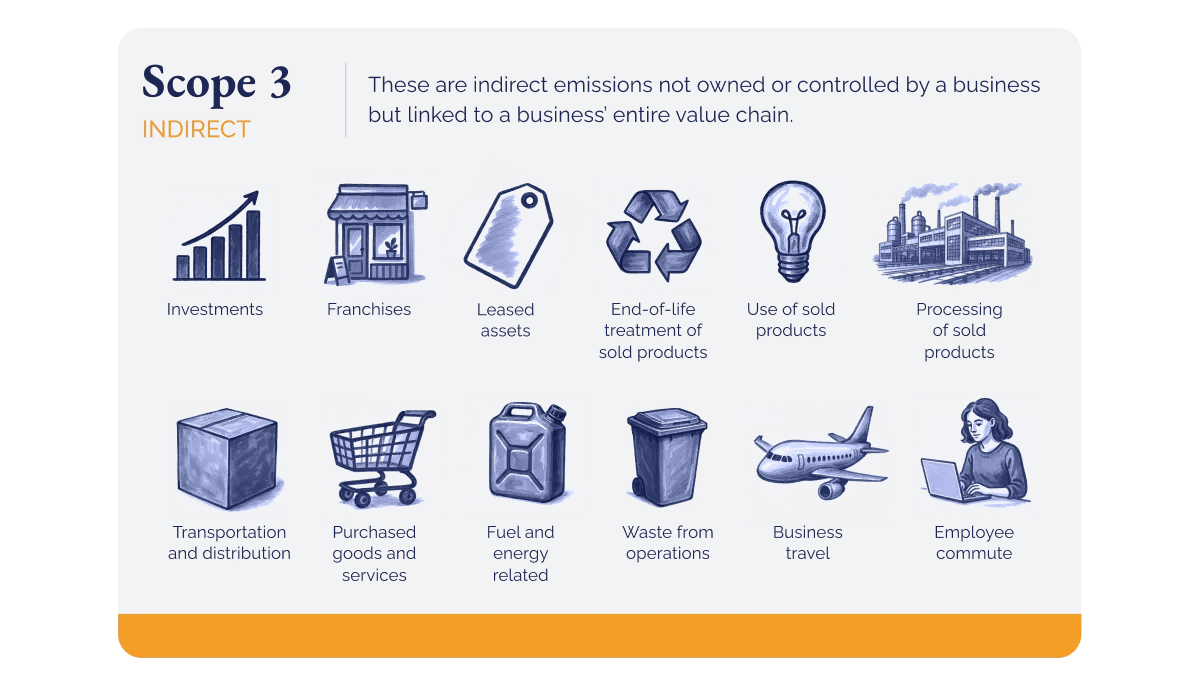 Scope 3 emissons.
This is known as Scope 3, and it usually makes up the largest share of a company’s carbon footprint. In fact, research from MIT Sloan shows that Scope 3 emissions often represent the majority of a corporation’s environmental impact—as much as 90%. This is why buyer Scope 3 data collection has become urgent and non-negotiable: large companies cannot complete their CSRD reports unless suppliers contribute the right data.
Read more: CSRD for SME Suppliers: How to turn data requests into a competitive advantage
That puts suppliers in a new position. Big companies need verified supplier carbon footprints to satisfy auditors. Estimates, generic calculators, or spreadsheets with incomplete data are no longer enough.
So even if your SME isn’t legally required to report, the companies you sell to still need your data to meet their own obligations. That’s why CSRD keeps landing on your desk—you’re part of their Scope 3 story.

The new tender game: Who gets in… and who gets cut
Behind the scenes, CSRD is transforming how European companies choose and evaluate their suppliers. What used to be a simple tender submission now increasingly includes one more requirement: your emissions data. And your clients are using it to decide who gets onboarded and who doesn’t.
Many procurement teams are updating their systems to ensure they meet their Scope 3 obligations. This means suppliers who cannot provide basic carbon information risk delays, reduced visibility, or even being excluded from tender lists. It’s not punitive; it’s simply that their trading partners cannot submit their own CSRD reports without reliable inputs.
Industry analysis reflects this shift. Deloitte highlights that organisations are embedding sustainability metrics into their procurement processes as they work to reduce value-chain emissions and comply with stricter reporting standards. This is a clear signal of how CSRD changes European procurement rules and why carbon footprint reporting for procurement has rapidly become standard practice.
Read more: SME sustainability tools: How they help your business grow
The implication is straightforward: If your emissions data is ready, you stay in the game. If it isn’t, the opportunities you rely on may quietly move to competitors who can deliver what buyers now need.
The SME dilemma: High expectations, zero internal capacity
Most SMEs are now being asked to provide data at a level of detail they were never equipped for. Buyers expect audit-ready emissions data, with accurate, well-structured carbon figures and the methodological evidence required to satisfy their CSRD auditors. That means precise supplier emissions verification. But SMEs don’t have the capacity to produce it on their own.
For a typical SME, this is where the real challenge begins:
- you don’t have sustainability specialists on staff
- you don’t have time to interpret CSRD or ESRS terminology
- you don’t know which data buyers actually require
- and you certainly don’t have resources to run a full carbon audit internally
 People working in an office of a small company. AI generated picture.
Yet buyers expect all of this—because their own reports will be audited. They cannot submit assumptions or supplier estimates without risking compliance issues.
This capability gap is well recognised. Analysts note that many smaller companies lack the expertise and internal systems needed to meet CSRD-aligned reporting standards. As a result, SMEs are often left trying to deliver data at a level far beyond their operational reality.

The practical solution for suppliers: Generate verified emissions data with the CO₂ Expert tool
As procurement teams tighten their requirements, suppliers need a way to deliver carbon footprints that buyers can use with confidence. CSRD sets a much higher bar for data quality than most SMEs can meet alone. Buyers need precise emissions figures and a verification framework that proves those figures are accurate.
Your own CSRD roadmap makes this expectation clear. To prepare for the upcoming reporting cycle, companies are advised to:
- map and assess their carbon footprint early
- implement structured workflows for sustainability and finance teams
- build internal controls that ensure accuracy and traceability
- run dry-runs to identify gaps in Scope 1–3 reporting
- prepare for incoming Scope 3 data requests from clients
Read more: Countdown to CSRD: Your 12-month plan for compliance and competitiveness
However, these steps are difficult for SMEs to execute internally. They require technical knowledge, consistent data collection, and documentation that aligns with ESRS reporting expectations. Most smaller companies don’t have dedicated ESG resources, yet they’re being asked to deliver information at a standard dictated by European regulators and financial auditors.
This is where the CO₂ Expert tool closes the gap. The tool gives SMEs:
- a verified Scope 1–3 carbon footprint
- ESRS-aligned reporting formats buyers can use immediately
- clear calculation methodologies suitable for audit evidence
- turnaround times that match real procurement deadlines
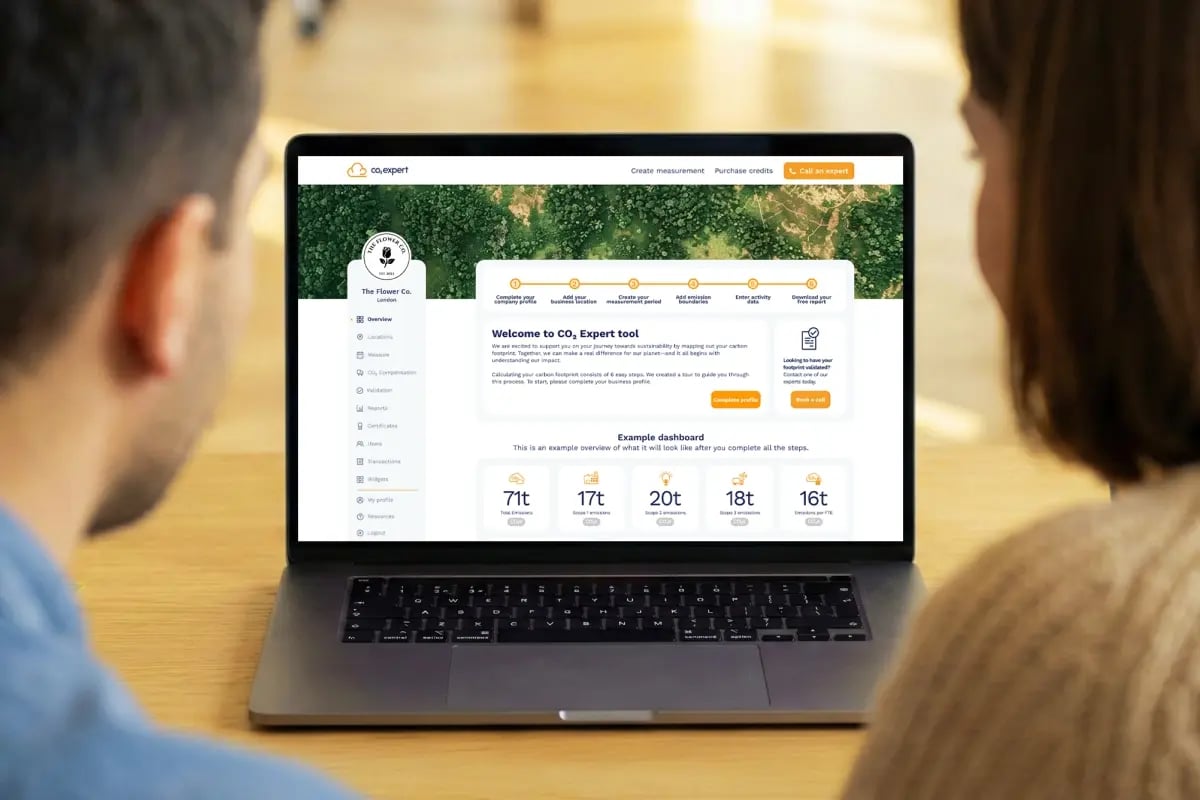 SME employees using a CO2 expert tool.
In practice, the CO₂ Expert tool provides the emissions data that your clients and partners need, giving you a solution to meeting CSRD-driven expectations without building new internal systems.

The simple path to staying buyer-eligible in the CSRD age
For many SMEs, the concern is how to keep up with buyer expectations without slowing down the business. Large companies need accurate carbon figures and the assurance that these figures hold up under audit, and suppliers need a practical way to meet these expectations without building new systems from scratch.
The good news is that staying buyer-eligible doesn’t require mastering the CSRD rulebook. It comes down to a simple, step-by-step process with the right partner by your side:
- You collect your basic operational data—energy use, transport, purchased goods, and other relevant activities.
- We generate a clear, structured carbon footprint covering Scope 1–3.
- We ensure the methodology behind the numbers is documented, because buyers need accurate emissions data and a transparent evidence trail they can submit to auditors.
- You share the verified results with procurement teams before their reporting deadlines.
The CO₂ Expert tool fits directly into this workflow. It gives SMEs a straightforward way to provide audit-ready emissions data to large clients, the kind of data such big companies can immediately plug into their CSRD reporting without follow-up questions or delays.
In practice, this means SMEs can stay in the tender pipeline, meet buyer expectations, and respond to CSRD-driven requests with confidence, all without expanding internal teams or diverting resources from daily operations.
Read more: The VSME Standard for SMEs: Simplified ESG reporting in the EU
Your buyer is already preparing. Now it’s your move.
Across Europe, large companies are already deep into their CSRD reporting cycles. They are refining their systems, collecting Scope 3 data, and tightening procurement rules to meet rising audit expectations. For suppliers, the message is simple: Your clients are moving fast, and they need accurate, verified emissions data to stay compliant.
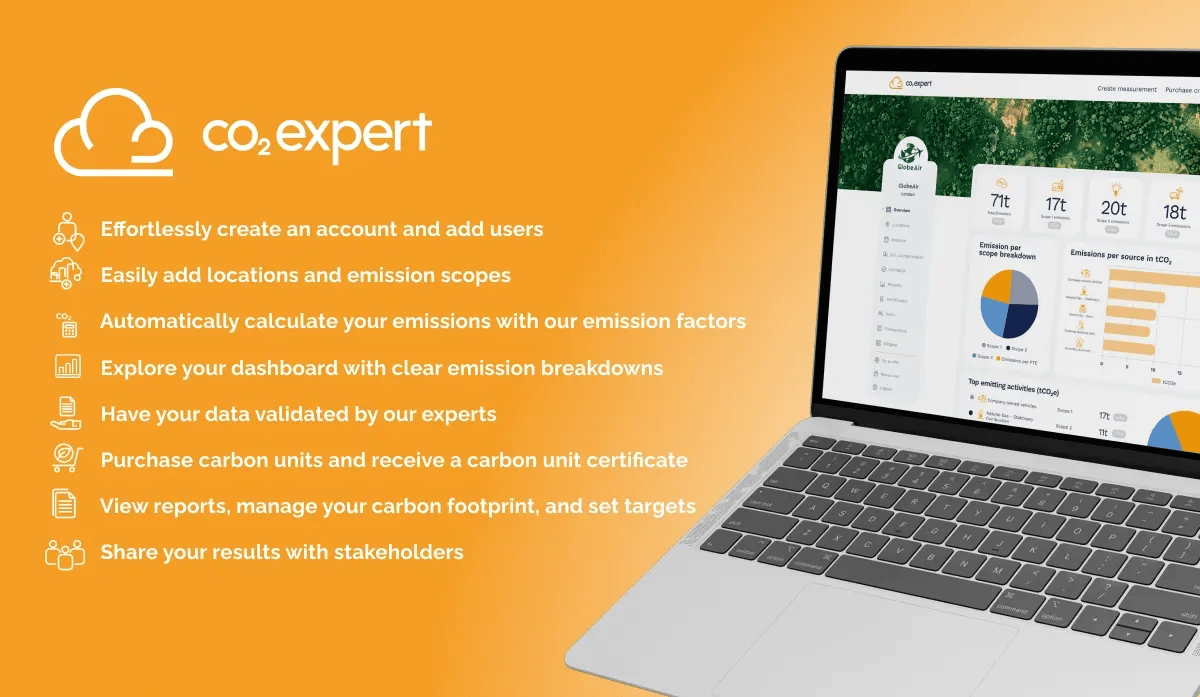 CO2 expert tool benefits.
The good news is that you don’t need a sustainability team or a complex internal process to keep up. You only need the right information, delivered in the right format, at the right time. And that’s exactly what CO₂ Expert tool is built to do—give clients the reliable carbon data they require and give SMEs a straightforward way to provide it.
CSRD is changing how supply chains operate, but it doesn’t have to disrupt your business. With the right tools in place, you can stay tender-eligible, protect your client relationships, and meet new expectations with confidence. Your buyers are preparing for 2026. With CO₂ Expert tool, you can be ready too.