Tree planting
Ecosystem
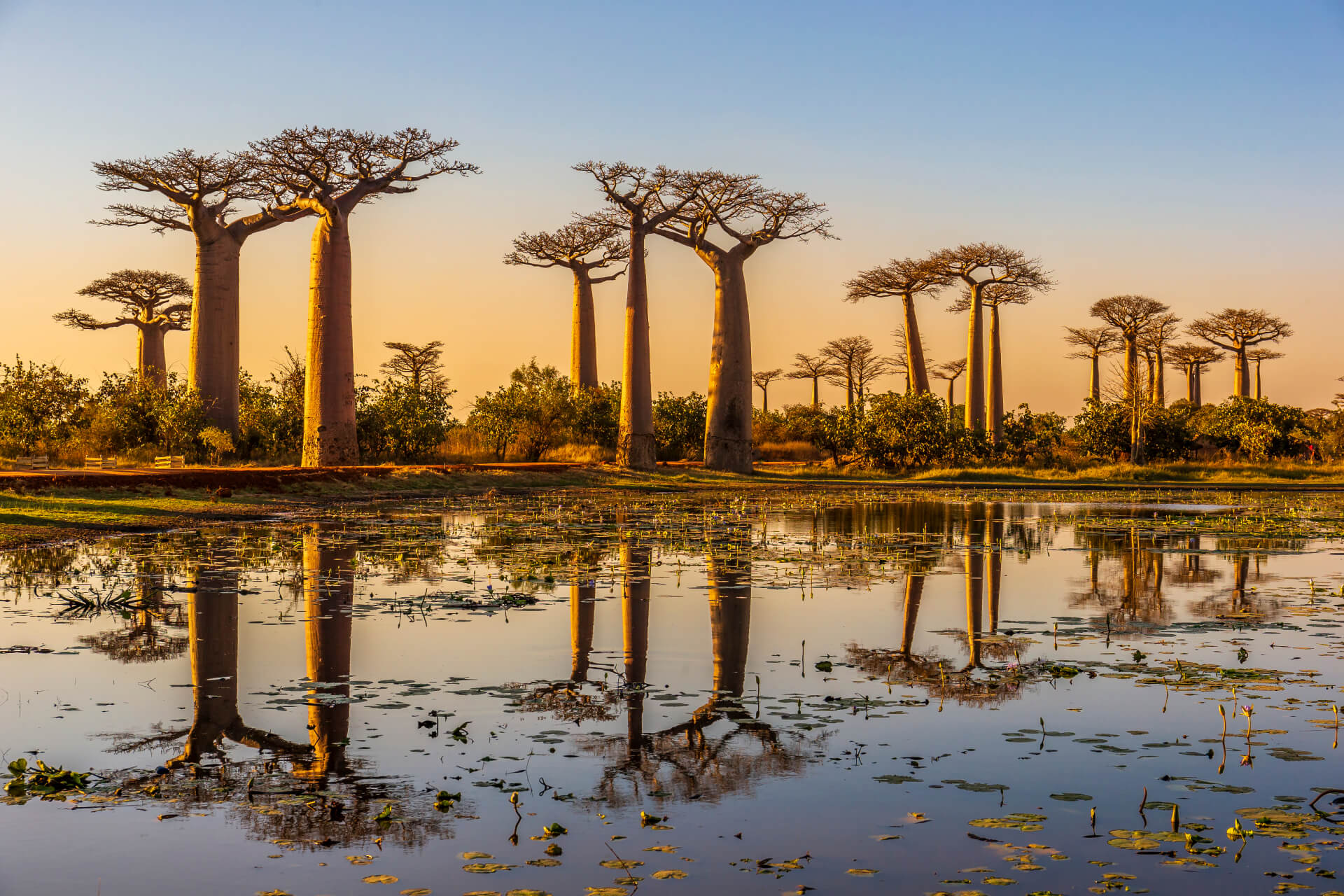
There are certain times when trees slip out of our awareness. Trees are undoubtedly natural wonders that are vital for our survival as they provide several natural resources such as oxygen, food, shelter etc. Approximately there are 100,000 different species of trees comprise almost a quarter of all living plant species across the world. However, there are a few types of trees found in different parts of the world, that are exceptionally beautiful or even strange. Sometimes it is almost impossible to believe their existence. They are indeed too amazing to get ignored.
Here in this article, we would be discussing eight of the rarest trees found on this planet.
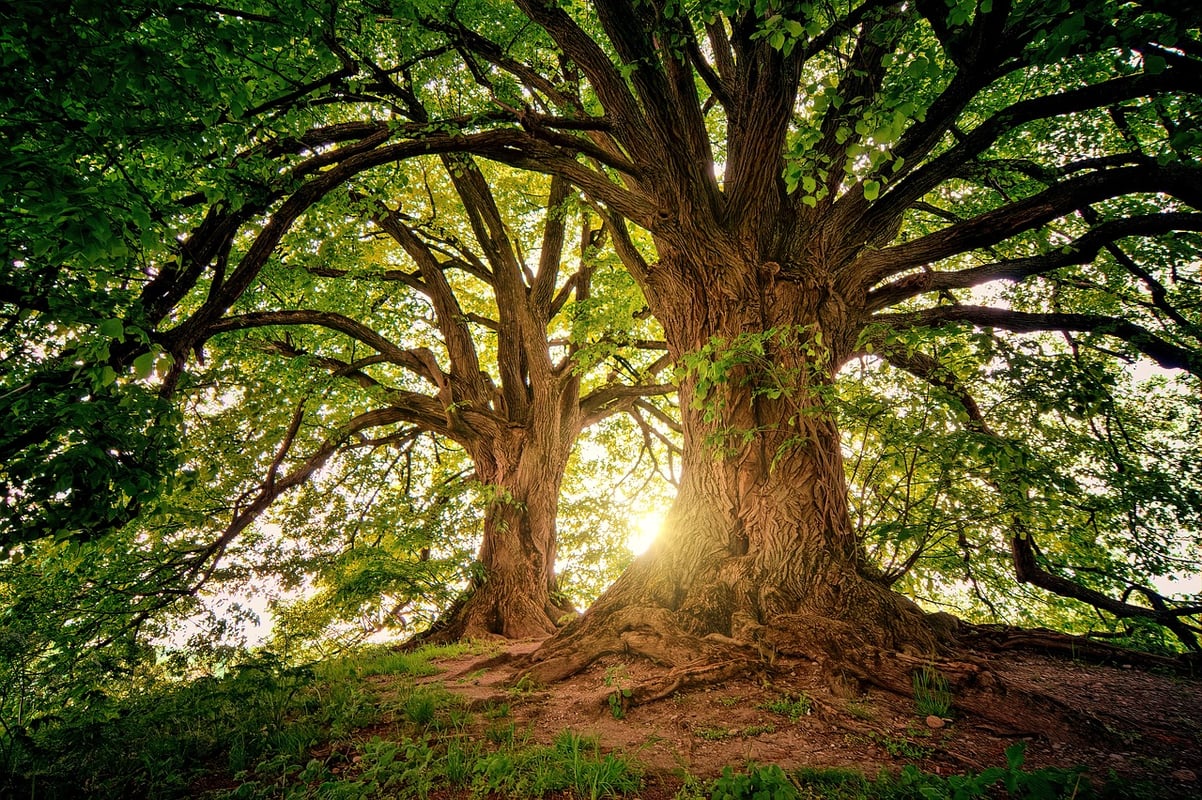
The Baobabs, central South Africa
The baobabs found in the central part of South Africa are among the world’s biggest and fattest trees around. So much so, that they look like they have been flung upside down. The baobabs can only be found across different parts of South Africa, Zimbabwe and Madagascar.

Kauri tree, New Zealand
The towering Kauris found in the northern part of New Zealand can grow up to 45m or 150ft tall. They generally stand like big columns in the forest region and their colossal mottled trunks are uninterrupted by branches until and unless they clear off the whole understory.
Silver birch, Finland
The silver birch is a medium-sized deciduous plant that owes its name due to its white peeling bark on the trunks. The silver birch particularly looks mesmerizing when covered with snow.
Yoshino cherry, Japan
The Hanami time, or Japan’s cherry blossom season, is particularly one of the world's best natural spectacles. This is partly because the Yoshino cherry blooms are very much beautiful and their flowers appear well just before the foliage.
Brazil nut, Bolivia
Oddly, one of the best places to see the brazil nut tree is in the forests of Bolivia. They are tall, and massive and come with impossible straight trunks. One needs to get hold of a binocular in order to see its large and white flowers.

Traveller’s Tree, Madagascar
Most of the trees, plants and animals found in Madagascar have now evolved in their own unique way. The traveller’s tree has got its name for its breathtaking and almost ridiculous fan of leaves. It is further reputed to orientate itself such that it can be used as a compass.
Rhododendron shrub, Canada
The rhododendron shrub of Canada is always evergreen, azaleas and deciduous in nature. These plants range from creeping shrubs to different medium-sized trees having saucer-like bell-shaped flowers that are usually red, pink, mauve, purple, or orange in colour.
The Cannonball tree, northeastern South America
The cannonball tree is a deciduous type of tree in the flowering plant family of Lecythidaceae. It is generally native to the tropical forests of South and Central America and is also cultivated in different parts of the world. Furthermore, the fruits of these trees are brownish grey in colour and this tree has several religious and cultural significance in India.
Read more: Reforestation: 10 amazing benefits of planting trees
Why rare trees stay rare
What these trees have in common is not just their strangeness. Each survives because one particular habitat has stayed intact long enough. Rarity is usually a symptom: when habitat shrinks, the species found in only one place are the first to run out of room.
At Green Earth, we develop and manage nature-based solutions that restore that habitat, including afforestation, reforestation, and revegetation projects that put native species back into land that has lost them. We run each project ourselves, from planting to independent verification, and they issue verified carbon credits. Buying one funds the seedlings, the monitoring, and the local livelihoods that keep a restored forest standing.

Every credit funds a place where trees like these have room to grow.