
Carbon neutral
Net zero
Carbon emissions
Ben & Jerry's joined the global eco-conscious collective by making a grand gesture to reach their goal to cut greenhouse gas emissions to 50 percent of the average industry emission. Moreover, the company plans to do it by 2024.
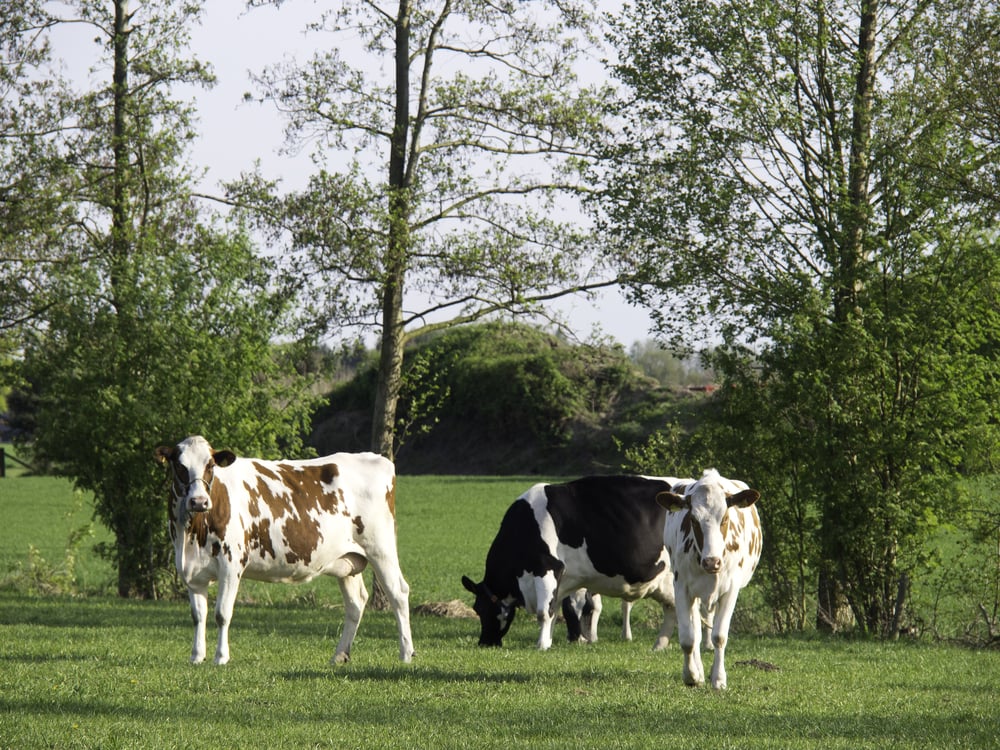
Ben & Jerry's "Project Mootopia" will expand to 15 dairy farms across the US and Netherlands to reduce CO2 emissions and tackle the devastating effects of climate change. If their methods prove effective, the initiative with the target of 1.5°C by 2030 will spread across Ben&Jerry's global supply chain.

"This approach to dairy farming could be a game-changer. It has the potential to make a meaningful reduction in emissions on dairy farms and help fight the worst effects of climate change. However, all of us, especially businesses, must take action before it's too late and the climate crisis makes our world uninhabitable", said the Global Sustainability Manager for Ben & Jerry's, Jenna Evans.
Ice cream production also leaves a considerable carbon footprint
Ben&Jerrys gathered the data on their GHG emissions and estimated their CO2 footprint, including the facts about what part of their ice cream process produces the most carbon footprint yearly. In fact, the company published its findings.
So here's why they found out:
- Dairy accounts for approximately 53% of Ben and Jerry's carbon footprint, while all the other ingredients make an additional 21%;
- The production leaves only 1% of GHG emissions, but the transport leaves another 7%;
- One pint of Ben & Jerry's produces approximately 3.4 pounds of CO2e, which stands for "emissions intensity";
- Once they got the data, Ben & Jerry's decided to set their targets with the Science-Based Target initiative (SBTi) to reduce GHG emissions.
"That means we're held accountable to hitting actual numbers." they wrote on their website.
Instead of discussing the net-zero efforts, which Ben & Jerry's considers vague and dubious, the company decided to stick with science and their SBTis. Therefore, the famous Unilever brand is committed to reducing:
- scope 1 and 2 GHG emissions 100% by 2023
- value chain GHG emissions 40% per pint sold by 2025
To do that, Ben & Jerry's decided to implement regeneration and new technologies in their agricultural operations.
The most important goals will be:
- Facilities will use 100% of renewable energy by 2025
- The company will reduce its emission intensity by 40% by 2025
- By 2050, Ben & Jerry's will reduce their emissions intensity by 80%

To reach these milestones, the company decided to improve in these three main categories:
1. Enteric emission
Cows produce valuable milk. But they also deliver massive amounts of methane, so Ben & Jerry's will use a new diet and pioneering rumen modifiers, which help digestion.
2. Manure
Using digesters and separators, the company will have less need for harmful fertilisers.
3. Feed crops
The company will use new practices to secure more homegrown grass and crops to keep their healthy soils. Also, they plan to increase carbon sequestration, reduce synthetic inputs and promote biodiversity.
Alongside implementing new green technologies, through the "Planet Mootopia" initiative, Ben & Jerry's will also continue with their top-notch animal wellbeing standards.
"Too often, corporations buy up carbon offsets from somewhere else to claim they are 'carbon neutral. Ben & Jerry's is taking a more meaningful and direct approach: attacking the systemic causes of climate change in its supply chain to achieve measurable, Science-Based Targets", said Taylor Ricketts of the Gund Institute for Environment at the University of Vermont.
The Climate and Nature Fund has given Ben & Jerry's $9.3 million for their "Planet Mootopia" regenerative dairy-producing technologies. Once proven, the world will enjoy their famously tasty but eco and climate-friendly ice cream.