
Tree planting
Forest
Ecosystem
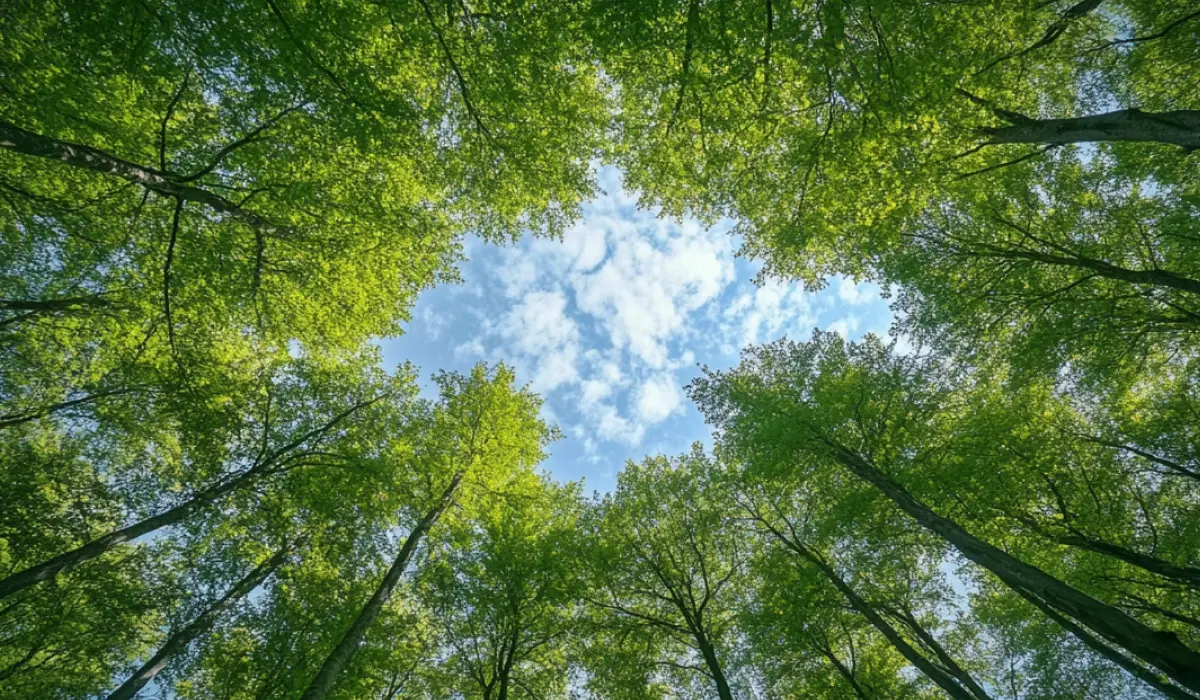
Forests cover approximately 31% of the world's total land area, yet this vast expanse is unevenly distributed across the globe. Remarkably, over half of the world’s forest cover is concentrated within just five nations: Russia, Brazil, Canada, the United States, and China. This article identifies the 10 countries with the most extensive tree cover and examines the ecological significance of these massive natural reserves.
The concentration of forest resources in a few key regions underscores the importance of coordinated international conservation and restoration. As these primary forests face ongoing pressure from industrial expansion and changing conditions, maintaining their integrity is essential for global environmental stability. Through high-integrity nature-based solutions and large-scale reforestation, we can support the continued resilience of these critical landscapes and the biodiversity they house.
Top 10 countries with the most trees
1. Russia
Russia isn’t only the biggest country by land area; it also has the largest number of trees. The overall size of the forest regions in Russia is approximately 8,249,300 sq. km. This is almost 45% of the country’s total land area.
2. Canada
The overall size of the Canadian forest region is approximately 4,916,438 sq. km. It covers almost 30% of the country’s total land area.
Read more: Sustainable forestry practices combatting deforestation in Canada
3. Brazil
The Amazon is the world's largest tropical rainforest, and almost 60% of it lies within Brazil. Brazil therefore has a large forest coverage of almost 4,776,980 sq. km, covering almost 56% of the country's overall land area.
Read more: Deforestation in the Amazon Rainforest: causes, effects, solutions
4. United States of America
The USA is covered by almost 3,100,950 sq. km of forests which accounts for 30% of its total land area.
Read more: Deforestation in the United States: causes, consequences, and cures
5. China
China has both a large population as well as land area. The Chinese territory has almost 2,083,210 sq. km of forest cover. However, the forests of China are being destroyed at alarming rates, especially due to mining and other modernisation techniques.
Read more: Carbon footprint offsetting strategies: How leading companies neutralise their emissions
6. Australia
With approximately 1,470,832 sq. km of forest land, Australia has about 19% tree coverage. This is mainly because most parts of the Australian continent consist of fertile or dry land where fresh water is limited.
7. The Democratic Republic of Congo
The DRC’s forest coverage is approximately 1,172,704 sq. km, and it is the only country in the region with so many trees. The forest coverage is equivalent to almost 52% of the country's total land area.
Read more: Beyond tonnes: How carbon credit co-benefits elevate value
8. Argentina
Most of Argentina's forests are located in the southernmost part of the country. The tree coverage is approximately 945,336 sq. km, covering almost 32% of the country’s total land area. The forests of Argentina are vital shelters for wildlife as well as a key attraction for tourists.
9. Indonesia
Although Indonesia is relatively small in size, it has almost 884,950 sq. km of forests. This is almost 46% of its total land area. Indonesia's trees provide shelter to various wildlife species and thrive due to the high rainfall in the country.
Read more: Net zero needs nature: a carbon credit guide
10. India
India is one of the world's biggest countries and is home to many trees. India is covered by almost 802,088 sq. km of different types of trees. These trees provide shelter to wildlife and are also a great source of natural medicines.
Trees are vital to our survival—so let's plant more of them
Trees play a vital role in our planet's health, and we must work towards protecting and planting more of them. It is encouraging to see countries like Russia, Canada, and Brazil with a high number of trees. Still, we must continue prioritising reforestation efforts in areas that have experienced deforestation.
At Green Earth, we recognise the vital role of trees and natural habitats in supporting biodiversity and providing essential ecosystem services. We manage large-scale reforestation and nature-restoration projects worldwide that involve planting trees and promoting sustainable land-use practices that restore and protect vital habitats so local biodiversity can thrive.
By planting more trees, we can combat changing environmental conditions, improve air quality, and provide habitats for endangered species. Let's all do our part in protecting our planet and contributing to a greener future. Whether through planting trees, reducing your footprint, or investing in nature-based projects to address your business's impact, you can make a difference.