
Biodiversity
Carbon neutral
Carbon emissions
Trees
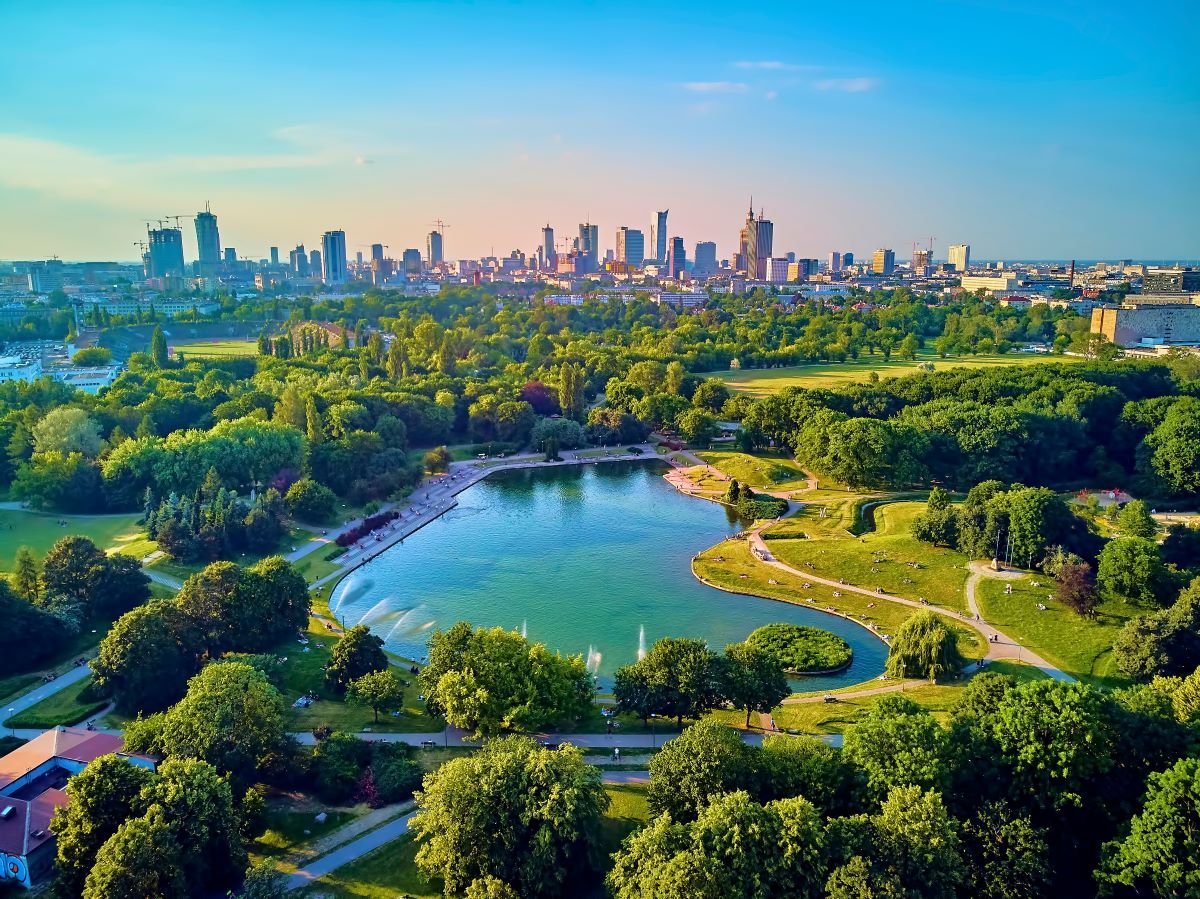
As global urbanisation continues to accelerate, the integration of nature into city planning has become a critical indicator of a metropolis’s future viability. A 'green city' is no longer defined merely by its number of parks, but by its systemic commitment to environmental stability, energy efficiency, and the well-being of its residents. In this article, we examine the world’s leading green cities that are successfully transitioning from traditional concrete landscapes to resilient, nature-positive urban centres.
The success of these urban trailblazers provides a blueprint for how large-scale nature-based solutions can be adapted to the most densely populated environments on Earth. By prioritising biodiversity and reducing their collective carbon footprint, these cities demonstrate that economic prosperity and ecological health are not mutually exclusive. Understanding these models of sustainability allows individuals and organisations to recognise their own role in supporting the transition toward a greener, more sustainable global future.

Here, we have compiled a list of the top 10 green cities in the world, updated for 2023.
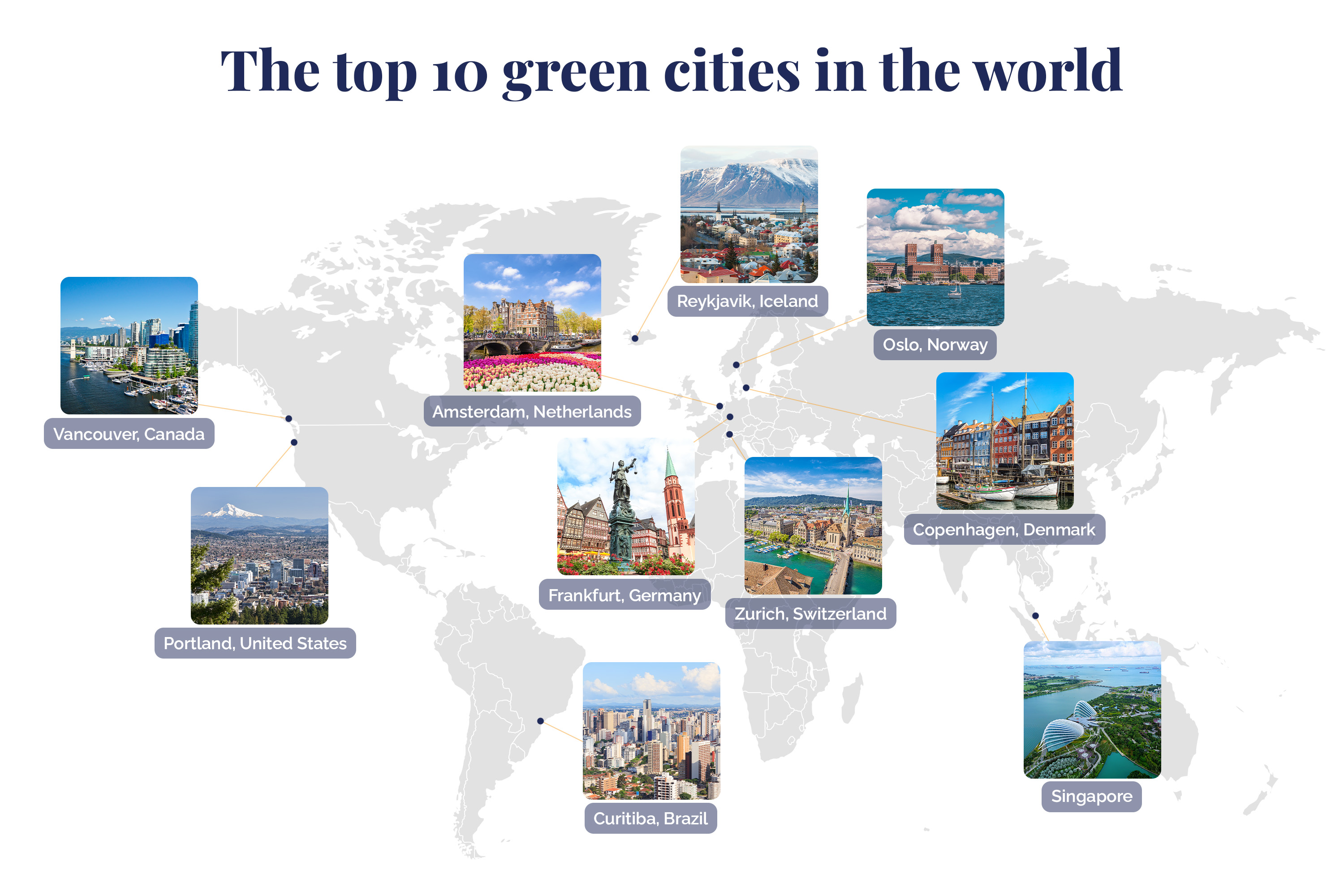
1. Copenhagen, Denmark: Known for its bike-friendly streets and commitment to carbon neutrality, Copenhagen has long been considered one of the greenest cities in the world.
The city has set a goal to be carbon neutral by 2025. It has already made significant progress by increasing the use of renewable energy sources and implementing green transportation options such as bicycles and electric cars.
2. Amsterdam, Netherlands: Amsterdam is another city that prioritises sustainability and green transportation.
The city's famous network of bike lanes and waterways makes it easy for residents and visitors to get around without relying on cars. Amsterdam also has a strong focus on preserving and restoring its natural ecosystems.
Read more: Industries with the biggest nature footprints and what their decarbonisation looks like
3. Frankfurt, Germany: Frankfurt has made significant investments in green technology and infrastructure in recent years, earning it a spot among the top green cities in the world.
The city's public transportation system is one of the most eco-friendly in Europe, and it also boasts a number of green buildings, such as the headquarters of the European Central Bank, which is designed to be energy-efficient.

4. Vancouver, Canada: Known for its stunning natural setting and commitment to protecting the environment, Vancouver is one of the greenest cities in North America.
The city has a goal of becoming carbon neutral by 2050 and has been implementing a number of initiatives, such as expanding its network of bike lanes, to help achieve this goal.
5. Portland, United States: Portland has a long-standing reputation as a green city, and for a good reason. The city has a strong focus on sustainable transportation and has implemented a number of initiatives to promote the use of public transit, biking, and walking.
Additionally, Portland has been working to increase the amount of green space in the city and to protect its natural ecosystems.
Read more: The hidden strength of nature-based credits in corporate decarbonisation strategies
6. Singapore: One of the greenest country-cities in the world, Singapore has a very ambitious target to become a 'City in Nature' by 2030.
Singapore has made investments to enhance biodiversity in the country, improve air and water quality, and combat changing environmental conditions. The government also invested in sustainable housing, transportation, and waste management solutions.
Read more: Reduce, reuse, recycle: 7 ways for businesses to reduce waste
7. Zurich, Switzerland: Known for its high quality of life and picturesque setting, Zurich is also a leader in sustainable urban development.
The city has set ambitious goals for reducing its carbon emissions and has been working to promote sustainable transportation options such as trams, buses, and trains. Additionally, Zurich has been preserving and restoring its local ecosystems, making it a particularly green city.

8. Oslo, Norway: Oslo has a goal of becoming a zero-emissions city by 2030 and is well on its way to achieving that goal. The city has invested heavily in electric cars, with over 50% of new cars sold in Oslo being electric.
Additionally, the city has implemented a number of measures to encourage sustainable transportation, including bike lanes and pedestrian-friendly streets. Oslo also uses 100% renewable energy to power its public transportation system.
Read more: Balancing portfolios: Nature-based vs renewable carbon credits
9. Reykjavik, Iceland: Reykjavik is one of the most sustainable cities in the world, thanks to its use of geothermal and hydroelectric energy.
The city gets 100% of its electricity and heat from these renewable sources, making it one of the greenest cities in the world. Reykjavik also encourages sustainable transportation, with many bike lanes and a car-free city centre.
Additionally, the city has implemented a number of measures to promote energy efficiency, including insulating buildings and using LED lighting.

10. Curitiba, Brazil: Curitiba is a leader in sustainable urban planning and public transportation. The city's bus-rapid-transit system is considered one of the best in the world and has greatly reduced traffic congestion and air pollution.
Curitiba also has a number of green spaces, including parks and gardens, which help to improve air quality and mitigate the effects of changing environmental conditions. Additionally, the city encourages recycling and composting and has implemented a number of measures to promote energy efficiency.
Read more: Carbon footprint offsetting strategies: How leading companies neutralise their emissions
Green Earth—making the world greener
At Green Earth, we help to make the world a greener place by planting millions of trees through our large-scale reforestation and afforestation projects. Our projects are global, with a particular focus on Africa, where we plant trees and restore forests where it is needed most. Through our projects, we restore degraded lands and ecosystems, revitalise biodiversity, and empower communities through socio-economic benefits.
Green Earth's projects generate verified, top-tier carbon credits through the carbon emissions captured by the trees we plant. Carbon credits (also known as CO2 offset certificates) are a vital tool to restore nature as they fund these vital tree-panting initiatives and help individuals and organisations achieve carbon neutrality. By investing in our carbon credits, you invest in nature and help to create a greener world.