
Carbon sequestration
Nature conservation
Wildlife
Nature-based solutions
A recent study found that protecting and restoring wildlife populations could play a significant role in enhancing carbon capture and storage. According to the study, conducted by an international group of scientists, rewilding animal populations could facilitate the capture of an additional 6.41 billion tonnes of carbon dioxide every year. This is comparable to the potential carbon dioxide emissions reductions from solar, wind, and carbon sequestration in agriculture. The study examined nine wildlife populations and found that protecting or restoring these animal populations could provide 95% of the annual carbon capture needed to meet the 2015 Paris Agreement climate target.
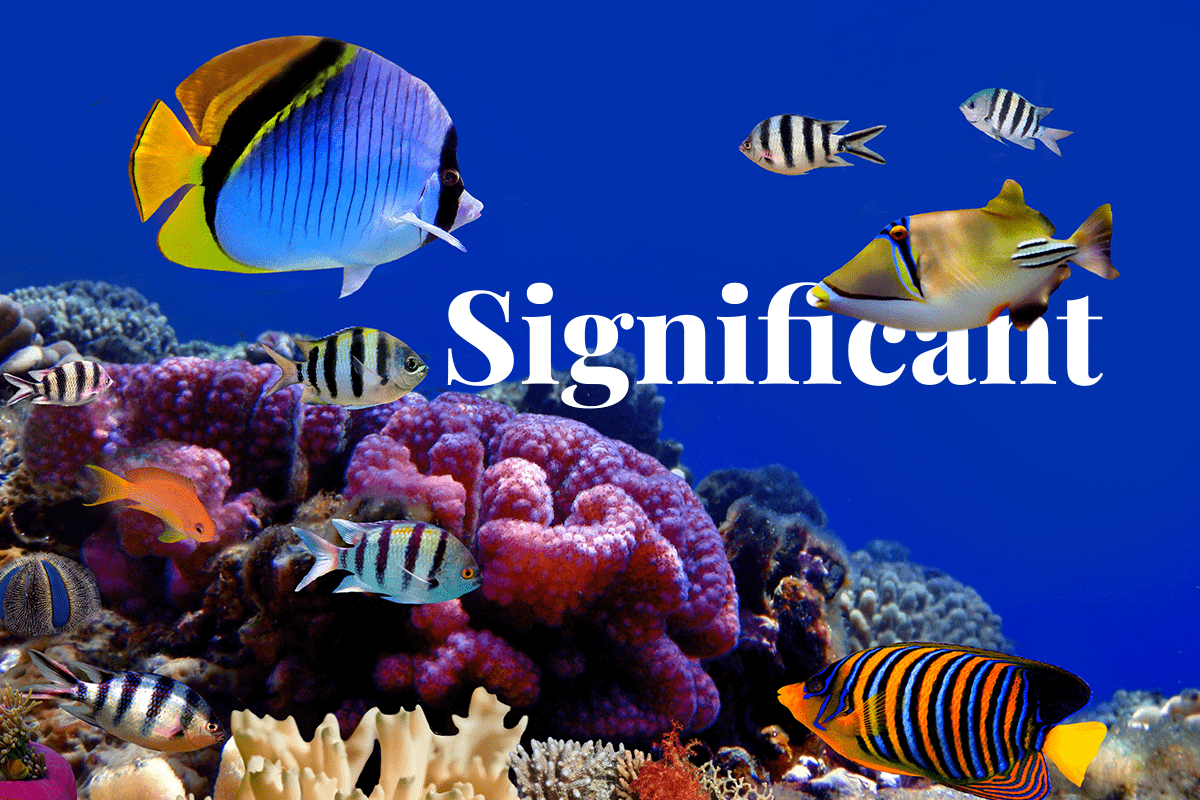 Underwater world. Coral fishes of Red sea.
Rewilding animal populations for the purpose of enhancing carbon capture and storage is a technique known as ‘animating the carbon cycle’. Implementing such an approach along with ecosystem protection and restoration measures recommended by the Intergovernmental Panel on Climate Change (IPCC) could double the emissions reduction mentioned in the IPCC report. According to the study’s lead author, Oswald Schmitz, wildlife species are ‘the missing link between biodiversity and climate’. In this case, rewilding can be among humankind's best nature-based climate solutions.
Read more: From the brink of extinction: four endangered species that made a comeback
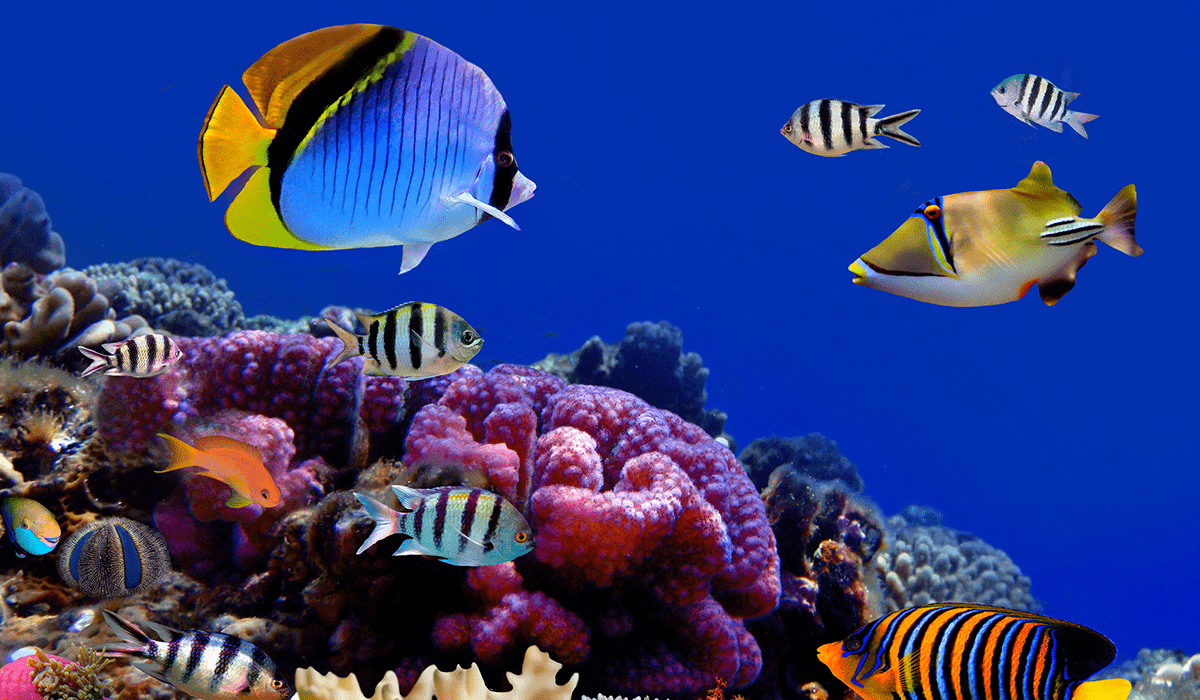
The study found that marine fish play a significant role in facilitating the capture and storage of 5.5 billion tonnes of carbon dioxide per year. However, over the past 50 years, human activities have reduced wildlife populations by almost 70%. The absence of animals could damage entire ecosystems by flipping them from carbon sinks to carbon sources. Therefore, restoring animal populations must be included in nature-based climate solutions to enhance their benefits.
DGB Group champions solutions for supporting wildlife conservation through nature-based solutions. Our projects aim to pave the way for a greener future and restore natural ecosystems supporting diverse flora and fauna. By partnering with local communities and organisations, we are committed to creating thriving habitats for wildlife to flourish. Our efforts in reforestation and wildlife conservation will contribute to the overall health and wellbeing of our planet.