
Carbon credits
Africa
Governments
Cookstoves
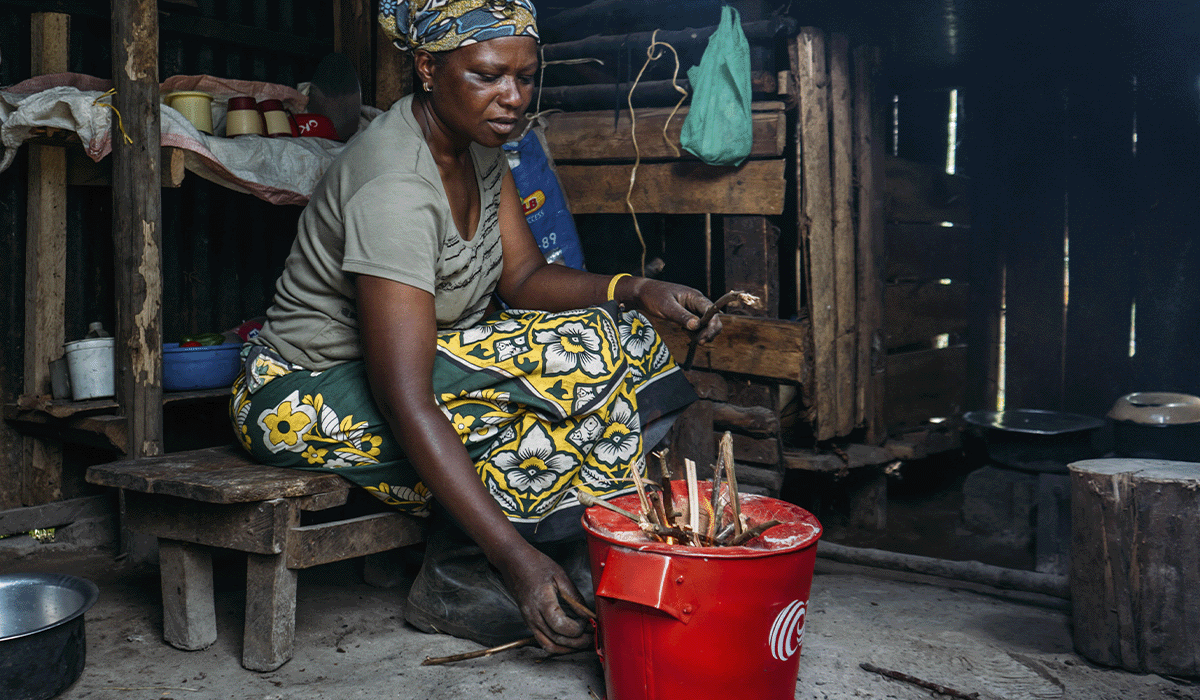
Countries in West Africa, notably Senegal and Ghana, are set to enter into agreements with Switzerland to sell carbon credits. These credits originate from projects that promote cleaner and more efficient cookstoves. The transaction is expected to fall within the range of $20 to $25 per metric tonne of carbon dioxide equivalent (mtCO2e).
.png?width=696&height=464&name=Senegal%20and%20Ghana%20strike%20carbon%20credit%20deals%20with%20Switzerland_a%20local%20woman%20using%20an%20energy%20efficient%20cookstove_visual%201%20(1).png) A local woman using an energy efficient cookstove, Hongera Energy Efficient Cookstoves Project, DGB.
A local woman using an energy efficient cookstove, Hongera Energy Efficient Cookstoves Project, DGB.
Under Article 6.2 of the Paris Agreement, countries can engage in cross-border exchanges of carbon credits, termed Internationally Transferable Mitigation Outcomes (ITMOs). This framework establishes a system for national greenhouse gas emissions accounting.
Senegal, in particular, has reportedly committed to providing Switzerland with 500,000 mtCO2e cookstove credits annually until 2030. The agreed-upon price is set at $22.50 per mtCO2e. The initial batch of credits is anticipated to be delivered within the next six months.
Read more: Ultimate guide to Africa’s 47 afforestation and reforestation projects
These carbon credit transactions are aimed at contributing to each country's environmental goals. A portion of the emissions reductions will count towards Senegal's Nationally Determined Contributions (NDCs), while Switzerland will also benefit. Discussions between the two nations are ongoing, encompassing additional projects such as solar mini-grid initiatives and agro-ecological ventures.
Similarly, Ghana is in advanced negotiations with Switzerland regarding cookstove credits, which are expected to be priced in the range of $20 to $25 per mtCO2e. In addition to cookstove projects, Ghana is actively pursuing other Article 6.2 initiatives, including solar projects, energy efficiency schemes, and building efficiency projects. The country is also working on 'green cooling' projects to enhance the efficiency of air-conditioning systems.
Read more: Indonesia's carbon market debut furthers net-zero goals
Furthermore, renewable energy credits under Article 6 of the Paris Agreement are on the horizon, with Ghana indicating a value of $10.00 per mtCO2e for sales to Switzerland. This rate reflects the relatively clean nature of Ghana's grid, resulting in higher pricing compared to standard renewable energy credits.
Additionally, negotiations involving Japan, Singapore, and Ghana are underway, hinting at a growing trend of international collaboration in the carbon credit market.
Read more: Igniting impact: scaling up the Kenya cookstoves project
DGB Group firmly believes that achieving lasting and beneficial transformation requires united efforts across various decision-making levels. Our collaborative partnerships encompass governmental bodies and local communities, working together to execute ambitious, nature-centric projects on a large scale. Our projects include energy-efficient cookstoves, reforestation, and afforestation initiatives. These endeavours are dedicated to environmental restoration and community upliftment, ultimately fostering the rejuvenation of diverse ecosystems and the vital rehabilitation of critical habitats.
Start making an impact today with DGB’s nature-based solutions