
Farming
Sustainable Agriculture
Case study
Paris Agreement
For over a century and a half, Chiquita has not only been synonymous with premium quality bananas but has also emerged as a trailblazer in environmental sustainability. The company's dedication to nurturing the planet is encapsulated in its Behind the Blue Sticker initiative, a comprehensive strategy that intertwines sustainability with every facet of its operations. This case study delves into how Chiquita's commitment to nature-based solutions and innovative agricultural practices sets a benchmark for the industry, fostering a healthier planet and supporting communities.
Sustainable agriculture: a core philosophy
Chiquita's sustainability journey is deeply rooted in its agricultural practices, guided by the ethos that efficient farming benefits not just the environment and society but also the bottom line. It understands the critical challenge of increasing agricultural yields by 40% to feed the projected 9.8 billion global population by 2050, all while conserving our fragile ecosystems.

Rejuvenation and organic practices
Chiquita has rejuvenated 59% of its land, enhancing yields by 20% from a high baseline, demonstrating the potential of sustainable farming methods. Moreover, a significant shift towards organic banana cultivation reflects Chiquita's strategy to expand commercially viable organic production, with a 50% increase in organic banana sales recorded in 2017.
Read more: How regenerative agriculture is transforming sustainable farming
Embracing natural systems and water conservation
The adoption of cover crops on a third of Chiquita's lands has led to a notable reduction in herbicide use by 36%, showcasing the company's dedication to minimising chemical inputs. Additionally, the implementation of water-smart technologies in packing stations, which has cut water consumption by at least 80%, exemplifies Chiquita's commitment to resource efficiency.
Read more: Trees are nature's water managers: the importance of trees in water conservation
Carbon footprint reduction and quality assurance
Chiquita's proactive measures extend beyond farm rejuvenation to its ‘30BY30’ programme, which commits the company to cutting Scope 1 and 2 carbon emissions by 30% by the end of 2030, against a 2019 baseline. That scope matters: it covers Chiquita's own operations rather than its full agricultural footprint. The target made Chiquita the first global fruit company to receive Science Based Targets initiative (SBTi) approval for its programme, aligning it with the Paris Agreement.
Biodiversity preservation and community engagement
Chiquita's leadership in biodiversity preservation is evident through its holistic approach, which includes direct biodiversity protection on its farms, minimising operational impacts, and fostering reforestation partnerships. The establishment of the Nogal reserve in Costa Rica and the San San project in Panama and Costa Rica exemplifies Chiquita's commitment to enhancing biodiversity, protecting ecosystems, and engaging communities in conservation efforts.
The Nogal reserve stands as a testament to Chiquita's dedication to biodiversity conservation. Founded in partnership with local stakeholders and overseen by environmental certifications, the reserve serves as a sanctuary for wildlife, demonstrating the positive impact of corporate-environmental alliances.
Similarly, the San San project underscores Chiquita's role in community development and environmental protection. This initiative has contributed significantly to the conservation of biodiversity and has supported the development of local communities, showcasing the power of public-private partnerships in achieving sustainable development goals.
Read more: Farming's new frontier: agroecology in action
A sustainable journey starts with the farm
Chiquita's journey towards sustainability is a beacon of how nature-based solutions can be effectively integrated into corporate practices to support global efforts in supporting nature conservation, preserving biodiversity, and fostering sustainable development. Through its innovative practices and commitment to environmental stewardship, Chiquita ensures the production of high-quality, sustainable bananas and contributes significantly to the planet's health and the prosperity of future generations. This case study exemplifies the transformative power of aligning business operations with ecological preservation and community engagement, offering valuable insights for companies aiming to navigate the path of sustainability.
That work now has a number attached to it. In its 2024/25 sustainability report, Chiquita identified 757 hectares of forested land on its own holdings for carbon sequestration, alongside continuing research into lowering on-farm emissions through its Farmers' Code programme and systematic farm rejuvenation.
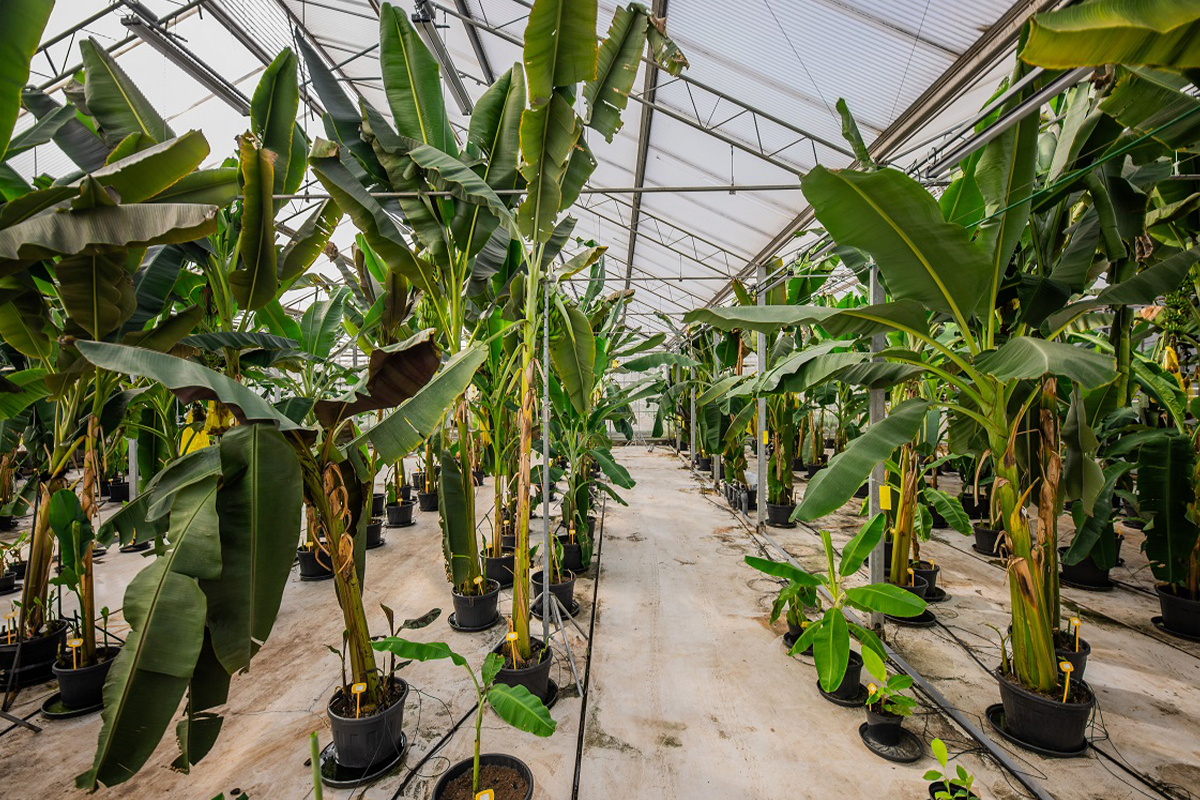 Yelloway, banana variety, is an effort to safeguard banana production and reduce carbon emissions. Source: chiquita.com
In an era where environmental concerns and the need for food security intensify, sustainable agriculture emerges as a viable path towards sustainability. Green Earth’s nature-restoration efforts are anchored in the belief that intertwining nature with innovation and adhering to sustainability principles pave the way for a more prosperous future for everyone. Our nature-based initiatives are rooted in diverse, sustainable farming methods, including agroforestry and regenerative agriculture. We are committed to protecting biodiversity and preventing habitat degradation through large-scale reforestation, restoring degraded lands, and carefully selecting species for cultivation. Furthermore, we empower local communities to adopt and sustain eco-friendly agricultural practices, ensuring the enduring impact of our projects.