
Kazakhstan
Paris Agreement
Asia
Article 6
Forestry
Kazakhstan has adopted a detailed set of operating rules for cooperative carbon markets under Article 6 of the Paris Agreement, opening a clearer route for project developers and placing forestry among the country's priority areas for investment.
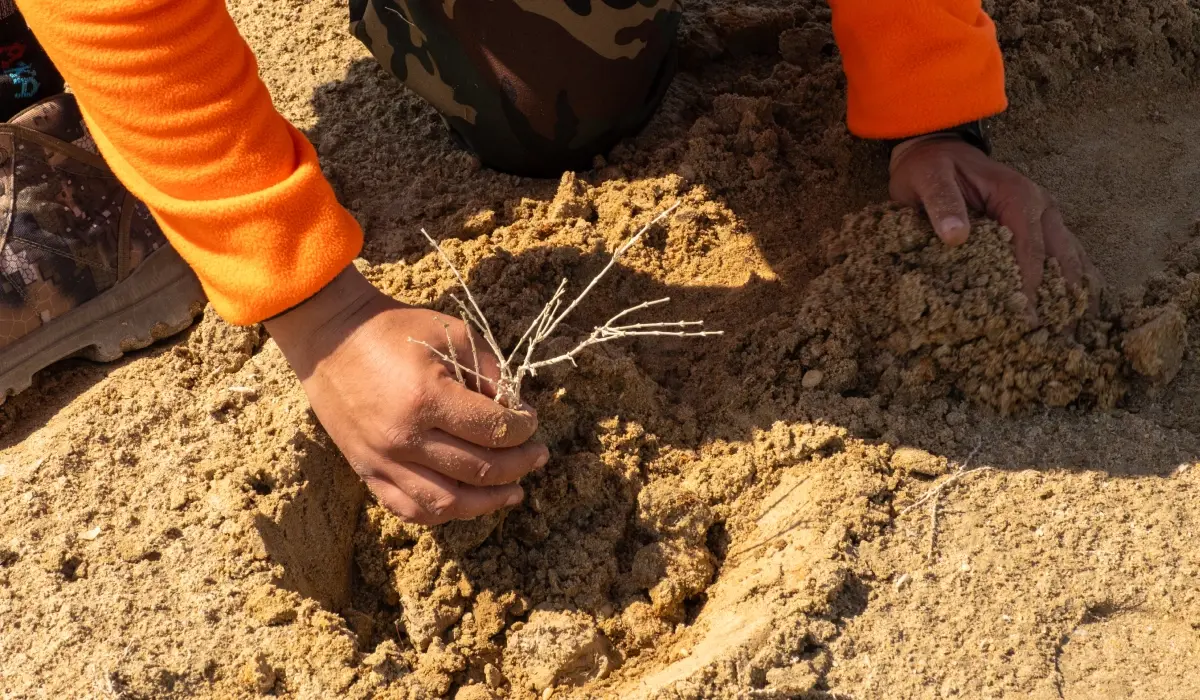
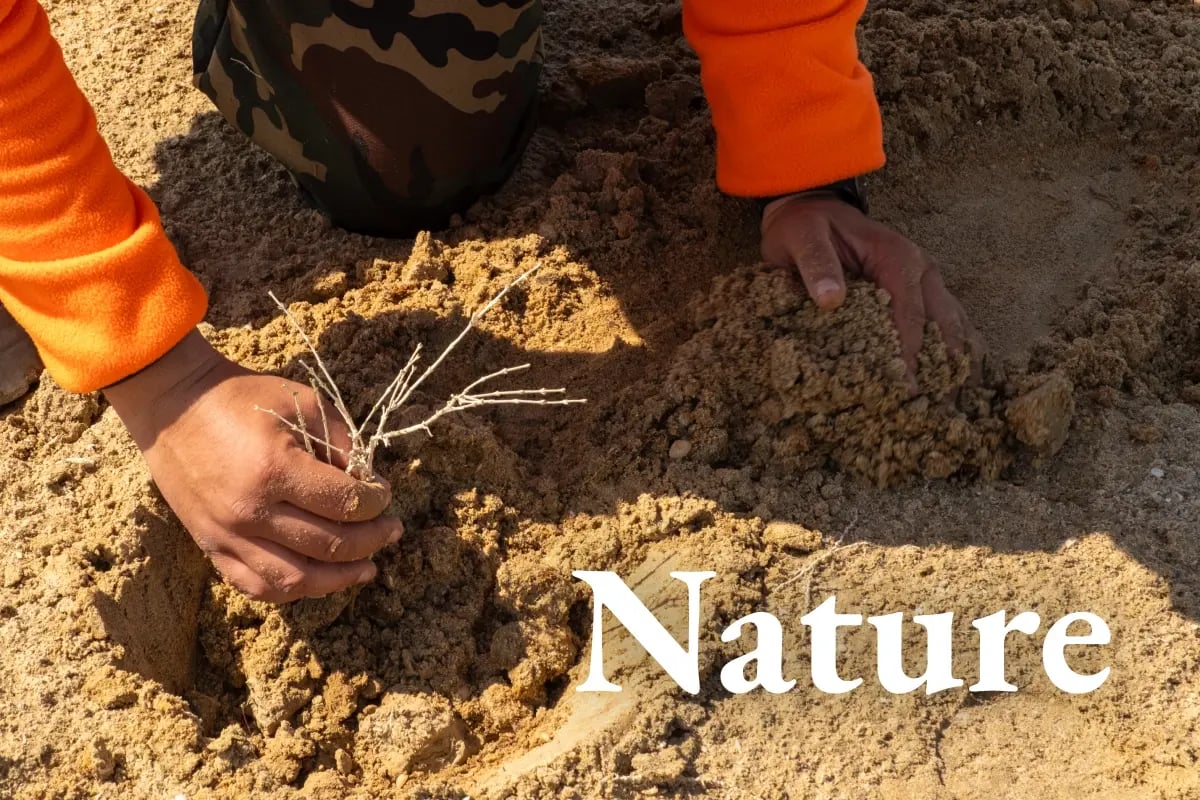 Green Earth team member planting saxaul trees on the dried bed of the Aral Sea in Kazakhstan. Greening of the Dried Aral Sea Project, Green Earth.
The government adopted the implementing regulation, an order under the country's Environmental Code, at a recent launch event in Astana. It gives potential investors defined procedures for project applications, credit authorisations, and the timelines for reaching tradeable credits. The order operationalises amendments to the Environmental Code that President Kassym-Jomart Tokayev signed into law in July 2026.
Forestry sits close to the centre of the country's plans. One international expert at the event in Astana pointed to Kazakhstan's substantial cumulative tree coverage, across a territory that spans two time zones and several distinct geographies, emphasising that “there is enormous focus on forestry”.
Read more: Kazakhstan sets legal basis for Article 6 carbon trade
The rules set out priority areas across the economy, and the agriculture and forestry category is broad. It covers reforestation and afforestation, biochar, the restoration of degraded pastures, and higher soil organic carbon in arable land. The order also opens a parallel pathway for existing voluntary carbon projects, particularly nature-based ones, to convert into Article 6 and international credits, giving established forestry and land-restoration work a defined route into the new framework.
The framework arrives as more countries move to authorise credits under Article 6, and the clarity it brings puts the spotlight on the standards behind each project. For forestry and land-restoration developers in Kazakhstan, a clear route to international credits raises the value of work that can already demonstrate verified impact.
Read more: Net zero needs nature: a carbon credit guide
As Article 6 markets open across new jurisdictions, the standards applied to carbon credit development become the measure of a project's value. Green Earth develops large-scale nature-based carbon projects accredited to leading international standards, with full supply-chain oversight from design and implementation through to long-term monitoring and credit issuance. In Kazakhstan, the Greening of the Dried Aral Sea Project is restoring the dried banks of the Aral Sea through saxaul planting, delivering verified impact across ecosystems, communities, and biodiversity. As Kazakhstan sets the rules of participation, Green Earth's work on the ground is already built to meet them.