
Carbon offsetting
Microsoft
Carbon trading
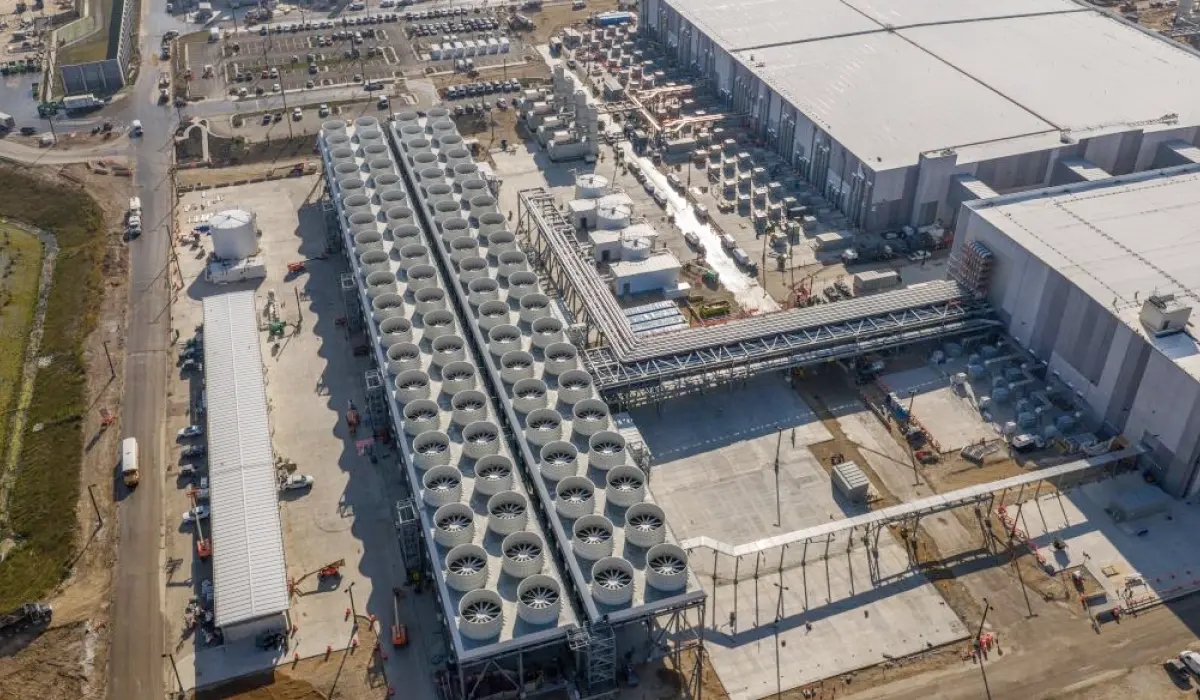
Microsoft's total emissions reached 20.29 million tonnes of carbon dioxide equivalent in its 2026 Environmental Sustainability Report, a 25% rise from the 16.2 million tonnes recorded the previous year. The increase raises challenges for the technology company in achieving its pledge to become carbon negative by 2030.
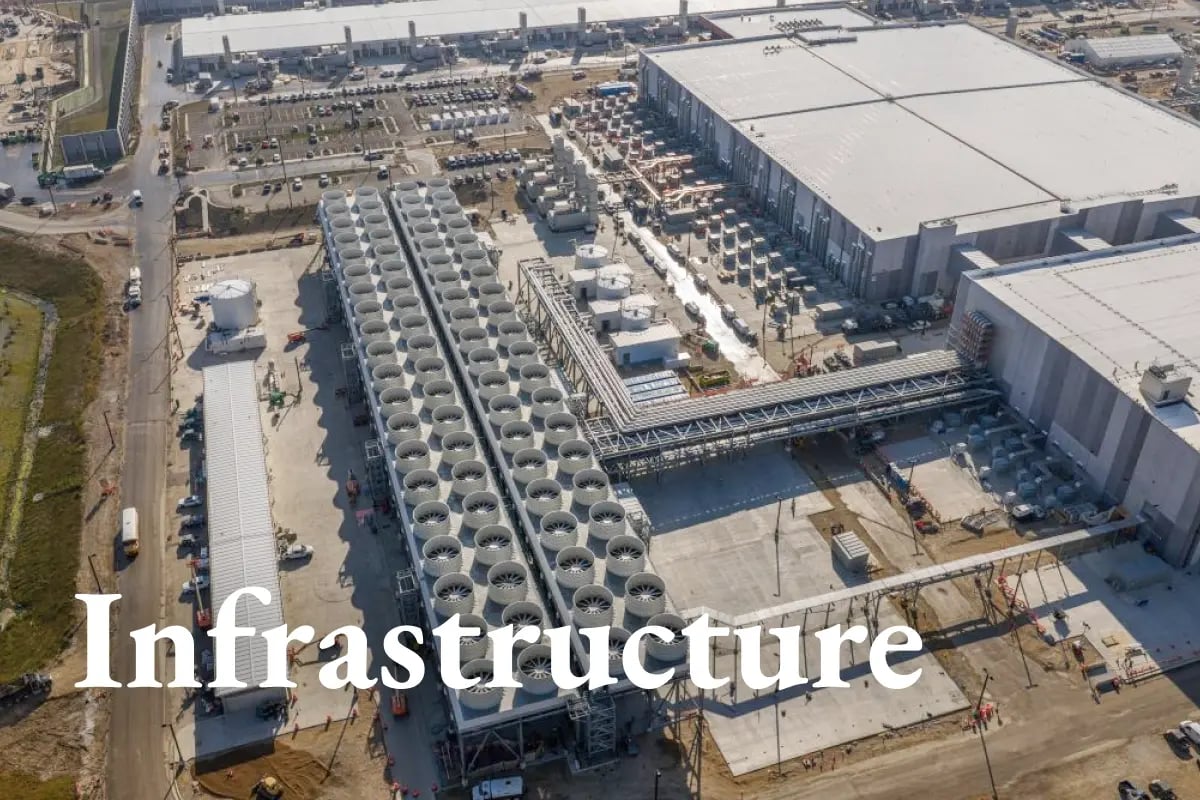 Aerial view of Microsoft’s new AI datacenter campus in Mt Pleasant, Wisconsin. Source: https://blogs.microsoft.com/blog/2025/09/18/inside-the-worlds-most-powerful-ai-datacenter/
The report, which covers Microsoft's 2025 fiscal year, attributes the rise mainly to the rapid expansion of its data centre infrastructure to meet demand for artificial intelligence (AI). A second factor is the decision to pause its use of unbundled renewable energy certificates, which it had previously counted against its electricity use. Scope 2 emissions, tied to purchased electricity, saw the largest jump.
In the report foreword, President Brad Smith and Chief Sustainability Officer Melanie Nakagawa write: "While AI infrastructure is driving demand for energy, water, land, and materials, sustainability solutions are not scaling fast enough to meet demand." Microsoft set its 2020 goal to remove more carbon than it emits within a decade.
The report also sets out where the company delivered. In its 2025 fiscal year, Microsoft matched 100% of its global electricity use with renewable energy and, for the first time, replenished more fresh water than it withdrew. It reused or recycled 92% of its decommissioned cloud hardware for a second year running, and its clean power agreements now reach 40 gigawatts across 26 countries. Microsoft estimates that without the reduction measures already in place, its emissions would stand at around 34 million tonnes.
Read more: The real cost of 1 tonne of CO2: Translating carbon into hectares
The pressure extends across the sector. The International Energy Agency (IEA) projects that emissions from data centre electricity use will climb from 180 million tonnes today to 300 million tonnes by 2035 in its base case, placing data centres among the fastest-growing sources of carbon emissions.
Microsoft has become the largest buyer in the market for durable carbon dioxide removal (CDR). A CDR.fyi report found that, as of 13 April 2026, the company accounted for 36,439,157 tonnes — 78.5% of all disclosed durable CDR volumes contracted to date. The concentration underlines how far the removal market still depends on a small number of large buyers.
Reports earlier this year suggested a slowdown in Microsoft's removal purchases. Nakagawa has since confirmed the programme continues, with its pace and volume prone to adjustment. Market actors across the sector are watching Microsoft's next moves, which could set the tone for high-quality carbon removal demand for the coming years.
Read more: Google reaffirms 2030 net-zero goal amid AI energy strain
Confidence in a carbon credit rests on the rigour behind it. Green Earth develops nature-based carbon projects at scale, accrediting each to leading international standards and retaining full supply-chain oversight — from initial design through to long-term monitoring and credit issuance. The result is verified environmental impact across ecosystems, communities, and biodiversity, produced under the highest levels of regulatory scrutiny.