
Forest
Wetlands
Water Conservation
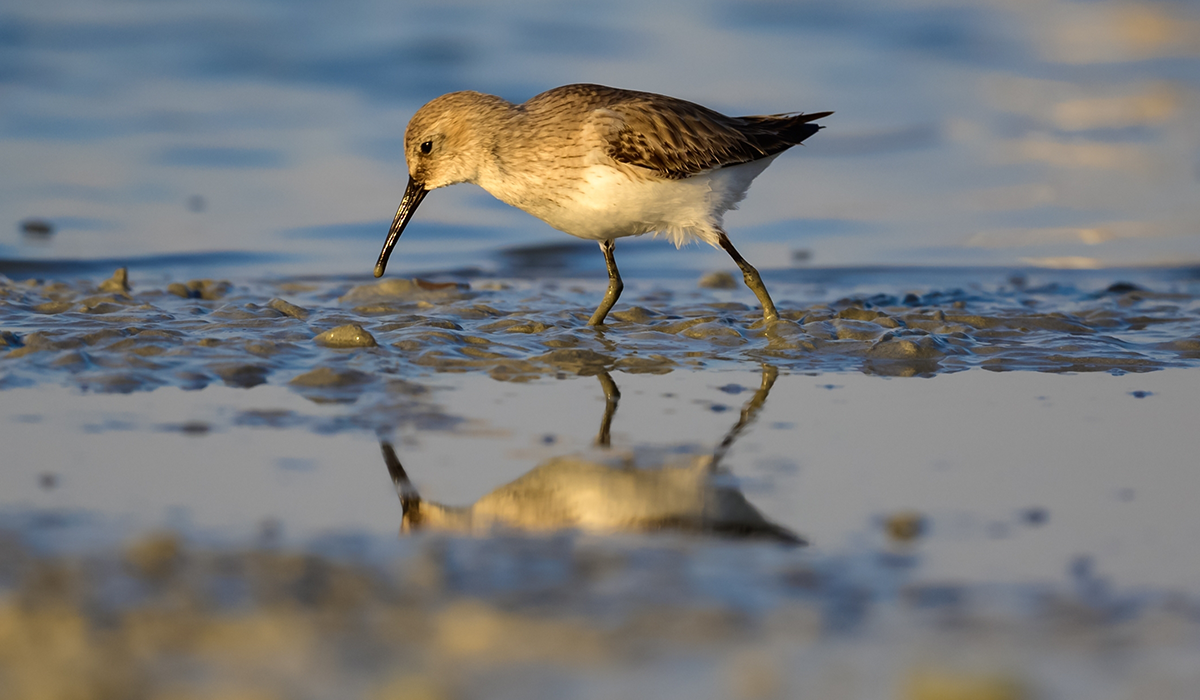
Isolated wetlands operate as pollution-catching powerhouses by filtering excess nitrogen produced by urban spaces and agricultural activities, protecting downstream waters.
A study team from the University of Waterloo, using satellite imaging and computer modelling, established evidence that these small, isolated wetlands could retain nitrogen and phosphorus due to their remote positions.
Wetlands have the capacity to behave as environmental sponges; by soaking up the water produced during rainfall or snowmelt, they can prevent flooding.
These sites enhance water quality, offer habitats to local species, boost biodiversity, and continuously sequester carbon. Despite being essential to the planet’s healthy ecosystems, these little, isolated wetlands are frequently the first to be discarded for construction or agricultural purposes.
The study team calculated nutrient retention using satellite imagery and computer modelling. It demonstrated that since these tiny wetlands are disconnected from one another, contaminants appear to become trapped.
The study team examined 3,700 wetlands spread across the United States across 30 years with satellite imagery to ascertain how they filled and emptied due to seasons and climate. The amount of nitrogen eliminated by these water bodies could then be calculated.
The Great Lakes basin and the prairie region in Western Canada are two areas where the researchers will use these tools to study Canadian wetlands. Such efforts will partly benefit from a $6.8 million fund from Environment and Climate Change Canada.
Forest lands and wetlands can create clean air and help reduce the effects of pollutants such as phosphorus and nitrogen. DGB Group develops large-scale tree planting and biodiversity projects to help restore nature and protect biodiversity. You can contribute to these projects and have a positive impact on the environment.