
Biodiversity
Nature conservation
Australia
Wildlife
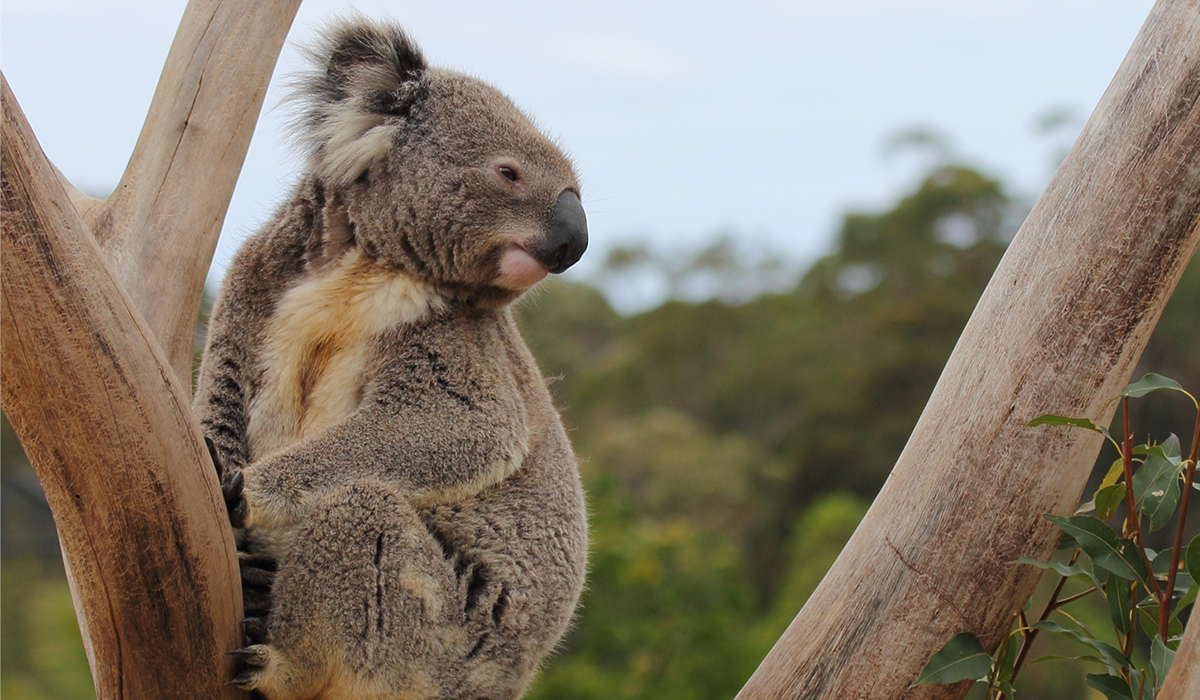
The Australian government introduced a new Nature Repair Bill to parliament, which will issue tradable certificates to landholders who undertake activities to increase biodiversity and repair the environment. These certificates will be tracked on a public register and can be sold to third parties such as businesses, governments, and individuals. The bill aims to protect and repair Australia's environment, with farmers, conservation groups, businesses, and local councils eligible to participate.
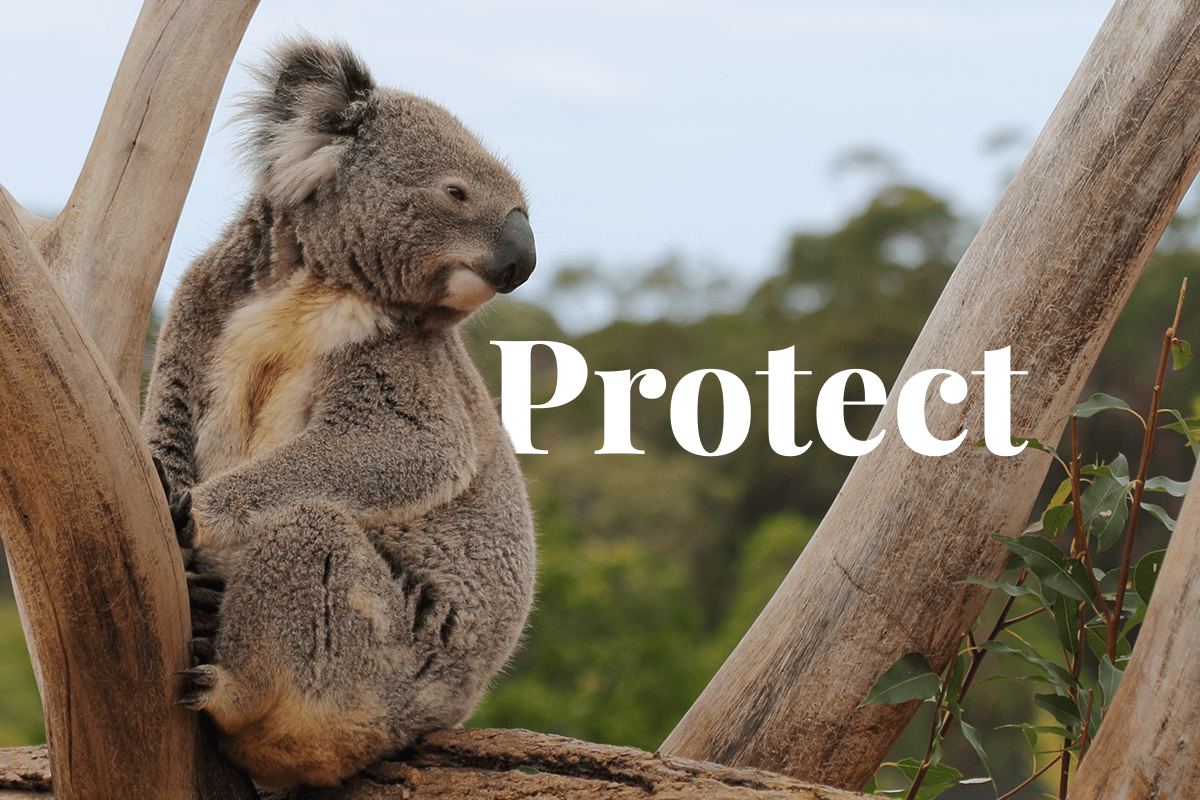 Koala resting on the tree. Wildlife park in Australia.
The concept of a biodiversity market was initially raised by the previous Coalition Government. It was continued by the Australian Labor Party (the major centre-left political party in the country), with public consultation taking place between December 2022 and March 2023. Agricultural industry members, including the National Farmers' Federation and the Australian Agricultural Company, made submissions to the bill. They expressed concerns that projects listed in the certificates would only receive one certificate, limiting their marketability. They recommended projects be issued credits in the same way as carbon credits.
However, Federal Environment Minister, Tanya Plibersek, said the government would proceed with the single certificate system, providing standardised information such as the land size repaired, work conducted, threatened species protected, and actions’ duration. Plibersek added the nature market would work alongside carbon credits to ensure a diverse range of biodiversity and support the planting of suitable trees in the right places.
Find out how you can start a project on your land
Gary Wyatt, Managing Director of Corporate Carbon, one of Australia's biggest carbon developers, welcomed the bill and called for government support to kick-start the market by committing to purchasing certificates itself. In its submission to the bill, the National Farmers' Federation CEO, Tony Mahar, called for adjustments to a principle called ‘additionality’, which requires carbon developers to prove their activities are sequestering additional carbon to business as usual. Mahar stated this would not work with biodiversity, and the legislation should not artificially limit what market participants can invest in.
The case of Australia’s Nature Repair Bill shows the need for governments to collaborate with the private sector to ensure the relevance and adaptability of new policies to market realities. Fostering collaboration among the many actors involved in nature-based solutions is one of the key components to guarantee the initiative’s success and benefit. That is why the projects developed by DGB Group are designed to benefit all stakeholders, including land owners, local communities, private companies, government agencies, and non-governmental organisations. We work with all these stakeholders to ensure our projects' long-term, sustainable, positive effects.